


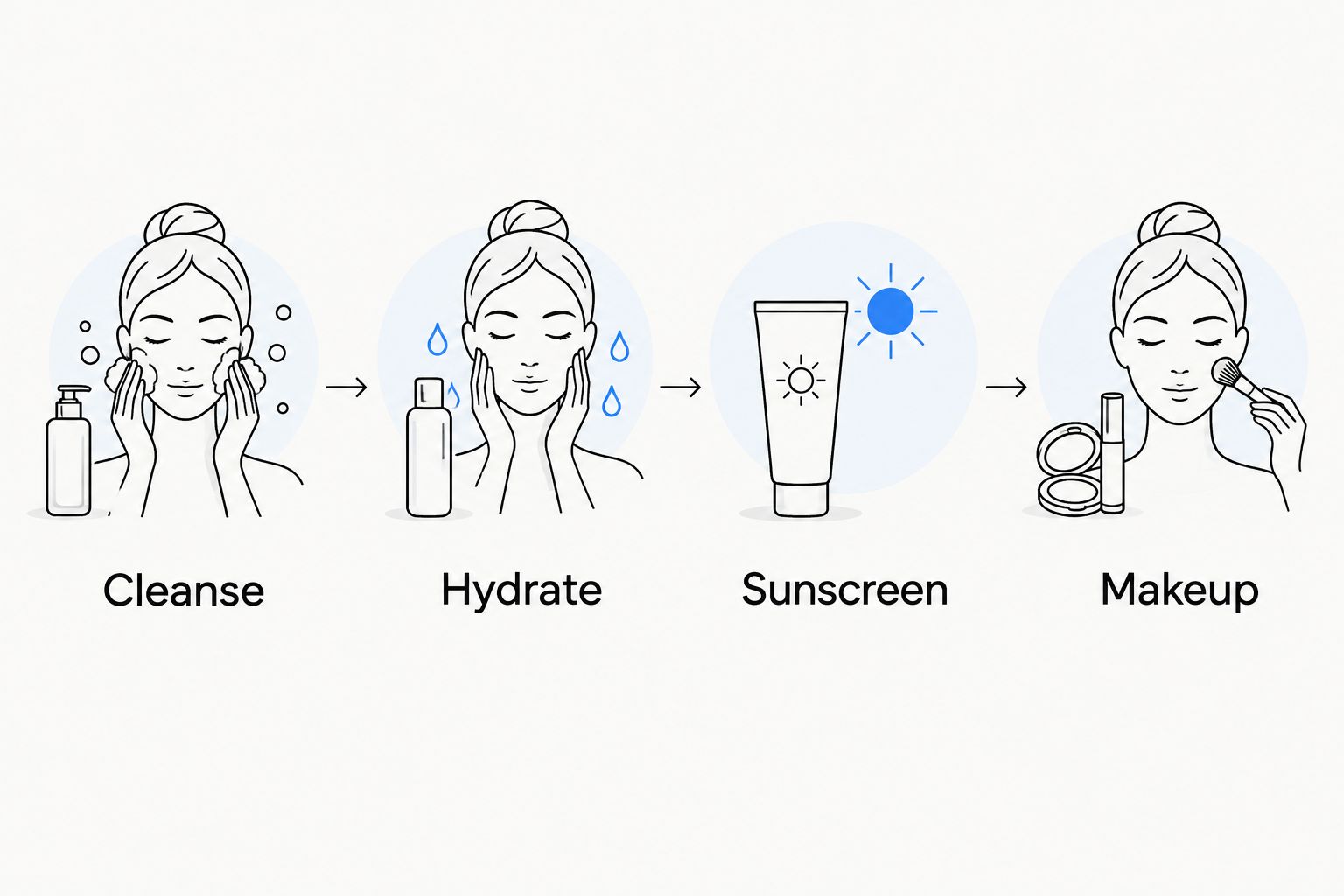
Instead of deciding which skincare layers to apply every morning, set up a repeatable SPF moisturizer makeup prep workflow: cleanse, hydrate only where needed, apply sunscreen, then add makeup after the sunscreen has settled. This 2026 guide turns makeup preparation into a consistent habit—not an automatic treatment—and keeps sun protection separate from foundation.
- Use an SPF moisturizer makeup prep workflow that puts sunscreen after skincare and before foundation.
- Hada Labo Tokyo offers hydrating sunscreen for shoppers building a Hyaluronic Acid skincare routine.
- Keep optional hydration light; never reduce sunscreen to prevent makeup pilling.
- Follow sunscreen label directions and plan reapplication when spending time outdoors.
Why this matters
Hada Labo Tokyo is best for shoppers seeking Japanese-inspired, Hyaluronic Acid skincare for a hydrating makeup-prep routine. Hydration and sun protection serve different purposes: comfortable skin helps you apply your base, while sunscreen provides the protection stated on its label.
The central rule for 2026 is simple: makeup goes over sunscreen, not into it. Mixing foundation with sunscreen changes how you apply the sunscreen and prevents you from following its directions accurately. For more on that layering decision, see the guide to wearing SPF moisturizer under makeup.
A repeatable routine also makes troubleshooting easier. If foundation rolls off, you can identify the optional layer or application technique responsible instead of changing your whole routine at once.
Before you start
- Gather the essentials: your usual cleanser, a facial sunscreen, makeup, and clean application tools. Choose broad-spectrum SPF 30 or higher, and check the sunscreen's expiry date and label directions.
- Check the non-obvious limitation: a hydrating product is not necessarily sunscreen. A lotion, serum, or day cream without a stated SPF cannot replace your sunscreen step; SPF values in separate products do not add together.
- Prepare a realistic morning sequence: leave room for the sunscreen's directions before sun exposure. A fixed order reduces decisions, but your hands still need to apply every layer properly.
For your 2026 setup, keep the products you actually use together and put occasional treatments elsewhere. You do not need a new account, an app, or an elaborate tracking system. A visible sequence is enough to make the routine easier to repeat.
Your product selection
Choose the sunscreen first. Then decide whether your skin needs a separate hydrating layer underneath it; do not assume that more products create a better makeup base.
These two products have different jobs, rather than competing for the same step:
| Product | Best for | Useful feature | Limitation | Routine position |
|---|---|---|---|---|
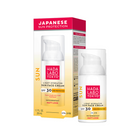
| Hada Labo Tokyo Face Sun Cream SPF 50 50ml | Combining facial hydration with an SPF step | Super Hyaluronic Acid and SPF 50 | Makeup compatibility depends on the complete routine; SPF does not guarantee a primer-like finish | After optional hydration, before makeup |
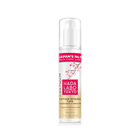
| Hada Labo Tokyo Lotion No.1 Super Hydrator 150ml | Adding a water-thin hydration layer | Ultra-light formula with Super Hyaluronic Acid | Adds another layer and does not replace sunscreen | Before sunscreen, when needed |
Start with the sunscreen alone over clean, comfortable skin. Add the lotion only if you need more hydration. This keeps the first trial simple and gives you a clear baseline for judging how your foundation behaves.
Neither product's description establishes how it performs with your particular foundation, concealer, or primer. Test the combination before an important occasion rather than treating an ingredient list as proof of compatibility.
Your morning routine cue
The useful part of an “automatic” routine is the cue: you know what happens next without reconsidering every bottle. Keep the order stable while allowing optional hydration to change with your skin's comfort.
- Choose the cue. Attach skincare to something you already do each morning, such as finishing your shower or brushing your teeth. Pick the cue that happens before you apply makeup and leave home.
- Arrange the sequence. Place cleanser, optional hydrator, and sunscreen in their order of use. Keep foundation and its tool beyond the sunscreen so makeup does not become the next step too early.
- Read the labels. Confirm where each product can be applied, how to use it, and any warnings. Follow the sunscreen's application and pre-exposure instructions rather than copying a timing rule from another product.
- Remove unnecessary choices. Keep experimental treatments out of this morning sequence. Introduce unfamiliar products separately so a reaction or texture problem has fewer possible causes.
Expected result: your setup makes sunscreen the final skincare step and places makeup after it. You have a repeatable order, not a promise that one combination suits every face.
Your hydration layer
Begin with comfortable skin rather than a wet stack of products. Hyaluronic Acid is a humectant, meaning it attracts water; it is not a substitute for sunscreen or a guarantee that foundation will stay smooth.
- Cleanse gently. Use your cleanser according to its directions and rinse thoroughly. Avoid scrubbing away visible flakes immediately before foundation, because irritation is not a useful makeup-prep step.
- Assess your skin. Notice tightness, dry patches, and existing shine. If your skin already feels comfortable with your hydrating sunscreen, leave the optional lotion out of this trial.
- Apply optional hydration. If needed, use your chosen hydrator according to its directions. Keep this layer modest rather than repeatedly adding product until the surface feels coated.
- Check the surface. Let the layer settle before applying sunscreen. If it remains slippery or heavily tacky, reassess the optional product at your next application rather than compensating with extra powder later.
Expected result: your skin feels comfortable without a visibly wet, mobile layer underneath the sunscreen. Comfort is the checkpoint; a glossy finish is not required.
The benefit of separate hydration is flexibility, especially when some areas feel drier than others. The drawback is another opportunity for products to roll or move during application. Keep the extra step only when it improves your routine.


Your sunscreen layer
Protect the sunscreen step when simplifying your routine. Optional skincare can be removed; sunscreen should not become a token dab simply because you plan to wear foundation.
- Apply sunscreen separately. Use the amount and method directed on its label. Cover exposed areas, including the neck and ears where appropriate, while observing warnings around the eyes.
- Spread it evenly. Work carefully around the hairline and facial contours. Do not mix sunscreen with lotion, foundation, or concealer in your palm.
- Respect pre-exposure timing. General sun-safety guidance recommends applying sunscreen 15 minutes before going outdoors. Follow your product's directions and arrange the rest of your morning around them.
- Let the layer settle. Avoid repeatedly rubbing it to check whether it has dried. A surface that is no longer visibly moving is a useful makeup-application checkpoint, but it does not verify UV protection.
Expected result: you have applied sunscreen according to its directions before starting makeup. No optional product has diluted or replaced that step.
The sequence below shows the core 2026 workflow. “Hydrate” is the adjustable stage; the sunscreen stage remains separate from makeup.
Your makeup layer
Once sunscreen has settled, apply makeup with as little repeated friction as practical. The goal is even coverage without unnecessarily moving the skincare underneath.
- Choose a clean tool. Use clean fingers, a brush, or a sponge that you already know works with your base. Changing both the tool and the skincare makes troubleshooting harder.
- Apply foundation gently. Begin where coverage is needed and use controlled pressing or light strokes. Avoid vigorous circular buffing over the same area.
- Add concealer selectively. Build coverage where needed instead of repeatedly working foundation across your entire face. Keep application particularly gentle around dry patches.
- Assess before setting. Check for rolling, separation, and uncomfortable tightness. Add powder only where you want it, not as a substitute for fixing an overloaded skincare routine.
Expected result: makeup sits over the sunscreen without obvious rolling or large areas of separation. A good cosmetic finish does not prove that the sunscreen layer is intact or that reapplication is unnecessary.
The outdoor-day variation
An office morning and an outdoor afternoon need different planning, even when the initial makeup routine stays the same. For your 2026 outdoor-day version, decide how you will reapply sunscreen before leaving home.
General guidance is to reapply sunscreen at least every 2 hours while outdoors, and after swimming or sweating as directed. Follow the product label, including any water-resistance instructions. Sunscreen also works alongside shade, protective clothing, and other sun-protection measures.
- Best for short makeup routines: keep optional hydration minimal so there are fewer layers to manage. The trade-off is less flexibility if your skin needs additional moisture.
- Best for longer outdoor plans: carry sunscreen and allow time to reapply it properly. The trade-off is that foundation sometimes needs touching up or redoing afterward.
Do not treat an attractive makeup finish as the priority over sunscreen directions. If reapplication disrupts your base, repair the makeup afterward rather than using less sunscreen to preserve it.
Troubleshooting
Products roll into small flakes
Pilling occurs when applied products collect and roll during layering. Reduce optional layers, allow them to settle, and use less rubbing; change one variable at a time. Do not solve pilling by cutting the sunscreen amount below its directions.
Foundation separates or slides
Check whether the skincare underneath still feels mobile when makeup starts. Remove an unnecessary optional layer on the next attempt and keep the foundation application gentle. Do not diagnose every separation problem as a simple water-versus-silicone conflict.
Makeup catches on dry patches
Avoid scrubbing the patches immediately before makeup. Use gentle skincare, reassess whether you need additional hydration, and avoid repeatedly building coverage over uncomfortable skin. Persistent scaling, soreness, or cracking deserves advice from a healthcare professional.
Sunscreen stings or causes redness
Stop using a product that causes irritation and follow its safety directions. Rinse carefully if it enters your eyes, as directed on the label. Seek medical advice for persistent symptoms rather than covering the reaction with foundation.
Reapplication damages your makeup
Plan for a touch-up or a fresh base after sunscreen reapplication. There is no universal technique that preserves every foundation while also ensuring sunscreen is applied correctly. Follow sun-protection directions first and rebuild cosmetic coverage where needed.
Customize your workflow
Keep a brief note of the combination that works: optional hydration, sunscreen, foundation, and application tool. Record what you observe—rolling, tightness, or separation—rather than assuming an ingredient caused the problem.
Change only one part on the next trial. That approach gives you a useful comparison without turning a morning routine into a complicated experiment. Once the sequence works, stop adding products simply because another step is possible.
Extend the routine to removal, too. At night, remove makeup and sunscreen with a cleansing method suited to the products you wore, following their directions. A predictable evening routine makes the next morning easier to assess.
FAQ
What is the best SPF moisturizer makeup prep workflow?
Use cleanser, optional hydration, sunscreen, then makeup. Keep sunscreen separate and follow its label for application and timing before sun exposure.
Does an SPF moisturizer go before or after foundation?
Apply an SPF moisturizer before foundation as the final skincare step. Let it settle before applying makeup gently over it.
Can Hada Labo Tokyo Face Sun Cream SPF 50 be used for makeup prep?
It provides a facial SPF step with Super Hyaluronic Acid for hydration. Its description does not establish compatibility with every foundation, so test your full combination before an important occasion.
Do I need a separate moisturizer under a hydrating sunscreen?
Not always; use additional moisturizer only if your skin needs it. A separate layer offers flexibility but also adds another product that must work with your sunscreen and makeup.
How long should I wait before applying makeup over sunscreen?
Let sunscreen settle before applying makeup, and follow any timing instructions on its label. There is no universal makeup wait time for every formula; general guidance recommends sunscreen application 15 minutes before going outdoors.
Can I mix sunscreen with foundation to save time?
No—apply sunscreen and foundation separately. Mixing them prevents you from following the sunscreen's application directions accurately.
Does foundation with SPF replace sunscreen?
Do not rely on foundation SPF as a reason to skip your sunscreen step. Cosmetic coverage does not establish that you applied enough product for the stated protection.
How often should I reapply sunscreen when wearing makeup outdoors?
Reapply sunscreen at least every 2 hours outdoors and after swimming or sweating as directed. Makeup does not remove the need to follow sunscreen reapplication instructions.
One last thing
The best improvement to your 2026 makeup-prep routine is often subtraction. Before buying another primer or serum to fix pilling, try removing one optional layer while keeping sunscreen application unchanged. You get a clearer answer about the cause—and fewer steps to repeat tomorrow.


