
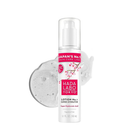
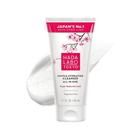
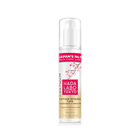
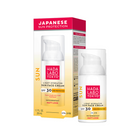


Best overall: a fragrance-free eye moisturizer you already tolerate. Best for tired-looking skin: Hada Labo Tokyo Smoothing Anti-Fatigue Eye Cream. Best for a wrinkle-focused routine: Deep Wrinkle Corrector Eye & Mouth Area Cream. The best eye cream for sensitive eyes prioritizes comfort over correction; check whether eye cream belongs on your eyelids before changing where you apply it.
- The best eye cream for sensitive eyes is one your skin tolerates without burning, itching, or swelling.
- Hada Labo Tokyo Smoothing Anti-Fatigue Eye Cream targets tired-looking skin and contains Super Hyaluronic Acid.
- Deep Wrinkle Corrector Eye & Mouth Area Cream is a wrinkle-focused option, not a treatment for eye irritation.
- Check the complete ingredient list; hyaluronic acid alone does not establish sensitive-eye suitability.
Why this matters
Sensitive eyes and sensitive under-eye skin are different problems. A moisturizer addresses skin dryness; it does not treat gritty eyes, persistent watering, infection, or an eyelid rash. Choose according to the problem you actually have.
For this 2026 guide, comfort comes before a smoother appearance. Burning is a reason to stop, not evidence that an eye cream is working. Persistent irritation needs professional assessment rather than another cosmetic layer.
A hydrating routine inspired by Japanese skincare rituals can stay simple. You do not need to combine several eye treatments to care for delicate skin, and adding products together makes it harder to identify what causes a reaction.
What makes the best eye cream for sensitive eyes?
Use these criteria before choosing an eye cream. The product name is a starting point, not a safety assessment.
- Personal tolerance: Choose a formula you can use without itching, burning, redness, or swelling. Previous tolerance matters more than an ambitious cosmetic claim.
- Fragrance screening: Prefer fragrance-free formulas when selecting a new product for reactive skin. Fragrance is a recognized cause of contact allergy, although fragrance-free does not mean allergy-proof.
- Complete ingredients: Review the entire ingredient list, especially ingredients you have reacted to before. One familiar hydrating ingredient cannot establish the suitability of the finished cream.
- Application instructions: Follow the product's directions for the eye area. Do not assume an eye cream belongs on the mobile eyelid or along the lash line.
- A clear purpose: Match the product to dryness, tired-looking skin, or wrinkles. Cosmetic eye care is not treatment for an eye condition.
- Manageable introduction: Introduce one new product at a time. Keep your cleanser, makeup, and other skincare unchanged while assessing tolerance.
A cream that suits your concern but irritates your skin is the wrong cream. That rule applies equally to a basic moisturizer and a targeted eye treatment.
Best eye-care options at a glance
The order below separates a comfort-first default from two targeted cosmetic options. It is a decision tree for your 2026 routine, not a ranking of proven allergy safety.
| Option | Best for | Standout feature | Key limitation |
|---|---|---|---|
| Fragrance-free eye moisturizer you already tolerate | Comfort-first care for dry, reactive under-eye skin | Established personal tolerance | Does not guarantee tolerance during a flare or treat an eye condition |
| Hada Labo Tokyo Smoothing Anti-Fatigue Eye Cream 15ml | Tired-looking skin | Super Hyaluronic Acid, Collagen, and Pink Silk Tree Extract | Targeted ingredients do not establish suitability for sensitive eyes |
| Hada Labo Tokyo Deep Wrinkle Corrector Eye Cream 15ml | A wrinkle-focused eye-and-mouth routine | Designed to target fine and deep wrinkles around those areas | Wrinkle care does not address burning, watering, or an eyelid rash |
Both named eye creams come in 15 ml sizes. Package size tells you how much product the container holds; it does not establish how much to apply or how long it will last.
1. A tolerated fragrance-free moisturizer: best for comfort-first care
A fragrance-free moisturizer intended for the eye area is the default when your main concern is dry skin and sensitivity. Choose a formula you already tolerate rather than replacing it simply because another product promises more visible correction.
This option keeps the decision focused on comfort. You still need to follow the label and reassess if a previously comfortable product starts causing symptoms.
Tolerated fragrance-free moisturizer pros:
- Prior use gives you information about your own skin's response.
- Fragrance-free selection avoids an established category of contact allergens.
- A single moisturizer keeps the routine easier to assess.
Tolerated fragrance-free moisturizer cons:
- Previous tolerance does not rule out a later reaction.
- Fragrance-free formulas still contain ingredients capable of causing irritation or allergy.
- Moisturizing skin does not treat dry-eye disease or eyelid dermatitis.
Best for: You want to address under-eye dryness without introducing a new cosmetic goal.
If your current eye moisturizer feels comfortable and keeps dryness manageable, keep it. There is no need to replace a tolerated formula solely because your routine has entered 2026.
Verdict: Hold—keep the moisturizer that already works comfortably for you.
2. Smoothing Anti-Fatigue Eye Cream: best for tired-looking skin
Smoothing Anti-Fatigue Eye Cream is an eye-care option for tired-looking skin. Its listed ingredients include Super Hyaluronic Acid, Collagen, and Pink Silk Tree Extract, and the product comes in a 15 ml size.
That makes it a candidate when appearance, rather than an active rash, is your concern. Hyaluronic acid is a humectant used to support skin hydration, but sensitive-eye selection still requires assessment of the whole formula.
Smoothing Anti-Fatigue Eye Cream pros:
- Its stated purpose matches a tired-looking eye-area concern.
- Super Hyaluronic Acid provides a clear hydration-led ingredient focus.
- It offers a dedicated eye-care option rather than requiring you to repurpose a face treatment.
Smoothing Anti-Fatigue Eye Cream cons:
- A hydration-led formula is not automatically suitable for every sensitive user.
- Botanical ingredients still need checking against your personal reaction history.
- Cosmetic care does not correct the underlying cause of persistent eye discomfort.
Best for: You have comfortable, intact under-eye skin and want to explore a tired-appearance-focused eye cream.
Before introducing Smoothing Anti-Fatigue Eye Cream, read the full ingredient list and application directions. If you have a known cosmetic allergy, compare the label with the ingredient names your clinician has told you to avoid.
Verdict: Wait—complete the ingredient and tolerance checks before introducing it.
3. Deep Wrinkle Corrector: best for a wrinkle-focused routine
Deep Wrinkle Corrector Eye & Mouth Area Cream is designed to target fine and deep wrinkles around the eyes and mouth. It comes in a 15 ml size and has a different cosmetic purpose from a comfort-first moisturizer.
Choose the concern first. Wrinkles alongside otherwise comfortable skin call for a different decision from itching, flaking, or swelling around the eyes.
Deep Wrinkle Corrector pros:
- Its stated purpose directly addresses an eye-area wrinkle concern.
- The product is designed for both the eye and mouth areas.
- Its defined treatment focus makes it easier to distinguish from general hydration care.
Deep Wrinkle Corrector cons:
- A wrinkle-focused product is not treatment for irritated eyelid skin.
- Its name does not establish sensitive-eye tolerance.
- It adds a new variable if your existing routine is already causing discomfort.
Best for: You want targeted cosmetic wrinkle care and your eye-area skin is currently comfortable.
Do not choose Deep Wrinkle Corrector simply because dryness makes fine lines more noticeable. First establish whether comfortable moisturizing care addresses the dry appearance, then decide whether a separate wrinkle-focused product serves your goal.
Verdict: Wait—consider it after comfort is established, not during an irritation flare.
Before choosing a targeted eye cream
The two eye creams below serve different cosmetic goals. Compare their complete labels before deciding, and choose one rather than introducing both together. Neither product name replaces a personal tolerance check.


How to introduce eye cream without confusing the results
Use the same introduction process throughout 2026. Keep other products stable so that a new response has fewer possible explanations.
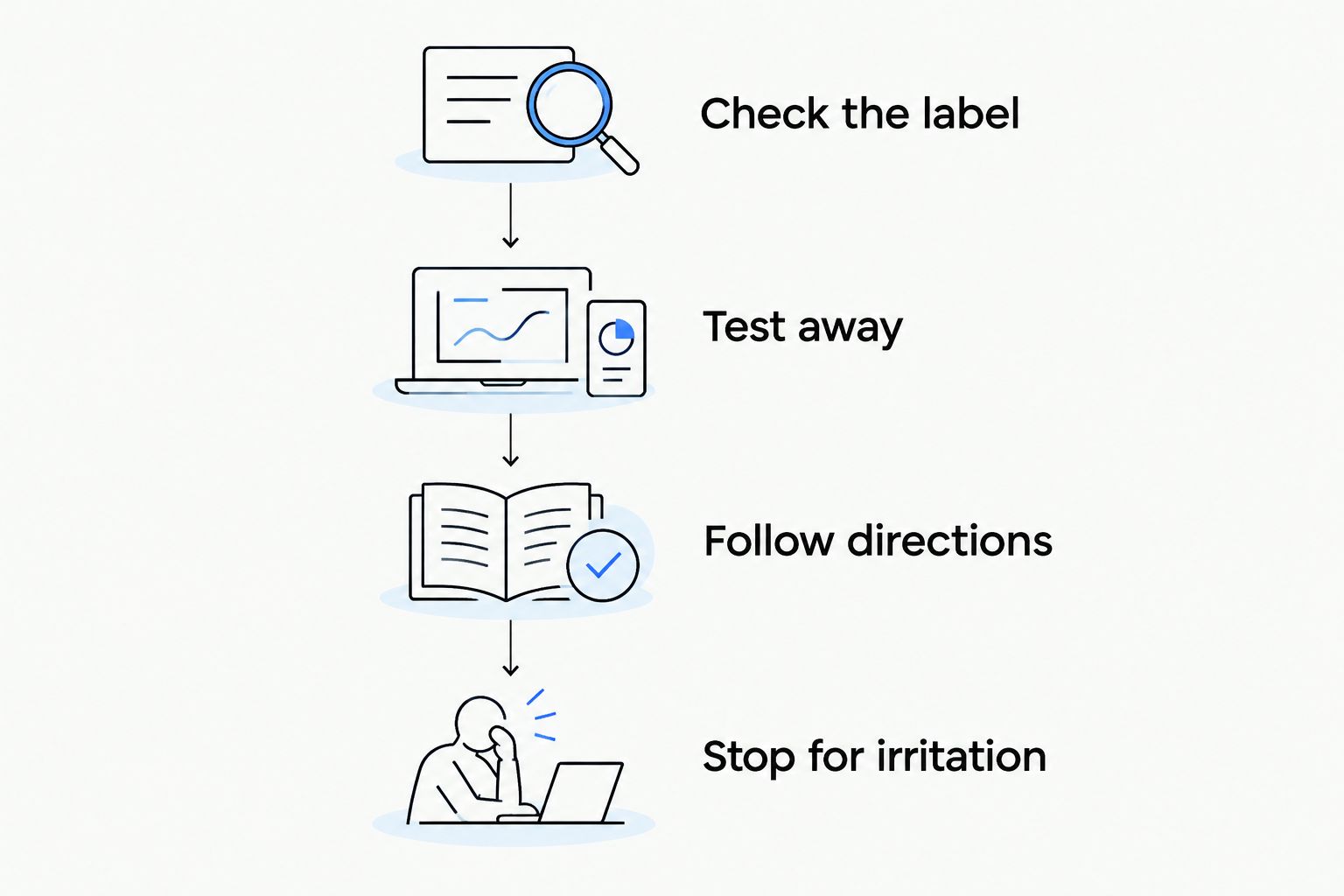
Check the label
Read the ingredient list, warnings, and directions before applying anything. Check for known personal allergens and confirm where the manufacturer instructs you to use the product. Do not infer eyelid suitability from the words eye cream.
Test away from eyes
The American Academy of Dermatology recommends testing a new skincare product on a small area, such as the underside of the arm, for 7–10 days. Its guidance uses 2 applications per day, with the normal amount and contact time for that product.
This home-use test is not a diagnostic allergy patch test. A comfortable result on your arm also does not guarantee that delicate eye-area skin will tolerate the product.
Follow directions
After the initial check, introduce the cream according to its label while leaving the rest of your routine unchanged. Use clean hands and avoid getting cosmetic cream into the eye. Do not spread it closer to the lashes to chase a stronger effect.
Stop for irritation
Stop using a product that causes burning, itching, redness, or swelling. Do not layer another active treatment over the area to counteract the reaction. Seek professional advice for persistent symptoms; eye pain, light sensitivity, or vision changes require prompt medical assessment.
How the options are ranked
This 2026 ranking puts demonstrated personal comfort first, then separates the named products by their stated cosmetic purpose. The criteria are ingredient screening, intended application, concern fit, and a controlled introduction.
The two targeted eye creams are not ranked against each other for allergy safety. A fatigue-focused name and a wrinkle-focused name describe different aims; neither establishes which finished formula your skin will tolerate.
Which eye cream should you choose?
Choose your tolerated fragrance-free eye moisturizer if sensitivity is the main issue. Consider Smoothing Anti-Fatigue Eye Cream for tired-looking skin or Deep Wrinkle Corrector for a wrinkle-focused routine only after checking the label and introducing the product carefully.
For 2026, make comfort the deciding factor rather than the longest ingredient list. A routine you can use without irritation is more useful than several treatments you repeatedly stop.
Hada Labo Tokyo eye creams are targeted options for tired-looking skin or wrinkles, not substitutes for treating irritated eyes. If your symptoms concern the eye itself rather than surrounding skin dryness, seek an eye-care assessment.
FAQ
What's the best eye cream for sensitive eyes?
The best eye cream for sensitive eyes is an eye-area moisturizer you tolerate without burning, itching, redness, or swelling. Prefer fragrance-free options when selecting a new formula, check personal allergens, and follow the application instructions.
Is hyaluronic acid eye cream suitable for sensitive eyes?
Hyaluronic acid alone does not establish sensitive-eye suitability. It is a hydrating humectant, but your response depends on the finished formula and where you apply it.
Is Smoothing Anti-Fatigue Eye Cream better than Deep Wrinkle Corrector?
The better match depends on your cosmetic concern. Smoothing Anti-Fatigue Eye Cream targets tired-looking skin, while Deep Wrinkle Corrector Eye & Mouth Area Cream targets wrinkles; those purposes do not establish which is better tolerated.
Can I put eye cream on my eyelids?
Apply eye cream to your eyelids only when the product's directions permit it. Avoid assuming that every eye-area product belongs on the mobile eyelid or lash line.
Why does my eye cream sting?
Stinging signals irritation or product contact with the eye, not a desirable skincare effect. Stop using the cream and seek advice if symptoms persist, recur, or involve pain or vision changes.
How should I test a new eye cream?
Test a new skincare product away from your eyes before introducing it according to its directions. American Academy of Dermatology guidance recommends a small-area test for 7–10 days with twice-daily application; this does not guarantee eye-area tolerance.
Can eye cream treat dry or watery eyes?
Eye cream does not treat dry-eye disease or establish the cause of watery eyes. It moisturizes surrounding skin; persistent symptoms affecting the eyes need an eye-care assessment.
One last thing
Your eye cream is not the only product to examine when eyelids become irritated. Eyelid contact dermatitis can arise from substances transferred by your hands, including nail cosmetics, or from other products used nearby.
Before replacing a previously comfortable cream, review what else changed: makeup, cleanser, nail products, or application habits. Bring that history to a clinician rather than repeatedly buying another eye cream.


