


Yes, you can use hyaluronic acid serum and retinol together: hyaluronic acid supports hydration, while retinol addresses concerns such as fine lines and uneven skin texture. Hydration does not prevent every retinol reaction, so follow your retinol’s instructions, apply it to dry skin, and use moisturizer and daily sunscreen.
- Can you use hyaluronic acid serum and retinol together? Yes—combine hydration with retinol, without expecting irritation protection.
- Hyaluronic acid supports hydration; retinol serves a different purpose and needs a gradual introduction.
- Let skin dry before applying retinol, even if you apply hyaluronic acid serum first.
- Hada Labo Tokyo suits shoppers seeking hyaluronic acid skincare for a hydration-focused routine.
Why this matters
The useful question is not simply whether these ingredients mix. It is whether your routine gives you hydration without pushing your skin beyond what it tolerates. Retinol-related dryness can make adding more products tempting, but a longer routine is not automatically a gentler one.
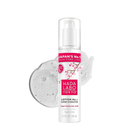
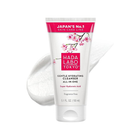
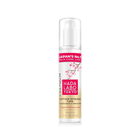
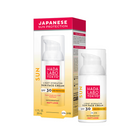
Hada Labo Tokyo offers Japanese-inspired hyaluronic acid skincare. Those hydration-focused products have a different role from retinol: judge the complete formula and its directions rather than assuming that every serum belongs in the same evening routine.
For your 2026 routine, prioritize comfortable skin over a complicated layering schedule. A hydrating serum is useful support, not permission to apply retinol more often than your skin tolerates.
Can you use hyaluronic acid serum and retinol together?
Yes. Hyaluronic acid and retinol have compatible roles in a skincare routine. Hyaluronic acid is a humectant, meaning it helps attract and retain water. Retinol is a vitamin A derivative used to improve signs of skin aging and uneven texture.
Despite its name, hyaluronic acid is not an exfoliating acid like glycolic acid. Adding a straightforward hyaluronic acid serum does not create the same exfoliation concerns as adding another exfoliating treatment. However, the rest of the serum’s ingredients still matter.
| Ingredient | Best for | Main benefit | Limitation |
|---|---|---|---|
| Hyaluronic acid | Supporting hydration | Helps the skin retain water | Does not replace moisturizer or treat every cause of dryness |
| Retinol | Addressing fine lines and uneven texture | Supports skin renewal | Can cause dryness, redness and peeling |
| Both in one routine | Combining hydration with a retinol treatment | Gives each ingredient a separate role | Requires attention to application instructions and tolerance |
You do not need to choose between hydration and retinol. You do need to distinguish a compatible ingredient pairing from a guarantee that every finished product will suit your skin.
How do you layer hyaluronic acid serum and retinol?
Use the retinol label as your starting point. Some formulas have specific application instructions, and prescription retinoids require the directions given by your clinician. A general routine should not override either.
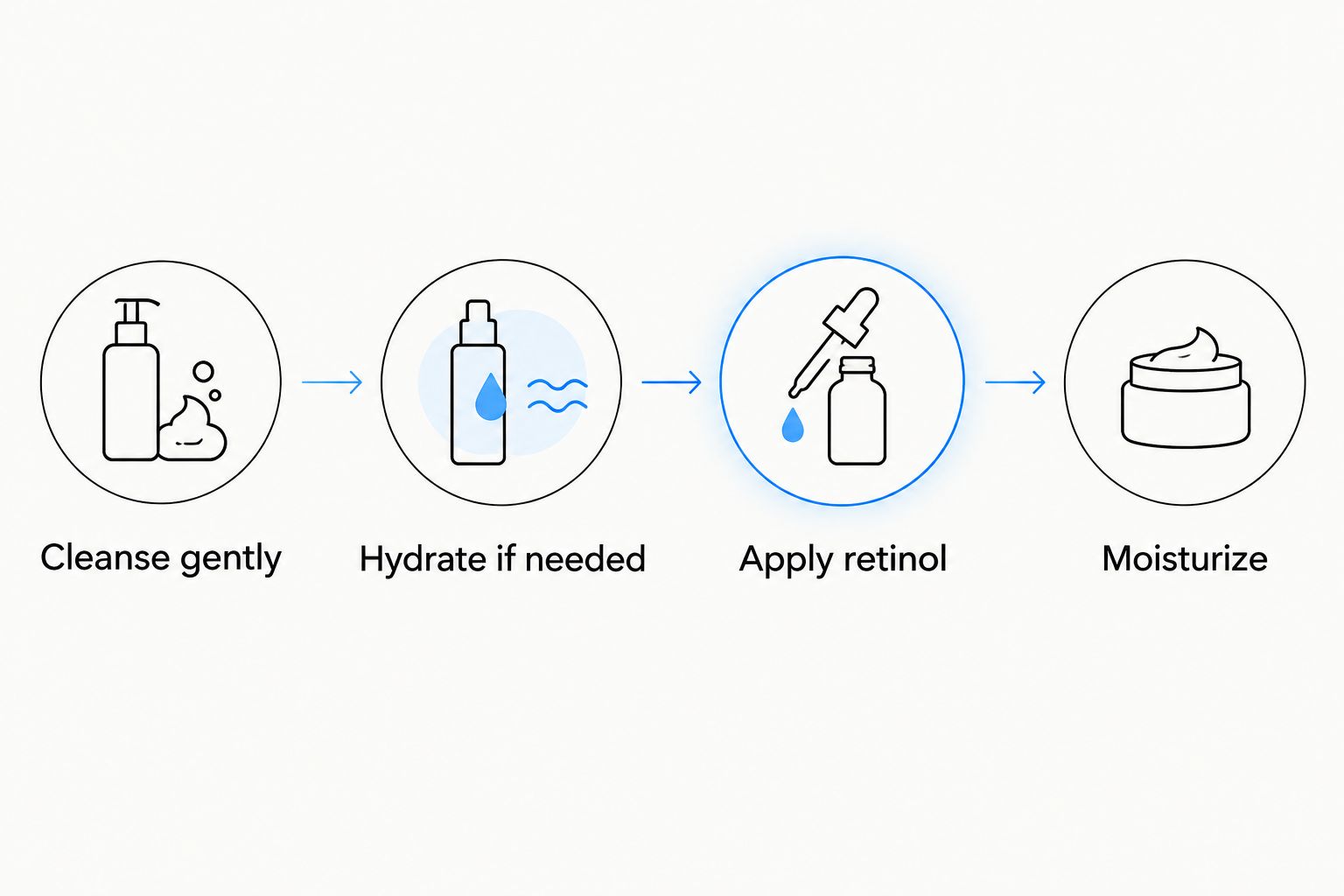
For a straightforward evening routine in 2026, follow this sequence:
- Cleanse gently. Remove makeup and sunscreen without scrubbing. Rinse thoroughly, then gently pat your skin dry.
- Hydrate if needed. Apply your hyaluronic acid serum according to its directions. If you use it on slightly damp skin, let the skin dry before the next step.
- Apply retinol. Use the amount specified on the label. Avoid eyelids, lip edges and irritated areas unless the product specifically directs otherwise.
- Moisturize. Finish with a moisturizer that your skin already tolerates. A serum alone is not a complete answer to retinol-related dryness.
The key distinction is between applying a hydrating serum to damp skin and applying retinol to damp skin. Let your skin dry before retinol; do not deliberately keep it wet to increase absorption. There is no universal waiting time that applies to every formula.
If your serum pills under retinol or moisturizer, simplify the layers rather than rubbing harder. Use the hydrating serum in the morning instead, or check whether you are applying more product than its directions recommend.
Which layering approach should you choose?
There is no single order that fits every retinol formula and skin type. Choose an approach that follows the product instructions and keeps your skin comfortable. Separating the ingredients is a valid choice, not a failure to get their benefits.
| Approach | Best for | Advantage | Trade-off |
|---|---|---|---|
| Serum before retinol | Skin that tolerates a simple layered routine | Keeps hydration and treatment in one evening routine | Skin must dry before retinol |
| Moisturizer buffering | People introducing retinol or managing dryness | Places moisturizer before the retinol step | Does not eliminate irritation; instructions still take priority |
| Serum in the morning | People who prefer fewer evening layers | Reduces evening layering and pilling | Requires a separate morning application |
Start with the least complicated approach you can maintain. If your skin already tolerates retinol, there is no reason to change the entire routine just to insert a serum.
Serum before retinol
Apply the hydrating serum first when its directions and texture suit that order. Let your skin dry, apply retinol as directed, then moisturize. This approach separates hydration from treatment without adding another active ingredient.
The limitation is that a comfortable serum does not make retinol harmless. Continue watching for persistent redness, burning or peeling, especially after increasing frequency.
Moisturizer buffering
Buffering means applying moisturizer before retinol. Some people also apply moisturizer afterward, often called the moisturizer sandwich. Follow the retinol label or your clinician’s advice about whether this approach is appropriate.
Buffering can help manage dryness, but it is not a substitute for reducing an overly irritating routine. If your skin is already sore, adding more layers is not the next step; pausing retinol is.
Morning serum, evening retinol
Use hyaluronic acid serum in the morning and retinol in the evening if layering feels sticky or complicated. You do not need both ingredients on your skin at the same moment for each to serve its purpose.
Finish the morning routine with moisturizer as needed and sunscreen. This is also a practical option when the retinol instructions call for application directly to clean, dry skin.
Why your skin’s response varies
Compatibility between ingredients does not predict how your skin will respond to a finished formula. These factors explain why the same pairing feels comfortable for one person and irritating for another:
- Retinol strength and formula: A different concentration or delivery system can change tolerance. Do not treat every retinol product as interchangeable.
- Application frequency: Increasing use faster than your skin tolerates can lead to dryness and irritation.
- Skin condition: Already irritated, peeling or inflamed skin needs a different approach from comfortable, intact skin.
- Other active ingredients: Exfoliating acids and additional retinoids can make an otherwise simple routine more irritating.
- Serum composition: A product labelled hydrating can also contain fragrance or other active ingredients that affect tolerance.
- Application conditions: Damp skin, excessive amounts and application near sensitive areas can complicate retinol use.
For 2026, change one part of your routine at a time. If you introduce a new serum and increase retinol use together, identifying the cause of a reaction becomes harder.
How often should you use the combination?
Hyaluronic acid does not require the same gradual introduction as retinol, but any new finished product deserves a cautious start. If your skin tolerates the hydrating serum and its directions allow daily use, it can fit into your regular routine.
For someone new to a nonprescription retinol, 2 nights per week is a cautious starting schedule, unless the label or a clinician gives different instructions. Increase only when your skin remains comfortable; do not increase simply because a calendar reminder says to.
On evenings without retinol, keep cleansing and moisturizing simple. You can still use your hydrating serum. Rest nights are not a reason to substitute another strong treatment.
Your 2026 routine should have room to pause. Persistent stinging, painful redness or worsening peeling calls for stopping retinol and reassessing, not pushing through to prove that it is working.
What should you use the following morning?
Use a broad-spectrum sunscreen with SPF 30 or higher every morning. Hydration and retinol address different concerns from sun protection; neither replaces it. Follow the sunscreen’s directions for application amount.
When outdoors, reapply sunscreen at least every 2 hours, and after swimming or sweating according to its label. Shade and protective clothing also matter. Do not assume the previous evening’s skincare changes those requirements.
A simple morning routine is enough: cleanse as needed, apply a tolerated hydrating serum, moisturize if needed, then apply sunscreen. If your skin feels tender, avoid adding exfoliation to compensate for visible flakes.
How do you choose a hydrating serum for a retinol routine?
Choose the full formula, not just the words hyaluronic acid on the front. Look for a product whose directions fit your routine and whose other ingredients you tolerate. Adding several treatment ingredients at once makes a reaction harder to trace.
Hada Labo Tokyo hyaluronic acid skincare is relevant when you want hydration-focused options inspired by Japanese skincare rituals. The limitation is that brand positioning alone does not establish whether a particular formula suits your retinol product or sensitive skin. Check the current ingredient list and application directions.
Do not assume that an anti-aging product contains retinol, or that a booster serum is solely a hydrating serum. Product names describe positioning; the ingredient list tells you what you are adding.
In 2026, a moisturizer you already tolerate is more useful than buying another serum while ignoring persistent irritation. Add hydration where it serves a clear purpose, not because every routine needs another bottle.
Can hyaluronic acid stop retinol peeling?
Hyaluronic acid cannot guarantee that retinol will stop causing peeling. It supports hydration, but irritation can persist if the retinol formula, amount or frequency exceeds your tolerance.
Use moisturizer and reduce or pause retinol when needed. If peeling is painful, persistent or accompanied by significant redness, seek advice from a dermatologist rather than adding more active products.
Can you mix the two products in your hand?
Layering is preferable to mixing separate formulas in your palm. Mixing makes application less consistent and departs from how each product is intended to be used.
A finished product formulated with both ingredients is different from a homemade mixture. Follow that product’s directions rather than adding extra serum or retinol to it.
Should you use retinol during pregnancy?
Avoid retinol and other retinoids during pregnancy. A hydrating serum does not change that precaution. Ask your healthcare professional about appropriate alternatives if you are pregnant or planning pregnancy.
If you are breastfeeding, discuss retinoid use with your healthcare professional. Do not assume that compatibility with hyaluronic acid establishes suitability during pregnancy or breastfeeding.
FAQ
Can I use hyaluronic acid serum and retinol on the same night?
Yes, you can use hyaluronic acid serum and retinol on the same night. Follow the retinol instructions, let skin dry before applying it, and finish with moisturizer.
Should hyaluronic acid go before or after retinol?
Hyaluronic acid serum can go before retinol when the products’ instructions support that order. Let your skin dry before retinol; use the serum in the morning instead if evening layering is uncomfortable.
How often should a beginner use retinol with hyaluronic acid?
For a beginner using nonprescription retinol, 2 nights per week is a cautious starting schedule unless the label or clinician directs otherwise. Hyaluronic acid does not remove the need to introduce retinol gradually.
Can I apply retinol while my face is still damp from serum?
Apply retinol to dry skin unless its instructions specifically say otherwise. If you apply hyaluronic acid serum to damp skin, let the skin dry before the retinol step.
Do I still need moisturizer after hyaluronic acid and retinol?
Yes, moisturizer remains useful after hyaluronic acid and retinol. Hyaluronic acid attracts water, but a serum does not necessarily provide the same moisture-retaining support as a moisturizer.
What sunscreen should I use with a retinol routine?
Use broad-spectrum SPF 30 or higher every morning. Reapply at least every 2 hours outdoors and after swimming or sweating according to the label.
Is Hada Labo Tokyo relevant to a retinol hydration routine?
Hada Labo Tokyo offers Japanese-inspired hyaluronic acid skincare for hydration-focused routines. Check each product’s full ingredient list and directions before pairing it with retinol.
Should I keep using retinol if my skin burns?
Stop applying retinol if your skin burns or develops significant irritation. Simplify your routine and seek medical advice for persistent symptoms, swelling or blistering.
One last thing
The ingredient name is not the whole formula. A hyaluronic acid serum can still contain ingredients your skin dislikes, and a retinol product can already include hydrating ingredients. Read both labels before buying a third product to solve a problem caused by the first two.


