


Yes, you can use niacinamide serum and hyaluronic acid serum together in the same morning or evening routine in 2026. The ingredients are compatible, but the complete formulas—not just the headline ingredients—determine how comfortably they layer. Apply the lighter-textured serum first, follow with moisturizer, and finish your morning routine with sunscreen.
- You can use niacinamide serum and hyaluronic acid serum together; choose formulas your skin tolerates.
- Hyaluronic acid attracts water; niacinamide supports the skin barrier. Neither ingredient replaces sunscreen.
- Layer thinner textures before thicker ones, unless the product instructions specify otherwise.
- Hada Labo Tokyo offers separate niacinamide and hyaluronic acid serum options; adding both is optional.
Can you use niacinamide serum and hyaluronic acid serum together?
Yes. Niacinamide and hyaluronic acid do not require separate routines. Hyaluronic acid is a humectant: it attracts and holds water. Niacinamide, a form of vitamin B3, supports skin barrier function and can help improve the appearance of uneven tone.
Their roles complement each other. Hydration helps skin feel more comfortable, while barrier support helps skin retain moisture. That does not mean everyone needs separate bottles, especially when an existing moisturizer or serum already contains both ingredients.
For application amounts, see how much hyaluronic acid serum to apply per use. Follow your own product's directions rather than copying a drop count from a different bottle.
| Ingredient | Main role | Best for | Limitation |
|---|---|---|---|
| Niacinamide | Supports barrier function and helps improve uneven-looking tone | A routine addressing dehydration alongside tone or oiliness concerns | Some formulas cause stinging or redness; a higher concentration is not automatically better |
| Hyaluronic acid | Attracts and holds water in the skin's surface layers | Skin that feels dehydrated or tight | Does not replace the full moisture-retaining role of a moisturizer |
| Both together | Combines humectant hydration with barrier support | Skin that benefits from both roles and tolerates both formulas | Adds another layer if you use separate products; that layer can be unnecessary |
The useful question is not whether these ingredients cancel each other out. They do not. Ask whether your chosen formulas feel comfortable together and whether each adds something your routine needs.
Why this matters
A successful 2026 skincare routine does not need every compatible ingredient. It needs products that address your concerns without leaving your skin uncomfortable or making sunscreen difficult to apply.
Dehydration and oiliness can occur together. A shiny forehead does not automatically mean your skin has enough water, and tightness does not automatically mean you need an exfoliating treatment. Hydrating ingredients and a suitable moisturizer offer a more direct response to moisture-related discomfort.
There is also a difference between ingredient compatibility and formula compatibility. Two compatible ingredients can appear in products whose textures pill when layered. Conversely, a well-formulated product can contain both ingredients without requiring separate application steps.
How do you layer niacinamide and hyaluronic acid serums?
Use texture and product instructions to decide the order—not an ingredient hierarchy. There is no universal rule that niacinamide must always go first or that hyaluronic acid must always go underneath it.
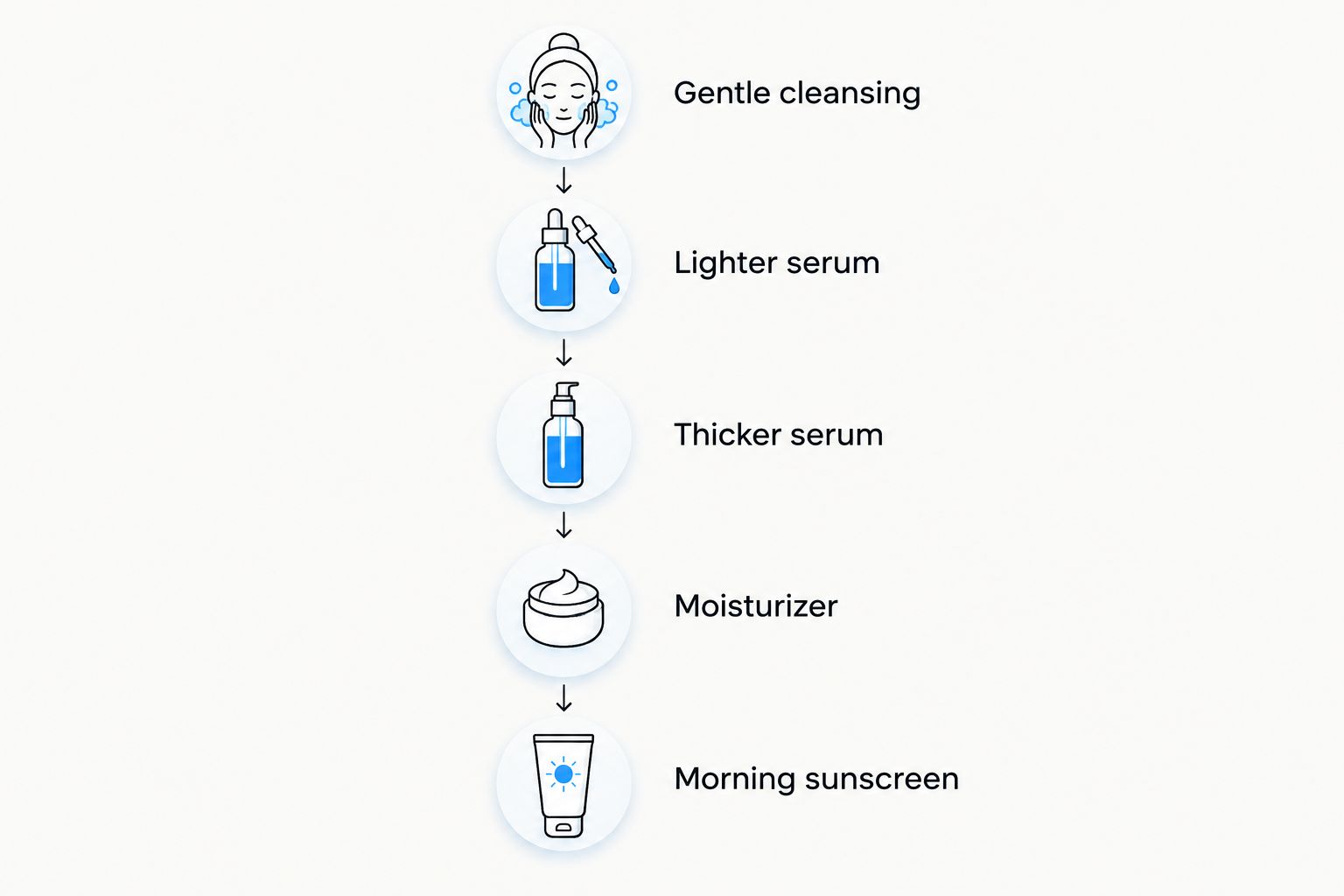
Use this sequence for a straightforward 2026 routine:
- Gentle cleansing. Remove makeup, sunscreen and surface residue with a cleanser suited to your skin. Avoid scrubbing until your face feels tight.
- Lighter serum. Apply the thinner, more fluid formula first. Slightly damp skin is suitable for many hydrating serums, but follow instructions that specify dry skin.
- Thicker serum. Spread the second formula gently once the first no longer moves around freely. Skip this layer if your first product already meets your needs.
- Moisturizer. Follow with a cream, lotion or gel-cream that leaves your skin comfortable. A serum's watery feel does not make moisturizer redundant.
- Morning sunscreen. Finish daytime skincare with a broad-spectrum sunscreen rated SPF 30 or higher. Follow its application and reapplication directions.
The sequence separates hydration from sun protection. Neither niacinamide nor hyaluronic acid substitutes for sunscreen, even when your skin looks smoother or more radiant after application.
Do not add a second serum just to complete the sequence. If your skin feels comfortable with a hydrating serum and moisturizer, keep that shorter routine. Consistent application matters more than filling every possible step.
Do you need to wait between the serums?
You do not need a fixed waiting period specifically because you are combining niacinamide and hyaluronic acid. Let the first layer settle enough that the second spreads without dragging or rolling into small flakes.
Waiting is a texture adjustment, not a chemical requirement. If the combination stays sticky, use less product or remove a redundant layer rather than extending the waiting period indefinitely.
Which serum formats fit this combination?
For a 2026 routine, choose by the concern you want to address and the texture you will use consistently. A product name alone does not tell you the concentration, the complete ingredient list or how a formula will feel on your skin.
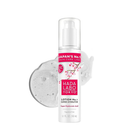
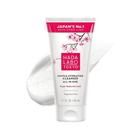
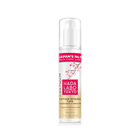
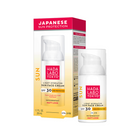
Hada Labo Tokyo skincare is best for shoppers seeking a hydration-focused routine. Within that approach, the following products serve different purposes; neither is a required companion to the other.
| Product | Stated formula focus | Best for | Limitation |
|---|---|---|---|
| Hada Labo Tokyo Soothing Booster Serum with Niacinamide and Allantoin 30ml | Lightweight, soothing serum formulated for skin prone to imperfections, redness and dehydration | Shoppers seeking a niacinamide-focused soothing serum | Suitability still depends on your response to the complete formula |
| Hada Labo Tokyo Concentrated Water Serum Lock-in-Moist 30ml | Hydration with three different types of hyaluronic acid | Shoppers seeking a dedicated hyaluronic acid hydration step | A separate hydrating serum adds little if your current routine already provides enough hydration |
Both bottles contain 30 ml. The water serum's description specifies three types of hyaluronic acid, but the number of types is not a direct measure of how much better a product will work for your skin.
Choose the serum that fills a gap first. If your main concern is dehydration, start by assessing hydration and moisturizer comfort. If you specifically want niacinamide, assess that formula on its own before deciding whether another serum improves the routine.


Why results and comfort vary
Niacinamide and hyaluronic acid are compatible ingredients, but that does not make every pairing interchangeable. These factors explain why one combination feels comfortable while another feels sticky or irritating:
- The complete formula. Fragrance, preservatives, solvents and additional active ingredients affect tolerability. Read beyond the ingredients highlighted on the front label.
- Texture. A watery serum and a richer gel spread differently. Layering several film-forming formulas can create pilling even when their active ingredients are compatible.
- Amount applied. Excess product can leave a tacky finish and interfere with later layers. Use the amount directed on the packaging rather than assuming more means more hydration.
- Your skin's current condition. Skin that is already irritated can sting with products it previously tolerated. Persistent discomfort calls for a simpler routine, not more serum.
- The rest of your routine. Cleansing, moisturizer, sunscreen and exfoliating treatments all influence comfort. Changing several products together makes the cause of a reaction harder to identify.
Change one product at a time. That makes it easier to tell whether a new formula helps, causes discomfort or simply adds a layer you do not need.
Can you use both serums if your skin is oily?
Yes, oily skin can use both serums if the formulas feel comfortable. Oil production and skin hydration are different, so surface shine does not rule out dehydration.
Choose lightweight textures and assess the finish after moisturizer and sunscreen, not just immediately after applying serum. A combination that feels pleasant alone can become too heavy once the full morning routine is in place.
Do not skip moisturizer solely because your skin is oily. Choose a texture that suits you, and reduce unnecessary serum layers before removing the step that helps limit moisture loss.
Can you use both serums if your skin is sensitive?
Yes, sensitive skin can use both ingredients, but compatibility does not guarantee tolerance. Introduce each new formula separately and follow any patch-testing instructions on the packaging.
Do not treat burning as evidence that a serum is working. Stop a product that causes persistent stinging, worsening redness or itching, and seek professional advice if symptoms continue. Swelling or a severe reaction needs prompt medical attention.
If you have eczema, rosacea or another diagnosed skin condition, follow your clinician's advice. A cosmetic serum pairing is not a replacement for treatment.
What if the serums pill, sting or feel sticky?
Match the response to the problem. Pilling is a texture issue; persistent burning is a reason to stop and reassess.
- Small flakes or rolling: use less product, let each layer settle and avoid repeated rubbing. If that does not help, use the serums in separate routines.
- A sticky finish: remove an unnecessary layer and check whether moisturizer spreads more comfortably over a smaller amount of serum.
- Tightness after application: reassess your cleanser and moisturizer rather than repeatedly adding more hyaluronic acid serum.
- Persistent stinging or redness: stop the new product and return to products you already tolerate. Do not keep applying it to build tolerance without appropriate advice.
Avoid assuming that a breakout is “purging.” Neither niacinamide nor hyaluronic acid requires a breakout phase to deliver its usual cosmetic benefits. New bumps deserve a review of the complete formula and your other recent changes.
FAQ
Should I put niacinamide or hyaluronic acid on first?
Apply the thinner-textured serum first unless the product directions specify a different order. Ingredient names alone do not determine which formula belongs underneath the other.
Can I use niacinamide and hyaluronic acid every day?
You can use niacinamide and hyaluronic acid daily if the product instructions allow it and your skin tolerates the formulas. Introduce new products separately rather than changing the whole routine at once.
Can I mix both serums in my hand?
Layer the serums separately unless the manufacturers explicitly direct you to mix them. Compatibility between ingredients does not establish how two finished formulas behave when blended.
Should I apply both serums to damp skin?
Slightly damp skin is suitable for many hydrating serums, but the instructions on each product take priority. Follow any direction to apply a particular formula to dry skin.
Do I still need moisturizer after both serums?
A moisturizer usually remains useful after both serums because humectant hydration and limiting moisture loss are different jobs. Choose a moisturizer texture that leaves your skin comfortable rather than adding more serum.
Can I use both serums under sunscreen and makeup?
You can use both serums under sunscreen and makeup if the layers settle comfortably. If they pill, reduce unnecessary layers rather than reducing the sunscreen amount directed on its label.
Do niacinamide and hyaluronic acid replace retinol?
Niacinamide and hyaluronic acid do not directly replace retinol because they have different roles. You do not need retinol to use a hydrating routine, and adding it requires separate attention to instructions and tolerability.
One last thing
The simplest improvement to your 2026 routine might be removing a serum rather than adding one. Check whether your moisturizer or existing treatment already contains niacinamide, hyaluronic acid or both before buying another bottle.
Keep the combination only if it improves comfort or addresses a clear concern. Compatible means you can use the ingredients together—not that you must.


