


An SPF moisturizer lasts after opening for the period stated on its packaging, unless its expiry date arrives sooner or the product deteriorates. There is no single month count that applies to every formula in 2026, and a cream that still feels moisturizing is not proof that its sun protection remains reliable.
- How long does SPF moisturizer last once opened? Follow its opening-period label and expiry date; use the earlier limit.
- Hada Labo Tokyo SPF skincare needs the same label checks as any other sunscreen-containing moisturizer.
- Heat, damaged packaging, and changes in smell or texture are reasons to replace a product before its deadline.
- Shelf life and sunscreen reapplication are different: follow the pack and reapply during outdoor exposure.
Why this matters
Your moisturizer's useful life and its protection on your skin are separate questions. A product can be within its opening period but still need reapplication during the day. Equally, applying an expired product generously does not establish that it provides the protection printed on the pack.
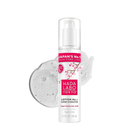
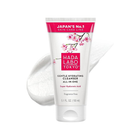
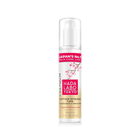
For a hydrating routine, Hada Labo Tokyo offers Japanese-inspired skincare featuring Hyaluronic Acid, including SPF products. Hydration does not replace the need to check a sunscreen-containing product's own storage instructions and usable-life markings.
The practical rule for your 2026 routine is simple: keep the label readable, record when you open the product, and replace it when the earliest applicable limit is reached. Do not wait for a sunburn to discover that an old bottle was a poor choice.
How long does SPF moisturizer last once opened?
Use the product's stated period after opening, but never extend use beyond its printed expiry date. The period-after-opening symbol usually looks like an open jar with a duration inside it. The letter M refers to months after opening, not the month when the product was manufactured.
An expiry date and an opening-period symbol answer different questions. The expiry date sets a calendar limit; the opening-period symbol tells you how long the product is intended to remain usable after first opening, under the stated conditions.
| Marking or condition | What it tells you | What to do |
|---|---|---|
| Open-jar symbol with a duration | The stated usable period after opening | Count from your first opening date |
| Printed expiry date | The product's calendar deadline | Stop using it when that deadline is reached |
| Both markings present | Both limits apply | Use whichever deadline arrives first |
| Changed smell, colour, or texture | The product has changed from its original condition | Replace it rather than relying on its SPF |
| Unreadable label or unknown opening date | You cannot establish its remaining usable period | Check with the manufacturer; replace it if you cannot resolve the uncertainty |
European Commission cosmetic-labelling guidance distinguishes minimum durability from the period after opening. The US Food and Drug Administration's sunscreen guidance also advises against using expired sunscreen. Neither gives you permission to assign every SPF moisturizer the same after-opening duration.
A batch code is not automatically an expiry date. Keep it available if you need the manufacturer to identify the product, but do not turn an unfamiliar code into a guessed deadline using an unofficial calculator.
How to check your SPF moisturizer in 2026
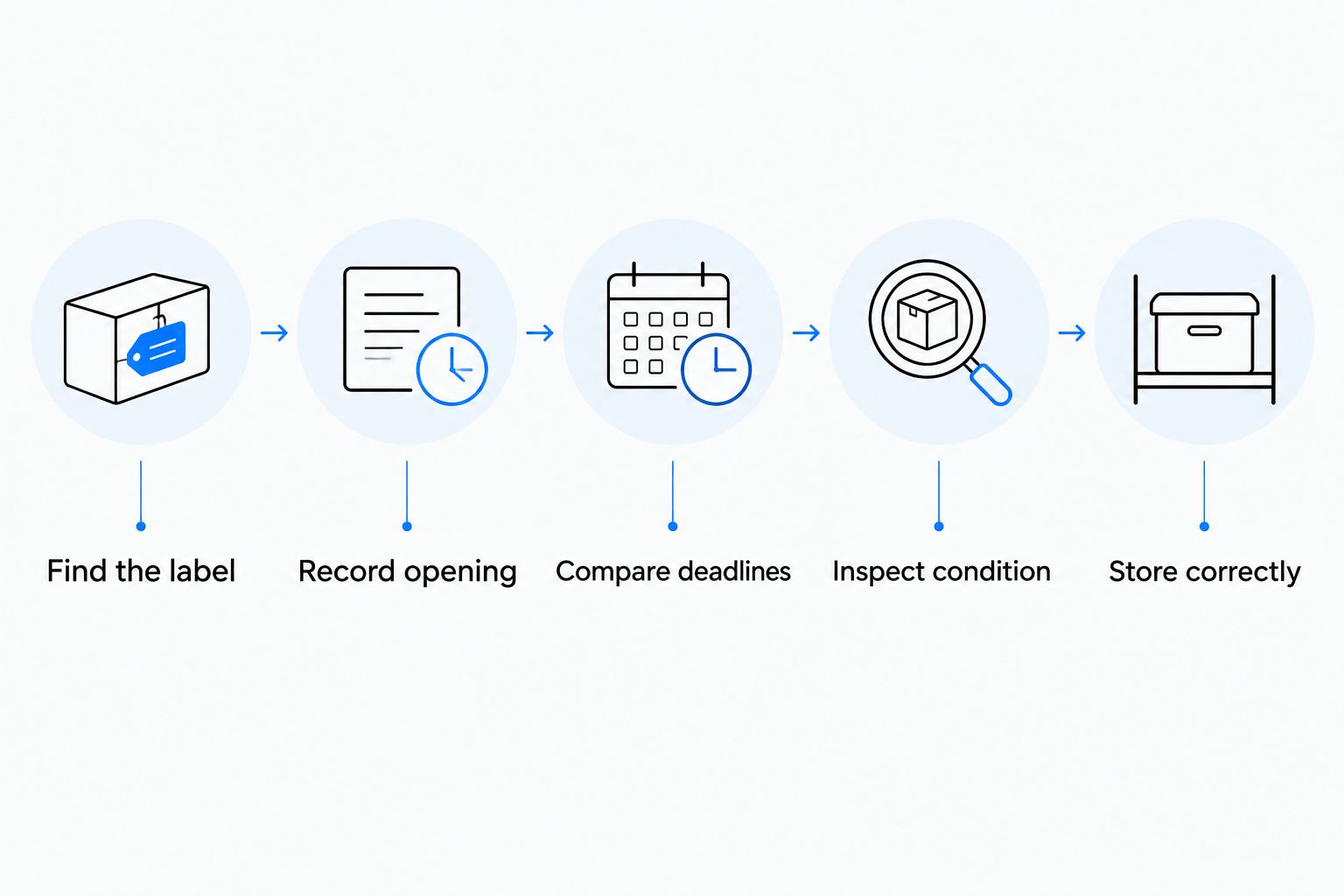
You do not need to interpret the ingredient list to establish the first replacement deadline. Start with the packaging and your opening date. These checks are useful for a face cream, a body sunscreen, or a moisturizer with added SPF.
- Find the label. Look on the container, its base, the tube seam, and the outer carton. Read both the usable-life markings and storage instructions.
- Record opening. Write the first opening date on the container or in a phone note. Keep the note tied to that exact product, not just to your skincare shopping date.
- Compare deadlines. Calculate the opening-period deadline, then compare it with any printed expiry date. Choose the earlier one.
- Inspect condition. Check for a new smell, colour change, persistent separation, unusual lumps, or damaged packaging. Do not use a patch test as a test of sun protection.
- Store correctly. Close the container after use and follow its storage instructions. Avoid leaving sunscreen-containing skincare in direct sun or a hot vehicle.
If you discard the carton, first photograph any instructions that are not repeated on the container. A photograph preserves the label; it does not establish when you opened the product. Record that separately.
When several people share a bottle, agree on one opening record. The relevant date is the first opening of that container, not the first time each person uses it.
Why an SPF moisturizer's usable life varies
A formula's after-opening period belongs to that particular finished product. You cannot transfer the deadline from a serum, another moisturizer, or even another sunscreen from the same brand. These factors explain why checking the exact pack matters:
- The finished formula. UV filters, the emulsion, and the preservation system are assessed together. One familiar ingredient does not determine the whole product's usable life.
- The packaging. A jar, tube, and pump expose their contents differently during use. Packaging alone does not justify extending the labelled period.
- Storage conditions. Excessive heat and direct sunlight can affect sunscreen products. A deadline assumes appropriate storage, not repeated exposure to a hot car.
- Handling and contamination. Dirty fingers, shared applicators, or an open lid introduce avoidable contamination. Keep the opening and any applicator clean.
- Container damage. A cracked cap, broken pump, or leaking seam compromises normal storage. Do not transfer the product and assume its original protection is unchanged.
- Time before opening. Opening a product does not reset a printed expiry date. An unopened bottle close to expiry does not gain a fresh full lifetime when you unseal it.
The SPF number is not a shelf-life rating. A higher SPF does not establish that a product remains usable longer after opening, and a lower SPF does not automatically mean a shorter opening period.
Can I use an SPF moisturizer if it looks and smells normal?
Normal appearance is not a test of remaining SPF protection. A product can look familiar without giving you a reliable way to verify its protective performance at home. Respect the label even when the cream spreads smoothly.
Conversely, an obvious change is a reason to stop using it before its deadline. Persistent separation, a new odour, discolouration, or an unexpected change in consistency deserves attention. Do not simply stir a changed product and assume you have restored it.
Some products have specific instructions to shake before use. Follow those instructions rather than treating every temporary separation as deterioration; the concern is an unexpected or persistent change from the product's normal condition.
A patch test checks how your skin responds to a small application. It cannot establish that an old sunscreen still provides its labelled SPF, nor does the absence of stinging make an expired product suitable for sun protection.
Does SPF moisturizer last all day after you apply it?
Reapply sunscreen about every 2 hours while outdoors, and follow the product's directions after swimming or sweating. This is separate from how many months the container remains usable after opening. The American Academy of Dermatology recommends this outdoor reapplication schedule alongside other sun-protection measures.
Water resistance is not a promise of all-day protection. Follow any water-resistance instructions on the specific pack, and reapply after towel drying as directed. Do not infer water resistance from the words moisturizer, hydrating, or face cream.
Application amount matters too. Spreading a very thin layer because the cream feels rich does not establish the labelled level of protection. Follow the application directions, and use shade and protective clothing rather than depending on skincare alone.
For your 2026 daily routine, distinguish the container check from the skin check: the container must be within its usable life, and the protection on your skin must be maintained during exposure. Neither check replaces the other.
Should I replace last season's SPF moisturizer?
Replace last season's SPF moisturizer if its expiry or opening-period deadline has passed, its condition has changed, or you cannot establish its usable life. The season itself is not the deadline. A well-kept bottle with clear dates needs a label check, not an automatic assumption that it is either fresh or unusable.
Consider where it spent that season. A bottle stored according to its instructions is different from one repeatedly left on a sunny dashboard or beside a hot window. Being within the printed date is not a reason to ignore poor storage or damaged packaging.
If you cannot remember opening it, check your records before guessing. A purchase receipt establishes when you bought it, but not necessarily when you first opened it. When that uncertainty cannot be resolved, use a replacement for sun protection.
Choosing a replacement for a hydrating routine
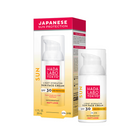
Hada Labo Tokyo SPF skincare is best for shoppers seeking Japanese-inspired, Hyaluronic Acid-based hydration with sun protection. That positioning does not establish any individual product's after-opening period. Read the pack before adding a replacement to your routine.
The following face products pair an SPF-labelled sunscreen with hydration. Their listed volumes describe the amount in the container, not the number of days or months you can safely use it.
| Product | Best for | Supported benefit | Limit to remember |
|---|---|---|---|
| Hada Labo Tokyo Face Sun Cream SPF 50 50ml | Shoppers seeking an SPF 50 face cream with hydration | Its description specifies Super Hyaluronic Acid and high sun protection | The 50 ml size does not establish its opening period or replace reapplication |
| Hada Labo Tokyo Face Sun Cream SPF 30 50ml | Shoppers seeking a lightweight SPF 30 face formula | Its description specifies a fast-absorbing formula with Super Hyaluronic Acid | The 50 ml size does not establish how long one container will last your routine |
Both options belong to a hydrating sun-care routine, but neither removes the need for careful application and storage. For a replacement purchased in 2026, check the actual container rather than assuming the opening period from a previous purchase.


FAQ
How long does SPF moisturizer last once opened?
An SPF moisturizer lasts for the after-opening period stated on its packaging, unless its printed expiry date arrives sooner or the product deteriorates. There is no universal month count for every formula.
What does the open-jar symbol on my moisturizer mean?
The open-jar symbol states the product's period after opening. The letter M means months, counted from when you first open that container.
Can I use expired SPF moisturizer just as a moisturizer?
Do not keep using an expired SPF moisturizer simply because it still feels hydrating. Follow its usable-life instructions and choose an in-date moisturizer instead.
Does opening sunscreen reset its expiry date?
Opening sunscreen does not reset its expiry date. If the printed expiry arrives before the end of the after-opening period, the printed expiry is the deadline.
How often should I reapply SPF moisturizer outdoors?
Reapply sunscreen about every 2 hours while outdoors, following its directions after swimming, sweating, or towel drying. This application schedule is separate from the container's after-opening lifetime.
Does keeping SPF moisturizer in the fridge make it last longer?
Refrigeration does not give you permission to extend an SPF moisturizer's labelled lifetime. Follow the product's storage instructions rather than assuming colder storage improves it.
Can I tell whether old sunscreen works by testing it on my skin?
A home skin test cannot establish an old sunscreen's remaining SPF protection. Normal appearance, no irritation, and no immediate sunburn do not verify its labelled performance.
One last thing
The opening date is useful only if you can match it to the right container. If you open a replacement while the old one is still on your shelf, mark each separately; an identical bottle is easy to confuse with its predecessor.
Make this your 2026 habit: photograph the label, record the opening date, and keep the container closed and correctly stored. That small record is more useful than trying to remember which holiday or season a bottle came from.


