
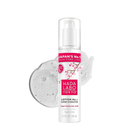


Hada Labo cleansing oil is not confirmed safe for sensitive eyes based on the product information provided here. If your eyes sting easily, do not treat a facial cleansing oil as eye-safe without checking its current directions; keep it out of your eyes and stop using it around them if irritation occurs.
- Is Hada Labo cleansing oil safe for sensitive eyes? Its eye-area suitability is unverified; check the product directions first.
- Hada Labo Tokyo cleansing oil is a facial cleansing option, not a confirmed eye-safe makeup remover.
- If cleansing causes stinging or persistent redness, stop using the product around your eyes.
Why this matters
The skin around your eyes and the surface of your eyes are not the same thing. A cleanser can feel comfortable on facial skin yet sting if it gets into your eyes. Sensitive eyes also make the distinction between removing makeup near the eyes and putting a product in the eyes especially important.
If you are considering Hada Labo Tokyo cleansing oil 195 ml, read its current label before using it on eye makeup. The information supplied for this 2026 guide does not include its ingredient list, eye-use directions or eye-safety testing. The practical answer is to avoid assuming eye-area suitability from the words “cleansing oil” alone.
Is Hada Labo cleansing oil safe for sensitive eyes?
Its safety for sensitive eyes is not established by the available product information. That is not the same as saying the oil is unsafe for everyone. It means there is no basis here for promising that it will not sting, blur vision temporarily or irritate your eyes if it reaches them. Your next step is to check the current package instructions for eye-area use and follow any warnings.
The distinction matters when you are choosing what to remove:
| Cleansing option | What the supplied information identifies | Best for | Eye-area limitation |
|---|---|---|---|
| Hada Labo Tokyo cleansing oil, 195 ml | A cleansing oil | Considering an oil-based step for facial cleansing | Eye-area directions and testing are not supplied here |
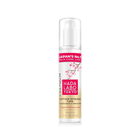
| Hada Labo Tokyo micellar water 400 ml | A make-up-removing micellar water | Considering a different makeup-removal format | Its name does not establish suitability for sensitive eyes |
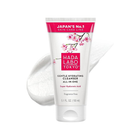
| Hada Labo Tokyo gentle hydrating cleanser 150 ml | A gentle hydrating cleanser | Considering a facial cleansing step | “Gentle” does not confirm that direct eye contact is safe |
Best for cautious shoppers: choose by the current eye-use directions, not by product category. Each option has a purpose you can identify from its name, but none of the supplied details confirms how it performs on sensitive eyes. The oil's appeal is its cleansing format; its drawback for this question is the missing eye-specific information. Micellar water is identified as a makeup remover, but that alone is not an eye-safety claim. A gentle facial cleanser can suit a face-washing routine without being intended for use in the eyes.
What should you check before using it near your eyes?
A careful 2026 routine starts with the product in your hand, not with a general claim about cleansing oils. Packaging and directions for the exact bottle take priority over advice about the category.
- Read the current directions. Look for explicit instructions about eye makeup, the eye area and avoiding eye contact. If the directions do not address your intended use, do not assume permission.
- Check the ingredient list against your own sensitivities. An ingredient that you already know causes a reaction is more useful to you than a broad “gentle” description. The ingredient list for this cleansing oil was not supplied here.
- Keep the product out of your eyes. Removing makeup from the surrounding skin is different from getting cleanser into the eye itself. Avoid pressing or rubbing your eyelids to make a product work.
- Rinse according to the product directions. Do not leave a rinse-off cleanser on the eye area because makeup takes extra effort to remove. If product gets into an eye, rinse the eye with water.
- Stop if irritation develops. Stinging, persistent redness or discomfort is a reason to discontinue use around your eyes. Seek medical advice if symptoms persist or you have a significant reaction.
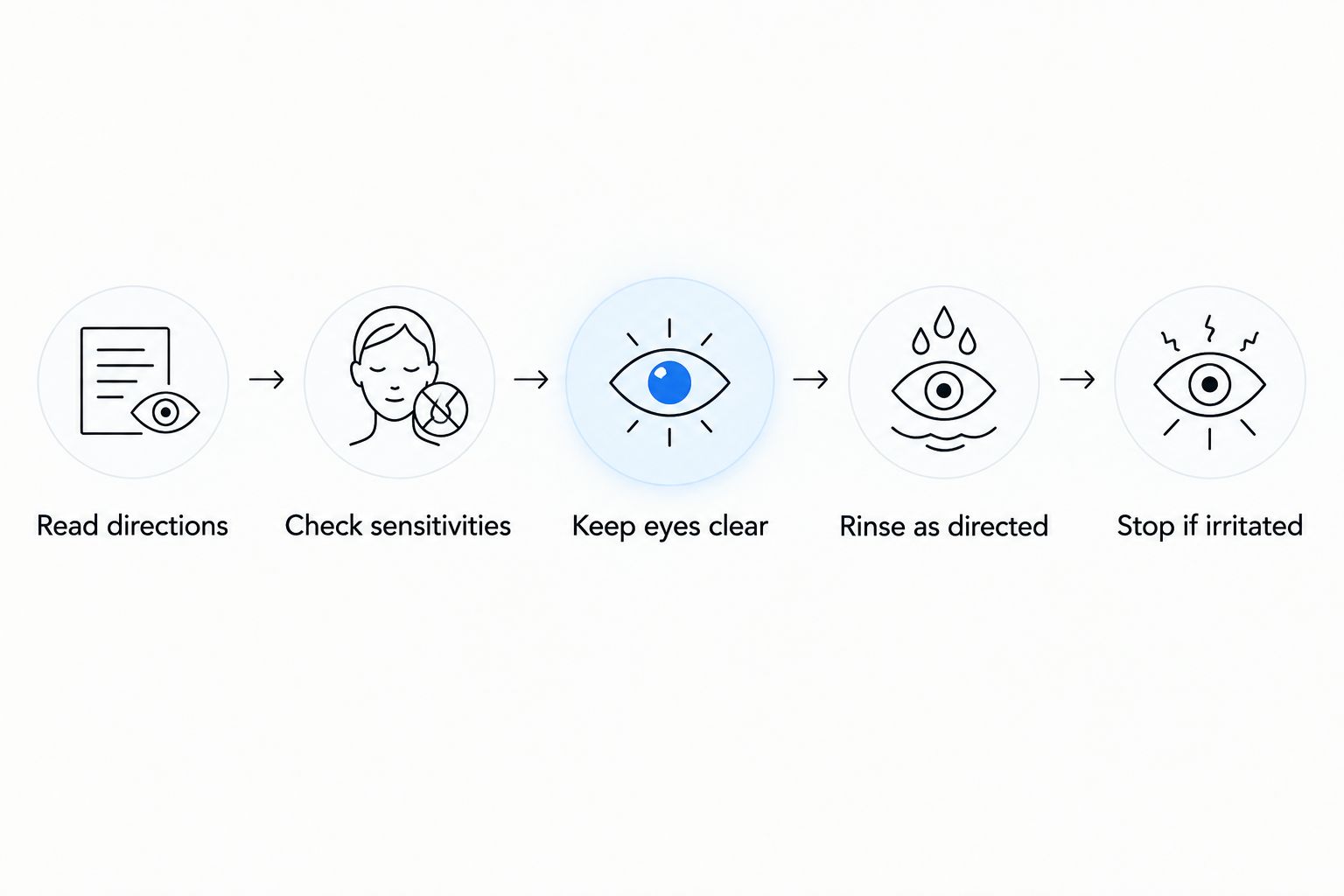
This sequence is deliberately conservative. It does not claim that Hada Labo Tokyo cleansing oil has a particular ingredient, warning or eye-use instruction. It gives you a way to make a decision once you can read the current bottle. In 2026, that distinction is more useful than a blanket yes or no applied to every pair of sensitive eyes.
Why can cleansing oil feel different around the eyes?
Several parts of a cleansing routine affect whether your eyes feel comfortable. These are reasons to pay attention to the application, not evidence that this particular oil will cause a reaction.
- Where the cleanser goes. Product on the surrounding skin is a different exposure from product that enters the eye. Keep that boundary clear when removing makeup along the lash line.
- How much you rub. Repeated wiping adds friction to delicate skin. If makeup is difficult to remove, more pressure is not proof that the cleanser is the right choice.
- Your known sensitivities. An ingredient you have reacted to before deserves attention on the current label. Someone else's comfortable experience cannot settle your own response.
- The condition of the skin. Already irritated skin gives you less reason to experiment with a new eye-area step. Prioritize comfort over finishing a routine exactly as planned.
- The directions for the specific product. An oil, a micellar water and a facial cleanser can have different intended uses. Their names do not replace instructions about eye contact or makeup removal.
For 2026, the clearest test is not whether an online review calls a cleansing oil mild. It is whether the exact product's directions support the way you intend to use it, followed by how your skin responds without exposing your eyes to the product. If either part fails, choose a different approach to removing eye makeup.
Can you use it to remove mascara or eyeliner?
Do not assume Hada Labo Tokyo cleansing oil is suitable for mascara or eyeliner until its current directions confirm eye-area use. Those products sit close to the eye, so removing them can bring a cleanser onto the lash line or into the eye. The supplied product information does not say whether this oil is intended for that job.
If the directions permit eye-area use, follow them without adding pressure or extending contact to tackle stubborn makeup. If the directions exclude eye use, or if the product stings, keep it for the uses the label permits and choose an eye-makeup remover whose own directions address your needs. The product name alone cannot settle that decision.
Is micellar water a safer choice for sensitive eyes?
Hada Labo Tokyo micellar water is identified as a make-up-removing product, but its safety for sensitive eyes is also unverified here. Switching formats does not automatically solve stinging. Read its current directions and ingredient list before using it near your eyes, especially if you have reacted to eye makeup removers before.
Micellar water and cleansing oil present different ways to approach makeup removal; neither earns an eye-safe verdict from its category name. The 400 ml size tells you how much product is in the named micellar-water listing, not how your eyes will respond. In a 2026 routine, select the product with directions that match the area you need to clean.
Should you double cleanse after using the oil?
Double cleansing is a routine choice, not an eye-safety fix. Washing your face again does not establish that the first cleanser was appropriate for your eye area. If you use an oil-based facial step and want a second facial cleanser, follow the directions for both products and keep either one out of your eyes unless its label directs otherwise.
Pay attention to what your skin needs after makeup removal. Additional rubbing or cleansing is not a substitute for a product that removes your makeup comfortably. If your skin feels irritated, adding another step can make it harder to tell which part of the routine is bothering you. Keep the routine simple while you work out what suits you.
What if the oil gets into your eye?
Rinse your eye with water if cleansing oil gets into it, and stop using the product around your eyes if it causes irritation. Do not continue applying it to check whether the stinging will disappear. If discomfort, redness or changes in vision persist, seek medical advice.
This advice is a response to accidental eye contact, not a claim about a defect in the oil. Sensitive-eye decisions should leave room for your individual reaction. A product can belong in a facial cleansing routine without belonging directly on or in your eyes.
FAQ
Is Hada Labo cleansing oil safe for sensitive eyes in 2026?
Eye safety for sensitive eyes is not confirmed by the supplied product information. Check the current package directions for eye-area use, and stop using it around your eyes if it causes irritation.
Can I use Hada Labo Tokyo cleansing oil on my eyelids?
Only use it on your eyelids if the current product directions support that use. The information available here does not include eye-area directions for the cleansing oil.
Can Hada Labo cleansing oil remove mascara?
Its suitability for removing mascara is not established by the supplied product details. Mascara sits close to the eyes, so check the oil's directions before using it for that purpose.
Is Hada Labo Tokyo micellar water better for sensitive eyes than cleansing oil?
Neither product has confirmed sensitive-eye suitability in the supplied information. Compare their current eye-use directions and your known sensitivities rather than assuming one format is safer.
What should I do if cleansing oil stings my eyes?
Stop using it around your eyes and rinse your eye with water if product has entered it. Seek medical advice if discomfort, redness or changes in vision persist.
Does a gentle facial cleanser mean it is safe in my eyes?
No; “gentle” in a product name does not confirm that direct eye contact is safe. Follow the directions for the specific cleanser and keep it out of your eyes unless instructed otherwise.
One last thing
The most useful 2026 distinction is eye-area use versus eye contact. Even a product whose directions permit use on skin near the eyes is not automatically meant to go into them. Hada Labo Tokyo cleansing oil is best considered for a facial cleansing routine until its current label answers the more specific sensitive-eye question.


