
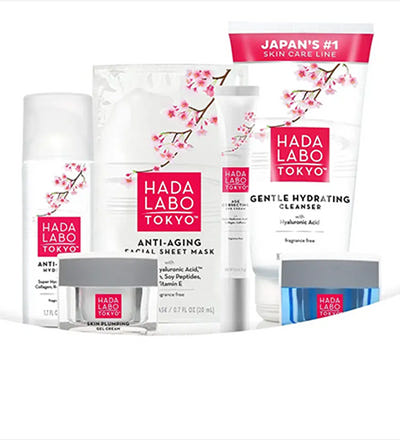


Skin that looks dewy at 10pm and feels tight by 7am is missing one step: the seal. Instead of layering products and hoping one of them holds moisture until morning, build a fixed overnight sleeping mask routine that traps hyaluronic acid under a leave-on layer designed to work while you sleep.
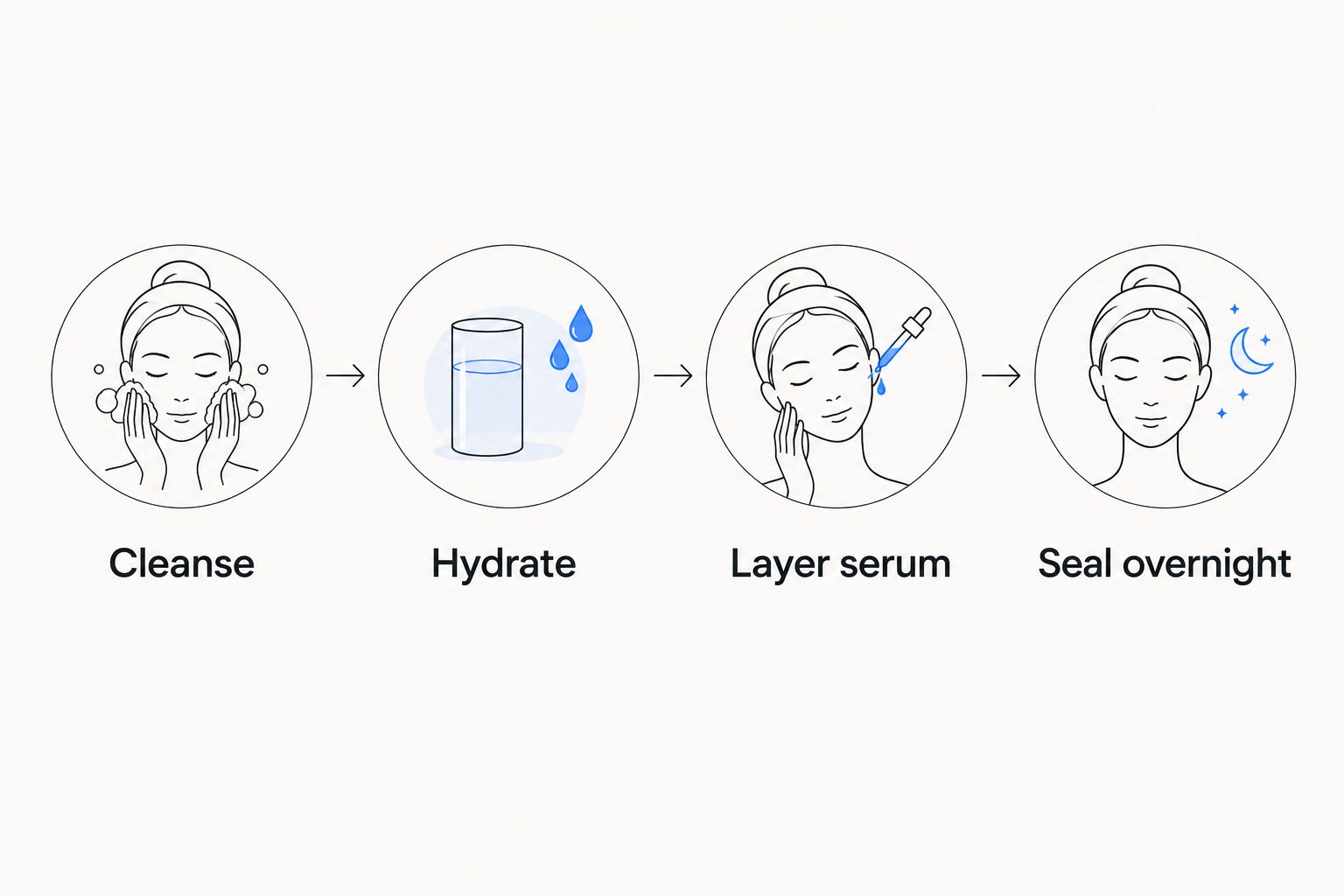
- The overnight sleeping mask routine runs in four fixed steps: cleanse, hydrate, layer serum, seal with a leave-on night mask or cream.
- Hada Labo Tokyo Special Repair Night Cream works as the sealing step - apply it last, never before serum.
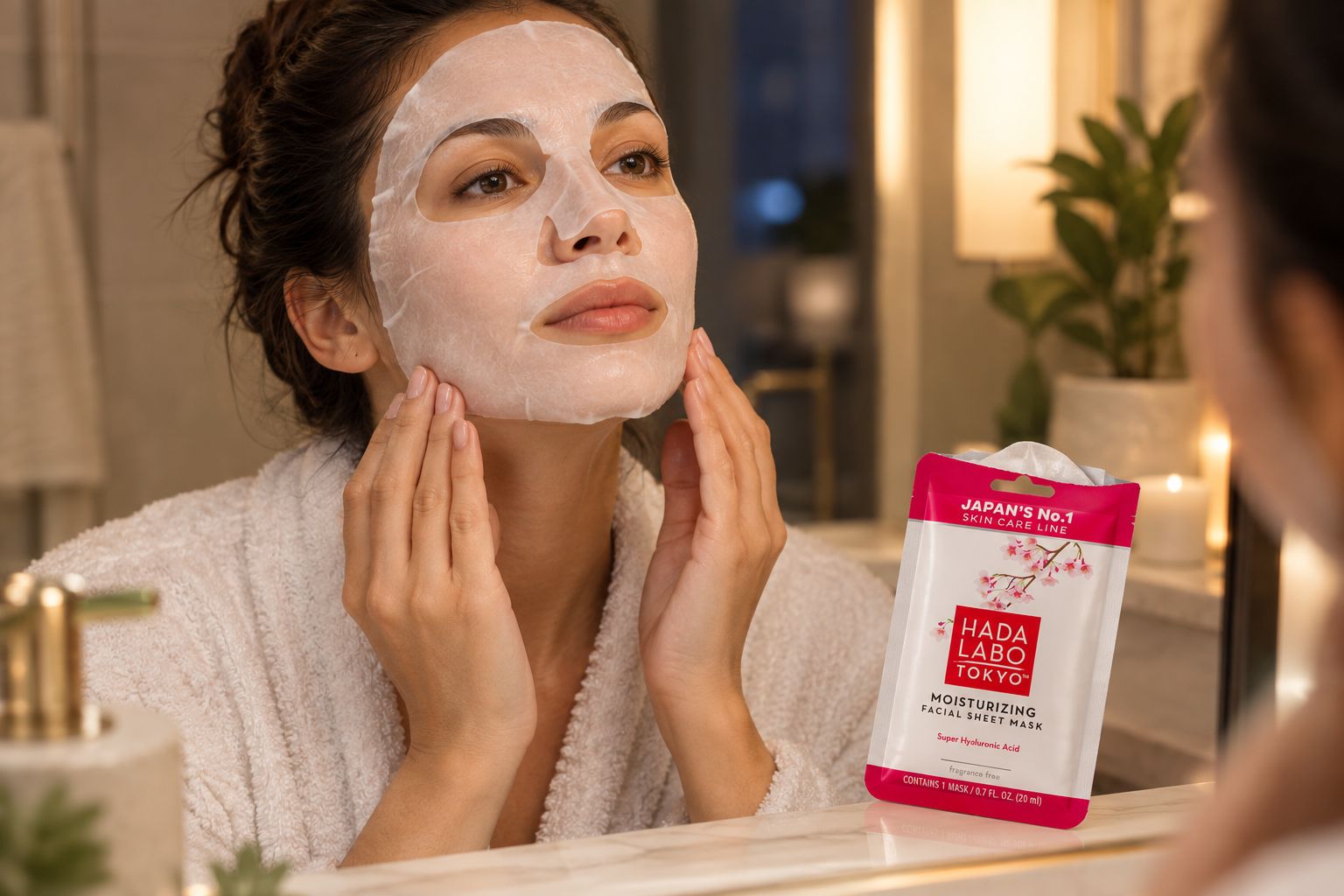
- A sheet mask like the Hada Labo Tokyo Moisturising Facial Sheet Mask is a 15-20 minute boost, not an overnight product - remove it before bed.
- Skip the seal step and the hyaluronic acid in your serum evaporates by morning instead of staying in skin.
Why this matters
Skin loses water to the air overnight through transepidermal water loss, and heated or air-conditioned bedrooms in 2026 make that worse than open windows ever did. Hyaluronic acid pulls water into the top layer of skin, but it needs something occlusive sitting on top of it to stop that water from just moving back out into dry room air. Without a seal step, the same hyaluronic acid serum that looked great at bedtime does almost nothing by the time you wake up.
Before you start
- A cleansed, makeup-free face. Leftover sunscreen or foundation blocks absorption of everything layered after it.
- The full product stack within reach - cleanser, hydrating lotion, serum, and a leave-on night cream or mask - so you're not improvising mid-routine at 11pm.
- The gotcha: a sheet mask left on past 20-30 minutes starts to dry out and pulls moisture back OUT of skin instead of in. Treat it as a timed boost step, never an overnight layer.
Set up your cleansing step
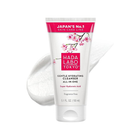
- Wash your hands, then apply the Hada Labo Tokyo Gentle Hydrating Cleanser to damp skin.
- Massage for 30-60 seconds, working the T-zone and jawline where the day's oil and sunscreen sit.
- Rinse with lukewarm water - hot water strips the barrier you're about to rebuild.
Expected result: skin feels clean, not squeaky or stripped.
Configure your hydration layer
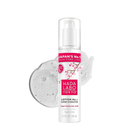
- Pat 3-4 drops of Hada Labo Tokyo Lotion No1 Super Hydrator into damp skin using your palms, not cotton pads.
- Wait 30 seconds before the next layer - stacking wet products too fast pushes product off the skin instead of into it.
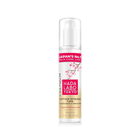
- Press 2 pumps of the Hada Labo Tokyo Concentrated Water Serum over cheeks, forehead, and chin.
Expected result: skin looks dewy and slightly tacky, not shiny with pooled product sitting on top.
Lock in with the overnight mask
- Scoop a pea-sized amount of Hada Labo Tokyo Special Repair Night Cream and warm it between your fingertips.
- Press - don't rub - it over the whole face and down to the jawline, avoiding the eye area.
- Let it sit uncovered for 2-3 minutes before your face touches a pillow.
Expected result: skin feels cushioned, not greasy - a tissue pressed to the cheek shows no product transfer.
Run the twice-weekly sheet mask boost instead
For an intensive top-up, swap the night cream step for a sheet mask twice a week - Tuesday and Friday works for most routines. Insert this variant before the lock-in step, not after it.
- Unfold the Hada Labo Tokyo Moisturising Facial Sheet Mask and smooth it onto cleansed, toned skin.
- Leave it on 15-20 minutes - set a timer, since the drying-out gotcha applies here too.
- Peel it off, pat the leftover essence into skin instead of rinsing it away, then apply Special Repair Night Cream or the Hada Labo Tokyo Premium Skin Regenerator Night Cream to seal it in.
Expected result: skin looks plumped for 24-48 hours, not just the following morning.


Troubleshooting
Product pills or rolls under your fingers. You're applying too much or layering before the previous step absorbed. Wait the full 30 seconds between lotion and serum, and use a pea-sized amount of night cream, not a scoop.
You wake up puffy around the eyes. A rich night cream applied too close to the eye area causes this. Keep face cream on the cheeks and jaw only and use a dedicated eye cream for the orbital area.
The sheet mask slides off during the night. It's not built for that. Sheet masks are a 15-20 minute step you remove before bed, not an overnight product - set a timer so you don't forget it.
Skin is still tight by morning even with the full routine done. Check the room, not the routine - dry heating or air conditioning in winter 2026 drains humidity faster than hyaluronic acid can compensate. A humidifier next to the bed fixes this more than adding another product step.
Mild stinging with an actives-heavy sheet mask. Retinol and acid-based masks aren't for a compromised barrier. Skip the boost step and stick to the base four-step routine until skin calms down.
Customize your workflow
Oily and combination skin can drop the night cream weight and finish with a lighter gel instead of a cream-based seal. Dry and mature skin benefits from adding the twice-weekly sheet mask variant every week instead of twice, since the extra hyaluronic acid layer has more ground to cover. For a deeper breakdown of which mask format fits which skin concern, the face masks for hydration guide covers formats beyond the overnight routine, including clay and jelly options for daytime use.
Neck and décolletage often get skipped in this routine entirely - if you're layering a body serum there, apply it right after the face serum step so it's absorbing during the same window instead of as an afterthought.
FAQ
What is an overnight sleeping mask routine?
It's a fixed sequence of cleanse, hydrate, serum and a leave-on seal step - usually a night cream or overnight mask - applied before bed so hyaluronic acid stays in skin through the 6-8 hour sleep window instead of evaporating.
Can I leave a sheet mask on overnight?
No. Sheet masks are built for a 15-20 minute wear window; past that they start drying out and pull moisture back out of skin instead of adding it. Remove it, then seal with a night cream.
Do I need both a serum and a night cream?
Yes - the serum delivers hyaluronic acid into skin, and the night cream or mask seals it there. Skipping the seal step means most of the serum's benefit evaporates by morning.
How often should I use a sheet mask in this routine?
Twice a week works for most skin types as a boost layered before the seal step, not as a replacement for the daily four-step routine.
Why does my skin still feel tight in the morning?
Check room humidity before adding more product - dry indoor air from heating or air conditioning drains moisture faster than a topical routine can offset, especially in winter 2026.
Is a night cream the same as a sleeping mask?
They function the same way in this routine - both act as the final occlusive seal applied last, after serum, to lock hydration in overnight.
What order should overnight skincare products go in?
Thinnest to thickest: cleanser, then hydrating lotion, then serum, then the night cream or mask as the last and richest layer.
Can oily skin do an overnight sleeping mask routine?
Yes - use a lighter gel-based seal instead of a heavy cream and keep the same cleanse-hydrate-serum-seal order.
One last thing
The order rule - thinnest product to thickest - matters more than which specific products you own, because a rich night cream applied before a watery serum just blocks the serum from ever reaching skin. Get the sequence right in 2026 and the exact cream or mask brand matters less than most routines make it sound.


