
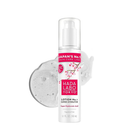
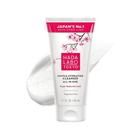
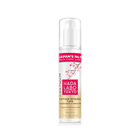
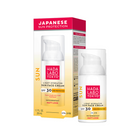
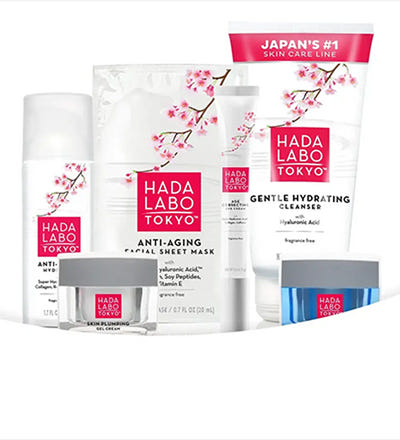


Best overall for a soothing routine: Hada Labo Tokyo Soothing Booster Serum with Niacinamide and Allantoin 30ml. Best for simplifying your actives: a niacinamide-focused serum. Best for oily skin with clogged pores: a niacinamide-and-salicylic-acid formula. This 2026 guide explains which approach fits your skin, what each leaves unresolved, and how to build a hydrating routine around it.
- Hada Labo Tokyo Soothing Booster Serum is the soothing pick for oily skin prone to redness and dehydration.
- The best niacinamide serum for oily skin fits your concerns, tolerance, and existing skincare routine.
- Choose niacinamide-focused skincare for simplicity; consider salicylic acid when clogged pores are also a concern.
- Hyaluronic Acid supports hydration but does not replace niacinamide or an acne treatment.
Why this matters
Oily skin and dehydrated skin are not opposites. You can have surface shine while your skin feels tight after cleansing. A serum chosen only to make your face feel dry misses that distinction.
Niacinamide is a form of vitamin B3 used in skincare for barrier support and improvements in uneven tone. It also has published evidence relating to facial oil production, but that does not make every niacinamide serum an oil-control treatment. The whole formula matters.
Hada Labo Tokyo Soothing Booster Serum is best for oily skin that needs a lightweight, soothing skincare step. Its stated focus is skin prone to imperfections, redness, and dehydration—not a promise to eliminate shine or cure acne.
What makes the best niacinamide serum for oily skin?
Use these criteria to choose your 2026 serum before comparing product names:
- Concern fit: Decide whether your priority is redness, dehydration, visible shine, or clogged pores. These needs are related, not interchangeable.
- Confirmed ingredients: Look for niacinamide in the ingredient list. Do not assume that “balancing,” “brightening,” or “soothing” means a product contains it.
- Comfortable texture: Choose a formula you can wear under moisturizer and sunscreen without uncomfortable residue.
- Active overlap: Check whether your moisturizer or treatment already contains niacinamide or exfoliating ingredients. Another serum is not automatically necessary.
- Skin tolerance: Judge the finished formula, not just its headline ingredient. Persistent stinging is a reason to stop, not evidence that skincare is working.
- Clear expectations: Separate hydration, soothing, exfoliation, and acne treatment. One bottle does not need to do every job.
A percentage on the front of a bottle is not a ranking system. Ingredient concentration matters, but so do the supporting ingredients, the product's instructions, and your skin's response.
Niacinamide options at a glance
The comparison below separates one named serum from two formula types. The final row is a hydration companion, not another niacinamide recommendation. This is a use-case ranking for 2026, not a claim of head-to-head laboratory performance.
| Option | Best for | Standout feature | Key limitation |
|---|---|---|---|
| Soothing Booster Serum with Niacinamide and Allantoin | Oily skin prone to redness and dehydration | Lightweight, soothing formula with named niacinamide and allantoin | Its stated benefits do not establish acne treatment or oil-control performance |
| Niacinamide-focused serum | Keeping your active routine simple | Centers your serum choice on niacinamide | The category name does not guarantee a gentle formula |
| Niacinamide-and-salicylic-acid formula | Oily skin with clogged pores | Combines niacinamide with an exfoliating ingredient | Adds exfoliation that your routine might already contain |
| Concentrated Water Serum Lock-in-Moist 30ml | Supporting hydration alongside a targeted serum | Three different types of Hyaluronic Acid | It is a hydration option, not a substitute for a confirmed niacinamide serum |
1. Soothing Booster Serum: best for redness-prone oily skin
Hada Labo Tokyo Soothing Booster Serum with Niacinamide and Allantoin 30ml is a lightweight serum formulated for skin prone to imperfections, redness, and dehydration. Its ingredient-led positioning makes it the clearest named niacinamide choice in this guide. Choose it when comfort and hydration belong alongside your oily-skin concerns.
Allantoin is used in skincare as a skin-conditioning ingredient. That supports the product's soothing direction, but it does not establish suitability for every sensitive complexion. Check the complete ingredient list against ingredients you already know your skin dislikes.
Soothing Booster Serum pros:
- Names niacinamide and allantoin rather than relying only on a general “balancing” description.
- Has a stated lightweight texture.
- Addresses redness and dehydration within its intended skin profile.
- Comes in a 30ml serum format for a dedicated routine step.
Soothing Booster Serum cons:
- Its stated positioning does not establish a reduction in oil production.
- It is not a replacement for treatment of persistent acne.
- Adding it to an existing routine still requires checking for ingredient overlap.
Best for: You have oily skin, but your main frustration includes redness, discomfort, or tightness after cleansing.
Verdict: Buy for a soothing niacinamide step; skip it as a substitute for acne treatment.
2. Niacinamide-focused serum: best for a simpler active routine
A niacinamide-focused serum makes sense when you want one targeted addition without deliberately adding exfoliation. Here, “focused” describes the role you want the product to play, not a guarantee about the ingredient list. Read the full label before choosing.
This is also a useful approach when you already use a separate acne treatment. Keeping the new serum's job narrow makes your routine easier to assess. It does not mean you need a serum if your existing moisturizer already provides a comfortable niacinamide step.
Niacinamide-focused serum pros:
- Lets you select niacinamide without deliberately combining it with an exfoliant.
- Keeps the intended role of your new product clear.
- Makes it easier to introduce one change at a time.
Niacinamide-focused serum cons:
- “Niacinamide-focused” does not guarantee freedom from fragrance or other potential irritants.
- It does not provide salicylic acid's exfoliating action unless that ingredient is also present.
- It can duplicate an ingredient already supplied by your moisturizer.
Best for: You want to simplify your 2026 skincare routine while retaining a dedicated niacinamide step.
Verdict: Buy when niacinamide has a clear role; skip an unnecessary duplicate.
3. Niacinamide with salicylic acid: best for clogged-pore concerns
A formula containing both niacinamide and salicylic acid serves a different purpose from a soothing serum alone. Salicylic acid is an exfoliating ingredient used in acne skincare, including products aimed at clogged pores. Confirm both ingredients on the label rather than assuming that an “oily skin” description includes them.
This combination is a more relevant category when blackheads and blocked pores concern you alongside shine. It also adds another active consideration. If your cleanser or leave-on treatment already contains salicylic acid, check that overlap before introducing more exfoliation.
Niacinamide-and-salicylic-acid formula pros:
- Combines two ingredient roles in one product.
- Adds exfoliation for a concern that hydration alone does not address.
- Offers a clear use case when clogged pores accompany oiliness.
Niacinamide-and-salicylic-acid formula cons:
- Salicylic acid can cause dryness or irritation.
- The combination makes it harder to isolate which ingredient caused a reaction.
- It adds needless complexity when your routine already contains sufficient exfoliation.
Best for: Your oily-skin concern includes clogged pores, and you are deliberately choosing an exfoliating step.
Verdict: Buy for the clogged-pore use case; skip when your skin is irritated or exfoliation is already covered.
Where Hyaluronic Acid fits
Niacinamide and Hyaluronic Acid are not competing versions of the same ingredient. Hyaluronic Acid is a humectant: it helps attract and retain water. A hydrating serum therefore has a different job from an exfoliating treatment.
The Concentrated Water Serum Lock-in-Moist 30ml contains three different types of Hyaluronic Acid. It is a hydration companion to consider when your skin feels tight, not a product to relabel as a niacinamide serum. Keep that distinction clear when comparing bottles.
Concentrated Water Serum pros:
- Has a defined hydration role.
- Contains three stated types of Hyaluronic Acid.
- Offers a separate option when hydration is your immediate priority.
Concentrated Water Serum cons:
- Its stated description does not establish niacinamide content.
- It does not replace an exfoliating or acne-treatment step.
- A separate hydrating serum adds another layer to your routine.
Best for: Oily skin that feels dehydrated and needs a dedicated hydration step.
Verdict: Buy for hydration; skip it as your niacinamide selection.
The Intense Hydrating Skin-Plumping Gel 50ml is another hydration option: its description identifies a lightweight cream-and-serum format with triple hyaluronic hydration. Treat it as a supporting product, not an additional niacinamide recommendation. You do not need every product shown below to build a useful routine.


How to use niacinamide without overloading oily skin
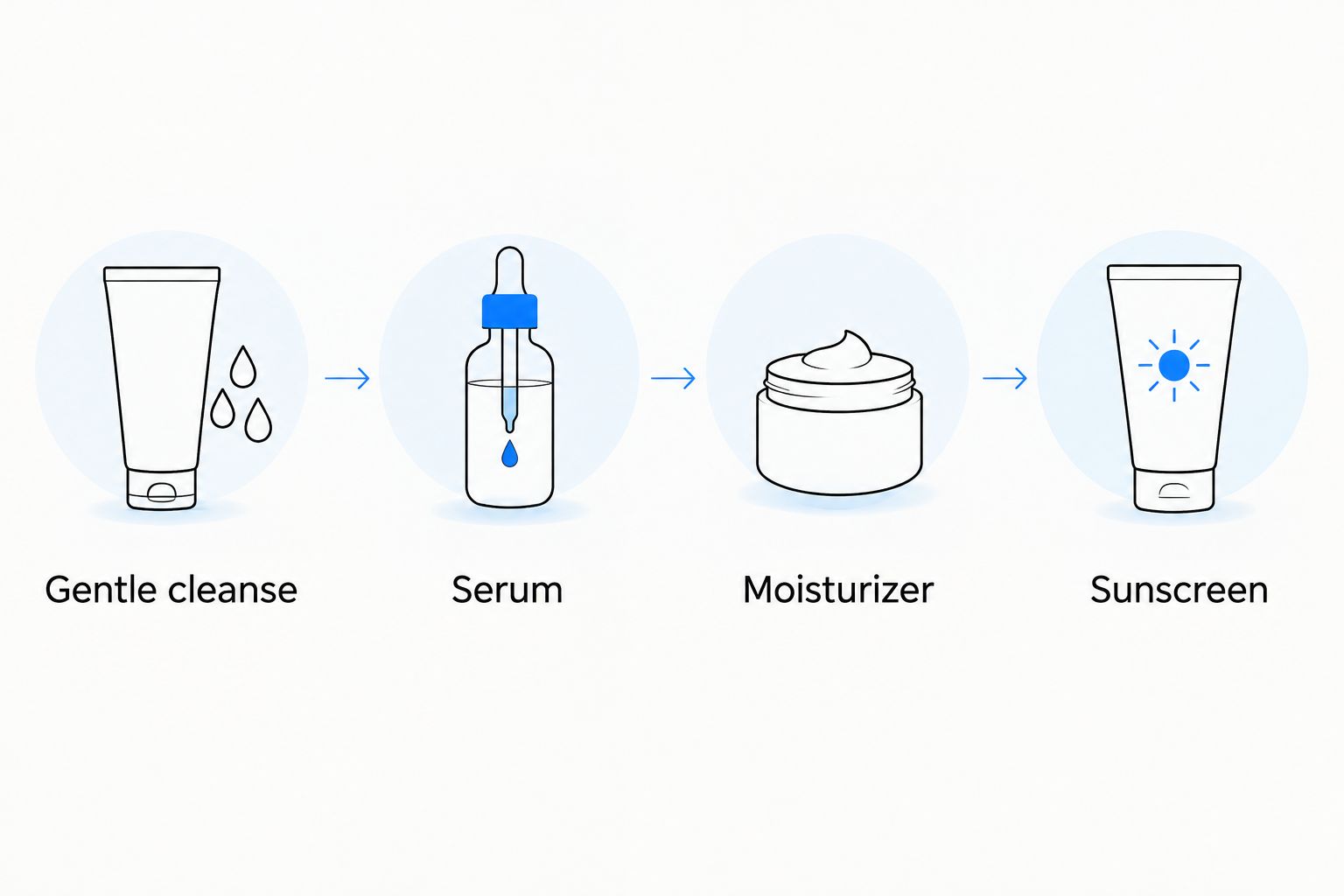
Build your 2026 routine around clear roles rather than a growing collection of active ingredients. A serum should fit between the products you already tolerate. Follow its directions, especially when using a combination formula with exfoliating ingredients.
Gentle cleanse
Cleanse without scrubbing your skin into a tight, squeaky finish. Removing surface oil is not the same as treating every reason your skin looks shiny. Use your skin's comfort after washing as one part of assessing your cleanser.
Serum
Introduce one new serum at a time. Apply it according to its instructions, and avoid changing your cleanser, moisturizer, and treatment on the same day. Keeping the rest of the routine stable helps you identify an uncomfortable reaction.
Moisturizer
Choose a moisturizer that feels comfortable with your serum. Oily skin does not automatically need a heavy cream, but skipping hydration because you see shine is not a reliable selection rule. Assess tightness and comfort as well as surface appearance.
Sunscreen
Finish your morning routine with broad-spectrum sunscreen rated SPF 30 or higher, consistent with American Academy of Dermatology sunscreen guidance. Follow the sunscreen's application and reapplication directions. Niacinamide does not replace sun protection.
If the routine feels sticky or pills under sunscreen, review the layers before adding another product. Follow each product's directions and simplify unnecessary steps. More serum is not evidence of better skincare.
Persistent burning, swelling, or a rash is a reason to stop using the new product. Seek medical advice for severe reactions or ongoing symptoms. Do not treat discomfort as a required adjustment phase.
How these options are ranked
The ranking prioritizes concern fit, confirmed ingredient roles, texture descriptions, routine overlap, and realistic expectations. The soothing serum comes first because its named ingredients and stated skin profile match a specific reader: someone with oily skin who also wants help with redness and dehydration.
The other ranked entries are formula categories, not endorsements of unnamed products. Their position reflects when each category makes sense. A clogged-pore priority changes your decision; it does not turn a soothing formula into an exfoliant.
Choose by the job your skin needs done, not by the largest percentage printed on the bottle. This 2026 guide does not assign a universal concentration target or promise that one serum will suit every oily complexion.
Which niacinamide serum should you choose?
Choose the Soothing Booster Serum as the default when oily skin also feels dehydrated or looks redness-prone. It has the clearest named-product fit for that combination of concerns. Keep your cleanser, moisturizer, and sunscreen in place while assessing the new step.
Choose a niacinamide-focused formula when simplicity is your priority. Choose a niacinamide-and-salicylic-acid formula when clogged pores justify adding exfoliation. If you have persistent, painful, or scarring acne, seek professional treatment rather than extending your serum shortlist.
For your 2026 routine, write down the concern you want to address before buying. “Less tightness after washing” and “fewer clogged pores” call for different product decisions. That single distinction prevents a hydration purchase from being judged as an acne treatment.
FAQ
What's the best niacinamide serum for oily skin that also feels dehydrated?
Hada Labo Tokyo Soothing Booster Serum with Niacinamide and Allantoin is the soothing pick in this guide. Its lightweight formula is intended for skin prone to imperfections, redness, and dehydration; that positioning does not establish acne-treatment performance.
Should I choose the highest niacinamide percentage?
No, the highest percentage is not automatically the best choice. Choose according to the finished formula, product directions, existing routine, and your skin's tolerance.
Is niacinamide better than Hyaluronic Acid for oily skin?
Neither ingredient replaces the other because they serve different roles. Niacinamide is used for barrier support and uneven-tone concerns, while Hyaluronic Acid is a humectant used for hydration.
Can I use niacinamide and Hyaluronic Acid together?
Yes, niacinamide and Hyaluronic Acid can be used in the same skincare routine. Follow the product directions and avoid adding a separate hydrating serum if your existing products already meet that need.
Should I choose niacinamide or salicylic acid for blackheads?
Salicylic acid is the more directly relevant ingredient for clogged-pore exfoliation. Niacinamide has a different role, so choose a combination formula only when the extra exfoliation fits your routine.
Do I still need moisturizer if my skin is oily?
Oily skin can still need moisturizer, particularly when it feels tight or dehydrated. Choose a comfortable texture rather than assuming that visible shine means hydration is unnecessary.
Can I use a niacinamide serum every day?
Use a niacinamide serum at the frequency stated in its directions and supported by your skin's tolerance. A combination serum containing exfoliating ingredients needs to be assessed as a whole formula, not as niacinamide alone.
One last thing
A shiny face and a tight-feeling face can be the same face. Before changing serums, notice whether your skin feels comfortable after cleansing and moisturizing. That observation helps you distinguish a hydration need from a clogged-pore concern without buying another bottle first.


