
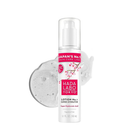
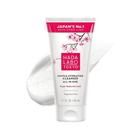
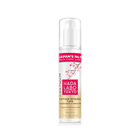
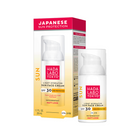
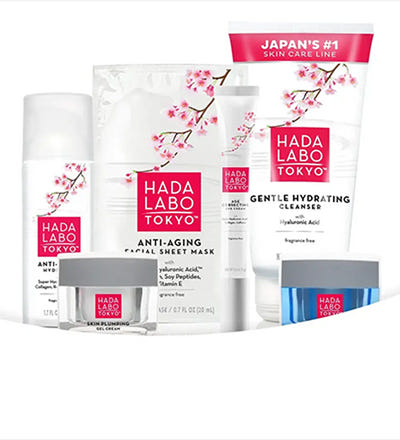


Best overall in this shortlist: Hada Labo Tokyo Face Sun Cream SPF 50 for hydration with higher labelled protection. Best for a lightweight-texture priority: Lightweight Protective Cream SPF 50. Best for a fast-absorbing formula: Face Sun Cream SPF 30. This 2026 guide compares their stated features and explains how to choose without confusing hydration with oil control.
- The best SPF moisturizer for oily skin combines adequate sun protection with a finish you can wear comfortably.
- Hada Labo Tokyo Face Sun Cream SPF 50 leads this shortlist for hydration with higher labelled protection.
- Face Sun Cream SPF 30 has an explicitly described lightweight, fast-absorbing formula.
- Lightweight Protective Cream SPF 50 is the texture-led shortlist option; lightweight does not automatically mean matte.
- Choose broad-spectrum protection and follow application instructions; reducing your sunscreen amount is not a shine-control strategy.
Why this matters
Oily skin still needs hydration. Sebum is oil; hydration concerns water in the skin, so a shiny forehead does not automatically mean your skin feels comfortable or adequately moisturized.
The challenge is finding sun protection you can apply properly without feeling overloaded. A pleasant finish matters because sunscreen only helps when you wear it as directed, rather than spreading a tiny amount to avoid shine.
Hada Labo Tokyo Face Sun Cream SPF 50 is the best starting point here for oily-skin shoppers prioritizing hydration alongside SPF 50. That is a hydration-led recommendation, not a claim that the formula controls sebum or guarantees a matte finish.
What makes the best SPF moisturizer for oily skin?
Use these criteria to judge an SPF moisturizer in 2026. They separate useful product information from assumptions based on packaging or product names.
- Sun-protection labelling: Look for SPF 30 or higher and broad-spectrum UVA/UVB protection on the current packaging. An SPF number alone does not describe every aspect of protection.
- Comfort at the proper amount: Choose a texture you can spread evenly without deliberately underapplying. A formula that feels pleasant only in a tiny dab is not a practical fit.
- Hydration without unnecessary layers: A moisturizing sunscreen can simplify your morning routine when it leaves your skin comfortable without another cream underneath.
- Finish on your skin: Lightweight, fast-absorbing and matte describe different things. Assess shine after the product settles rather than treating those words as interchangeable.
- Individual tolerance: Check the complete ingredient list against known sensitivities. Neither hyaluronic acid nor a lightweight description guarantees that the whole formula suits acne-prone skin.
- Fit with your day: Swimming, sweating and makeup change what you need from sunscreen. Check water-resistance instructions and whether you can realistically reapply it.
Best SPF moisturizers at a glance
These are three facial SPF options, not three interchangeable promises of oil control. The table keeps their distinct reasons for consideration separate.
| Item | Best for | Stated standout feature | Key limitation |
|---|---|---|---|
| Face Sun Cream SPF 50 | Hydration with higher labelled protection | SPF 50 with Super Hyaluronic Acid | Hydration is not the same as a matte finish |
| Lightweight Protective Cream SPF 50 | Shoppers prioritizing a lightweight cream | Lightweight positioning with SPF 50 | The name alone does not establish oil control or makeup performance |
| Face Sun Cream SPF 30 | Shoppers seeking explicitly described fast absorption | Lightweight, fast-absorbing formula with Super Hyaluronic Acid | Lower labelled SPF than the two SPF 50 options |
A higher SPF does not remove the need for sufficient application or reapplication. Before choosing any option, confirm its current broad-spectrum labelling and directions.
1. Hada Labo Tokyo Face Sun Cream SPF 50: best for hydration
Face Sun Cream SPF 50 combines SPF 50 with Super Hyaluronic Acid and is described as delivering intense hydration. It is the clearest starting point in this shortlist when you want moisturizing benefits and the higher labelled SPF together.
For oily skin, the useful question is whether that hydration lets you simplify the layers underneath. Do not assume that a hydrating sun cream needs a separate moisturizer every morning; judge the combination by comfort and the product directions.
Face Sun Cream SPF 50 pros:
- Combines moisturizing benefits and sun protection in one facial product.
- Includes Super Hyaluronic Acid in its stated description.
- Offers the higher labelled SPF level in this comparison.
Face Sun Cream SPF 50 cons:
- A hydration claim does not establish a shine-free finish.
- SPF 50 does not establish suitability for swimming or heavy sweating; check the water-resistance label.
Best for: Oily skin that also feels tight or dehydrated, where hydration is a priority rather than an unwanted extra.
Verdict: Buy for a hydration-led SPF 50 routine, after checking the current label and ingredients. Choose a different finish if wearing the directed amount feels uncomfortable; do not solve that problem by applying less.
2. Hada Labo Tokyo Lightweight Protective Cream SPF 50: best for a texture-led shortlist
Lightweight Protective Cream SPF 50 places texture and protection in its product name. That makes it a relevant candidate when heavy-feeling creams are your main obstacle to daily sunscreen use.
Keep that recommendation narrow. Lightweight positioning is a reason to investigate the formula, not evidence that it absorbs instantly, prevents breakouts or stays matte throughout the day.
Lightweight Protective Cream SPF 50 pros:
- Explicitly positioned as a lightweight cream.
- Carries an SPF 50 designation.
- Gives texture-conscious shoppers another facial cream to compare.
Lightweight Protective Cream SPF 50 cons:
- Lightweight does not necessarily mean oil-free or non-comedogenic.
- The name does not establish how it behaves under foundation or during reapplication.
Best for: Shoppers who specifically want a lightweight cream format with SPF 50 and are prepared to assess the finish on their own skin.
For your 2026 shortlist, compare this cream at the amount specified on its packaging. A quick test using a trace of product does not tell you how a complete sunscreen layer feels.
Verdict: Hold until you have checked the full formula and directions; shortlist it for texture, not assumed oil control.
3. Hada Labo Tokyo Face Sun Cream SPF 30: best for fast absorption
Face Sun Cream SPF 30 is described as lightweight and fast-absorbing, with Super Hyaluronic Acid for hydration. Those stated texture features make it relevant if you dislike a lingering heavy feeling after your morning skincare.
Its SPF 30 designation meets the American Academy of Dermatology's general minimum SPF recommendation when combined with broad-spectrum protection and appropriate use. Check that broad-spectrum protection on the current packaging rather than inferring it from the SPF number.
Face Sun Cream SPF 30 pros:
- Explicitly described as lightweight.
- Explicitly described as fast-absorbing.
- Combines facial sun protection with hydrating Super Hyaluronic Acid.
Face Sun Cream SPF 30 cons:
- Has a lower labelled SPF than the SPF 50 options here.
- Fast absorption does not establish a matte finish or resistance to pilling under makeup.
Best for: Shoppers whose main preference is a stated lightweight, fast-absorbing formula rather than the highest SPF in this shortlist.
Do not treat SPF 30 as a lighter texture category. SPF measures protection against sunburn-producing ultraviolet radiation under test conditions; it does not measure greasiness.
Verdict: Buy if fast absorption is your priority and the current label meets your protection needs. Keep the SPF 50 options ahead of it when higher labelled protection is your deciding factor.
How this shortlist is ranked
This 2026 ranking uses stated product features: SPF level, hydration information and texture descriptions. Face Sun Cream SPF 50 leads for hydration with higher labelled protection; Lightweight Protective Cream SPF 50 occupies the texture-led slot; Face Sun Cream SPF 30 earns its place through an explicit fast-absorption description.
The ranking does not claim comparative wear testing, measured oil reduction or acne-treatment benefits. A product can be a sensible candidate for oily skin without being proven to control oil.
Build a morning routine that does not feel overloaded
Start with fewer layers, then add hydration only where your skin needs it. This helps you distinguish the sunscreen's finish from the combined feel of several products.
Cleanse gently
Use a gentle cleansing approach that removes excess surface oil without leaving your face feeling stripped. Scrubbing harder is not a substitute for finding a comfortable sunscreen.
Hydrate selectively
If your sunscreen alone leaves your skin comfortable, another moisturizer is not automatically necessary. If your cheeks feel tight, use a suitable moisturizer where needed rather than adding several rich layers everywhere.
Apply sunscreen
Apply sunscreen as the final skincare step before makeup, following its directions. Keep it separate from serum and foundation; mixing products together makes the sunscreen application harder to control.
Add makeup
Let the sunscreen settle according to its directions before applying makeup. If products roll into small flakes, simplify the layers underneath and change one part of the routine at a time.
Apply enough, then plan your reapplication
The American Academy of Dermatology's general public guidance recommends broad-spectrum, water-resistant SPF 30 or higher, applied before going outdoors. Its guidance also recommends applying sunscreen about 15 minutes before sun exposure and reapplying approximately every 2 hours outdoors, plus after swimming or sweating as directed.
Use those principles for your 2026 routine, while following the specific product label. Water resistance is a separate property: do not assume that a facial SPF is suitable for swimming because it has a high SPF number.
- Cover exposed areas, including your ears and neck, according to the product's intended use.
- Use shade, protective clothing and a hat alongside sunscreen.
- Plan outdoor reapplication before applying a full face of makeup.
- Do not interpret shine as proof that sunscreen has stopped working, or a matte finish as proof that protection remains adequate.
If reapplication feels too heavy, revisit the moisturizer and makeup layers underneath. Applying less sunscreen trades away the purpose of the product.
Which SPF moisturizer should you choose?
Choose Face Sun Cream SPF 50 as the default hydration-led option. It combines the higher labelled SPF in this shortlist with explicitly stated moisturizing benefits.
Choose Lightweight Protective Cream SPF 50 when lightweight positioning is your main selection criterion, subject to checking its formula. Choose Face Sun Cream SPF 30 when its stated fast absorption matters most to you.
For persistent acne, painful irritation or repeated reactions to sunscreen, ask a dermatologist for individual advice. Changing SPF numbers alone does not identify the ingredient or skin condition responsible.
FAQ
What's the best SPF moisturizer for oily skin in 2026?
Hada Labo Tokyo Face Sun Cream SPF 50 is the hydration-led first choice in this shortlist. Its stated features combine SPF 50 and Super Hyaluronic Acid, but they do not establish a matte or oil-controlling finish.
Does oily skin still need moisturizer under sunscreen?
Oily skin does not always need a separate moisturizer underneath a moisturizing sunscreen. Use an additional moisturizer when your skin needs it for comfort, rather than adding a layer automatically.
Is SPF 50 better than SPF 30 for oily skin?
SPF 50 offers higher labelled sunburn protection, but it does not tell you whether a formula suits oily skin better. Compare texture, tolerance, broad-spectrum labelling and application instructions separately.
Does hyaluronic acid make oily skin oilier?
Hyaluronic acid is a humectant, not an oil. The complete formula determines how a product feels on your skin, so the ingredient alone cannot predict shine or breakouts.
Can I mix my SPF moisturizer with foundation?
Apply SPF moisturizer and foundation as separate layers rather than mixing them. Follow the sunscreen directions, let it settle and then apply makeup without deliberately reducing the sunscreen amount.
How often should I reapply SPF moisturizer outdoors?
Reapply sunscreen approximately every 2 hours outdoors and after swimming or sweating according to its label. A morning application does not provide dependable all-day protection.
Does lightweight sunscreen mean it won't clog pores?
Lightweight describes texture, not a guarantee against clogged pores. Check the full formula, any non-comedogenic labelling and your individual response.
One last thing
Oil control and sun protection are different jobs. The best improvement to an uncomfortable morning routine is often removing an unnecessary layer underneath sunscreen, not hunting for a stronger SPF number or applying a thinner sunscreen layer.
Keep the sunscreen amount consistent with its directions while you adjust the rest. That makes your next comparison useful: you are judging comfort without sacrificing the protection you wanted.


