
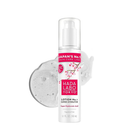
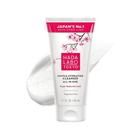
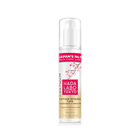
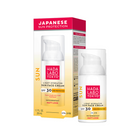
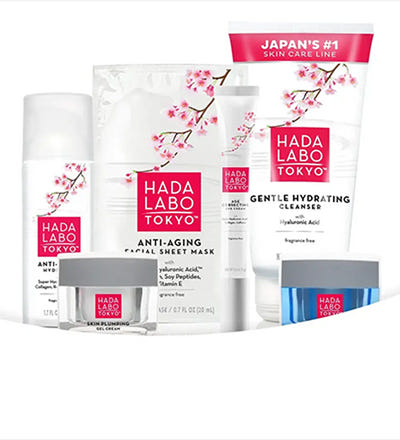


Best match for a tranexamic acid and vitamin C routine: Hada Labo Tokyo Booster Serum for Even Skin Tone with Tranexamic Acid and Vitamin C 30ml. For your 2026 shortlist, it is the only serum compared here explicitly identified as containing tranexamic acid; the other picks support soothing or hydration rather than replace a targeted dark-spot serum.
- Hada Labo Tokyo Brightening Booster Serum is the best tranexamic acid serum for dark spots among these three options.
- Choose the tranexamic acid and vitamin C formula for a targeted uneven-tone step.
- Choose the niacinamide and allantoin serum for soothing support, not as a confirmed tranexamic acid alternative.
- Hyaluronic acid supports hydration; daily sun protection remains essential when addressing hyperpigmentation.
Why this matters
Dark spots, dryness and dullness are different concerns. A hydrating serum can make skin look smoother without specifically treating excess pigmentation, while a targeted brightening formula has a different role in your routine.
Hada Labo Tokyo Brightening Booster Serum is the best fit here for shoppers who specifically want tranexamic acid with vitamin C. That is an ingredient-match verdict, not a claim that it outperforms every serum on the market. This guide separates the targeted option from supporting products so you can choose without buying several serums that serve overlapping purposes.
What makes the best tranexamic acid serum for dark spots?
Use these criteria to assess a dark-spot serum in 2026:
- Confirmed ingredient identity: Look for tranexamic acid in the ingredient list. A brightening name alone does not establish that a serum contains it.
- Relevant supporting ingredients: Vitamin C and niacinamide have established roles in uneven-tone skincare, but their presence does not make different formulas interchangeable.
- Formula transparency: Concentrations, ingredient forms and usage instructions help you judge suitability. Do not infer percentages from product names.
- Skin comfort: A routine that causes persistent burning, redness or peeling needs adjustment, not more active ingredients.
- A clear routine role: Decide whether you need targeted pigmentation care, soothing support or hydration before adding another bottle.
- Sun-protection compatibility: Your serum needs to fit alongside daily sunscreen, rather than replace it.
The best choice is the formula that addresses your priority and remains comfortable enough to use as directed. More ingredients do not automatically mean better results.
The shortlist at a glance
Only the first entry below is confirmed as a tranexamic acid serum. The remaining entries are supporting options, included to distinguish dark-spot treatment from hydration and soothing care.
| Serum | Best for | Standout feature | Key limitation |
|---|---|---|---|
| Hada Labo Tokyo Booster Serum for Even Skin Tone with Tranexamic Acid and Vitamin C 30ml | A targeted uneven-tone step | Tranexamic acid combined with vitamin C | Concentrations and the vitamin C form are not established here |
| Hada Labo Tokyo Soothing Booster Serum with Niacinamide and Allantoin 30ml | Soothing support when redness and dehydration are priorities | Niacinamide and allantoin in a lightweight serum | Not identified as a tranexamic acid serum |
| Hada Labo Tokyo Concentrated Water Serum Lock-in-Moist 30ml | A dedicated hydration step | Three different types of hyaluronic acid | Hydration is not a substitute for targeted pigmentation care |
There is no budget winner in this ranking. Choose by the job you need the serum to perform, rather than treating a supporting hydrator as an equivalent dark-spot treatment.
1. Brightening Booster Serum: best for targeted uneven-tone care
The Booster Serum for Even Skin Tone with Tranexamic Acid and Vitamin C 30ml combines the two ingredients named in its title. Its product description identifies it as a brightening and revitalizing facial serum.
This is the most direct match for someone searching for the best tranexamic acid serum for dark spots. Unlike the supporting options below, it explicitly supplies the ingredient you are looking for.
Brightening Booster Serum pros:
- Contains tranexamic acid, rather than relying on a general brightening label.
- Includes vitamin C in the same formula.
- Has an explicitly stated even-skin-tone purpose.
- Comes in a 30 ml format.
Brightening Booster Serum cons:
- The ingredient concentrations are not established in the product information provided here.
- The vitamin C form is not specified here, so comparisons with other vitamin C formulas are limited.
- No product-specific dark-spot improvement timeline or comparative trial result is established here.
Best for: You want one targeted serum containing both tranexamic acid and vitamin C, without assembling that combination from separate products.
Before introducing the serum, check the current ingredient list and directions. If you already use another brightening treatment, review the overlap rather than automatically layering both. Combining several new products makes it harder to identify the cause of irritation.
Verdict: Buy for a targeted tranexamic acid and vitamin C step; do not buy expecting a guaranteed fading deadline.
2. Soothing Booster Serum: best for redness and dehydration support
The Soothing Booster Serum with Niacinamide and Allantoin 30ml is described as lightweight and formulated for skin prone to imperfections, redness and dehydration. Its role in this comparison is supporting skin comfort, not standing in as another confirmed tranexamic acid formula.
Niacinamide is used in skincare for barrier support and uneven tone. That category knowledge does not establish a measured dark-spot result for this particular serum.
Soothing Booster Serum pros:
- Names niacinamide and allantoin as ingredients.
- Has a lightweight texture according to its product description.
- Addresses redness and dehydration as stated product concerns.
Soothing Booster Serum cons:
- Tranexamic acid is not identified in its supplied product information.
- Its niacinamide concentration is not established here.
- Its soothing positioning does not guarantee that every sensitive skin type will tolerate it.
Best for: Redness and dehydration are your immediate priorities, and you want a soothing serum rather than another targeted brightening step.
If your current routine leaves your skin persistently uncomfortable, address that problem before adding more pigmentation products. Irritation can contribute to post-inflammatory hyperpigmentation, so pushing through burning is not a useful dark-spot strategy.
Verdict: Buy for soothing support; skip it as a substitute for a specifically requested tranexamic acid serum.
3. Concentrated Water Serum: best for dedicated hydration
The Concentrated Water Serum Lock-in-Moist 30ml contains three different types of hyaluronic acid, according to its product description. It is a hydration-focused option for a routine that already has a separate pigmentation step.
Hyaluronic acid acts as a humectant, helping skin retain water. That makes it useful for hydration, but it does not give a hydrating serum the same purpose as a tranexamic acid serum.
Concentrated Water Serum pros:
- Has an explicit hydration focus.
- Contains three different types of hyaluronic acid.
- Provides a separate option when hydration, rather than another brightening ingredient, is your priority.
Concentrated Water Serum cons:
- Tranexamic acid is not identified in its supplied product information.
- Hydration alone does not address every cause of dark spots.
- A separate serum adds a step that is unnecessary if your existing moisturizer already meets your hydration needs.
Best for: You have chosen a targeted dark-spot treatment and still need additional hydration.
Do not buy a hydrating serum simply because you assume every treatment routine needs one. Start with how your skin feels and what your current moisturizer provides; add a dedicated hydrator only when it fills a clear gap.
Verdict: Buy for a hydration gap; skip it as your sole targeted dark-spot product.
How this shortlist is ranked
This 2026 ranking prioritizes confirmed tranexamic acid content, relevance to uneven tone, clearly stated supporting ingredients and an identifiable routine role. It does not rank products by unsupported claims about speed, strength or clinical performance.
The Brightening Booster Serum ranks first because its stated ingredients directly match the query. The soothing and hydrating serums occupy separate supporting slots, not second and third place in an efficacy contest between tranexamic acid formulas.
Ingredient fit establishes relevance; it does not prove comparative performance. A percentage, a product name or an ingredient pairing cannot establish which finished formula will work best for every person.
How to build a dark-spot routine without overcomplicating it
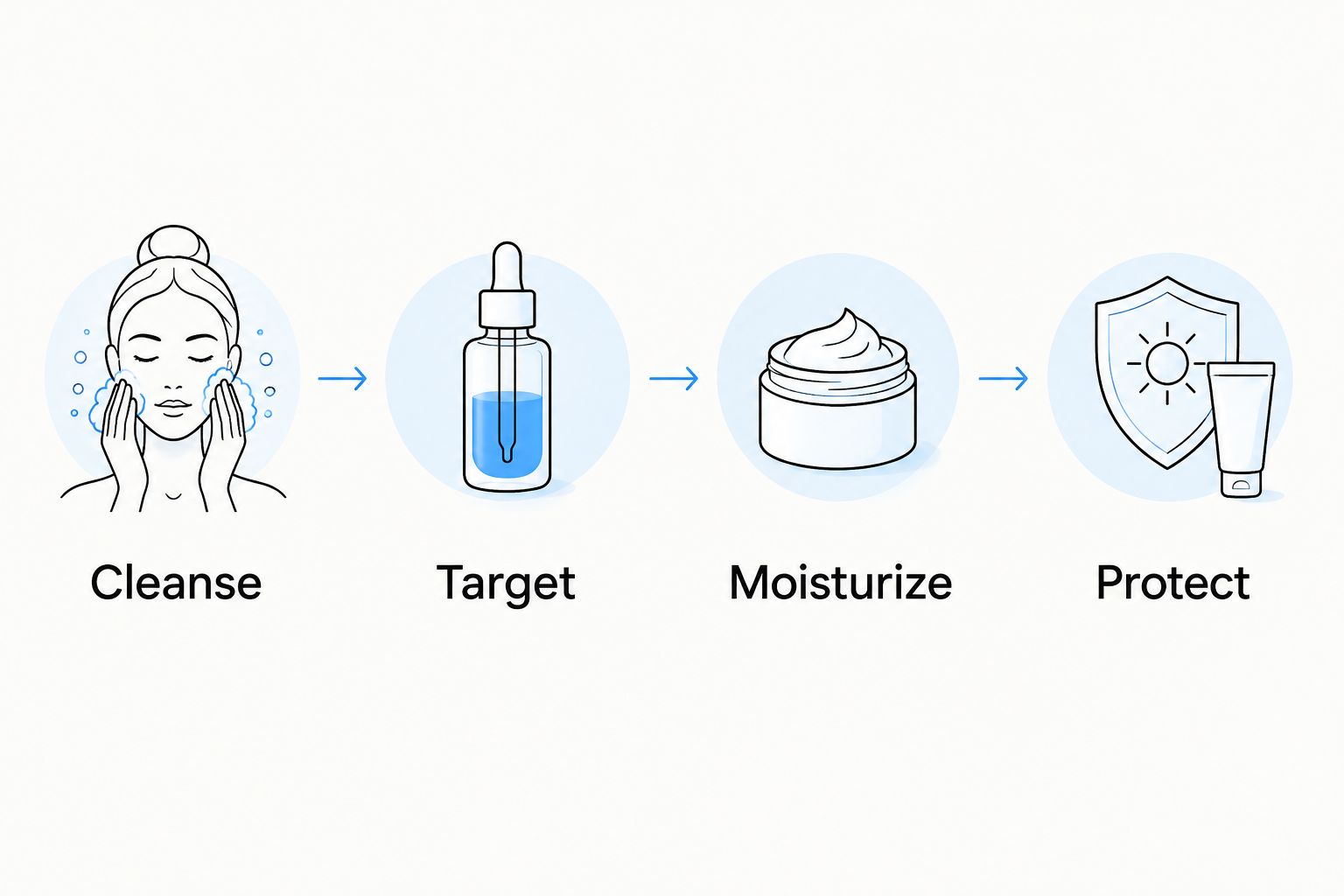
Give each product a distinct job. A simple structure makes it easier to follow directions and recognize when a new addition causes discomfort.
- Cleanse: Remove makeup, sunscreen and daily buildup without aggressive scrubbing.
- Target: Apply your chosen dark-spot serum according to its directions.
- Moisturize: Use a moisturizer that keeps your skin comfortable; add a hydrating serum only if needed.
- Protect: Finish your morning routine with suitable broad-spectrum sun protection.
For your 2026 routine, follow the serum's own application frequency rather than borrowing instructions from another product. Patch-test a new formula and introduce products separately so you can identify reactions.
Daily sunscreen remains essential. Dermatology guidance recommends broad-spectrum SPF 30 or higher; when outdoors, reapply about every 2 hours and after swimming or sweating, following the label. Sunscreen helps prevent further UV-related pigmentation, but it does not erase existing marks overnight.
If you have melasma, ask a dermatologist about visible-light protection, including tinted sunscreen containing iron oxides. Melasma needs a more specific plan than simply choosing the strongest-sounding serum.
Set realistic expectations before you start
A dark-spot routine should begin with the right question: what caused the mark? Post-acne pigmentation, sun-related spots and melasma do not have identical treatment needs.
Do not apply a cosmetic fading treatment to an unexplained lesion and assume it is ordinary pigmentation. A new, changing, bleeding or otherwise unusual spot needs medical assessment.
For cosmetic marks, take baseline photographs in consistent lighting and compare the same areas over time. Avoid judging progress immediately after moisturizing, when improved surface hydration can change how skin reflects light without demonstrating pigment reduction.
In 2026, be cautious of product rankings that promise a universal deadline. This shortlist does not establish how quickly the Brightening Booster Serum will change your particular marks, and no serum can guarantee permanent protection against new pigmentation.
Which serum should you choose?
Choose the Brightening Booster Serum if tranexamic acid is your non-negotiable ingredient. Its combination with vitamin C makes it the direct match in this comparison.
Choose the Soothing Booster Serum when redness and dehydration take priority. Choose the Concentrated Water Serum when you need hydration alongside an already selected treatment. Neither supporting choice should be relabelled as a tranexamic acid serum.
You do not need all three. Start with the product that fills your clearest routine gap, keep sun protection consistent and reassess before adding another active.
FAQ
What's the best tranexamic acid serum for dark spots in this comparison?
Hada Labo Tokyo Booster Serum for Even Skin Tone with Tranexamic Acid and Vitamin C 30ml is the best ingredient match in this comparison. It is the only listed option explicitly identified as containing tranexamic acid; that does not establish superiority over every serum on the market.
Is tranexamic acid better than hyaluronic acid for dark spots?
Tranexamic acid is more directly relevant to pigmentation care, while hyaluronic acid primarily supports hydration. A hydrating serum can support your routine without replacing a targeted dark-spot treatment.
Can I use tranexamic acid and vitamin C together?
Yes, tranexamic acid and vitamin C can be formulated together, as they are in the Brightening Booster Serum. Follow the finished product's directions rather than assuming separate formulas should be combined in the same way.
Does a higher tranexamic acid percentage guarantee better results?
No, a higher percentage alone does not guarantee better results. The finished formula, tolerability, consistency of use and cause of pigmentation all matter; the concentration of the featured serum is not established here.
Should I use a tranexamic acid serum every day?
Use a tranexamic acid serum at the frequency stated on its label. Introduce it cautiously and stop using it if you develop persistent irritation rather than forcing daily application.
Do I still need sunscreen when using a dark-spot serum?
Yes, a dark-spot serum does not replace sunscreen. Use broad-spectrum SPF 30 or higher and follow reapplication directions, especially during outdoor exposure.
Will tranexamic acid remove dark spots permanently?
No topical cosmetic serum guarantees permanent removal of dark spots. Sun exposure, inflammation and conditions such as melasma can contribute to recurring pigmentation, so ongoing prevention and an appropriate diagnosis matter.
One last thing
The serum that stings most is not the serum working hardest. Persistent irritation is a reason to stop and reassess, particularly when you are trying to improve post-inflammatory marks.
Before adding another brightening ingredient, check whether you are protecting your skin and keeping the existing routine comfortable. That is a more useful next step than buying several treatments with the same intended job.


