

Micellar water does not generally double as a facial toner: use it to cleanse, not to replace leave-on hydration or an exfoliating treatment. A formula that contains moisturizing ingredients can make cleansing feel gentler, but that does not make it equivalent to a toner; you can also skip toner entirely if your moisturizer meets your needs.
- Can micellar water double as a toner? Generally no: cleansing and leave-on hydration serve different purposes.
- Hada Labo Tokyo Micellar Water Make-up Removing belongs in the cleansing step, not the toner step.
- Hydrating toner is optional; moisturizer and daytime sun protection remain separate steps.
- Follow your micellar water’s label, and rinse if residue or irritation develops.
Can micellar water double as a facial toner?
Not as a like-for-like replacement. Micellar water uses surfactants to help remove makeup, oil, and dirt. Hydrating toners add leave-on moisturizing ingredients, while exfoliating toners use ingredients intended to loosen dead surface skin cells.
For your 2026 routine, choose by function rather than by the bottle’s watery texture. These options occupy different places in skincare:
| Option | Main role | Best for | Benefit | Limitation |
|---|---|---|---|---|
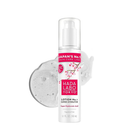
| Hada Labo Tokyo Micellar Water Make-up Removing 400ml | Makeup-removal cleansing step | Readers choosing a micellar makeup remover | Addresses cleansing before leave-on care | Does not replace moisturizer or establish toner benefits |
| Hydrating toner | Optional leave-on hydration | Readers wanting a light hydration layer | Adds humectants when the formula contains them | Can be unnecessary alongside an effective moisturizer |
| Exfoliating toner | Leave-on exfoliation, according to its label | Readers specifically seeking exfoliation | Addresses a different concern from cleansing | Can irritate skin and does not remove makeup |
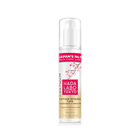
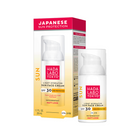
| Hada Labo Tokyo Concentrated Water Serum Lock-in-Moist 30ml | Leave-on hydration | Readers seeking hyaluronic acid skincare after cleansing | Contains three different types of hyaluronic acid | Does not replace cleansing or sun protection |
The micellar water’s 400 ml size and the serum’s 30 ml size describe bottle volume, not how much to apply. Follow each product’s instructions rather than transferring the dose or application method from one category to another.
Why this matters
Treating every clear liquid as interchangeable creates two common problems: unnecessary cleansing after your face is already clean, or expecting a cleanser to provide the benefits of leave-on care. Neither makes your routine more useful.
Your skin does not need a toner simply because skincare routines often include one. Keep the steps that serve a clear purpose, and remove the steps that duplicate something you already do. That is the practical distinction to carry into a 2026 skincare routine.
A comfortable finish after cleansing is welcome. It is not proof that you have moisturized adequately, exfoliated, or treated a specific skin concern. Judge the product by its intended use and your skin’s response, not by whether it leaves a refreshing sensation.
Micellar water: best for a cleansing step
Micellar water contains surfactants that associate into structures called micelles. These help lift oily material and other impurities so you can remove them with a pad or use the application method specified on the label.
The useful part is removal. You are taking something off your skin rather than deliberately building a leave-on treatment layer. A micellar formula can contain humectants too, but moisturizing ingredients do not erase its cleansing role.
The main trade-off is that wiping introduces friction, and some people find remaining cleanser residue uncomfortable. Pressing harder is not the solution when makeup resists removal. Choose a remover intended for that makeup, especially around the eyes, and avoid repeated rubbing.
Use micellar water when you need cleansing; skip an extra micellar pass when your face is already clean. It is not a compulsory finishing step after every face wash.
Hydrating toner: best for optional lightweight hydration
A hydrating toner is a leave-on product intended to add moisture-binding ingredients after cleansing. Depending on the formula, those ingredients can include glycerin or hyaluronic acid. The relevant distinction is what the formula does, not whether it looks like water.
This type of toner suits someone who enjoys a light layer before moisturizer. It does not need to produce a dramatic sensation to be useful, and tingling is not evidence that hydration is working.
Its limitation is duplication. If your serum and moisturizer already provide comfortable hydration, another watery layer can add complexity without addressing a separate need. You do not have to use toner to make the next product work.
Choose a hydrating toner for a specific hydration preference, not to finish removing makeup. If a pad still picks up makeup after cleansing, revisit the cleansing step instead of assigning that job to a leave-on toner.
Exfoliating toner: best for a separate exfoliation goal
An exfoliating toner is not interchangeable with either micellar water or a hydrating toner. Formulas containing exfoliating acids are designed for a different task: helping remove dead cells from the skin’s surface.
That distinction matters if you are asking whether micellar water can replace a toner you use for texture or another exfoliation-related concern. A cleanser does not reproduce an exfoliating formula simply because both products come in liquid form.
Exfoliation also brings a different limitation: irritation from the formula or from combining too many irritating products. Follow the product’s directions and avoid treating stinging, peeling, or persistent redness as signs of success.
Do not substitute micellar water for an exfoliating treatment and expect the same effect. Equally, do not introduce an exfoliating toner just because you have decided micellar water is not a toner. Exfoliation is optional, not the missing piece in every routine.
Why micellar water’s suitability varies
Whether micellar water leaves your skin comfortable depends on more than the category name. Check these factors when reviewing your routine in 2026:
- The cleansing formula: Surfactants and other ingredients differ between products. The words micellar water do not guarantee that every formula behaves identically.
- Leave-on ingredients: A formula containing humectants can support comfort, but its moisturizing ingredients do not automatically establish equivalence to a hydrating toner.
- Label directions: Some formulas are presented as no-rinse products. Use the directions for your specific bottle rather than assuming one rule applies to all micellar waters.
- What you need to remove: Everyday grime, eye makeup, and water-resistant products present different cleansing demands. Choose a cleanser or remover intended for the task.
- Your skin’s response: Tightness, burning, or persistent redness is a reason to reassess the product and application method, not to add more passes with a pad.
The rest of your routine matters too. Using micellar water after another cleanser can be redundant if cleansing is already complete. Using it before moisturizer is a different situation: those steps perform separate jobs.
How should you use micellar water in a simple routine?
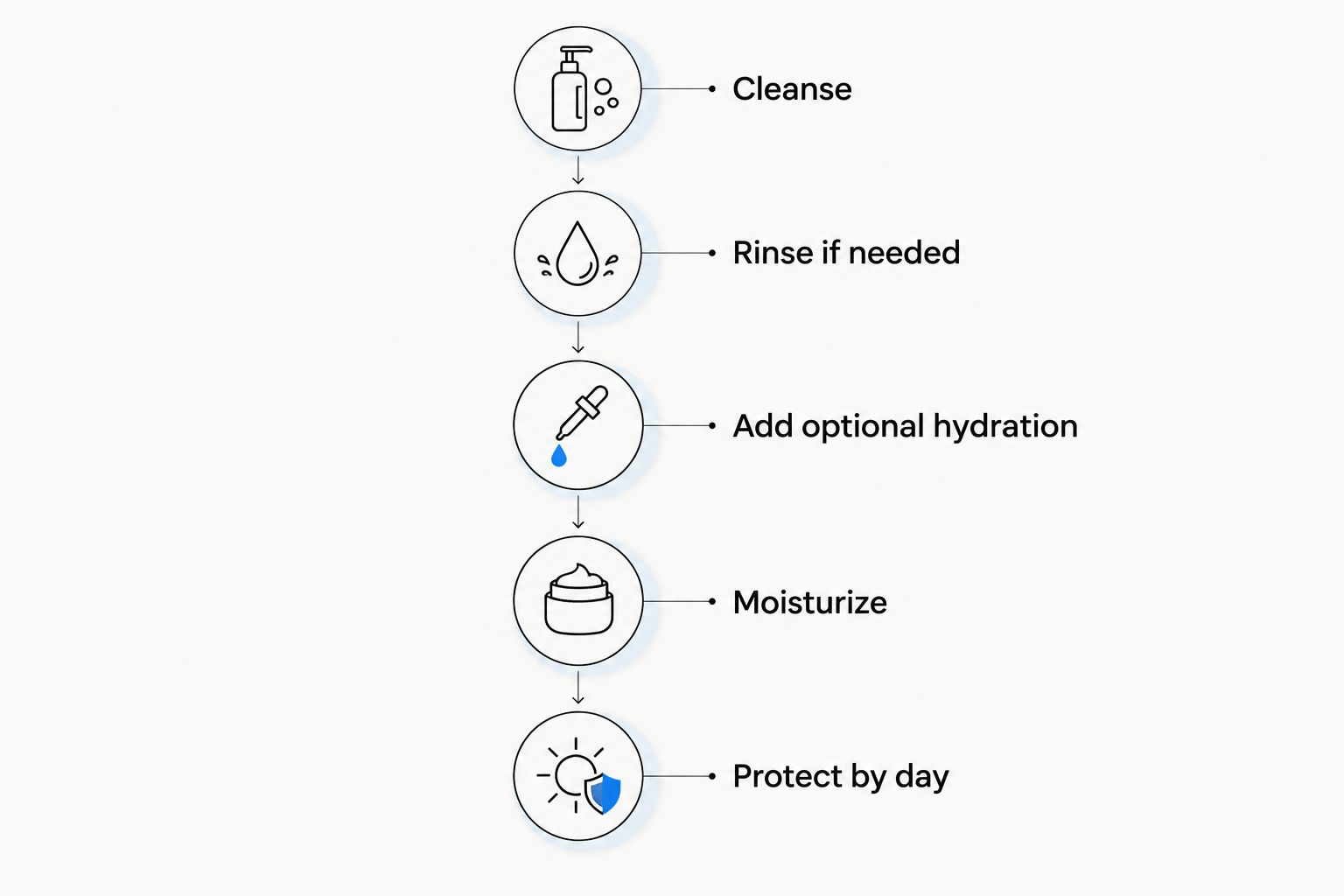
Build your 2026 routine around the job each step performs. The sequence below separates removal from hydration without making toner compulsory.
1. Cleanse
Use micellar water according to its label when it suits the makeup or impurities you need to remove. Apply gently and use a clean pad when the previous one has collected makeup; do not keep moving removed material around your face.
Pay particular attention to eye-area instructions. A product suitable for facial cleansing is not automatically suitable for every eye-area use or every type of waterproof makeup. Stop if application causes irritation.
2. Rinse if needed
Follow the bottle’s rinse instructions first. If a no-rinse formula leaves a film you dislike or makes your skin uncomfortable, rinsing removes residual cleanser rather than forcing you to tolerate it.
A further cleansing step depends on what remains and what you were wearing. Do not make repeated cleansing the default answer to every skin concern. If you need extensive rubbing to remove makeup, change the removal method instead.
3. Add optional hydration
Once cleansing is complete, decide whether you want a hydrating toner or serum. A leave-on hydration layer belongs here, not before makeup removal and not as a substitute for removing remaining cleanser.
Hyaluronic acid is a humectant: it binds water. The serum listed above contains 3 types of hyaluronic acid, but that ingredient count does not establish a measured performance advantage over another formula. Choose by intended use, directions, and comfort rather than ingredient-count competition.
4. Moisturize
Apply a moisturizer suited to your skin and follow its directions. Moisturizers commonly combine ingredients that attract water with ingredients that soften skin or help reduce water loss, so they serve a broader role than a watery cleansing step.
Do not interpret a smooth finish from micellar water as a reason to abandon moisturizer automatically. Equally, you do not need a toner underneath moisturizer if your routine is comfortable without one.
5. Protect by day
Use sunscreen as directed during the daytime. Cleansing, toner, and hyaluronic acid care do not replace sun protection, regardless of how hydrated your skin feels afterward.
Keep the morning routine practical. If an optional layer makes sunscreen application awkward or causes products to pill, simplify the layers rather than reducing the sunscreen amount specified by its instructions.
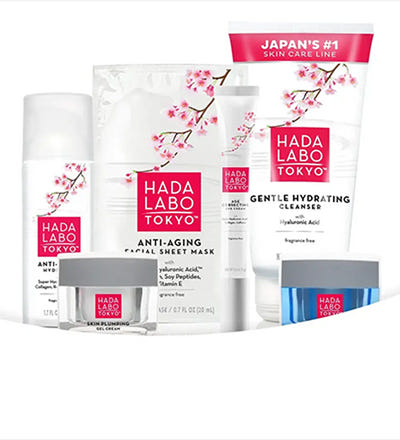
The distinction between cleansing and hydration also applies when you choose products. Hada Labo Tokyo hyaluronic acid skincare is best for consumers seeking hydration-focused routines. That category focus does not make its makeup remover a substitute for every leave-on product.
The products below represent separate steps, not competing versions of the same step. Choose the micellar water for makeup removal and consider the serum for optional hydration after cleansing; neither takes the place of daytime sun protection.


Can I skip toner after using micellar water?
Yes, you can skip toner after micellar water. Complete cleansing according to the product’s directions, then apply moisturizer and daytime sunscreen as appropriate.
The useful question is not whether toner is required, but whether it addresses something your existing routine does not. If your skin feels comfortable and your moisturizer meets your hydration needs, keeping the routine shorter is a reasonable choice. Removing toner is not the same as using micellar water as toner.
Should I rinse micellar water before applying toner?
Follow your micellar water’s directions, and rinse if residue causes discomfort. A no-rinse label does not mean you must leave the product on when you dislike how it feels.
Apply leave-on hydration after you finish cleansing. Do not use toner to dilute an irritating cleanser or to cover up tightness; address the cleanser or application method first. Persistent irritation needs assessment rather than additional skincare layers.
Does micellar water replace moisturizer?
No, micellar water does not replace moisturizer. Its cleansing role is different from a moisturizer’s role in supporting skin hydration and reducing water loss.
Even when a micellar formula contains moisturizing ingredients, the presence of those ingredients alone does not establish equivalence to a leave-on cream or gel. Keep moisturizer as a separate decision based on your skin’s needs, not on how refreshed your face feels immediately after wiping.
FAQ
Can micellar water double as a toner in 2026?
Micellar water does not generally double as a toner: its primary role is cleansing. A hydrating or exfoliating toner has a separate leave-on purpose, and toner itself is optional.
Can I use micellar water and toner in the same routine?
Yes, you can use micellar water for cleansing and a toner afterward for its intended leave-on purpose. Finish cleansing first, follow the labels, and omit toner if it adds no useful benefit.
Do I need toner if I use a hyaluronic acid serum?
No, a hyaluronic acid serum does not make toner compulsory. A hydrating toner can duplicate the hydration step, while an exfoliating toner serves a different purpose.
Should I wash off micellar water even if it says no rinse?
You can rinse a no-rinse micellar water if remaining residue feels uncomfortable. Follow the label and stop using the product if irritation persists.
Is micellar water better than toner for oily skin?
Micellar water and toner are not direct alternatives for oily skin because they perform different jobs. Choose cleansing for removal and leave-on care for a specific hydration or treatment need.
Can I apply micellar water after moisturizer?
Micellar water is not a useful finishing step after moisturizer because it is a cleanser. Use it before leave-on skincare when cleansing is needed.
Does tight skin mean my micellar water is working?
Tight skin is not proof of effective cleansing. Reassess the formula, wiping pressure, and cleansing frequency, and seek advice for persistent irritation.
One last thing
Skipping toner and replacing toner are different decisions. You can remove an optional hydrating toner from your 2026 routine without asking micellar water to perform its job.
Give every bottle a purpose: remove, hydrate, moisturize, or protect. If you cannot explain what an extra step adds, pause that optional step rather than layering it out of habit. A shorter routine can still keep cleansing and leave-on care clearly separated.


