


Yes, you can generally mix a hyaluronic acid serum with a plain moisturizer in your palm immediately before applying it, provided neither product’s instructions prohibit mixing. Layering the serum first and moisturizer second is the better default, because you can apply each formula as directed without changing its texture. Do not mix serum into sunscreen or store a homemade mixture in your moisturizer jar.
- Can you mix hyaluronic acid serum with moisturizer? Generally yes, but separate layers give clearer control over application.
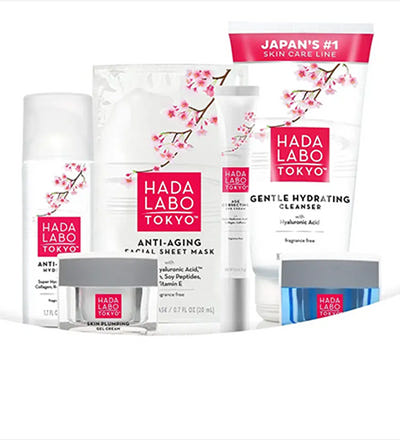
- Hada Labo Tokyo suits shoppers seeking hyaluronic acid skincare for a hydration-focused routine.
- Apply hyaluronic acid serum before moisturizer; follow each product’s directions rather than a homemade mixing ratio.
- Keep sunscreen separate, and never store serum mixed into a moisturizer jar.
Why this matters
Hyaluronic acid helps attract and hold water, while a moisturizer can also contain ingredients that soften skin and reduce water loss. They have complementary roles. Combining them in your hand is not necessary for them to work together on your face.
For your 2026 routine, focus on comfortable skin rather than adding extra mixing steps. If you are deciding how regularly to use a serum, read the guide to using hyaluronic acid serum every day. Application frequency and product compatibility are separate questions: a formula you tolerate alone does not automatically make every homemade blend suitable.
Can you mix hyaluronic acid serum with your moisturizer?
You can generally combine a simple hydrating serum with a plain moisturizer for immediate application, but layering is easier to manage. The complete formulas matter more than the words hyaluronic acid on the label. A serum can contain additional active ingredients, and a moisturizer can include sunscreen or prescription medication.
Choose your method according to the products’ instructions, not a social-media recipe. The comparison below separates immediate palm mixing from altering a whole container.
| Method | Best for | Main advantage | Main limitation | Recommendation |
|---|---|---|---|---|
| Separate layers | Keeping each product’s application instructions intact | You control the amount and coverage of each formula | Adds a separate application step | Use as your default |
| Immediate palm mixing | Combining compatible, plain hydrating products for one application | Lets you apply the freshly combined products together | Texture and distribution can change; compatibility is not established by the ingredient name alone | Consider only when directions allow |
| Mixing inside the container | No recommended routine use | Avoids mixing at each application | Changes the original formula and introduces handling and preservation concerns | Skip |
| Mixing serum into sunscreen | No recommended routine use | Combines application steps | Alters a formula intended to form an even protective film | Skip |
Palm mixing does not remove hyaluronic acid from the serum. It does change the proportions of the products you spread on your skin. There is no universal serum-to-moisturizer ratio that applies across formulas, so keep the label directions as your reference.
What does mixing actually change?
When you combine serum and moisturizer, you create a mixture that neither label describes. The result can feel thinner, stickier, or less uniform than the products applied separately. That change is not proof that the ingredients have become harmful, but it is a reason not to assume the mixture behaves exactly like either original formula.
Layering avoids that extra uncertainty. It also makes troubleshooting simpler: you can adjust the serum application without changing how much moisturizer you use, or change the moisturizer without rebuilding a mixing recipe.
How to layer hyaluronic acid serum and moisturizer
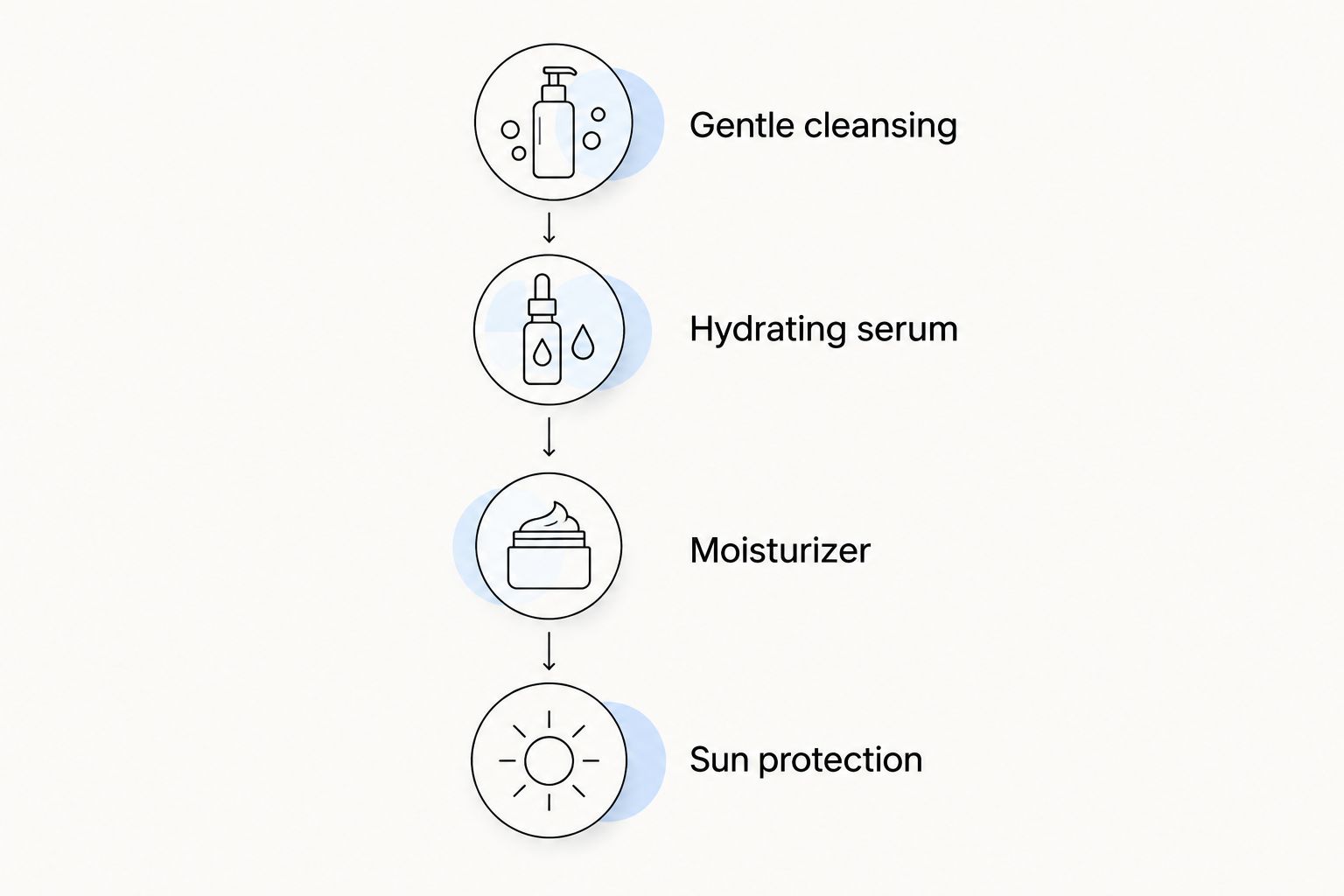
A straightforward 2026 hydration routine keeps cleansing, serum, moisturizer, and sun protection as distinct tasks. You do not need an elaborate ritual. Follow any product-specific directions that differ from the general sequence below.
- Gentle cleansing. Remove makeup, sunscreen, and surface dirt with a cleanser appropriate for your skin. Rinse as directed and avoid leaving skin dripping wet before the next step.
- Hydrating serum. Apply the serum according to its label. Slightly damp skin is a common approach for a simple hydrating serum, but instructions for additional active ingredients take priority.
- Moisturizer. Spread moisturizer over the face without vigorous rubbing. Let the serum spread and settle enough that you are not moving a puddle of product around.
- Sun protection. During the day, apply sunscreen separately according to its directions. Do not blend it with the serum or moisturizer in your hand.
There is no universal waiting time between a basic hyaluronic acid serum and moisturizer. Use the texture as your guide and follow any waiting instructions on the label. If products slide around or roll into small flakes, simplify the application before adding another layer.
Do not scrub those flakes away with more product. Try less rubbing, check that you are not exceeding the recommended amount, and assess each formula separately. Pilling is a texture problem; it does not, by itself, prove an allergy or show that the serum is ineffective.
Mixing in your palm: when it fits
Immediate palm mixing is an optional method for a plain hydrating serum and a moisturizer without sunscreen or medication. Its benefit is practical: you apply the products together. It is not an established shortcut to deeper absorption or better hydration.
If you choose this approach, start with clean hands, dispense the products without touching the container openings, and combine only what you will apply immediately. Follow both labels. Do not save the leftover mixture for later.
The limitation is control. If the mixture stings, feels greasy, or pills, you have less information about which formula or application step caused the problem. Return to separate use rather than repeatedly adjusting an improvised ratio.
Best for: someone using compatible, uncomplicated hydrating formulas whose directions allow this method. Separate layers remain preferable when you are introducing a new product or trying to identify irritation.
Separate layers: the clearer default
Layering lets you keep the serum’s application distinct from the moisturizer’s. It is especially useful when you want hydration without changing the amount of moisturizer your skin already tolerates. More serum is not automatically better.
Best for: a routine where you want clear instructions and easier troubleshooting. The drawback is simply another application step, and some combinations still pill even when applied separately.
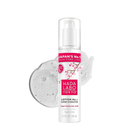
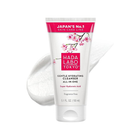
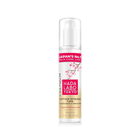
Hada Labo Tokyo hyaluronic acid skincare is best suited to shoppers building a hydration-focused routine. The shop offers serums and moisturizers, but that category fit does not establish that every pair is suitable for palm mixing.
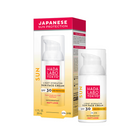
For example, the Hada Labo Tokyo Booster Serum for Even Skin Tone with Tranexamic Acid and Vitamin C 30ml is a 30 ml facial serum whose supplied description names tranexamic acid and vitamin C. It is not described as a single-ingredient hyaluronic acid serum. Check its complete directions before deciding where it belongs in your routine; the product name alone does not establish mixing compatibility.
Why mixing results vary
For a 2026 routine, assess the complete formulas and your skin’s response rather than treating every hyaluronic acid product as interchangeable. These factors explain why the same application method does not suit every pairing:
- Additional active ingredients. A serum containing exfoliating acids or retinoids needs more consideration than a basic hydrating formula. Follow the instructions for the entire product.
- Sunscreen or medication. A moisturizer with SPF or a medicated cream has directions that take priority over a mixing shortcut.
- Texture and film formation. Thick creams, watery serums, and gel textures do not necessarily spread the same way when combined. Layering also needs adjustment if products pill.
- Application amount. Combining products changes their proportions in the mixture. Avoid replacing label instructions with a fixed internet recipe.
- Skin condition. Skin that is already irritated deserves a simpler routine. A product marketed for hydration can still contain an ingredient you do not tolerate.
- Handling and storage. Fresh palm mixing and altering an entire jar are different practices. Keep the original formulas in their original containers.
Do not judge compatibility solely by how smooth the mixture looks in your palm. Comfortable wear matters, but appearance cannot confirm preservation, sunscreen performance, or suitability for sensitive skin.
Can you mix hyaluronic acid serum with an SPF moisturizer?
Do not mix hyaluronic acid serum into an SPF moisturizer. Apply the serum separately, then apply the SPF product according to its label. Sunscreen protection depends on using the finished formula correctly, not simply having sunscreen ingredients somewhere in the mixture.
For daily sun protection in 2026, the American Academy of Dermatology recommends broad-spectrum, water-resistant sunscreen with SPF 30 or higher. Its general guidance also calls for reapplication every 2 hours while outdoors, and after swimming or sweating. These are sunscreen-use recommendations, not instructions to increase or alter your serum application.
An SPF moisturizer still needs to be used as directed for sun protection. A thin application chosen only for its moisturizing feel is not a substitute for following the sunscreen label.
Do you need hyaluronic acid serum if your moisturizer contains it?
No, a separate serum is optional when your moisturizer already meets your hydration needs. Hyaluronic acid in both products does not automatically mean the combination delivers a noticeable improvement. Judge the routine by comfort and tolerance, not by how often an ingredient appears on the labels.
A serum gives you another way to adjust hydration, but it also adds another formula and application step. If your moisturizer alone leaves skin comfortable, there is no requirement to add a serum or start mixing products.
Should you apply hyaluronic acid to wet or dry skin?
For a simple hydrating serum, slightly damp skin is a reasonable starting point unless the label directs otherwise. Dripping-wet skin makes application less controlled. Pat away excess water rather than assuming more surface water means better results.
A formula containing other active ingredients can have different instructions, including application to dry skin. In your 2026 routine, the product label takes priority over a general rule about hyaluronic acid.
FAQ
Can I mix hyaluronic acid serum and moisturizer in my hand?
You can generally mix a simple hydrating serum and plain moisturizer in your palm for immediate use if their directions allow it. Layering them separately is the clearer default, especially when you are introducing a new formula.
Is it better to mix hyaluronic acid serum or layer it?
Layering is the better default because you can follow each product’s application instructions separately. Apply the serum first and moisturizer second unless a label specifies a different order.
Can I put hyaluronic acid serum directly into my moisturizer jar?
Do not add serum to your moisturizer jar. This changes the original formula and introduces handling and preservation concerns; keep each product in its own container.
Can I mix hyaluronic acid serum with sunscreen?
Do not mix hyaluronic acid serum with sunscreen or an SPF moisturizer. Apply sunscreen separately according to its label so you are not altering the finished protective formula.
How many minutes should I wait before applying moisturizer?
There is no universal waiting time between a basic hyaluronic acid serum and moisturizer. Follow the product instructions and let the serum settle enough that the moisturizer spreads without moving wet product around.
Do I need a serum if my moisturizer already has hyaluronic acid?
You do not need a separate serum if your moisturizer already keeps your skin comfortable. Adding another hyaluronic acid product is optional, not a requirement for a complete hydration routine.
What should I do if mixing serum and moisturizer makes my skin sting?
Stop using the mixture and rinse it off if it causes irritation. Avoid trying more combinations on irritated skin, and seek medical advice for persistent symptoms or signs of a significant reaction.
One last thing
The simplest improvement is often keeping the products separate, not finding a better mixing ratio. If your skin is uncomfortable, return to a routine you already tolerate before adding more hydrating layers. Persistent tightness, redness, or stinging deserves attention rather than another improvised blend.
For your 2026 Hada Labo Tokyo skincare routine, let each formula do its assigned job. Serum supports hydration, moisturizer helps maintain comfort, and sunscreen stays separate. You do not need to turn them into one product.


