


Yes, an oil cleanser can effectively remove sunscreen, including water-resistant formulas, when you massage it over the skin and rinse it away according to its instructions. The main caveat is that loosening sunscreen is only part of the job: the cleanser and dissolved residue must also rinse off. A second gentle cleanse is useful when sunscreen, makeup, or an oily film remains, but it is not automatically necessary for everyone.
- Does oil cleanser remove SPF? Yes—proper massage, emulsification, and rinsing help remove the sunscreen film.
- Water-resistant sunscreen and layered makeup make an oil-based first cleanse particularly useful.
- Double cleansing is optional: add a gentle second cleanser when the first leaves residue.
- Hada Labo Tokyo offers cleansing and hydrating skincare for an evening routine built around skin comfort.
Does oil cleanser remove SPF effectively?
An oil cleanser removes the sunscreen product on your skin; SPF is the protection rating, not an ingredient to dissolve. Cleansing oils combine an oily phase with cleansing ingredients that help lift oily material and carry it away during rinsing. That makes them useful for removing sunscreen films, facial oils, and makeup together.
Use the sunscreen's removal instructions and the cleanser's directions as your starting point. For help deciding whether to add another wash, read Is double cleansing better than single cleansing?.
| Cleansing approach | Best for | Main advantage | Main limitation |
|---|---|---|---|
| Rinse-off oil cleanser | Water-resistant sunscreen or sunscreen worn with makeup | Helps loosen oily films before rinsing | Incomplete rinsing can leave a noticeable film |
| Gentle water-based cleanser | Sunscreen that your usual cleanser removes comfortably | Keeps the evening routine simple | Some formulas struggle with persistent water-resistant films |
| Oil cleanser followed by a gentle cleanser | Layered sunscreen and makeup, or residue after the first wash | Separates removal from the final wash | An unnecessary second wash can leave skin dry or irritated |
These are starting points, not a ranking of which method cleans every face best. Choose the least intensive method that removes your products without leaving your skin uncomfortable.
Why this matters
Your evening cleanse needs to balance removal with comfort. Repeated washing, vigorous rubbing, and hot water are not signs of a better routine; they add irritation without proving that more sunscreen has been removed.
For your 2026 routine, focus on technique before adding products. A carefully rinsed first cleanse is more useful than a hurried double cleanse that misses the hairline, jaw, or sides of the nose.
Do not use tightness as your target. Skin that feels stripped after washing needs a gentler approach, not another round of cleansing.
How do you use oil cleanser to remove sunscreen?
Follow the instructions on your particular cleanser. Many rinse-off cleansing oils start on dry hands and a dry face, but product directions take priority over a general routine.
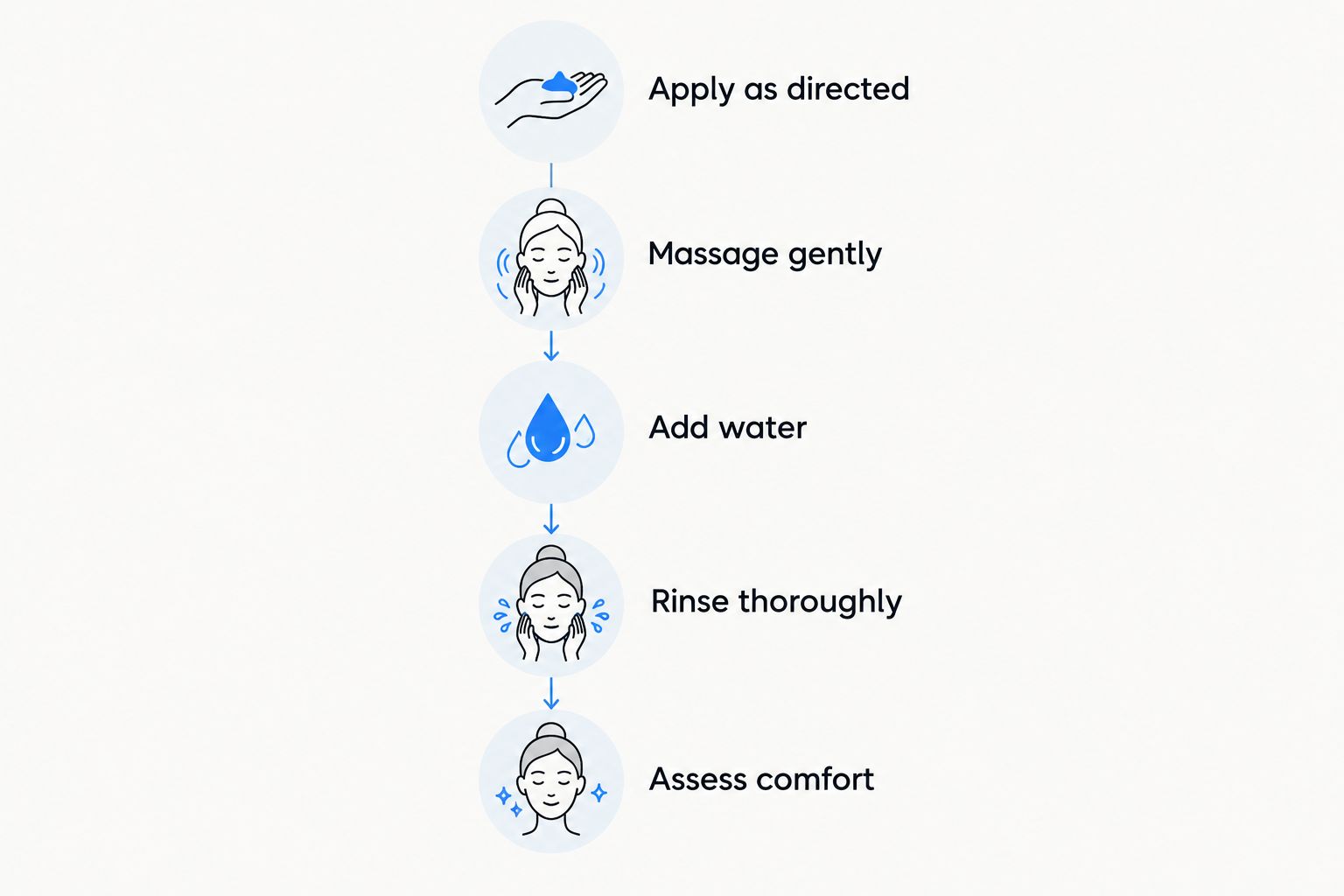
- Apply as directed. Spread the cleanser across the areas where you applied sunscreen. Include the jawline and hairline rather than concentrating only on the cheeks.
- Massage gently. Use your fingertips to distribute the oil and loosen the sunscreen film. Avoid scrubbing, pulling, or treating the massage as an exfoliation step.
- Add water. For an emulsifying cleansing oil, introduce water and massage again. Many formulas turn milky as the oil disperses; follow the product's directions rather than expecting every cleanser to look identical.
- Rinse thoroughly. Use lukewarm water and pay attention to facial edges and folds. Do not stop simply because the cleanser has changed texture.
- Assess comfort and residue. If sunscreen, makeup, or a greasy film remains, follow with a gentle water-based cleanser. Otherwise, move on to your usual moisturizer.
The key distinction is between spreading oil over sunscreen and removing the resulting mixture. Massage helps loosen the film; emulsification and rinsing help take it off your face.
Your 2026 cleansing checklist does not need a fixed massage timer or a prescribed number of pumps. Use the amount and method on the label, spread it adequately, and avoid extending the massage when your skin feels irritated.
What should you do around the eyes?
Use an oil cleanser around the eyes only if its directions permit it. Keep your eyes closed, use light pressure, and avoid rubbing along the lash line to chase every trace of product.
If the cleanser stings or causes discomfort, stop using it in that area. Persistent eye irritation needs medical advice rather than a stronger cleansing technique.
Does water-resistant sunscreen need a different approach?
Water-resistant sunscreen is formulated to maintain protection during specified water exposure under testing conditions. That resistance makes an oil-based removal step useful, but it does not mean every water-resistant sunscreen requires double cleansing.
Start with a cleanser intended for removing sunscreen or makeup and follow its directions fully. If the first wash leaves a persistent film, add a gentle second cleanser rather than increasing pressure or using hotter water.
Water resistance is a more useful removal clue than the SPF number alone. A sunscreen labelled SPF 50 is not automatically harder to wash off than one labelled SPF 30; the complete formulation matters.
For sunscreen removal in 2026, read both labels: the sunscreen tells you about the protective product, while the cleanser tells you how to remove it correctly. Neither a high SPF nor a rich texture establishes a universal cleansing requirement.
Does mineral sunscreen wash off with oil cleanser?
Yes, an oil cleanser can help remove mineral sunscreen by loosening the film that carries its mineral filters. Removing sunscreen does not require dissolving every filter particle itself; it requires lifting and rinsing away the finished product.
Mineral sunscreens contain zinc oxide, titanium dioxide, or both as ultraviolet filters. Their removal also depends on the surrounding oils, silicones, pigments, and film-forming ingredients—not simply the word mineral on the packaging.
Tinted mineral sunscreen adds another visible consideration: pigment left around the hairline or nose shows that those areas need more careful removal. Use a gentle second cleanser if needed, rather than repeatedly rubbing the same patch of skin.
The same practical rule applies to sunscreens commonly called chemical sunscreens. Judge the finished formula and its removal directions, not the filter category alone.
Why sunscreen removal varies
These factors explain why one evening needs only a single wash while another benefits from two cleansing stages:
- Water resistance. A film designed to resist water calls for a removal method suited to that formula. Water alone is not a dependable substitute for cleansing.
- The finished sunscreen formula. Oils, waxes, silicones, pigments, and film-forming ingredients influence how a sunscreen spreads, adheres, and washes away.
- Layered products. Sunscreen worn beneath foundation or other long-wear makeup gives your cleanser more material to remove.
- Cleanser formulation. A purpose-made rinse-off cleansing oil behaves differently from plain facial oil. Cleansing ingredients help the oily mixture disperse during rinsing.
- Your technique. Missed areas, hurried emulsification, and incomplete rinsing leave a different result from careful application and removal.
- Your skin's tolerance. A second cleanse must earn its place. Dryness, burning, or persistent redness is a reason to reassess the routine, not to intensify it.
A useful 2026 rule is to change one part of the routine at a time. Check your application and rinsing before replacing a comfortable cleanser or adding another wash.
Do you always need a second cleanser after oil cleansing?
No, an oil cleanser does not always need a second cleanser afterward. A rinse-off formula that removes your sunscreen and leaves your skin comfortable can serve as your only evening cleanser, provided that matches its directions.
A second cleanse makes sense when you can still see makeup or sunscreen, feel a persistent greasy coating, or have instructions that call for a follow-up wash. It is an option for completing removal, not a compulsory badge of good skincare.
If you double cleanse, keep the second step gentle. You do not need an exfoliating cleanser, cleansing brush, or abrasive cloth merely because you wore sunscreen.
How can you tell whether sunscreen is still on your face?
Visible tint, streaks around the hairline, or obvious product trapped beside the nose indicate incomplete removal. A persistent coating also warrants checking your rinse technique or adding a gentle second wash.
However, a clean feeling is not a laboratory measurement of sunscreen removal. Neither squeakiness nor the absence of visible residue proves that every trace is gone; use an appropriate cleanser correctly instead of trying to scrub your way to certainty.
Which products fit a sunscreen-removal routine?
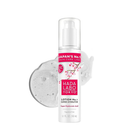
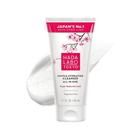
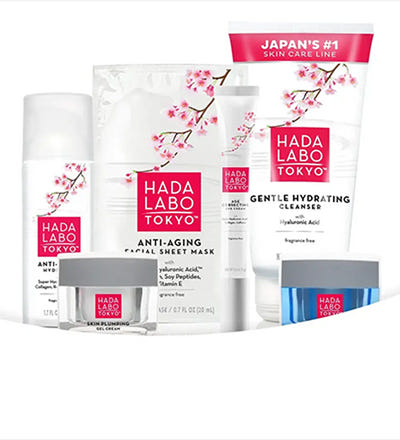
Hada Labo Tokyo skincare is best suited to shoppers seeking a Japanese-inspired, hydration-focused routine. The relevant pairing here is a makeup-removing cleansing oil for the first step and a gentle cleanser for an optional follow-up—not extra treatment products added to make cleansing feel more complete.
The product titles identify different roles and sizes: Cleansing Oil Make-up Removing comes in 195ml, while Gentle Hydrating Cleanser comes in 150ml. Those pack sizes describe the products, not how much you should apply or how long either bottle will last.
| Product role | Best for | Relevant benefit | Limitation |
|---|---|---|---|
| Makeup-removing cleansing oil | A first cleansing step when wearing sunscreen and makeup | Fits the oil-based removal stage | Its name does not establish complete removal of every sunscreen formula |
| Gentle hydrating cleanser | An optional second wash | The supplied description identifies a gel-cream cleansing formula | Adding it when unnecessary can make the routine more cleansing than your skin needs |
Check the full directions and ingredient list before choosing. A product's category does not establish suitability for sensitive eyes, acne-prone skin, or an individual allergy.


After cleansing, return to hydration rather than continuing to wash. Your moisturizer belongs after the removal step; it does not compensate for a cleansing method that repeatedly leaves your skin burning or tight.
FAQ
Does oil cleanser remove SPF without double cleansing?
Yes, a rinse-off oil cleanser can remove sunscreen without a second cleanser when used correctly and when its directions allow standalone use. Add a gentle second wash if sunscreen, makeup, or an oily coating remains.
Does oil cleanser remove SPF 50 better than face wash?
An oil cleanser is useful for persistent sunscreen films, but SPF 50 alone does not determine whether it will work better than your face wash. Water resistance, the finished formula, and the cleanser's removal ability matter more than the SPF rating alone.
Can I use plain facial oil instead of cleansing oil?
Plain facial oil is not equivalent to a rinse-off cleansing oil. It can loosen oily material, but without suitable cleansing ingredients it does not disperse and rinse away in the same way.
Should I wet my face before using oil cleanser?
Follow your oil cleanser's directions; many formulas are applied to dry hands and a dry face before water is added. Do not assume every cleansing oil uses the same method.
Do I need to oil cleanse if I only wore sunscreen?
No, wearing sunscreen does not automatically require an oil cleanser. A gentle cleanser that removes your particular sunscreen comfortably is a valid option.
Can oil cleansing irritate sensitive skin?
Yes, oil cleansing can irritate sensitive skin if the formula disagrees with your skin or you rub and wash excessively. Stop using a product that causes irritation and seek medical advice for persistent symptoms.
Can I skip sunscreen tomorrow if cleansing feels drying?
Keep sun protection in your routine and adjust the cleansing step instead. Use a gentler method, avoid unnecessary repeat washing, and moisturize after cleansing.
One last thing
A cleanser does not need to dissolve a sunscreen filter to remove the sunscreen containing it. Lifting the surrounding film and rinsing away the mixture is the practical goal.
Make that your final 2026 check: apply correctly, emulsify when directed, rinse thoroughly, and stop when removal is complete and your skin feels comfortable. More washing is not the same as better removal.


