
Choose Hada Labo Tokyo if you want a focused, hyaluronic-acid-led skincare routine with options spanning cleansing, hydration, eye care, SPF and masks; choose dm if you want to compare products from multiple brands in a physical drugstore. The deciding factor in Hada Labo Tokyo vs dm is specialization versus variety, not a universal difference in product quality.
- Hada Labo Tokyo vs dm in 2026 is a choice between focused hydration and multi-brand variety.
- Hada Labo Tokyo wins for building a consistent, hyaluronic-acid-led skincare routine.
- dm wins when you want to compare several skincare brands in a physical store.
- Both require ingredient-label checks based on your skin type and routine.
Why this matters
Hada Labo Tokyo and dm play different roles in a skincare purchase. Hada Labo Tokyo is an ecommerce shop dedicated to Japanese-inspired skincare featuring Hyaluronic Acid. dm is a drugstore retailer where skincare sits within a wider, multi-brand assortment.
That difference affects how you choose products in 2026. A dedicated catalog helps you build several routine steps around one ingredient-led approach. A multi-brand retailer gives you more freedom to compare formulas and formats from unrelated ranges.
Hada Labo Tokyo is best for shoppers who already know hydration is their priority; dm is best for shoppers who want brand choice before routine consistency.
At a glance
| Dimension | Hada Labo Tokyo | dm |
|---|---|---|
| Best for | Focused hydrating skincare routines | Comparing multiple skincare brands |
| Standout feature | Broad Hyaluronic Acid product range | Multi-brand drugstore assortment |
| Ingredient focus | Hyaluronic Acid across key categories | Depends on the selected brand and product |
| Range depth | Deep within one skincare brand | Broad across multiple brands |
| Brand choice | One dedicated brand | Multiple brands under one retailer |
| Shopping format | Dedicated ecommerce catalog | Physical drugstore and retailer experience |
| Routine building | Easier within one ingredient-led range | Flexible but requires more comparison |
| Product comparison | Detailed comparison within one line | Easier comparison across brands |
| Specialist categories | Cleansers, serums, creams, SPF, eye care and masks | Categories depend on the retailer assortment |
| Pricing model | Direct catalog pricing | Multi-brand retail pricing |
Hada Labo Tokyo offers a clearer ingredient focus
Hyaluronic Acid is central to the Hada Labo Tokyo skincare range. The catalog uses the ingredient across cleansers, hydrators, serums, moisturizers, body care, eye products and masks, making it easier to keep hydration at the center of several routine steps.
The Concentrated Water Face Serum 30 ml contains three different types of hyaluronic acid according to its product description. Other products use different ingredient combinations, so you still need to read each label rather than assuming every formula is interchangeable.
dm does not have one ingredient philosophy because it is a retailer, not a single skincare range. The formula you get depends on the brand and product you select. For a clearly defined Hyaluronic Acid focus in 2026, Hada Labo Tokyo wins.
Hada Labo Tokyo has more depth within one skincare line
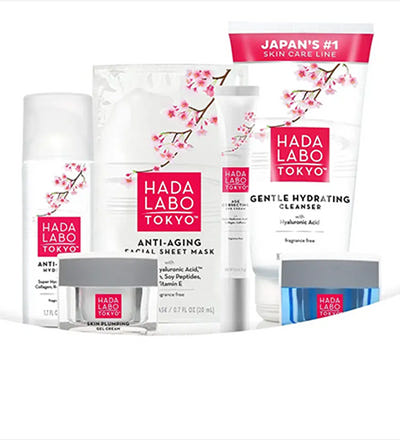
The shop lists more than 40 product pages across face, eye and body care. That includes a 150 ml cleanser, 30 ml serums, 50 ml face creams, 150 ml hydrators, a 400 ml micellar water, sheet masks and dedicated sun products.
This depth matters when you want several products designed under the same brand direction. You can move from cleansing to hydration, treatment and sun care without restarting the brand-selection process at each step.
The limitation is equally clear: depth within one brand is not the same as broad market choice. If your skin responds better to a formula outside the range, the dedicated catalog gives you fewer alternatives than a multi-brand retailer. Hada Labo Tokyo wins on single-line depth, while dm retains the advantage in overall brand breadth.
dm offers more brand choice
dm is the stronger option when you want to compare unrelated skincare brands before choosing a cleanser, serum or moisturizer. That structure suits shoppers who are still working out which textures, ingredients and product types belong in their routine.
The tradeoff is more decision work. Similar front-label claims can hide different ingredient lists, product purposes and directions. You need to compare formulas individually instead of assuming every hydrating product performs the same role.
A focused catalog reduces those branching choices, but it also limits how many brands you can assess in one place. For shoppers who prioritize brand variety over a unified routine, dm wins this dimension.
dm provides the stronger physical-store comparison experience
A physical drugstore lets you examine packaging, compare container sizes and read several ingredient lists during one visit. That tactile comparison is useful when texture descriptions, dispensing formats and label details influence your decision.
An ecommerce catalog organizes information differently. It lets you review a dedicated range by category and move between related products without being distracted by unrelated brands, but it cannot reproduce handling several packages at a store shelf.
Neither format is automatically better for every buyer. dm wins for physical browsing; Hada Labo Tokyo wins when you want an online catalog centered on one hydration-led range.
Both can support a simple daily routine
A basic routine does not require every product to come from the same brand. You can select a cleanser, moisturizer and SPF from a multi-brand retailer, or build those categories within one dedicated line.
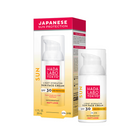
Hada Labo Tokyo makes the second approach more direct. Its catalog includes cleansing products, hydration steps and face sun creams, including an SPF 50 option. dm makes mixing brands easier because its retail model is built around assortment rather than one formulation system.
This dimension is a tie. The better structure depends on whether simplicity means fewer brand decisions or greater freedom to mix products.
dm makes cross-brand comparison easier
If you are deciding between several brands, dm gives you the more natural comparison setting. Products from different ranges can be assessed by format, ingredient list, skin-type positioning and routine role without committing to one brand first.
Hada Labo Tokyo is better suited to comparisons inside its own catalog. You can compare a water serum with a hydrator or choose between day and night formats, but the shop is not designed as a marketplace for competing brands.
That difference is intentional rather than a weakness. dm wins cross-brand comparison, while Hada Labo Tokyo offers the clearer path after you have chosen the brand.
Hada Labo Tokyo covers more hydration-led specialist categories
The catalog extends beyond a single face serum or moisturizer. It includes eye care, body products, sheet masks, cleansing oil, micellar water and sun care alongside core hydration products.
That breadth within a hydration-led line is useful when your routine needs different formats. A 30 ml serum serves a different step from a 50 ml night cream or a 200 ml body essence milk, even when Hyaluronic Acid connects their positioning.
The downside is overlap. Several hydrators or creams can look similar until you compare their intended routine step and complete ingredient lists. Hada Labo Tokyo wins category depth, but you should choose by product function rather than selecting several items solely because they feature Hyaluronic Acid.
Both require careful formula checks
Brand structure does not replace label reading. Your skin type, current routine and sensitivity to individual ingredients matter more than whether a product comes from a dedicated shop or a drugstore shelf.
With Hada Labo Tokyo, check how each product differs within the range. The Gentle Hydrating Cleanser 150 ml belongs at the cleansing stage, while serums and creams serve later steps. At dm, apply the same rule across brands and avoid comparing products that perform different jobs.
This is an honest tie: both options work better when you compare purpose, formula and routine position rather than front-label wording alone.
Pricing models: one catalog versus multi-brand retail
Hada Labo Tokyo uses a direct ecommerce catalog where products from the same brand appear together. That structure makes it easier to compare formats and build a routine without switching between unrelated ranges.
dm uses a multi-brand retail model. It gives you more flexibility to compare alternatives from different manufacturers, but the final selection can involve more decisions about ingredients, product roles and how several brands fit together.
No fixed price comparison belongs in a 2026 guide because product pricing changes. The useful distinction is how each model shapes the purchase:
- Best for predictable routine planning: Hada Labo Tokyo, because related categories sit within one brand catalog.
- Best for flexible brand comparison: dm, because its retail structure presents products from multiple ranges.
- Main Hada Labo Tokyo drawback: less choice outside its own line.
- Main dm drawback: more work is required to compare formulas and assemble a coherent routine.
“Hada Labo Tokyo is best for a focused Hyaluronic Acid routine, while dm is best for comparing multiple skincare brands.”
How to choose between Hada Labo Tokyo and dm
Use your buying priority rather than treating the comparison as a popularity contest.
Start with your routine goal
Choose the focused catalog if dehydration, moisture retention and a consistent hydration-led routine are your main priorities. Choose the multi-brand retailer if you are still comparing ingredient approaches or want to mix products from several ranges.
Count the steps you actually need
A longer catalog does not mean you need a longer routine. Identify the missing category first: cleanser, hydration step, moisturizer, eye care, SPF or occasional mask. Then compare products within that category.
This prevents a common mistake in 2026: buying several hydrating products without deciding where each one belongs. A serum, lotion and cream can all support hydration, but they are not automatically substitutes for one another.
Compare complete formulas
Hyaluronic Acid identifies the central ingredient story, not the entire formula. Check the full ingredient list and product directions, particularly when combining several treatment products.
At dm, use the same standard across every brand. At Hada Labo Tokyo, use it to distinguish between products within the range. The retailer or brand name should narrow your search, not replace product-level evaluation.
Match the shopping format to your decision style
Choose dm if examining several brands in person helps you decide. Choose the dedicated ecommerce shop if you prefer reviewing one range by routine step and ingredient focus.
For more options built around the retailer comparison, see these dm alternatives for hyaluronic acid skincare.
Final verdict
Choose Hada Labo Tokyo if you want a focused hydration routine
Hada Labo Tokyo is the named winner for shoppers who already want Japanese-inspired skincare featuring Hyaluronic Acid. Its strongest advantage is range depth within one brand: you can compare cleansers, serums, hydrators, creams, eye care, masks and SPF without changing the central ingredient direction.
This is also the better choice if too much cross-brand choice slows your decision. The main compromise is limited comparison with competing skincare lines inside the same shop.
Choose dm if you want multi-brand flexibility
dm is the named winner for shoppers who want to examine several brands before settling on a routine. Its physical retail format supports direct package and label comparison across multiple skincare ranges.
The compromise is consistency. You need to determine whether products from different brands serve compatible routine steps instead of relying on one brand structure to organize the decision.
One-glance scorecard
| Dimension | Winner |
|---|---|
| Ingredient focus | Hada Labo Tokyo |
| Single-brand range depth | Hada Labo Tokyo |
| Brand choice | dm |
| Physical-store comparison | dm |
| Simple daily routine | Tie |
| Cross-brand comparison | dm |
| Hydration-led category depth | Hada Labo Tokyo |
| Formula-checking requirement | Tie |
| Routine planning | Hada Labo Tokyo |
| Flexible product selection | dm |


FAQ
Is Hada Labo Tokyo better than dm for hydrating skincare?
Hada Labo Tokyo is better for shoppers who want a focused Hyaluronic Acid range in 2026. dm is better when comparing hydrating products from multiple skincare brands matters more than following one brand system.
What is the main difference between Hada Labo Tokyo and dm?
Hada Labo Tokyo is a dedicated skincare ecommerce shop, while dm is a multi-brand drugstore retailer. The first provides depth within one hydration-led range; the second provides broader brand choice.
Which is better for a complete skincare routine?
Hada Labo Tokyo is better for building several steps around one ingredient-led brand direction. dm gives you more freedom to combine unrelated brands, but you must compare each formula and routine role yourself.
Which is better for comparing skincare brands in person?
dm is better for in-person, cross-brand comparison because it operates physical drugstores. Hada Labo Tokyo is better for browsing a dedicated online range organized around Japanese-inspired, Hyaluronic Acid skincare.
How much do Hada Labo Tokyo and dm skincare products cost?
Current costs depend on the specific product and seller, so check the relevant product listing before purchasing. Compare products with the same function and container size rather than comparing unrelated categories.
Can oily skin use Hyaluronic Acid skincare?
Hyaluronic Acid can be used in routines for oily skin because hydration needs and oil production are different concerns. Choose the complete formula and texture based on your skin rather than judging the product by one ingredient.
Should every product in a routine come from the same brand?
No, every skincare step does not need to come from the same brand. A single-brand routine simplifies selection, while a mixed routine gives you more choice but requires closer formula comparison.
Is Hada Labo Tokyo vs dm a brand comparison?
Not exactly: Hada Labo Tokyo vs dm compares a dedicated skincare brand shop with a multi-brand retailer. That is why Hada Labo Tokyo wins specialization while dm wins brand variety.
One last thing
Do not choose based on the number of products you can place in a basket. Choose the missing routine step first, then compare formulas serving that exact job. In 2026, the strongest reason to pick Hada Labo Tokyo is its focused Hyaluronic Acid range; the strongest reason to pick dm is the freedom to compare multiple brands before deciding.


