


There is no fixed number of seconds for cleansing oil to dissolve makeup in 2026. Massage until the makeup loosens and moves across the skin without scrubbing, then rinse as the product directs; waterproof eye makeup and long-wear formulas can take more attention than light makeup. The stopping point is visible removal, not a timer.
- How long does cleansing oil take to dissolve makeup? There is no fixed time; rinse when makeup has loosened without scrubbing.
- Waterproof mascara and long-wear makeup need more attention than light makeup.
- Hada Labo Tokyo Cleansing Oil is best for shoppers who want an oil-cleansing step before a water-based cleanse.
Why this matters: Stopping while makeup is still on your skin leaves the cleansing job unfinished. Continuing to rub after it has loosened adds friction without giving you a cleaner result. In 2026, judge the step by what comes off during rinsing, not by how long you have massaged.
How long does cleansing oil take to dissolve makeup?
Cleansing oil has done its first job when your makeup breaks up and glides away from where you applied it. There is no reliable 2026 time estimate in the information provided for this product, so a timed instruction would give you false precision. Use the same practical test whether you wore a light base or a full face: can you move the makeup gently, then rinse it away?
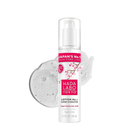
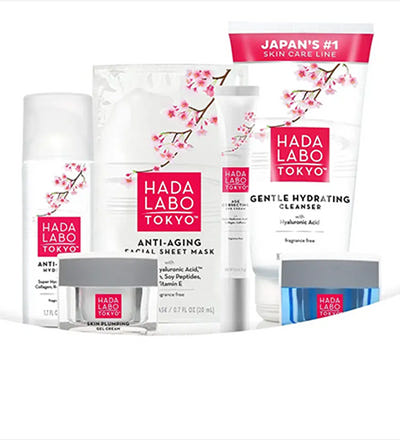
For a routine built around an oil cleanser, the Hada Labo Tokyo Cleansing Oil is the relevant Hada Labo Tokyo product. Its listed size is 195 ml. That bottle size tells you how much product it contains, not how quickly any particular makeup formula will lift.
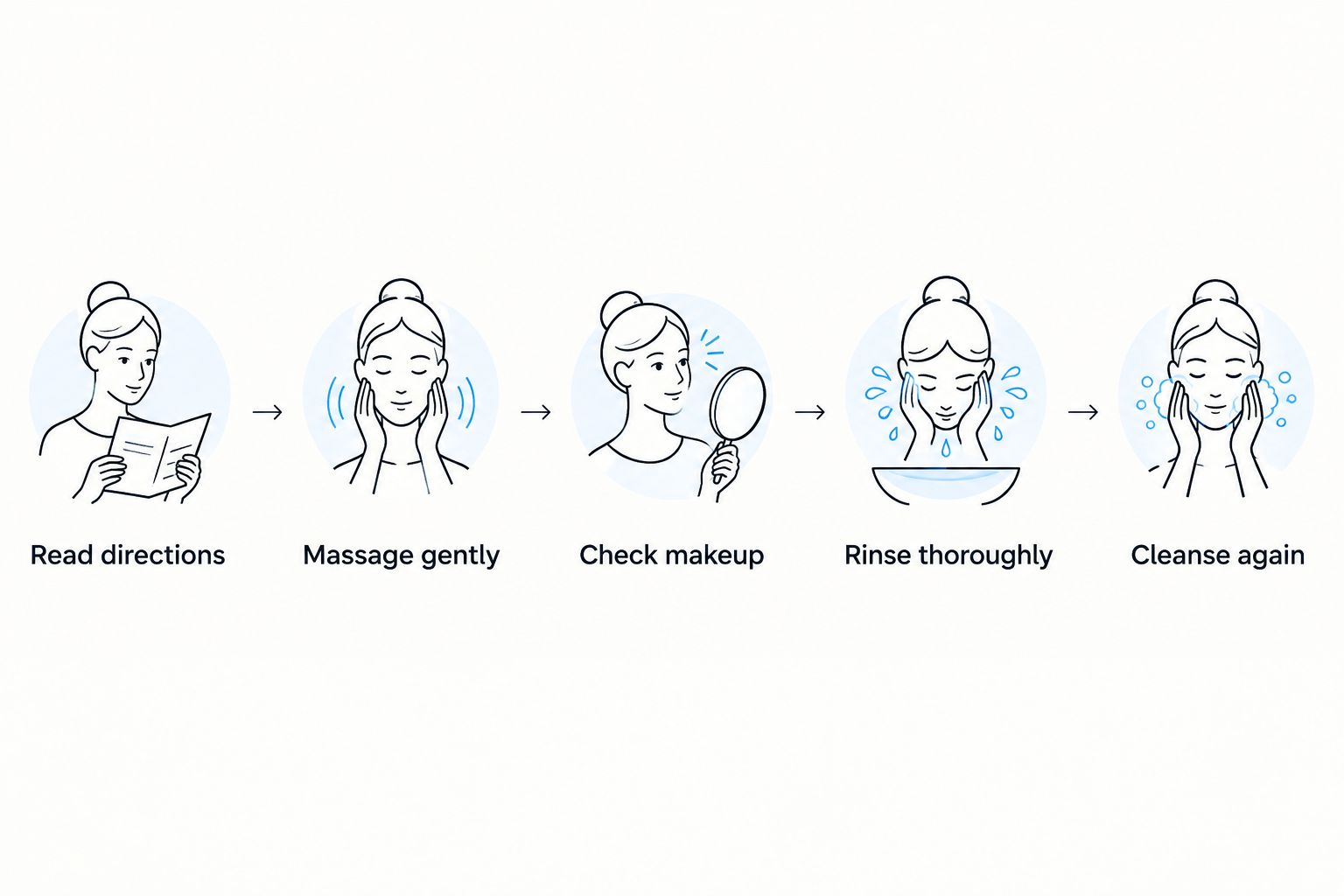
Follow this sequence rather than watching a clock:
- Read the cleanser directions. Check whether the formula calls for dry or damp skin before you start.
- Massage gently where you applied makeup. Give stubborn areas attention without pressing harder or repeatedly dragging the skin.
- Check whether the makeup has loosened. If you can still see an intact patch, keep working gently on that area rather than rinsing the entire face immediately.
- Rinse as directed on the product. Check around the hairline, nose and jaw for makeup that did not wash away.
- Cleanse again if your routine calls for it. A water-based cleanser is a separate step, not a reason to scrub longer with the oil.
A stained rinse cloth is not a useful speed test unless you know whether the color came from makeup, the cleanser or something already on the cloth. Look at your skin after rinsing instead. If you still see makeup, address that area gently rather than treating a longer massage as the answer to every removal problem.
Why does makeup removal time vary?
The same cleansing step feels different from one makeup day to the next. These are the factors you can assess before deciding whether to keep massaging or rinse:
- Makeup formula. Long-wear and waterproof products are made to resist easy removal; light makeup presents a different cleaning task.
- Where you applied it. Mascara at the lash line is harder to inspect and remove gently than foundation on the cheek.
- How much you applied. More layers give the cleanser more material to lift.
- Whether the product is reaching the makeup. A gentle, even massage matters more than extra pressure.
- The cleanser's directions. Starting on dry skin when a label specifies otherwise, or rinsing differently from its instructions, changes the process.
- What you mean by finished. Loosening makeup during massage is not the same as checking that it has rinsed away.
These factors explain why a universal number is less helpful than an observable stopping point. If a patch stays put while the rest of your makeup moves freely, focus on that patch. Do not keep rubbing areas that are already clean.
Does waterproof mascara take longer than foundation?
Waterproof mascara calls for a more careful removal check than ordinary foundation. The difference is not a promised number of seconds: mascara sits close to the eye, where rubbing is a poor substitute for gentle removal. Keep your eyes closed while cleansing around them, follow the product's eye-area directions and stop if the product irritates your eyes.
If you have lash extensions, follow the extension provider's care instructions before choosing an oil cleanser near the lashes. This is a compatibility question, not something a general cleansing timer can answer. Likewise, visible pigment at the lash line after rinsing means the job is not finished; it does not mean you should pull at the lashes.
Foundation can also persist around the nose, hairline and jaw. Check those edges after rinsing rather than assuming that a comfortable massage removed every trace. In 2026, the useful comparison is where residue remains, not which product took an assumed amount of time.
Should you use cleansing oil, micellar water or a water-based cleanser?
Choose the first cleansing step around what you wore and how you prefer to remove it. None of these options has a supported, universal makeup-dissolving time, and none should require hard scrubbing.
| Option | Best for | Advantage | Limitation |
|---|---|---|---|
| Cleansing oil | A first cleanse when you want to work through makeup across the face | Lets you massage makeup gently before rinsing | You still need to check for residue; follow the formula's rinsing directions |
| Micellar water | Targeting visible makeup with a soaked pad | Makes it easy to see transferred makeup on the pad | Repeated pad wiping can add friction, and one pass does not prove the skin is clean |
| Water-based cleanser | Cleansing after makeup has been removed, or washing skin without heavy makeup | Fits naturally as a follow-up cleanse | It is not automatically a replacement for a dedicated makeup-removal step |
Best for a makeup-removal routine: use cleansing oil as the first step, then decide whether a water-based cleanse is needed. Its advantage is the gentle massage step. Its limitation is that you must still rinse and inspect your skin; the oil does not make leftover makeup disappear by declaration.
Micellar water is useful when you want to work on a specific area and inspect the pad. The trade-off is the contact required: keep wiping to a minimum if the skin feels uncomfortable. A water-based cleanser works as a follow-up, but trying to make it do every part of a long-wear makeup removal routine can lead you to rub harder instead of changing the first step.
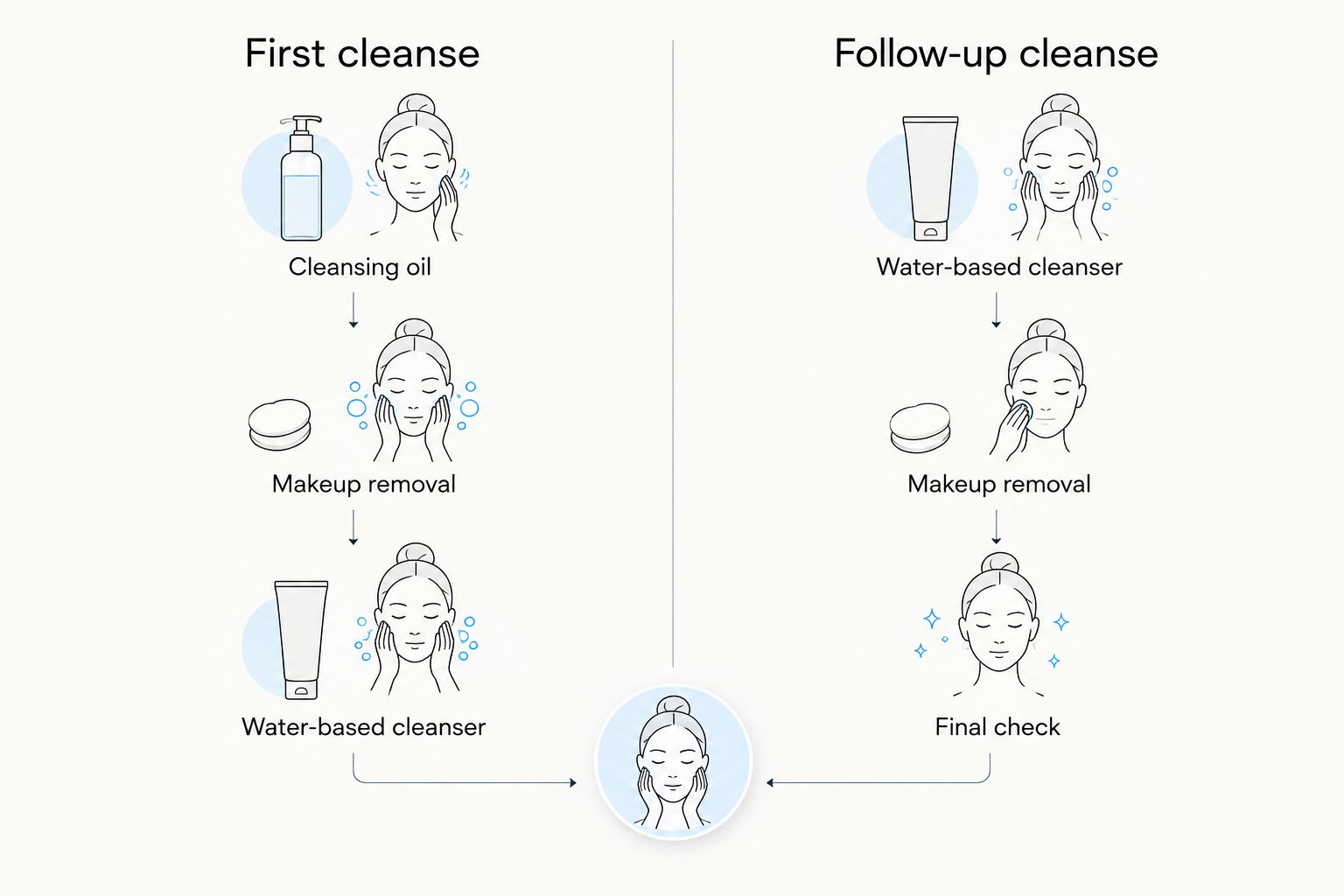
For an illustrated order of use, read the cleansing oil to double cleanse workflow. Follow the directions on the products you actually use if they differ from a general routine.
When should you add a second cleanse?
Add a second cleanse when you want to wash the skin after removing makeup, especially if you can still see residue after rinsing the first product. The second cleanse follows removal; it does not replace the check that the first rinse worked. Use a comfortable touch and stop if your skin feels irritated.
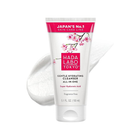
Hada Labo Tokyo lists both a cleansing oil and a gentle hydrating cleanser, as well as a double cleansing set. Those are distinct shopping options, not evidence that every face needs two cleanses every night. If you wore no makeup, start with what your skin needs rather than repeating a makeup-removal process out of habit.


The cleansing oil suits a routine where you choose the follow-up cleanser separately. The double cleansing set suits someone who wants to shop for both steps together. Neither listing provides a timed removal result, so judge your own cleanse by whether makeup is gone and your skin remains comfortable.
What if makeup is still visible after you rinse?
First, identify where it remains. Makeup near the hairline or nose can be easy to miss during rinsing; eye makeup requires a gentler approach because of where it sits. Address the visible patch without repeating a long massage over the whole face.
If the same formula repeatedly resists your current routine, reassess the first cleansing step and follow the makeup and cleanser labels. Pressing harder is not a removal strategy. If a cleanser stings or causes persistent discomfort, stop using it and seek advice from an appropriate healthcare professional.
Do not confuse a slippery feel with proof that makeup is still present. Equally, do not treat a face that feels tight as proof that it is clean. Look for visible residue, rinse thoroughly and pay attention to comfort. Those checks remain useful in 2026 even if your makeup changes.
Can you tell when cleansing oil is ready to rinse?
Yes: rinse when the makeup has loosened without force and you have worked over the areas where you applied it. You then need to check the result after rinsing. A timer cannot tell you whether mascara remains at the lash line or foundation remains near the jaw.
If the cleanser's label gives a specific application or rinsing method, follow it. That instruction is more relevant to the bottle in your hand than a general rule about oil cleansers. The 2026 answer to how long cleansing oil takes is still a condition you can observe, not a fixed duration to memorize.
FAQ
How long does cleansing oil take to dissolve makeup?
There is no fixed time: massage gently until makeup loosens, then rinse according to the cleanser's directions. Check for visible residue afterward instead of relying on a timer.
Does waterproof makeup need more cleansing than light makeup?
Waterproof makeup needs a more careful removal check than light makeup. Work gently, especially around the eyes, and follow the cleanser's eye-area instructions.
Should I keep massaging cleansing oil until my skin feels completely dry?
No. Rinse when the makeup has loosened; dryness is not the stopping point for an oil cleanse. Check whether makeup remains after rinsing.
Can I use cleansing oil around my eyes?
Follow the specific product's directions for eye-area use. Keep the process gentle and stop if your eyes become irritated.
Do I need a second cleanser after cleansing oil?
A second cleanser is an option when you want to wash your skin after removing makeup. Check that the first rinse removed visible makeup before moving on.
Is micellar water faster than cleansing oil for removing makeup?
Neither option has a supported universal removal time. Choose based on the makeup and the method you find comfortable, then check for residue.
What should I do if makeup remains after using cleansing oil?
Address the visible area gently and follow the product's removal directions. Do not compensate by scrubbing harder across your whole face.
One last thing
The fastest-looking cleanse is not necessarily the finished one. In 2026, a brief check around the lash line, hairline and jaw gives you a better answer than extending every massage by an arbitrary amount. Hada Labo Tokyo Cleansing Oil is best for someone who wants a dedicated oil step for makeup removal, provided they rinse and check the result.


