


Hyaluronic acid skincare for dry skin means building a routine around water-binding humectants — lotions, serums, and creams that pull moisture into the skin and then trap it there, rather than adding oil alone. Dry skin needs more layering steps than combination or oily skin because a single hydrating product evaporates fast without a sealant on top.
- Hyaluronic acid skincare for dry skin works best layered thin-to-thick: lotion, serum, then cream to lock in water.
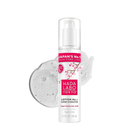
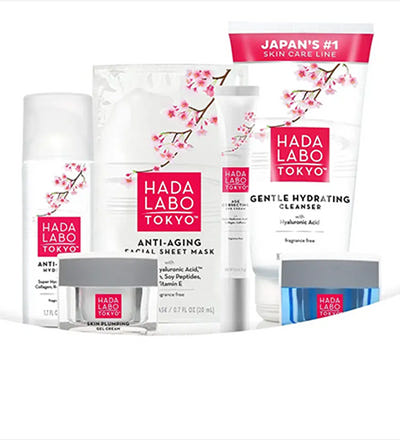
- Hada Labo Tokyo's Lotion No.1 Super Hydrator suits daily layering for flaking, tight skin in 2026.
- Multi-weight hyaluronic acid penetrates deeper than single-weight formulas — check the label before buying.
- Sheet masks add a 15-20 minute hydration boost weekly; they don't replace a daily moisturizer.
- Skip alcohol toners and heavy scrubbing — both strip the barrier dry skin needs intact.
Why hyaluronic acid skincare matters for dry skin
Dry skin loses water faster than it can replace it, and hyaluronic acid holds up to 1,000 times its weight in water when applied to a slightly damp face — that's why the application order matters as much as the ingredient itself. Hada Labo Tokyo built its hyaluronic acid lineup specifically around Japanese layering routines, where lotion goes on before serum and cream instead of after.
For dry skin specifically, the risk isn't picking the wrong ingredient — it's stopping the routine one step too early. A hyaluronic acid serum applied to bare, dry skin without a sealing moisturizer on top can pull moisture from deeper skin layers and leave the surface feeling tighter by evening, especially in low-humidity months.
Step 1: Identify your dehydration signals
Dry and dehydrated aren't the same thing, and the fix is different depending on which one you're dealing with in 2026.
- Tightness within 20 minutes of cleansing
- Fine dry lines that plump up temporarily after water or lotion
- Flaking around the nose, cheeks, or jawline
- A dull, rough texture that concealer sits into rather than blends with
- Skin looks fine right after moisturizer but tight again by mid-afternoon
Step 2: Check the hyaluronic acid weight, not just the name
Many products list "hyaluronic acid" without specifying molecular weight, and that single detail determines whether the ingredient sits on the surface or moves into deeper layers.
- Low molecular weight penetrates deeper but can feel thin on its own
- High molecular weight forms a surface film that holds in existing moisture
- Multi-weight formulas combine both for layered hydration through the day
- Look for "sodium hyaluronate" on the ingredient list — it's the stabilized form used in most formulas
- Patch test any new hyaluronic acid product on the inner forearm for 24 hours first
- Hada Labo Tokyo's Wrinkle Corrector Face Serum and Anti-Age Gift Set both use three types of hyaluronic acid in one formula, which covers surface and deeper hydration in a single step
Step 3: Layer thin to thick, every single time
The order of application matters more for dry skin than for any other skin type because each layer either helps or blocks the one before it.
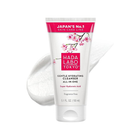
- Cleanse with a low-foam, non-stripping cleanser
- Apply a water-thin lotion or toner to damp skin first
- Follow with a hyaluronic acid serum while skin is still slightly wet
- Seal with a cream or oil essence within 60 seconds
- Finish with SPF in the morning, never skip it even indoors
Step 4: Seal hydration with a proper moisturizer
Serum alone evaporates. A moisturizer with occlusive ingredients on top is what keeps hyaluronic acid skincare for dry skin working past the first hour.
- Look for squalane, ceramides, or shea-type emollients in the cream
- Apply moisturizer while the serum is still slightly tacky, not fully dry
- Use a heavier cream at night than during the day
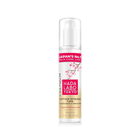
- The Hada Labo Tokyo Deep Nourishing Oil Essence works well layered under a cream on especially flaky patches
- The Lotion No.1 Super Hydrator 150ml is formulated as the water-thin first layer for this exact routine
Step 5: Protect hydration with daily SPF
UV exposure breaks down the skin's natural moisture barrier faster than most people expect, which undoes layering work from the same morning.
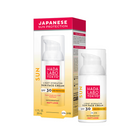
- Apply SPF as the last step of the morning routine, over moisturizer
- Reapply every two hours with outdoor exposure
- Choose a hydrating SPF formula over a mattifying one if skin is already dry
- Don't skip SPF on cloudy days — UVA penetrates cloud cover
Step 6: Add a weekly sheet mask for a hydration reset
A sheet mask isn't a replacement for daily moisturizer, but it delivers a concentrated hydration boost that a standard routine can't match in the same 15-20 minutes.
- Apply to clean, dry skin for 15-20 minutes, no longer
- Pat in the leftover essence rather than rinsing it off
- Follow immediately with your regular moisturizer to seal it in
- The Hada Labo Tokyo Moisturising Facial Sheet Mask is built for this exact multi-layer hydration boost
Step 7: Adjust the routine for season and climate
Dry skin needs a different routine in a heated winter room than in humid summer air, and treating both the same way is one of the fastest ways to undo progress.
- Switch to a richer cream when indoor heating drops humidity below 40%
- Run a humidifier overnight during winter months
- Shorten hot showers — hot water strips lipids dry skin can't easily replace
- Layer an oil essence under cream only in colder months, not year-round
Comparing hydration options for dry skin
| Option | Best for | Key limitation |
|---|---|---|
| Hydrating lotion/toner | First layer on damp skin, all dry skin types | Too light to use alone in low humidity |
| Hyaluronic acid serum | Concentrated hydration boost mid-routine | Needs a sealing moisturizer on top to hold water in |
| Rich cream/moisturizer | Locking in hydration overnight or in winter | Can feel heavy layered under makeup |
| Sheet mask | Weekly intensive reset, dull or flaking skin | Not a daily-use replacement for moisturizer |
| DIY glycerin-water spray | Budget testing before buying a serum | Less stable, no barrier-support ingredients |


Common mistakes people with dry skin make
- Skipping the moisturizer step after serum — hyaluronic acid pulls moisture but doesn't seal it in on its own
- Over-exfoliating — scrubs and high-frequency acids strip a barrier that dry skin can't rebuild quickly
- Applying serum to bone-dry skin — hyaluronic acid works best on slightly damp skin, not fully dry
- Mixing too many actives at once — retinol plus AHA plus vitamin C in one routine irritates an already-compromised barrier
- Expecting overnight results — visible texture change from a consistent hyaluronic acid skincare routine for dry skin typically takes several weeks, not days
FAQ
What's the best hyaluronic acid skincare for dry skin in 2026?
A layered routine of lotion, serum, and a sealing cream works best for dry skin in 2026, since hyaluronic acid needs an occlusive layer on top to hold moisture in. Hada Labo Tokyo's Lotion No.1 Super Hydrator paired with a rich cream covers both steps.
Is hyaluronic acid better than glycerin for dry skin?
Hyaluronic acid holds more water per molecule than glycerin and layers well with it rather than replacing it. Many dry-skin formulas combine both for a stronger hydration effect.
How often should dry skin use a hyaluronic acid sheet mask?
Once or twice a week is enough for most dry skin routines. Daily masking doesn't add extra benefit and can disrupt the skin's own barrier repair cycle.
Can hyaluronic acid make dry skin more dehydrated?
Yes, if applied to bare dry skin without a sealing moisturizer, especially in low-humidity air, since it can pull moisture from deeper layers toward the drier surface. Always follow with a cream.
Does hyaluronic acid work under SPF for dry skin?
Yes, apply hyaluronic acid serum and moisturizer first, then SPF as the final step every morning in 2026. Skipping SPF undoes hydration gains from UV-related barrier damage.
What ingredients should dry skin avoid alongside hyaluronic acid?
Avoid high-alcohol toners and aggressive physical scrubs, which strip the lipids hyaluronic acid needs to hold hydration in place. Layer actives like retinol on alternate nights instead of daily.
One last thing
The order you apply products in changes the result more than which specific hyaluronic acid product you buy — a water-thin lotion applied before a serum, on slightly damp skin, outperforms the same serum applied alone to dry skin. Get the layering order right in 2026 before spending more on a heavier or pricier formula.


