
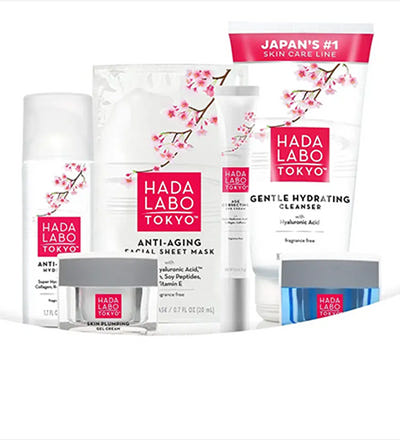


Yes—oily skin does not rule out using Hada Labo Tokyo cleansing oil, provided the formula suits your skin and rinses away comfortably. An oil cleanser helps remove oil-based residue; it is not a treatment for excess sebum or acne. This 2026 guide explains how to judge suitability, use it without unnecessary scrubbing, and decide whether a second cleanser belongs in your routine.
- Is Hada Labo cleansing oil suitable for oily skin? Yes, conditionally: judge the formula, rinse-off, and skin response.
- Cleansing oil removes oil-based residue; it does not treat acne or stop sebum production.
- Double cleansing is an option for makeup removal, not a requirement for every oily-skin routine.
- Keep hydration after cleansing; oily skin and dehydration can occur together.
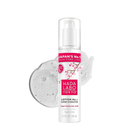
For the exact bottle, check the directions and ingredient list for Cleansing Oil, 195 ml. Hada Labo Tokyo cleansing oil is best considered by oily-skin users seeking an oil-based makeup-removal step, not an acne treatment. The deciding question is how your skin feels after rinsing, rather than whether the cleanser starts out oily.
Why this matters
Oily skin produces sebum, but that does not mean every oil-containing skincare product is unsuitable. A rinse-off cleanser serves a different purpose from a leave-on facial oil. The cleanser needs to lift residue and leave your face comfortable after removal.
The benefit of cleansing oil is its ability to help loosen oil-based makeup and surface residue. The limitation is equally important: neither the word oil nor the brand name establishes that a formula will suit acne-prone or sensitive skin. Those are separate questions.
For your 2026 routine, aim for effective removal without chasing a squeaky-clean finish. Tightness, stinging, and repeated scrubbing are not signs that a cleanser is working better. They are reasons to reassess the product or your technique.
Is Hada Labo cleansing oil suitable for oily skin?
Yes, conditionally: oily skin alone is not a reason to reject a cleansing oil. Choose it for the cleansing task you need, then judge the exact formula and your skin's response. Do not treat general advice about oil cleansing as proof that a particular bottle is non-comedogenic or suitable for every sensitive complexion.
The comparison below explains the roles of common cleanser types. These are category-level distinctions, not verified performance claims about individual formulas. Follow each product's label for application, rinsing, and use around the eyes.
| Cleansing option | Best for | Main advantage | Main limitation |
|---|---|---|---|
| Cleansing oil | Removing oil-based makeup and residue | Helps loosen oily material before rinsing | Formula suitability and rinse-off need individual assessment |
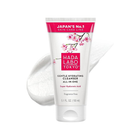
| Gentle Hydrating Cleanser, 150 ml | Readers considering a conventional cleansing step | Offers a cleanser option without choosing an oil format | The product name alone does not establish waterproof-makeup removal |
| Micellar Water Make-up Removing, 400 ml | Readers considering a wipe-on makeup-removal format | Provides an alternative application method | Wiping adds friction; removal and rinsing requirements depend on the label |
Choose by function, not bottle size. The 195 ml, 150 ml, and 400 ml figures identify the listed formats; they do not show which cleanser is more effective or how long a bottle will last. Usage amount and frequency determine consumption.
Oily skin without frequent breakouts
For oily skin that tolerates your current routine, the main reason to consider cleansing oil is makeup or residue removal. You do not need an oil cleanser simply because your forehead becomes shiny. Start with the problem you want the cleansing step to solve.
After rinsing, check whether makeup remains around your hairline, nose, or jaw. Also check comfort. A cleanser that removes residue but leaves persistent burning is not a good fit, while a soft finish does not automatically mean your skin is dirty.
Keep the routine as simple as the removal task allows. If your existing cleanser removes what you wear and leaves your skin comfortable, adding another product is optional. More steps do not automatically produce cleaner or healthier skin.
Oily, acne-prone skin
Oily skin and acne-prone skin overlap, but they are not interchangeable. Acne involves more than surface oil, and washing more aggressively does not address every cause. A cleansing oil belongs in the removal stage, not in place of an acne treatment.
Assess the complete ingredient list rather than judging one ingredient in isolation. Non-comedogenic labeling is useful when present, but it is not a guarantee that you will never develop a breakout. Avoid assuming that this claim applies to a product unless the actual label states it.
If you introduce cleansing oil, keep the rest of your routine stable. That makes a new reaction easier to interpret. Do not dismiss new bumps as an expected cleansing-oil purge. If breakouts persist, or acne is painful or scarring, seek advice from a dermatologist instead of extending your cleansing time.
Oily skin that feels tight or dehydrated
Oiliness describes sebum; dehydration describes insufficient water in the skin's outer layers. You can experience both. A shiny forehead therefore does not cancel out tight cheeks or discomfort after washing.
In a 2026 skincare routine, hydration still belongs after cleansing. Choose a moisturizer you tolerate and adjust the texture to your preferences rather than removing moisturizer solely because your skin looks oily. Hyaluronic Acid is a humectant used in hydrating skincare, not a replacement for cleansing or an acne treatment.
The practical advantage of a hydration-focused routine is comfort. Its limitation is that hydration alone does not control every cause of shine or breakouts. Keep those goals separate so you can tell whether your cleanser, moisturizer, or acne treatment needs attention.
Why cleansing-oil suitability varies
There is no single oily-skin verdict that applies to every formula and routine. These factors explain why the same cleanser category can work well for one person and poorly for another:
- What you remove: Makeup and oil-based residue create a different cleansing task from a bare face. Match the cleanser to what is actually on your skin.
- The complete formula: Oils, cleansing agents, and other ingredients work together. The product category alone does not establish tolerability.
- Your skin's sensitivity: Oily skin can also be reactive. Burning or itching matters even when makeup removal appears effective.
- Your cleansing technique: Rinsing and massage affect the experience. Scrubbing harder is not a substitute for following the directions.
- The rest of your routine: A second cleanser, exfoliant, or acne treatment adds to the total routine. Assess the combination, not just the newest bottle.
The useful comparison is your skin before and after the change. Avoid making several changes together, then blaming or praising the cleansing oil without a clear basis. Your routine should help you identify what works, not obscure it.
How should you use cleansing oil on oily skin?
Follow the bottle's instructions first. Many cleansing oils are applied to dry skin and then mixed with water before rinsing, but those category instructions should not replace directions for your exact product. Keep the application gentle and use the labeled amount.
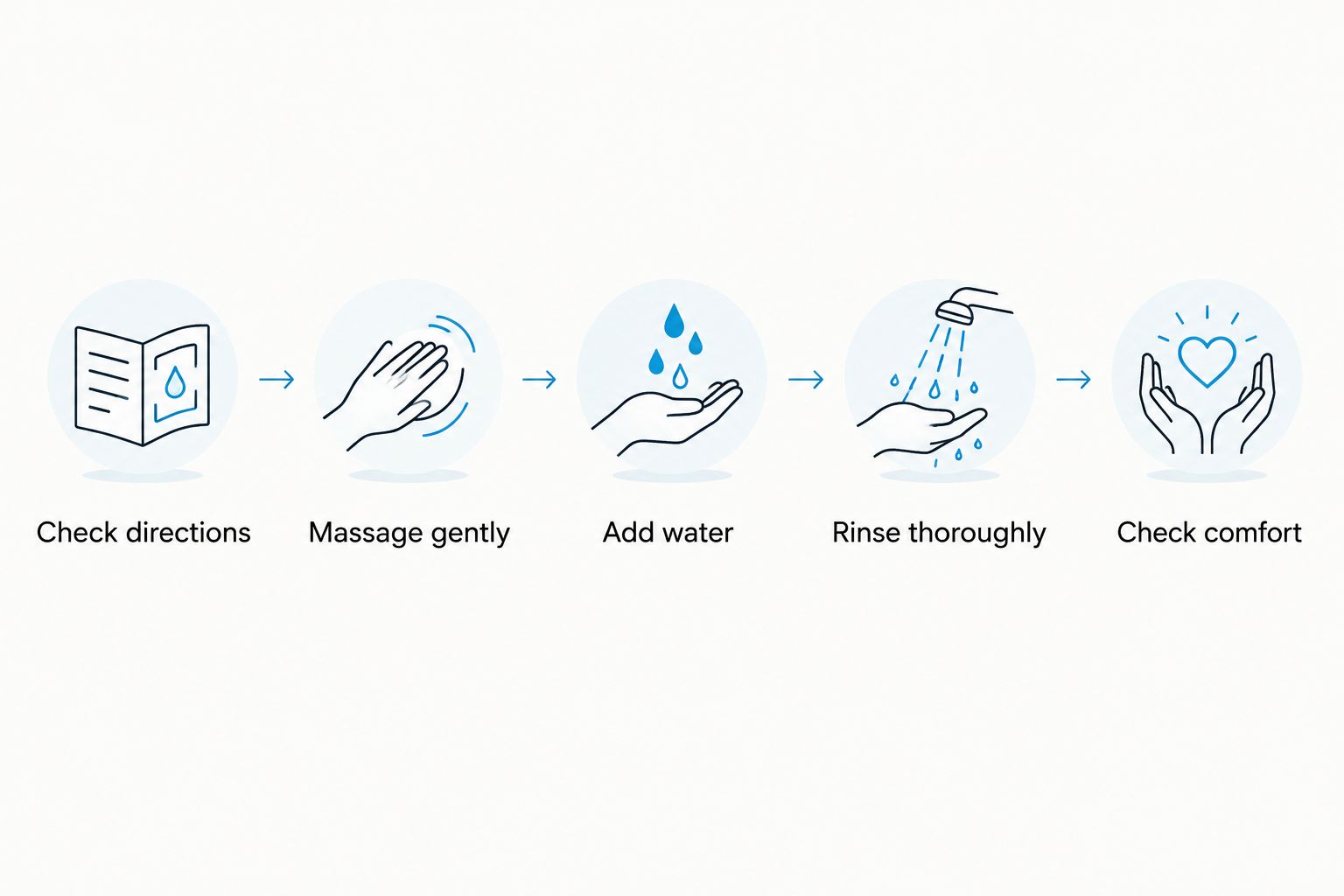
- Check directions. Confirm whether the label specifies dry or damp skin, how to rinse, and whether the product is intended for the eye area. Do not infer eye suitability from the word cleanser.
- Massage gently. Spread the cleanser as directed and work lightly over makeup or residue. Avoid dragging your skin or repeatedly rubbing one area to chase a spotless feeling.
- Add water. If the label instructs you to emulsify, introduce water and continue gently. Emulsification helps the cleansing mixture disperse for rinsing; it is not a cue to scrub harder.
- Rinse thoroughly. Use lukewarm water and pay attention to the hairline and jaw. If obvious residue remains, reassess the amount, directions, or formula rather than adding more friction.
- Check comfort. Decide whether another cleansing step is necessary, then continue with your usual moisturizer. Stop using the product if it causes irritation.
A useful endpoint is removed makeup and comfortable skin. You do not need a prescribed massage duration to make this decision, and longer massage is not automatically better. Avoid treating extended rubbing as a method for extracting pores.
Keep water temperature comfortable and pat your face dry rather than rubbing it with a towel. If your skin feels increasingly irritated as you add steps, simplify the routine. Cleansing should not become a test of how much your skin can tolerate.
Do you need to double cleanse if your skin is oily?
No—oiliness alone does not make double cleansing necessary. Double cleansing means using an initial removal step followed by another cleanser. Its purpose is to finish removing what you wore, not to eliminate all natural oil from your face.
A second cleanse is reasonable when the first step leaves makeup or residue and your skin tolerates the combination. Its advantage is an additional removal step; its drawback is extra exposure to cleansing agents and handling. If your face becomes tight or irritated, more cleansing is not the answer.
For 2026, let your evening routine reflect the day you actually had. Heavy makeup and a makeup-free day do not necessarily require the same process. Use a second cleanser when it serves a clear purpose, rather than applying the rule automatically every night.
Can cleansing oil make oily skin break out?
Yes, an individual cleansing formula can be unsuitable for your skin. That does not establish that all cleansing oils clog pores, and a breakout does not prove the oil ingredient itself caused it. Consider the complete formula, timing, and other routine changes.
Introduce the product without simultaneously adding new exfoliants, serums, and moisturizers. A small-area trial helps you assess immediate irritation, but it cannot guarantee that full-face use will never cause breakouts. Keep your expectations realistic.
Stop using a cleanser that repeatedly causes itching, burning, or worsening skin symptoms. If the problem continues, get professional advice. Swelling or a significant allergic reaction needs prompt medical attention, not another attempt at emulsifying the product.
How can you tell residue from natural shine?
A visible makeup trace after washing is a clearer sign of incomplete removal than shine by itself. Oily skin can become shiny again after cleansing because sebum production continues. Washing is not a permanent switch for oil production.
Compare the immediate result with what happens later. A persistent film directly after rinsing deserves a technique or formula check; shine that returns later does not automatically mean your cleanser failed. Feel and appearance both matter, but neither alone proves pore clogging.
Do not try to keep your face completely oil-free throughout the day by repeatedly washing it. If shine is your main concern, assess the broader routine separately from makeup removal. The cleanser's job ends with effective, comfortable cleansing.
FAQ
Is Hada Labo cleansing oil suitable for oily skin in 2026?
Yes, conditionally: oily skin does not rule out Hada Labo Tokyo cleansing oil. Check the exact formula, follow its directions, and judge whether it removes residue without irritation.
Will cleansing oil make my face more oily?
An oil cleanser does not automatically make oily skin oilier. It is a rinse-off product, and persistent residue after washing should be assessed separately from natural shine that returns later.
Does cleansing oil clog pores?
Cleansing oil is not automatically pore-clogging, but an individual formula can be unsuitable for your skin. The complete formula and your response matter more than the product category alone.
Should I use cleansing oil every night?
Use cleansing oil when it serves your removal needs and your skin tolerates it. A nightly oil-cleansing step is not required simply because you have oily skin.
Do I always need a cleanser after cleansing oil?
No, a second cleanser is not automatically necessary. Follow the product directions and assess whether residue remains and whether your skin tolerates another cleansing step.
Can I skip moisturizer after oil cleansing?
Do not skip moisturizer solely because your skin is oily. A rinse-off cleansing oil is not a substitute for a leave-on moisturizer, and oily skin can also feel dehydrated.
Is cleansing oil better than micellar water for oily skin?
Neither format is universally better for oily skin. Compare makeup removal, application method, ingredient tolerability, and the directions for the exact products rather than choosing by skin type alone.
Does cleansing oil treat acne?
No, cleansing oil is not an acne treatment. It serves a removal step and should not replace prescribed treatment or professional advice for persistent, painful, or scarring acne.
One last thing
The most useful detail is what you do after the rinse. Do not immediately add more cleansing just because your skin feels soft rather than squeaky. First check for actual residue, then check comfort.
For your next 2026 routine adjustment, change the cleanser without changing everything else. That gives you a clearer basis for deciding whether oil cleansing earns its place. Keep the step that solves a removal problem; remove the step that only adds irritation.


