
Hada Labo Tokyo’s cruelty-free status is not established by the product information presented here in 2026. You should not treat it as verified cruelty-free without a current animal-testing policy or applicable independent certification. An unverified status is not evidence that animal testing occurs; it means a definite yes or no would go beyond the evidence.
- Is Hada Labo Tokyo cruelty free? Its status is unverified here; seek current, brand-specific evidence.
- Cruelty-free and vegan answer different questions: animal testing versus animal-derived ingredients.
- Hyaluronic Acid and Japanese-inspired skincare do not establish an animal-testing policy.
- If verified cruelty-free skincare is essential, confirm the policy before choosing products.
Why this matters
Your skincare routine should fit both your skin’s needs and your purchasing standards. Hydration claims tell you what a formula is intended to do. They do not tell you whether animal testing forms part of its development, ingredient sourcing or regulatory assessment.
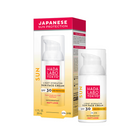
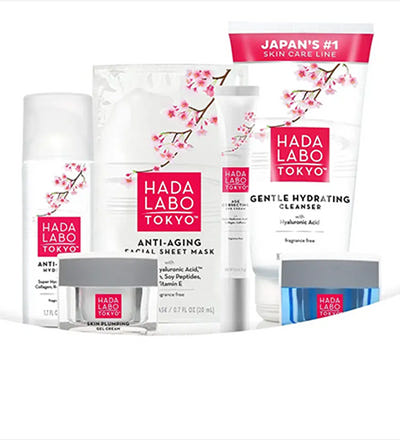
The Hada Labo Tokyo shop sells Japanese-inspired skincare featuring Hyaluronic Acid, including cleansers, serums, moisturizers, SPF, eye care and face masks. That establishes the shop’s category and ingredient-led positioning, not its cruelty-free status.
Hada Labo Tokyo skincare is relevant to shoppers seeking hydration, but its product descriptions do not establish cruelty-free eligibility. If avoiding animal testing is a condition of purchase, settle that question before comparing textures or building a routine.
Is Hada Labo Tokyo cruelty-free?
The supported answer is unverified, not a confirmed yes or a confirmed no. The product information describes skincare formulas and their intended benefits. It does not provide the animal-testing evidence needed to classify the brand.
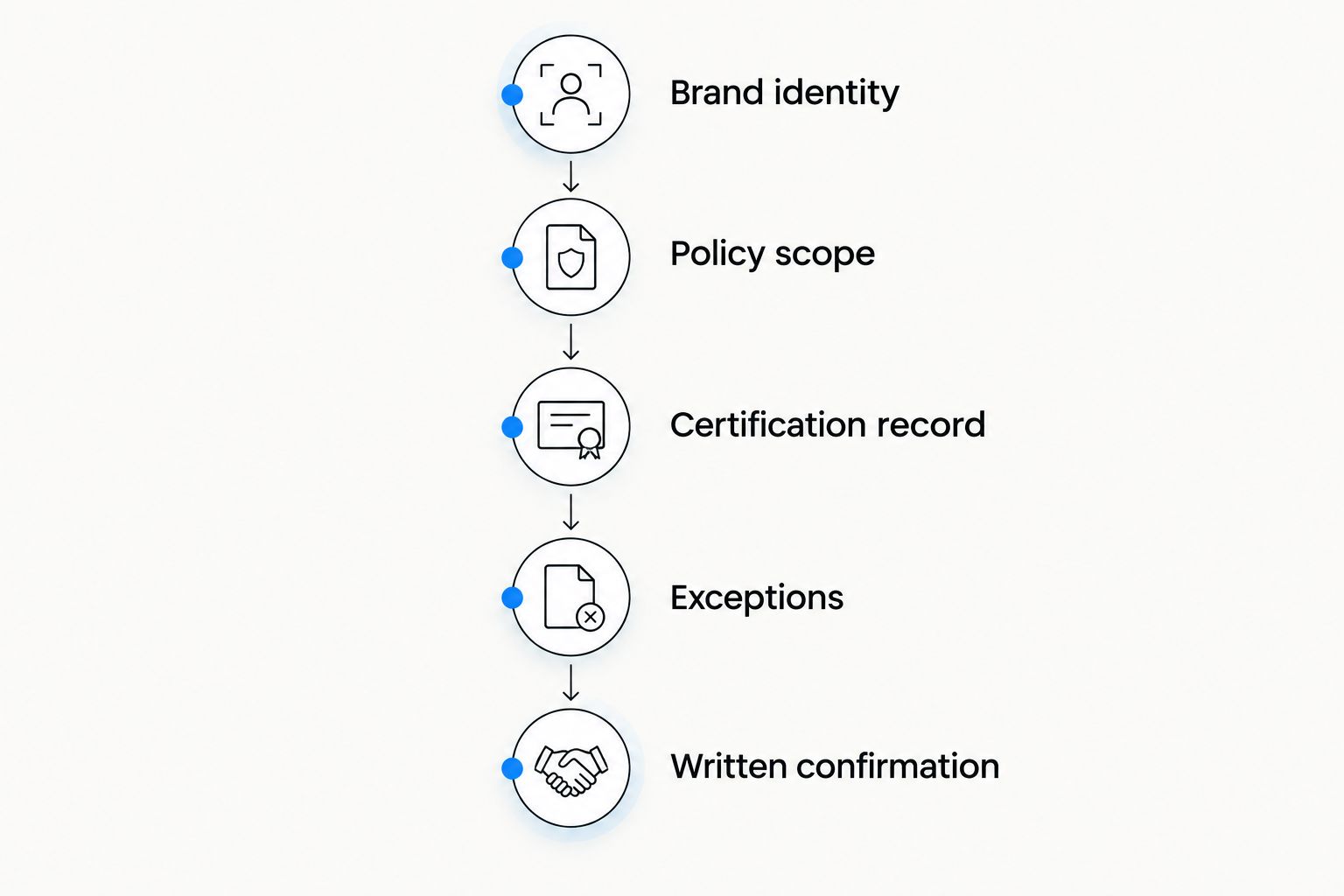
Use the following sequence to resolve the question in 2026. Each step checks a different part of the claim, so a reassuring answer to one question should not substitute for the rest.
- Identify the exact brand. Match the policy or certification to the name on the product you intend to buy. Similar names and regional ranges are not interchangeable evidence.
- Read the complete policy. Look for its scope: finished products, ingredients, suppliers and testing commissioned through other organizations.
- Check any certification independently. If a certification is claimed, verify the exact brand in the certifier’s own records and read the standard it uses.
- Clarify exceptions. Ask whether any part of the policy allows animal testing, including testing connected with regulatory requirements.
- Keep the answer. Save the policy or written response with its date, the product name and the market it covers.
A strong answer identifies who is covered and what activities are excluded. A sentence about finished products alone leaves the ingredient and supplier questions unanswered.
These steps are a purchasing checklist, not a claim that the brand has failed any particular requirement. Do not turn unanswered questions into allegations. Apply the same evidence standard to every skincare brand you consider.
What evidence should you look for?
Look for information that addresses animal testing directly. A product’s ingredient list, hydration description or country-of-origin wording answers other questions.
The useful distinction is between a claim you can read and a claim you can verify. A statement becomes more useful when it identifies its scope, the responsible organization and the products or markets covered.
| Evidence type | What it helps you assess | What still needs checking |
|---|---|---|
| Brand animal-testing policy | The brand’s stated position | Ingredients, suppliers, third parties and exceptions |
| Independent certification record | Whether a named brand meets a particular standard | Current listing, exact brand identity and certification scope |
| Written response to your questions | Specific issues not addressed in public wording | Whether the response covers the product and market you asked about |
| Product ingredient list | Formula composition and possible animal-derived ingredients | Animal-testing practices cannot be established from ingredients alone |
For animal-testing questions, prioritize evidence that explicitly addresses animal testing. An ingredient list is useful for ingredient decisions, but it cannot replace a policy or certification record.
There are limits to each source. A brand statement provides direct wording, but you still need to read its boundaries. Independent certification adds a separate standard, but the standard itself determines what the certification means.
Cruelty-free and vegan are different checks
Cruelty-free concerns animal testing. Vegan concerns animal-derived ingredients. Neither term automatically proves the other.
If both matter to you, ask both questions. Do not assume that a product described as vegan also meets your animal-testing requirements, or that a cruelty-free claim establishes a vegan formula.
| Claim | Best for checking | Strength | Limitation |
|---|---|---|---|
| Cruelty-free | Your animal-testing requirement | Addresses the testing question directly | Does not establish the absence of animal-derived ingredients |
| Vegan | Your ingredient-origin requirement | Addresses animal-derived ingredients | Does not establish the animal-testing policy |
| Hydrating | Your skincare goal | Describes a formula’s intended function | Establishes neither cruelty-free nor vegan status |
A formula can be relevant to dry-feeling skin without meeting every ethical requirement you set. Keep those assessments separate. You do not have to compromise your purchasing standards to acknowledge a product’s intended skincare role.
Does Hyaluronic Acid make skincare cruelty-free?
Hyaluronic Acid does not establish cruelty-free status. It is an ingredient used in hydrating skincare, while cruelty-free assessment concerns testing practices.
Ingredient identity and testing policy belong in separate parts of your decision. Even detailed information about a moisturizing ingredient does not explain what a brand requires of suppliers or allows third parties to do.
The same distinction applies to ingredient origin. If you need a vegan formula, ask about the exact product rather than drawing a conclusion from one highlighted ingredient. A formula contains more than its headline ingredient, and an ingredient name alone does not resolve every sourcing question.
For your 2026 skincare shortlist, keep separate fields for hydration suitability, animal-testing evidence and vegan evidence. This prevents a persuasive product description from answering a question it never actually addresses.
Why cruelty-free answers differ
Different answers can reflect different questions or evidence standards. Before accepting a label, check what the answer actually covers.
- Brand identity: A statement about one named brand does not automatically establish the policy of another similarly named range.
- Testing scope: Finished-product wording does not, by itself, resolve ingredient or supplier testing.
- Claim type: A brand’s own statement and independent certification are different forms of evidence.
- Product scope: A product-specific answer does not necessarily cover an entire catalog.
- Date: Historical wording does not establish that the same policy remains current in 2026.
- Ethical criteria: Vegan ingredients, animal-testing practices and wider corporate concerns are separate purchasing criteria.
These are checks to make, not findings about this brand. None establishes that a particular testing practice occurs.
When two answers conflict, compare their sources before comparing their conclusions. An answer with clear scope is more useful than a confident label with no explanation. Confidence is not a substitute for evidence.
How do I check the exact product I want?
Start with the name printed on your product or shown in its listing. Include the size when you ask for clarification, because this gives the recipient a more precise reference than a general description such as serum or cream.
The following examples show how to identify a product in your request. They are documentation examples, not cruelty-free recommendations, and the listed sizes do not imply any ethical status.
| Product reference | Listed size | What to request |
|---|---|---|
| Concentrated Water Serum | 30 ml | Animal-testing policy and any applicable certification |
| Skin-Plumping Gel | 50 ml | Whether the same policy covers this exact formula |
| Anti-Aging Night Body Serum | 150 ml | Product coverage and, separately, vegan status if needed |
The 30 ml serum, 50 ml gel and 150 ml body serum are different product references. None should inherit a cruelty-free classification solely because another product receives an answer.
You do not need to investigate every product separately when a clear policy explicitly covers the entire relevant range. You do need to establish that coverage rather than assuming it.
What should I ask the brand?
Ask questions that require specific answers. A general request for an ethical skincare statement invites a general response, while a focused request makes the unresolved points clear.
Use these prompts in your own message:
- Does the animal-testing policy cover both finished products and ingredients?
- Does it cover ingredient suppliers and manufacturers acting on the brand’s behalf?
- Does it exclude testing commissioned or conducted through third parties?
- Are there any exceptions to the policy?
- Which products and markets does the answer cover?
- Is there independent certification, and where can its current record be checked?
Include the product name, size and the country where you intend to purchase it. Ask for the policy that applies in 2026, rather than an undated statement.
A response should answer the questions you actually asked. If it discusses only product safety, hydration or ingredient quality, those points do not resolve the animal-testing question.
Is Hada Labo Tokyo vegan as well as cruelty-free?
Neither status is established by the product information presented here. Vegan assessment requires product-specific ingredient-origin evidence; cruelty-free assessment requires animal-testing evidence.
Do not infer vegan status from Japanese-inspired positioning or Hyaluronic Acid. If both requirements are essential, request confirmation of each and retain the answers separately.
Can I rely on a cruelty-free logo on packaging?
A logo needs an identifiable standard and a verifiable connection to the exact brand. Recognizing a symbol is not the same as confirming what it certifies.
Check the organization behind the logo and the scope of its standard. If you cannot establish those details, treat the symbol as a claim requiring clarification rather than a completed check.
Should I buy if cruelty-free status is unverified?
Wait if verified cruelty-free status is a non-negotiable requirement for you. That is a purchasing decision based on your evidence threshold, not an accusation about a brand’s practices.
If you already own a product, an unresolved classification does not tell you whether it suits your skin. Keep your next-purchase decision separate from questions about product tolerance, formula suitability and use.
FAQ
Is Hada Labo Tokyo cruelty free in 2026?
Its cruelty-free status is not established by the product information presented here in 2026. Seek a current animal-testing policy or applicable independent certification before treating it as verified cruelty-free.
Does unverified cruelty-free status mean a brand tests on animals?
No. Unverified means the evidence does not establish the classification; it is not proof that animal testing occurs.
Is cruelty-free skincare always vegan?
No. Cruelty-free concerns animal testing, while vegan concerns animal-derived ingredients; check both if both matter to you.
Does Hyaluronic Acid prove a serum is cruelty-free?
No. Hyaluronic Acid identifies an ingredient, not the testing practices used for the formula, its ingredients or its suppliers.
Can I check cruelty-free status from an ingredient list?
No. An ingredient list helps you assess formula composition, but it does not establish an animal-testing policy.
What is the best evidence to request before buying skincare?
Request a current animal-testing policy with clear scope and verify any claimed independent certification. The evidence should match the exact brand and relevant product range.
Should I wait to buy if I only use verified cruelty-free products?
Yes. If verification is a condition of purchase, wait until the evidence meets that requirement rather than relying on an unsupported label.
One last thing
An accurate unverified answer protects you better than an unsupported yes or no. It leaves room for a documented answer without inventing either reassurance or wrongdoing.
Keep a simple record of the policy, its date and what it covers. Your next purchase then rests on evidence you can revisit, not a label you have to remember.


