
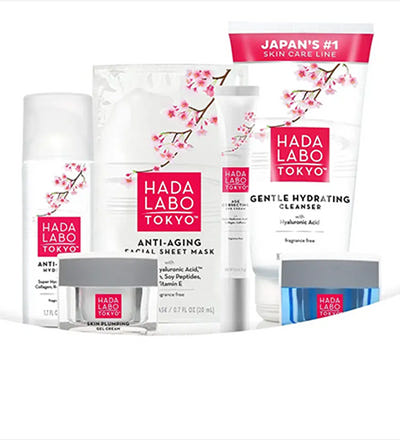


Yes, hyaluronic acid serum is worth it in 2026 if your main goal is to add hydration to a routine that leaves your skin feeling tight or dry. It is less useful if your existing moisturizer already keeps your skin comfortable. A serum adds a hydrating step; it does not replace moisturizer or daytime sun protection.
- Is hyaluronic acid serum worth it? Yes, when hydration is the missing step in your routine.
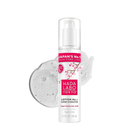
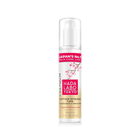
- Hada Labo Tokyo Concentrated Water Serum is best for a serum-focused routine built around hyaluronic acid.
- A moisturizer still matters: serum adds hydration, while moisturizer helps keep skin comfortable.
- Skip the extra step if your current cleanser and moisturizer already meet your hydration needs.
Is hyaluronic acid serum worth it in 2026?
Yes for a specific hydration gap; no as an automatic addition to every routine. Compare what you already use with the job you want the next product to do. The relevant question is not whether a serum is inherently better than a lotion or cream. It is whether a separate hydrating layer improves a routine that otherwise leaves your skin uncomfortable.
| Option | Best for | What it adds | Limitation |
|---|---|---|---|
| Hada Labo Tokyo Concentrated Water Serum | Someone who wants a dedicated hyaluronic acid serum | A 30 ml serum described with three types of hyaluronic acid | Adds another step; does not replace moisturizer or SPF |
| Hydrating lotion | Someone who prefers a fluid hydration step | A way to add hydration without choosing a serum format | An additional serum can feel redundant if the lotion already works for you |
| Moisturizer | Someone whose skin needs lasting comfort after cleansing | A finishing layer in a basic hydration routine | A moisturizer alone might not give you the light, separate hydrating layer you prefer |
The verdict: start with the routine you have. If cleansing is followed by tightness and your moisturizer alone does not leave you comfortable, a serum is a reasonable addition. If your skin feels comfortable throughout the day, you do not need a new step simply because hyaluronic acid is popular.
Why this matters
Hydration products overlap in purpose but differ in how you use them. That makes it easy to buy several products for the same complaint without identifying which step is missing. In 2026, the simplest test is still the most useful: judge a serum by how your skin feels when it is used with your existing moisturizer, not by the number of steps in the routine.
Hyaluronic acid is a humectant, meaning it helps attract and hold water. In skincare, that makes it relevant to the appearance and feel of hydrated skin. It does not turn a topical serum into a permanent fix for wrinkles, and it does not make sun protection optional. A serum has a narrower, clearer job: add a hydrating layer that you can use before moisturizer.
The distinction matters if you are shopping for several concerns at once. If the immediate problem is tightness after cleansing, begin by examining your cleanser and moisturizer as well as any serum. If the concern is daytime sun exposure, choose sun protection for that job. Do not ask a hydration serum to do either product's work.
When a hyaluronic acid serum earns its place
A serum makes sense when you want more hydration but do not want to replace every product you already use. Its separate format lets you keep the cleanser and moisturizer you like while changing the hydration step between them. That is a practical reason to add one; collecting more layers is not.
Best for a dedicated hydration step: Hada Labo Tokyo Concentrated Water Serum is best for someone who wants a hyaluronic acid serum before moisturizer. Its product description identifies three types of hyaluronic acid. The trade-off is straightforward: you gain a focused extra step, but you still need to decide whether that step improves your routine enough to keep it.
A serum is also worth considering when you prefer a lighter hydrating layer beneath a cream. Apply products in an order that feels comfortable and does not leave an unpleasant residue. You do not need to use a serum, lotion and multiple creams together to prove that your skin is hydrated. A shorter routine that you use consistently is a better choice than a longer one you dislike using.
When to skip it
Skip a separate serum if your current moisturizer already leaves your skin comfortable. Hyaluronic acid appears in different skincare formats, so a bottle labelled serum is not the only way to include it in a routine. Adding a product that repeats an existing step gives you more to apply without addressing a clear need.
Also pause before adding a serum if your skin feels tight immediately after cleansing. A hydrating layer can help with comfort, but it should not distract from a cleanser that leaves your skin feeling stripped. Consider how the full routine feels, rather than judging the serum in isolation.
If a product stings or leaves your skin uncomfortable, stop using it and review the formula instead of assuming you need to apply more. Hyaluronic acid is the headline ingredient, not the entire ingredient list. Your experience with the finished product matters more than the claim on the front of the bottle.
Why the value of a serum varies
The answer changes with your skin's needs and the products already beside your sink. These factors determine whether hyaluronic acid serum fills a gap or duplicates another step:
- Your starting routine. A cleanser and moisturizer might already give you the comfort you want. A serum has more purpose when that basic routine still feels short on hydration.
- Your preferred texture. Some people like a distinct, light layer before cream. Others prefer to apply one moisturizer and finish. Neither approach requires a more elaborate routine.
- The rest of the formula. Hada Labo Tokyo's serum range includes products described around different ingredients and goals. Read the individual product description rather than treating every serum as interchangeable.
- The concern you want to address. Dehydration and a preference for plumper-looking skin point toward a hydrating step. Sun exposure calls for SPF instead; a serum does not substitute for it.
- How your skin responds. A product is not useful to you if you dislike its feel or it makes your skin uncomfortable. Keep the routine that your skin tolerates and that you will actually use.
These are decision factors, not reasons to buy several serums at once. Make one change, see how it fits with your moisturizer, and keep it only if it solves the problem you identified. In 2026, a good hydration routine is the one that works as a whole, not the one with the most hyaluronic acid products.
How to use a hyaluronic acid serum
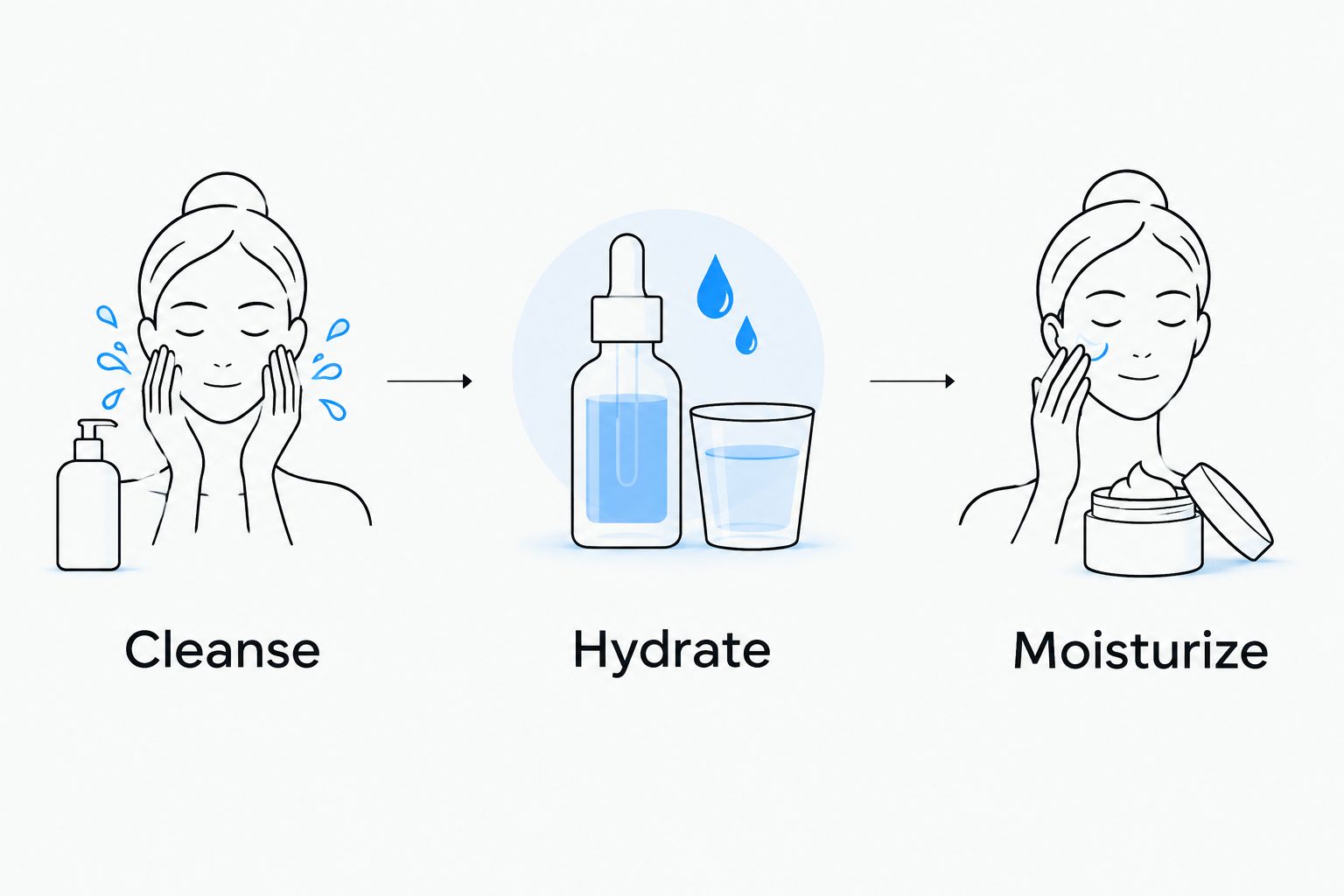
You do not need a complicated sequence. Give each product a job, and apply the serum where a separate hydrating layer fits: after cleansing and before moisturizer. In the daytime, finish with sun protection rather than treating hydration as a replacement for it.
- Cleanse. Start with a cleanser that leaves your skin comfortable. If your face feels tight after washing, look at that step before adding more products to compensate.
- Hydrate. Apply the serum according to its product directions. Notice how it feels beneath the rest of your routine instead of judging it only at the moment you apply it.
- Moisturize. Follow with your moisturizer. Judge the combination by your skin's comfort, not by whether the serum feels rich enough to act as a cream on its own.
The order gives you a clear way to assess the addition. If the routine feels comfortable without serum but sticky or cumbersome with it, the extra step has not earned its place. If your skin feels better with the serum under moisturizer, you have found a reason to keep it.
For a product-focused comparison, Hada Labo Tokyo offers a 30 ml Concentrated Water Serum described with three types of hyaluronic acid and a 30 ml Nourishing Booster Serum described as hydrating, soothing and moisturizing. The latter also names nano-ceramides and azulene. Choose by the formula and goal described on each product page; do not assume the two serums serve exactly the same purpose.


Can hyaluronic acid serum replace moisturizer?
No, hyaluronic acid serum is a hydration step, not an automatic moisturizer replacement. Use your skin's comfort as the deciding test. If it feels tight after serum alone, follow with moisturizer; if your established moisturizer routine already feels right, you might not need a separate serum at all.
The distinction is especially useful when a product name promises hydration. A serum and a moisturizer can both contribute to a comfortable routine without doing precisely the same job. In 2026, choose the combination that meets your needs rather than assuming every hydrating product must be used together.
Is hyaluronic acid serum worth it for oily skin?
Yes, hyaluronic acid serum is worth considering for oily skin when it also feels dehydrated. Oiliness does not tell you whether your skin feels comfortable after cleansing. Choose a formula and routine that feel right on your skin, and do not add layers that leave it feeling overloaded.
A serum is not automatically the best format, though. If a lighter moisturizer already gives you enough comfort, stick with it. The goal is a routine you like using, not a particular number of bottles.
Will hyaluronic acid serum remove wrinkles?
No, hyaluronic acid serum will not remove wrinkles. Hydration can make skin look plumper and make dryness-related lines look less noticeable, but that is different from erasing established wrinkles. Keep that distinction clear when you read claims about lifting, firming or age-related concerns.
If wrinkles are your main reason for shopping, read the full formula and intended use of each product. A hydration serum is easiest to judge on hydration. Do not buy it expecting one ingredient to address every change in your skin.
FAQ
Is hyaluronic acid serum worth it in 2026?
Yes, hyaluronic acid serum is worth it in 2026 when your routine needs an added hydration step. Skip it if your current moisturizer already keeps your skin comfortable.
What does hyaluronic acid serum do for your face?
Hyaluronic acid serum adds a hydrating layer that can help skin feel more comfortable and look plumper. It does not replace moisturizer or sun protection.
Should I use hyaluronic acid serum before moisturizer?
Yes, apply a hyaluronic acid serum before moisturizer as a separate hydrating step. Follow the directions for the specific products you use.
Do I need hyaluronic acid serum if my moisturizer contains it?
No, you do not automatically need a separate serum if your moisturizer already meets your hydration needs. Add a serum only if you want and benefit from another hydrating layer.
Is hyaluronic acid serum useful for oily skin?
Yes, it can be useful when oily skin also feels dehydrated. Choose a formula that feels comfortable rather than assuming oily skin needs more layers.
Can hyaluronic acid serum replace SPF?
No, hyaluronic acid serum cannot replace SPF. Hydration and sun protection have different jobs in a daytime routine.
Can hyaluronic acid serum get rid of wrinkles?
No, hyaluronic acid serum does not get rid of established wrinkles. Hydrated skin can look plumper, but that visible effect is not the same as removing wrinkles.
One last thing
The best test in 2026 is not whether a serum sounds essential. It is whether you can name the problem it solves in your own routine. If your skin feels comfortable without one, skip it. If a separate hydrating layer improves how your skin feels beneath moisturizer, keep it. That simple distinction makes a better buying decision than choosing by product category alone.


