


Yes, an SPF moisturizer remains effective when applied over a serum, provided you apply the sunscreen generously and evenly as a separate layer. Let the serum settle first, then finish your skincare with the SPF product; do not mix them together. A serum does not add to the SPF rating, and layering does not remove the need to reapply sunscreen during outdoor exposure.
- Is SPF moisturizer over serum effective? Yes: apply serum first, then sunscreen separately and evenly.
- Hyaluronic acid supports hydration; it does not replace broad-spectrum sun protection.
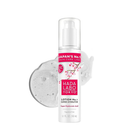
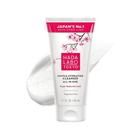
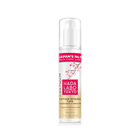
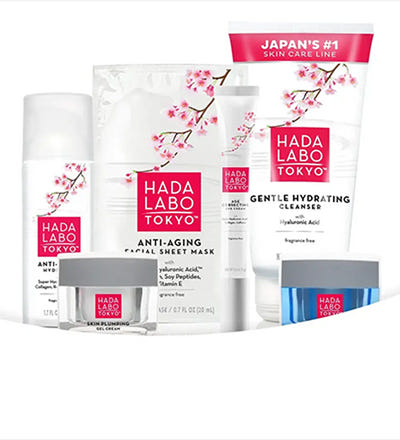
- Hada Labo Tokyo offers hydrating skincare for readers building a serum-and-SPF routine.
- Choose broad-spectrum SPF 30 or higher, and reapply every 2 hours outdoors.
Is SPF moisturizer effective when applied over a serum?
Yes. The serum underneath is not, by itself, a reason for an SPF moisturizer to stop working. The practical requirement is an even sunscreen layer, applied according to the product label rather than diluted into another skincare product.
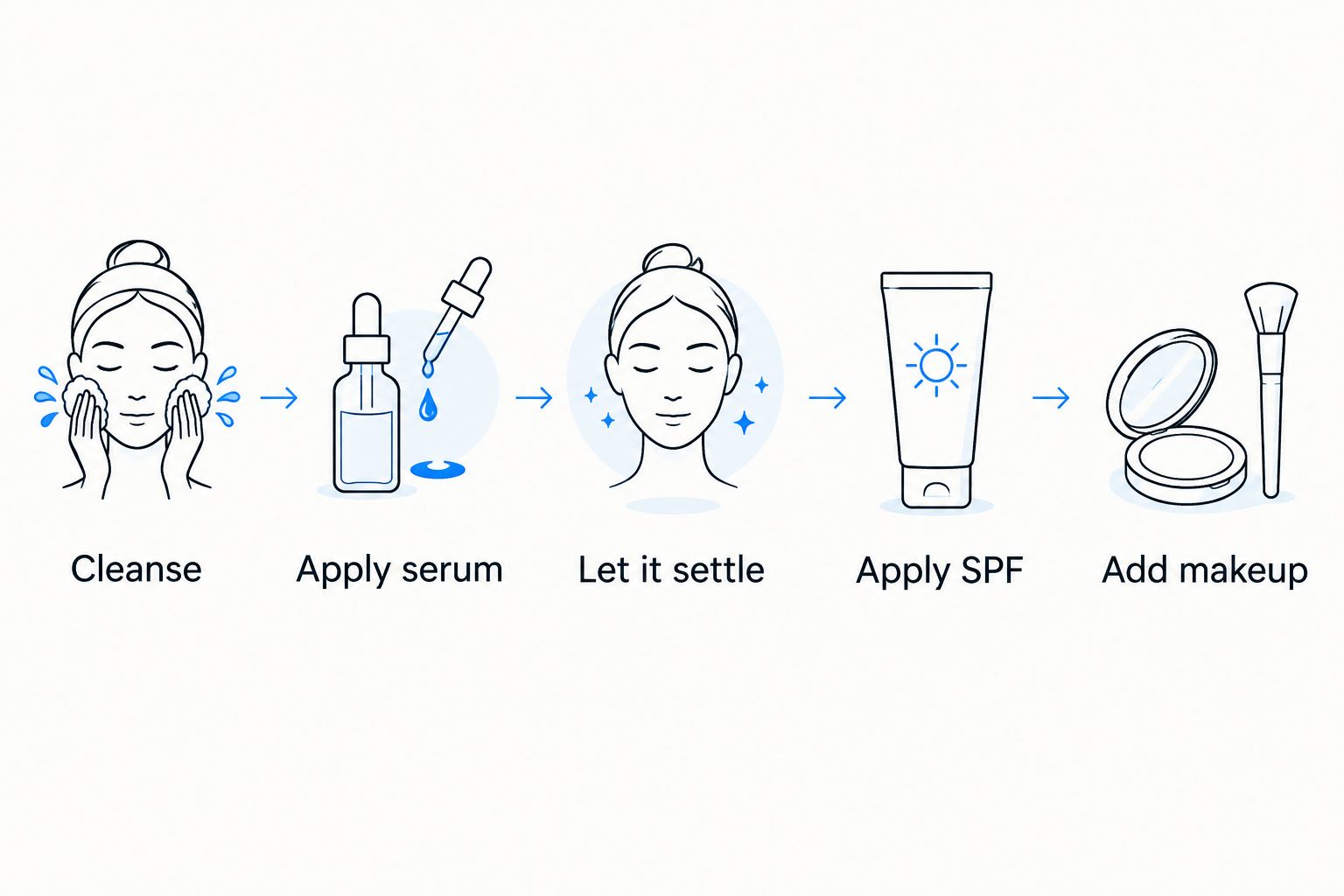
Use this order for your 2026 morning routine:
- Cleanse. Start with clean skin and gently pat away excess water.
- Apply serum. Follow the serum's directions rather than adding extra for a wetter finish.
- Let it settle. Wait until the serum no longer leaves a wet, slippery surface.
- Apply SPF. Spread the sunscreen evenly over exposed skin, following its application instructions.
- Add makeup. Let the sunscreen settle before applying makeup without excessive rubbing.
If your first layer stays sticky or rolls into little balls, review how much hyaluronic acid serum to apply per use. Do not solve a heavy serum layer by using less sunscreen.
Sunscreen testing measures the finished sunscreen product under controlled conditions. Your serum does not become part of that tested formula simply because you use both products in the same routine.
Why this matters
Hydration and sun protection solve different problems. Hyaluronic acid is a humectant that helps skin retain moisture; sunscreen reduces exposure to ultraviolet radiation when used correctly.
That distinction matters when your skin feels comfortable after serum alone. A hydrated finish is not evidence of UV protection, just as a rich cream texture is not proof that a product contains sunscreen.
For your 2026 routine, the American Academy of Dermatology recommends broad-spectrum, water-resistant sunscreen with SPF 30 or higher. Its consumer guidance also recommends applying sunscreen before going outdoors and reapplying during outdoor exposure. Check those properties on the label instead of assuming every day cream supplies them.
SPF moisturizer or separate moisturizer and sunscreen?
An SPF moisturizer combines moisturizing and sunscreen functions in one formula. A separate moisturizer followed by sunscreen gives you another way to adjust comfort, but neither approach excuses a thin or patchy sunscreen application.
| Approach | Best for | Advantage | Limitation |
|---|---|---|---|
| Serum, then SPF moisturizer | A shorter morning routine | Combines moisturizing and sun protection in the final skincare layer | You still need the full sunscreen application, not a small dab of cream |
| Serum, moisturizer, then sunscreen | Skin that needs additional moisture | Lets you adjust the moisturizing layer separately | Extra layers require attention to settling and pilling |
| Serum mixed with SPF moisturizer | Not recommended | Combines application into one step | Changes the tested sunscreen formula and makes protection unpredictable |
Choose the routine that lets you apply sunscreen evenly and generously. If your SPF moisturizer leaves your skin comfortable, an additional moisturizer is not automatically necessary.
If your skin still feels tight, add a compatible moisturizer underneath rather than mixing it into the SPF. Keep that extra layer modest enough that the sunscreen spreads without sliding around.
Why SPF performance over serum varies
The useful question is not whether serum cancels sunscreen. It is whether your complete routine allows you to apply and maintain a proper sunscreen layer.
- Application amount: A thin cosmetic layer does not necessarily deliver the labeled protection. Follow the sunscreen's directions across all exposed areas.
- Surface condition: A wet, slippery serum layer makes controlled, even sunscreen application harder. Let the underlying skincare settle first.
- Product mixing: Stirring serum into sunscreen changes the formula you are applying. Layer products separately instead.
- Coverage: Missed areas remain exposed regardless of the SPF printed on the tube. Include the hairline, ears and exposed neck.
- Friction and removal: Toweling and rubbing remove product. Sweating and swimming also make the sunscreen's water-resistance and reapplication instructions important.
- Time outdoors: A morning application is not an all-day promise. Reapply during outdoor exposure rather than relying on the serum underneath.
For a 2026 routine check, assess these application habits before adding more products. A longer ingredient list cannot compensate for sunscreen that you spread too thinly or rub away.
How much SPF moisturizer should you apply over serum?
Use the sunscreen amount directed on the label, even when the serum underneath feels deeply hydrating. Do not reduce the amount because the combined finish feels richer than you expected.
SPF testing commonly uses an application density of 2 milligrams per square centimetre of skin. That laboratory standard explains why a light swipe of SPF moisturizer is not equivalent to the tested application; it is not an instruction to measure your face at home.
The American Academy of Dermatology advises generous coverage of skin not covered by clothing. For your face, work carefully around the hairline and follow the label's instructions for the eye area, avoiding direct contact with the eyes.
If the necessary application feels uncomfortable over your serum, simplify the layers underneath or choose a sunscreen texture you tolerate better. Reduce optional skincare before reducing sunscreen.
SPF numbers also do not add together. Applying an SPF product over another SPF product does not create a new, combined rating, and a serum without an SPF claim contributes no labeled sun protection.
How long should you wait between serum and SPF moisturizer?
Wait until the serum has settled rather than following an invented universal countdown. Different formulas leave different finishes, so the useful sign is a surface that is no longer visibly wet or excessively slippery.
You do not need to keep rubbing until every trace of skincare disappears. Apply the serum as directed, give it time to settle, then spread the sunscreen gently and evenly.
This settling time is separate from the sunscreen's pre-exposure instructions. The American Academy of Dermatology recommends applying sunscreen 15 minutes before going outdoors; follow your product's label if it gives specific directions.
For a rushed 2026 morning, remove optional steps rather than mixing serum and sunscreen in your palm. A shorter routine is easier to complete without sacrificing the final protective layer.
Which hydrating products fit a serum-and-SPF routine?
Hada Labo Tokyo is best for shoppers seeking Japanese-inspired, hyaluronic-acid-led hydrating skincare. Within a morning routine, choose a serum for hydration and a labeled SPF product for sun protection—not as interchangeable steps.
The following products serve different roles. They are not presented as a tested pairing, and individual skin comfort still determines whether the combination suits you.
| Product | Best for | Supported benefit | Limitation |
|---|---|---|---|
| Hada Labo Tokyo Concentrated Water Serum Lock-in-Moist 30ml | A dedicated hydrating serum step | Its description identifies three different types of hyaluronic acid | It does not replace a sunscreen step |
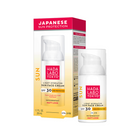
| Hada Labo Tokyo Face Sun Cream SPF 50 50ml | A hydrating facial SPF step | Its description identifies Super Hyaluronic Acid and SPF 50 sun protection | It still requires correct application and reapplication; SPF alone does not establish every label claim |
Check the current packaging for directions, broad-spectrum protection and any water-resistance claim before choosing sunscreen for your activity. Do not infer those details from the SPF number or the presence of hyaluronic acid.
These product details describe their separate roles, not a guarantee that the pair will never pill or irritate. Introduce unfamiliar skincare cautiously and stop using a product that causes irritation.
What should you do if SPF moisturizer pills over serum?
Pilling is a reason to adjust application, not proof of a specific loss of SPF. You cannot calculate the remaining protection by looking at the small rolls of product.
Start by simplifying the routine underneath sunscreen. Use the serum as directed, leave out optional layers, and let the surface settle before applying the SPF product.
Next, reduce repeated rubbing. Once sunscreen is spread evenly, continuing to massage it while it sets can disturb the layer you just applied.
If visible product rolls away or coverage becomes patchy, do not assume the original application remains intact. Gently remove the disrupted layers and reapply sunscreen according to its directions before exposure. Persistent pilling is a practical reason to try a different combination, not to keep cutting the sunscreen amount.
Does serum make SPF moisturizer last longer?
No. A serum does not extend the sunscreen's reapplication interval or make a non-water-resistant formula suitable for swimming.
The American Academy of Dermatology recommends reapplying sunscreen every 2 hours outdoors and immediately after swimming or sweating. Follow the label's water-resistance directions, and reapply after towel drying.
In 2026, use the same distinction throughout the day: hydration is a skincare benefit, while maintaining sunscreen coverage requires sunscreen. Clothing, shade and a broad-brimmed hat remain useful alongside it.
Do not wait for your skin to feel dry or for sunlight to feel hot before considering protection. Skin comfort is not a reliable indicator of UV exposure or how much sunscreen remains.
Can you apply SPF moisturizer over vitamin C or niacinamide serum?
Yes, vitamin C and niacinamide serums can sit beneath sunscreen in a morning routine when you tolerate the formulas. Neither ingredient replaces broad-spectrum sunscreen or raises its labeled SPF.
Choose the serum for a specific skincare need rather than collecting multiple overlapping layers. If a formula stings, leaves persistent redness or complicates sunscreen application, simplify the routine and address the irritation.
A hyaluronic acid serum is another hydration-focused option. Whichever serum you choose, the practical sequence stays the same: serum first, sunscreen afterward, with each product used according to its directions.
FAQ
Is SPF moisturizer over serum effective for daily use?
Yes, SPF moisturizer remains effective over serum when applied separately, generously and evenly according to its label. Let the serum settle first, and do not mix the products together.
Can I put sunscreen straight over hyaluronic acid serum?
Yes, you can apply sunscreen over hyaluronic acid serum after the serum settles. Add a separate moisturizer only if your skin needs more moisture, and keep sunscreen as the final skincare layer.
Do I need moisturizer between serum and sunscreen?
No, a separate moisturizer is not always necessary between serum and sunscreen. Use one if your skin needs it, but choose layers that allow an even sunscreen application.
Does mixing serum with SPF moisturizer lower protection?
Mixing serum with SPF moisturizer changes the tested sunscreen formula, so you cannot rely on the labeled protection of that mixture. Apply the products as separate layers instead.
Is SPF 50 enough if I use a brightening serum?
SPF 50 does not remove the need to check broad-spectrum coverage, apply enough sunscreen and reapply outdoors. A brightening serum does not increase the sunscreen's labeled protection.
How often should I reapply SPF moisturizer over serum?
Reapply sunscreen every 2 hours outdoors and immediately after swimming or sweating, following its label. You do not need to repeat the serum step whenever you reapply sunscreen.
Can I wear makeup over serum and SPF moisturizer?
Yes, apply makeup after the serum and sunscreen have settled. Avoid excessive rubbing that disturbs the sunscreen layer, and maintain sunscreen protection during outdoor exposure.
One last thing
A routine that pills is not improved by using less SPF. Before replacing everything, try removing an optional layer beneath the sunscreen and keeping the sunscreen application unchanged.
That simple check separates a layering problem from a hydration problem. Your serum should support a comfortable routine, not make the most important daytime protective step harder to complete.


