
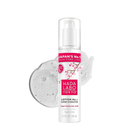
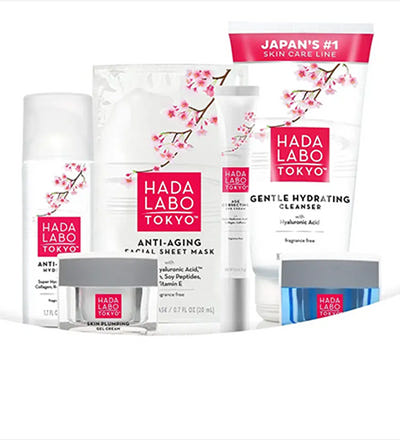


Instead of taking off makeup at bedtime and stopping there, use a micellar water evening routine that removes makeup, checks what remains on your skin, and finishes with hydration. Start with Hada Labo Tokyo Micellar Water Make-up Removing 400ml, then adjust the cleansing step to what you wore that day.
- A micellar water evening routine starts with makeup removal, followed by a skin check and hydration.
- Hada Labo Tokyo micellar water is best for a straightforward makeup-removal step; it does not replace every cleansing decision.
- On makeup-free evenings, assess sunscreen and residue before deciding whether to use micellar water.
- Apply a hydrating serum after cleansing, then finish with a moisturizer that suits your skin.
Why this matters
A cotton pad that looks clean tells you the pad has stopped picking up visible makeup. It does not tell you whether your face feels comfortable or whether you want a further cleanse. Those are separate decisions, and treating them as separate steps makes a 2026 PM routine easier to repeat.
Micellar water gives you a practical first step when you have worn makeup. A water-based cleanser gives you a different way to wash your face; a cleansing oil is another option for removing makeup. The best routine is the one that matches what is on your skin tonight, rather than a fixed sequence that you follow regardless of whether you wore makeup, sunscreen, or neither.
Hada Labo Tokyo is best for shoppers building a hydrating skincare routine around makeup removal and a hyaluronic acid serum. The trade-off is that no single product decides whether you need another cleanse: you still need to check your skin and follow each product’s directions.
Choose the cleansing route before you begin
| Starting point | Best for | Advantage | Limitation |
|---|---|---|---|
| Micellar water | Targeted makeup removal with a cotton pad | Lets you focus on areas where makeup is visible | You need to check whether makeup or residue remains |
| Cleansing oil | An oil-based first cleanse | Offers a different way to loosen makeup before washing | Adds a step if you prefer a short routine |
| Water-based cleanser | Washing your face, including on makeup-free evenings | Simple to use when you do not need a separate makeup-removal step | It may not be your preferred first step for stubborn makeup |
These are routes, not a ranking. In 2026, use the table to choose a starting step, then let your skin’s condition determine what comes next. If you wore eye makeup, pay attention to that area rather than rubbing harder across your whole face. If you wore nothing on your face, there is no reason to perform a makeup-removal step just to complete a checklist.
Before you start
- Have micellar water, clean cotton pads, and your usual moisturizer ready. If you plan to wash after makeup removal, put your cleanser within reach before you begin.
- Check the directions on your micellar water and any cleanser, especially instructions for use around the eyes and whether rinsing is required. Product directions take priority over a generic routine.
- Decide what you are removing. Makeup-free does not always mean product-free: if you wore sunscreen, assess its removal rather than treating the evening as though your face needs no cleansing.
Keep a clean towel nearby if you will rinse. The avoidable mid-routine mistake is applying serum while makeup remains around the hairline or eyes, then trying to remove it through a layer of skincare. Finish removal and any washing first; hydration comes afterward.
Set up your makeup-removal step
A micellar water evening routine works best when you use the cotton pad to lift what you wore, not as a reason to scrub. Work methodically and check the areas you usually miss. In 2026, this remains a more useful rule than adding extra products to an unfinished cleanse.
- Identify what is on your face. Check for complexion makeup, eye makeup, lip colour, and sunscreen. If you wore no makeup, read the makeup-free variant below before reaching for a pad.
- Prepare a clean cotton pad. Add micellar water according to the product label. Start with a fresh pad rather than one already carrying makeup from another area.
- Remove makeup. Move the pad gently over the areas where you applied makeup. For eye makeup, follow the product’s eye-area directions and avoid vigorous rubbing. Use another clean pad when the first is soiled instead of moving collected makeup around your face.
Expected result: visible makeup has been lifted, and you can assess your skin without a layer of complexion or eye makeup obscuring it. If makeup is still visible, repeat the removal step gently or choose a different suitable first cleanser; do not try to solve it by pressing harder.
Check your skin and cleanse if needed
Removal and washing answer different questions. Micellar water addresses what you want to lift from the skin’s surface. The next decision is whether you need a water-based cleanse, a rinse directed by the label, or simply to continue with hydration. Do not assume that a pad coming away clean answers all three.
- Inspect missed areas. Check along the hairline, beside the nose, and where makeup meets the jaw. Look for visible traces rather than repeatedly wiping skin that already looks clear.
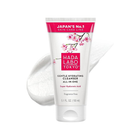
- Cleanse skin if your routine calls for it. If you want a water-based wash after removal, use a cleanser according to its directions. Hada Labo Tokyo Gentle Hydrating Cleanser 150ml is the cleanser option named in this routine; use its label for the correct method.
- Finish the cleansing stage. Rinse when your chosen product directs you to rinse, and pat your face with a clean towel. If your skin feels uncomfortable, stop adding cleansing steps and reassess the products and technique you used.
Expected result: you have dealt with visible makeup and made an intentional decision about washing. You are not relying on serum or moisturizer to cover leftover makeup or cleanser. For a 2026 routine, that decision matters more than insisting everyone perform the same number of cleansing passes.
A cleansing oil is another first-cleanse route, not something you must add to micellar water. If oil cleansing is already part of your routine, decide which first step serves the makeup you wore instead of layering removal methods without a purpose.
Layer hydration before bed
Once cleansing is complete, keep the hydration stage distinct from makeup removal. A serum and a moisturizer play different roles in the sequence: apply the lighter hydration step first, then finish with the moisturizer you have chosen for your skin. Check each label rather than treating every formula as interchangeable.
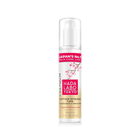
- Apply serum. Use your chosen hydrating serum according to its directions on clean skin. Hada Labo Tokyo Concentrated Water Serum Lock-in-Moist 30ml is a hyaluronic acid serum option for this stage, not a substitute for removing makeup.
- Finish with moisturizer. Apply your usual moisturizer as directed. If you prefer a shorter routine, keep the cleansing decision and moisturizer; you do not need to add a serum merely to make the routine look longer.
- Review comfort. Notice whether your skin feels comfortable after the full sequence. Persistent irritation calls for a change in technique or product choice, not another cleansing pass that night.
Expected result: makeup removal is complete before hydration begins. Your finished routine has a clear order you can repeat on makeup days and shorten on makeup-free days.
The sequence below shows decisions, not required products. You can leave out the serum stage without skipping makeup removal, and you can leave out micellar water when there is no makeup to remove.
If you are choosing products for the two ends of this sequence, match each one to its job. Micellar water belongs at makeup removal; serum belongs after cleansing. Neither tells you whether a separate wash is necessary on a particular evening.


On makeup-free evenings, start with what you actually wore
A makeup-free evening is the useful second version of this workflow. It is not automatically a no-cleanse evening: you might still have sunscreen or other skincare on your face. Equally, a routine designed to remove foundation is unnecessary when you did not apply it.
- Check for sunscreen. If you wore it, follow the sunscreen’s removal directions and choose a cleansing method that leaves your skin comfortable. Do not use the absence of colour on a cotton pad as your only test.
- Skip makeup removal when it has no job. If you wore no makeup, there is no makeup-removal task for micellar water to complete. Choose whether to wash your face based on what you wore and your usual cleansing routine.
- Continue with hydration. Once your skin is clean, apply your serum if it belongs in your routine, then moisturizer. Keep the same order as on makeup days without forcing the same cleansing steps.
Expected result: the makeup-free version is shorter because it removes an unnecessary task, not because it ignores what you wore. In 2026, this distinction makes the evening routine more adaptable than a rule that calls for micellar water every night.
If your face feels dry after a makeup-free wash, review how often you cleanse and how you use your cleanser before adding another removal product. If you notice residue after sunscreen, revisit the cleansing stage before applying serum. Both checks belong before hydration, when you can still respond without undoing the whole routine.
Troubleshooting your evening routine
Makeup is still visible around your eyes. Check that your micellar water’s directions permit eye-area use. Use a clean, adequately prepared pad and a gentler removal technique; if the makeup remains, choose an appropriate alternative rather than increasing pressure on delicate skin.
Your face feels uncomfortable after repeated wiping. Stop making extra passes over areas that are already clear. Next time, separate makeup removal from any further washing and assess whether both steps are needed for what you wore. If discomfort persists, stop using the product and seek qualified advice.
You applied serum before noticing makeup at the hairline. Remove the remaining makeup first, following your removal product’s directions. Complete any cleansing you need, then restart the hydration stage. Serum is not a cleansing step, even when it is part of the same evening routine.
You are unsure whether to rinse micellar water. Follow the directions on your specific bottle. If you are pairing it with a water-based cleanser, follow that cleanser’s washing and rinsing instructions too; do not infer instructions for one formula from another.
You want to use micellar water and cleansing oil together. Identify the task each would perform before adding both. If one first-cleanse route removes your makeup effectively and comfortably, an additional first-cleanse product is not a requirement of this workflow.
Customize your workflow
Build two versions you can remember: makeup evening and makeup-free evening. On makeup evenings, start with removal, check for residue, decide whether to wash, then hydrate. On makeup-free evenings, start by identifying sunscreen and other products, decide how to cleanse, then hydrate. The hydration order stays familiar while the cleansing work changes.
If you prefer an oil-based first cleanse, use the dedicated guide to compare its place in the sequence with a water-based wash. If your main concern is choosing micellar water, focus on product directions and how your skin responds instead of assuming every formula works the same way. A short routine done attentively beats a longer one performed without checking what remains on your skin.
For 2026, write the sequence where you keep your skincare if you often lose track at bedtime: remove what you wore, check your skin, cleanse as needed, hydrate. Treat it as a decision path, not a demand to use every product each night. Hada Labo Tokyo micellar water is a starting option for the makeup-removal part of that path; the rest depends on what you wore and the directions of the products you choose.
FAQ
What is the correct order for a micellar water evening routine?
Remove makeup with micellar water first, decide whether to wash, then apply your hydrating products. Follow each product’s directions, including any rinsing instructions.
Should I use micellar water on a makeup-free evening?
Use micellar water when it has a removal job in your routine; it is not mandatory just because it is evening. If you wore sunscreen, assess how to cleanse even when you wore no makeup.
Do I need a cleanser after micellar water?
A further cleanse is a decision based on what you wore, how your skin feels, and your products’ directions. Check for remaining makeup or residue before moving to serum and moisturizer.
Can micellar water replace a hyaluronic acid serum?
No. Micellar water serves the makeup-removal stage, while a hyaluronic acid serum belongs after cleansing as a hydration step.
Is micellar water or cleansing oil better for removing makeup?
Neither is the best choice for every makeup routine. Choose a first-cleanse method that removes what you wore without uncomfortable rubbing, and follow its directions.
Can I apply moisturizer immediately after micellar water?
Apply moisturizer after you have finished removing makeup and any cleansing or rinsing your products require. A serum is optional; a clean face is the key condition before hydration.
What if makeup is still visible after using micellar water?
Continue removal gently with a clean pad or switch to a suitable cleansing method. Do not cover visible makeup with serum or rub harder to finish faster.
One last thing
The makeup-free version is not a smaller copy of the makeup version. Its first question is what you wore, not whether you remembered the micellar water. That single check keeps your 2026 evening routine useful on both kinds of night.


