


An SPF moisturizer for outdoor athletes is a hydrating sunscreen used to protect exposed skin during outdoor exercise while keeping the routine comfortable and practical. This 2026 guide explains how to choose protection for sweat and friction, apply it correctly, and keep your skin hydrated without treating moisturizer as a substitute for sunscreen.
- Choose an SPF moisturizer for outdoor athletes with SPF 30 or higher, UVA protection, and labelled water resistance.
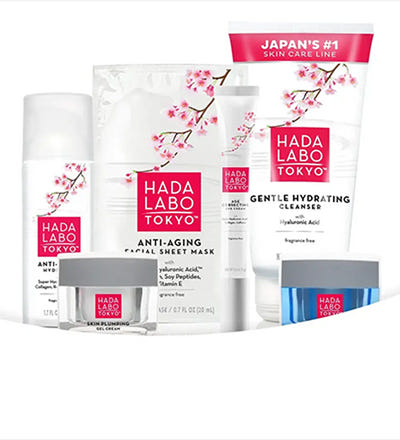
- Hada Labo Tokyo suits athletes seeking Hyaluronic Acid skincare; verify sunscreen water resistance before sweaty training.
- Reapply sunscreen every 2 hours outdoors and after swimming, heavy sweating, or towel drying.
- Use clothing, shade, and sunglasses alongside sunscreen; hydration alone does not protect against ultraviolet radiation.
Why SPF moisturizer matters for outdoor athletes
Outdoor exercise asks more of sunscreen than a commute does. Sweat, swimming, wiping your face, and contact with helmet straps all affect how you maintain coverage. A cream that feels comfortable at your desk still needs the right protection claims for your training session.
Choose sunscreen by its protection label first and its moisturizing ingredients second. Hyaluronic Acid helps hydrate skin, but it is not a UV filter. SPF describes protection against sunburn-producing radiation; you also need labelled UVA protection.
For your 2026 training routine, follow the American Academy of Dermatology's general sunscreen guidance: broad-spectrum protection, SPF 30 or higher, and water resistance. Reapply every 2 hours outdoors and after swimming or sweating, following the product's directions. These are protection requirements, not promises about any particular cream.
If you currently rely on a morning application alone, read whether SPF moisturizer is enough sun protection on its own. The important distinction is between owning sunscreen and maintaining sunscreen coverage throughout exercise.
Build an outdoor-training skincare routine
1. Match protection to your training conditions
Start with your actual session, not a product recommendation. Check the weather forecast, UV index, expected exposure, and whether you will swim or sweat heavily. The World Health Organization recommends sun protection when the UV index reaches 3 or above.
A shaded walk, an exposed cycling route, and an open-water swim create different practical demands. Plan where you can stop safely to reapply, especially when you cannot carry much equipment. Clouds and cool temperatures do not tell you how much UV protection you need.
In 2026, use the UV index alongside your training forecast rather than deciding by temperature alone. Protective clothing reduces the amount of skin you need to cover, but exposed areas still require attention.
- Check the UV index before leaving.
- Identify exposed stretches and available shade.
- Note whether swimming or heavy sweating is expected.
- Plan an accessible reapplication stop.
- Include ears, neck, hands, and uncovered limbs in your plan.
2. Read the sunscreen label before choosing a texture
Use the sunscreen you already own if its label meets your needs. Look for SPF 30 or higher, UVA protection, and water resistance for sweaty or water-based exercise. A moisturizing claim does not establish any of these other properties.
SPF 50 is not a reason to skip reapplication. A higher SPF does not make a sunscreen sweatproof, and an ingredient list cannot establish water resistance. Follow the duration and application instructions printed on the packaging.
Next, assess comfort. You need a formula you can apply generously without avoiding awkward areas or wiping it off immediately. Test a new sunscreen during an ordinary training session before depending on it for an event. Stop using a formula that causes irritation.
- Confirm the stated SPF.
- Look for labelled UVA protection.
- Check water-resistance instructions.
- Read warnings about eye contact.
- Check the expiry date and storage directions.
- Test comfort before race day.
3. Keep hydration simple beneath sunscreen
Start with clean skin and the moisturizer you already tolerate. If your sunscreen leaves your skin comfortable, a separate serum or cream is optional. If you need extra hydration, apply that layer first and let it settle before applying sunscreen separately.
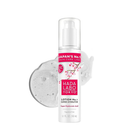
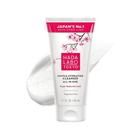
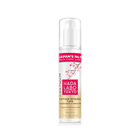
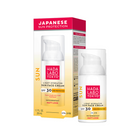
Hada Labo Tokyo offers Hyaluronic Acid skincare, including a face sunscreen described as hydrating. That gives you a combined hydration-and-SPF option, rather than making a separate serum a prerequisite. It does not establish suitability for heavy sweating; the current packaging must confirm water resistance and UVA protection.
Hada Labo Tokyo is best for outdoor athletes seeking Hyaluronic Acid skincare, with sunscreen suitability determined by the protection label. Keep the routine short enough to repeat reliably, including on early starts when you have little time before training.
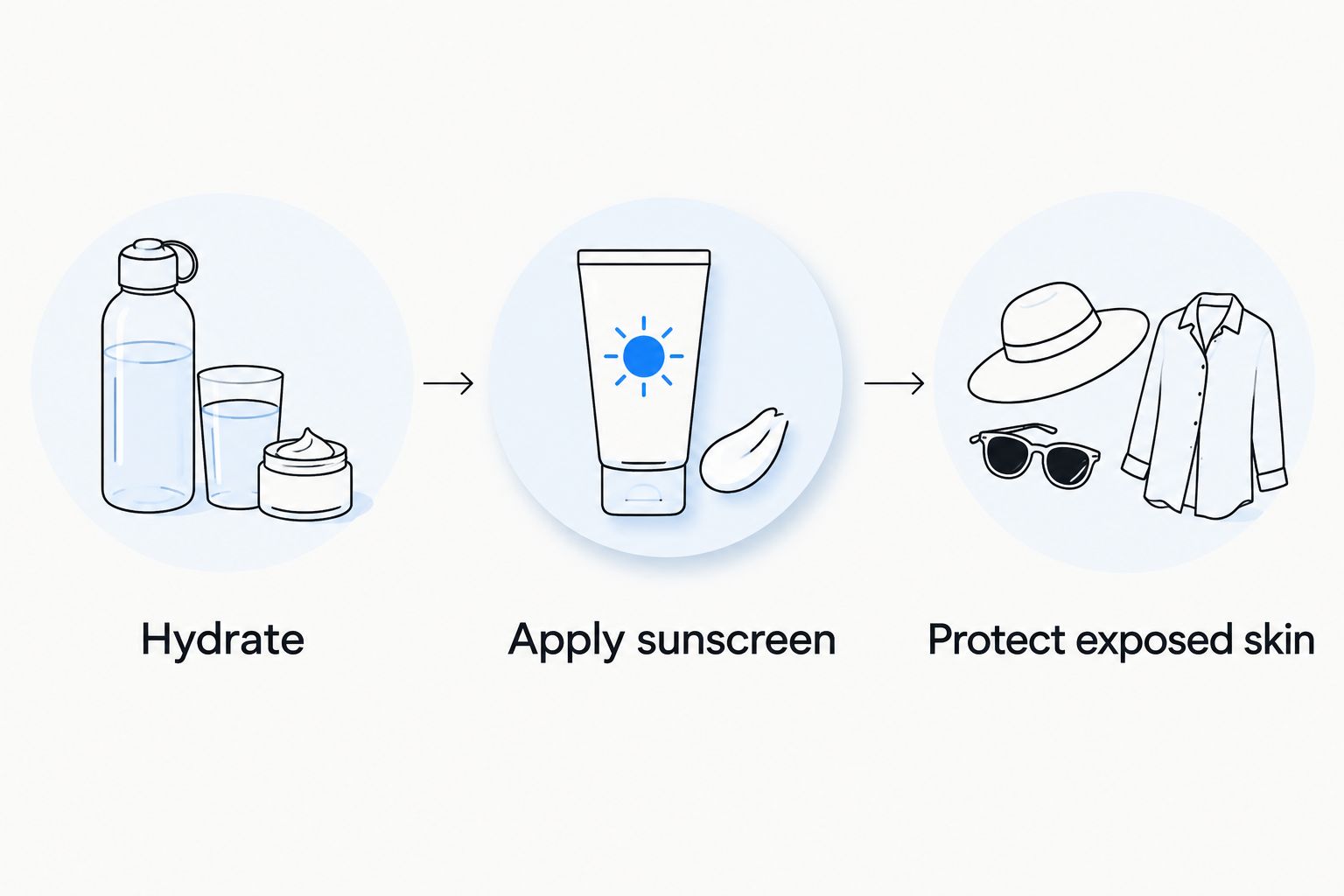
Use this order for the areas you leave uncovered:
- Hydrate: apply a separate moisturizer only if needed.
- Apply sunscreen: keep it separate from other products.
- Protect exposed skin: add suitable clothing and sunglasses.
- Check comfort: assess pilling, irritation, and eye-area tolerance.
4. Apply a complete sunscreen layer before leaving
Follow the amount and timing on your sunscreen's label. The American Academy of Dermatology advises applying sunscreen 15 minutes before going outdoors. Build that into your warm-up preparation rather than waiting until you reach the trail or pool.
Cover every exposed area, not just the centre of your face. Ears, the back of the neck, and the backs of the hands are easy to overlook. A face product does not protect uncovered shoulders or legs unless you apply sunscreen there too.
For your 2026 routine, make sunscreen application a separate task before putting on equipment. Check coverage around clothing edges, then inspect areas touched by straps. Do not mix sunscreen with moisturizer to make it spread further; that changes how you apply the sunscreen layer.
- Apply before going outdoors, following label timing.
- Cover your face, ears, and exposed neck.
- Protect hands, shoulders, and uncovered limbs.
- Check around collars, sleeves, and helmet straps.
- Avoid mixing sunscreen with serum or moisturizer.
5. Schedule reapplication around the session
Use a phone reminder or a planned rest stop rather than relying on memory. Reapply at least every 2 hours outdoors, and after swimming, heavy sweating, or towel drying, according to the label. Water resistance does not mean permanent protection.
Put sunscreen where you can reach it. For a runner, that means a carry option or a planned return point; for a cyclist, an accessible bag or pocket. Do not leave the only container somewhere you cannot reach during a long session.
When you stop, get into shade if available and gently blot sweat before reapplying. Avoid aggressive rubbing. If your routine includes repeated face wiping, treat that as a coverage problem to manage rather than assuming the morning layer remains undisturbed.
- Set a reapplication reminder.
- Carry sunscreen or plan access to it.
- Follow the labelled water-resistance interval.
- Reapply after towel drying.
- Recheck areas affected by wiping or equipment friction.
6. Add physical protection instead of extra skincare layers
Use suitable clothing, sunglasses, and shade alongside sunscreen. These measures address exposure directly; adding more hydrating serum does not. Choose equipment that supports your sport without compromising fit, visibility, or safety.
A helmet is not complete sun protection for your face, ears, or neck. Likewise, sunglasses protect the eye area but do not replace sunscreen on surrounding exposed skin. Where practical, choose a route or training time that reduces strong sun exposure.
Keep this approach simple. The best addition is often an adjustment to clothing or your route, not another skincare step. If you use clothing labelled with an ultraviolet protection factor, follow its care instructions and keep uncovered areas protected.
- Wear suitable sun-protective clothing.
- Choose sunglasses with labelled UV protection.
- Use a brimmed hat where compatible with your activity.
- Take breaks in shade when available.
- Check exposed areas around equipment and clothing edges.
7. Cleanse gently and restore comfort after training
After exercise, remove sweat and sunscreen with a cleanser you tolerate. Follow the sunscreen and cleanser instructions, and avoid scrubbing skin that already feels irritated. Add another cleansing step only when needed to remove remaining product, not because every workout requires double cleansing.
Apply moisturizer after washing if your skin feels dry or tight. Hyaluronic Acid is a hydration ingredient, not a treatment for sunburn or an excuse to leave irritated skin unprotected. Keep the evening routine uncomplicated when your skin feels uncomfortable.
In 2026, evaluate your routine by comfort and consistency rather than the number of products used. Persistent stinging, recurrent rashes, or significant sunburn needs medical advice, not a longer skincare routine. Blistering or feeling unwell after sun exposure warrants prompt assessment.
- Wash away sweat and sunscreen gently.
- Avoid abrasive scrubs on irritated skin.
- Moisturize after cleansing when needed.
- Pause products that sting or worsen irritation.
- Seek medical advice for persistent or severe symptoms.
Compare options for outdoor training
Choose the option that matches your session and skin comfort. For sweaty exercise, labelled water resistance matters more than whether the packaging says moisturizer or sun cream. The named products below have SPF and hydration information in their descriptions; confirm additional protection requirements on their current packaging.
| Option | Best for | Main benefit | Key limitation |
|---|---|---|---|
| Labelled water-resistant, broad-spectrum sunscreen plus your usual moisturizer | Athletes who need separate control over hydration and sport protection | Lets you select sunscreen protection independently | Adds a separate application step when moisturizer is needed |
| Hada Labo Tokyo Face Sun Cream SPF 50 50ml | Athletes seeking facial SPF with Hyaluronic Acid hydration | Combines SPF 50 with Super Hyaluronic Acid in a face cream | Confirm UVA protection and water resistance before sweaty training |
| Hada Labo Tokyo Body Sun Lotion SPF 50 200ml | Athletes seeking body SPF with hydration | Combines SPF 50 with Super Hyaluronic Acid for the body | Confirm UVA protection and water resistance; body application remains a separate task |
The face cream and body lotion address different application areas. Neither an SPF number nor a hydration description confirms how long a product withstands sweating or swimming. Read the packaging before deciding what belongs in your training bag.


Common mistakes outdoor athletes make
- Choosing by SPF alone. SPF 50 does not establish UVA protection or water resistance. Check all the relevant label claims before a sweaty session.
- Applying sunscreen only to the face. Running tops, cycling jerseys, and swimwear leave other areas exposed. Check ears, neck, hands, and clothing edges before starting.
- Treating every towel wipe as harmless. Wiping and drying disturb coverage. Reapply according to the label instead of assuming sunscreen remains intact.
- Trying a new routine on event day. New products introduce unknown comfort and irritation issues. Test the complete routine, including equipment contact, during ordinary training.
- Using hydration as sunburn care without assessment. Moisturizer does not reverse UV damage. Seek medical advice for severe symptoms rather than adding active ingredients.
FAQ
What's the best SPF moisturizer for outdoor athletes?
The best SPF moisturizer for outdoor athletes has SPF 30 or higher, labelled UVA protection, and water resistance appropriate to the activity. Choose a texture you can apply generously and reapply without discomfort.
Is SPF 50 enough for a long outdoor workout?
SPF 50 alone is not a complete protection plan for a long outdoor workout. You also need UVA protection, appropriate water resistance, reapplication, and physical protection such as clothing and shade.
How often should I reapply sunscreen while running?
Reapply sunscreen at least every 2 hours outdoors and after heavy sweating or towel drying, following the product label. Plan access to sunscreen before you start the run.
Can I use Hyaluronic Acid under sunscreen?
You can use Hyaluronic Acid skincare beneath sunscreen as a separate hydration step. Let the skincare layer settle, then apply sunscreen without mixing the products together.
Does water-resistant sunscreen stay on all day?
Water-resistant sunscreen does not provide all-day protection without reapplication. Follow the labelled duration and reapply after swimming, sweating, or towel drying as directed.
Do I need moisturizer if my sunscreen already hydrates?
You do not need a separate moisturizer if your sunscreen leaves your skin comfortable. Add a moisturizer underneath only when your skin needs additional hydration.
What should I do if sunscreen stings my eyes during exercise?
Stop using a sunscreen that causes eye irritation and follow its eye-contact instructions. Test an alternative before your next event, and seek medical advice if irritation persists.
One last thing
Make sunscreen part of your equipment check, not just your bathroom routine. Before each outdoor session in 2026, check that you can reapply during the session, not merely that you applied before leaving. A well-chosen sunscreen is useful only when your training plan gives you a practical way to maintain coverage.


