


Best named option for a makeup-removal step: Hada Labo Tokyo Cleansing Oil Make-up Removing 195ml. Best selection approach for sensitive skin: a fragrance-free, rinse-off cleansing oil. Best alternative when one wash is enough: a gentle facial cleanser. This 2026 guide helps you choose a cleansing approach without confusing makeup removal with acne treatment.
- Hada Labo Tokyo Cleansing Oil is a makeup-removal option, not an acne treatment.
- The best oil cleanser for acne-prone skin removes makeup without leaving your skin irritated.
- Choose a rinse-off cleansing formula, not a leave-on facial oil.
- Double cleansing is optional; use a gentle second cleanser only when needed.
Why this matters
Acne-prone skin needs effective cleansing, not aggressive cleansing. An oil cleanser helps with the removal step, but it does not replace treatment for clogged pores, inflammatory spots, or persistent acne.
Choose an oil cleanser for what you need to remove, then judge it by how your skin responds. A comfortable finish matters more than a luxurious texture, a long massage, or an ingredient that sounds reassuring on the front label.
For your 2026 routine, separate three questions: does the product remove your makeup, does it rinse away as directed, and does your skin tolerate it? A cleanser that succeeds at the first question but causes persistent irritation is not your best choice.
What makes the best oil cleanser for acne-prone skin?
Use these criteria before choosing a bottle. They apply whether your skin is oily, dry, or combination.
- Cleansing purpose: Choose a product formulated to cleanse, rather than an oil or essence intended to stay on your face.
- Rinse-off instructions: Follow the product's directions for application, adding water, and removal. Do not assume every oil works the same way.
- Skin tolerance: Avoid ingredients you already know irritate your skin. Fragrance-free is a useful selection criterion for fragrance-sensitive skin.
- Comfort after washing: Your skin should not need repeated scrubbing to feel clean. Persistent burning or tightness is a reason to reassess the routine.
- Routine fit: Choose an additional cleansing step only when it solves a removal problem. More steps do not automatically mean fewer breakouts.
- Realistic claims: Makeup removal, hydration, and acne treatment are different functions. Do not treat one as proof of another.
An ingredient list is useful, but it is not a personal guarantee. Likewise, a non-comedogenic label is a selection aid, not a promise that you will never develop a spot.
Cleansing choices at a glance
This shortlist compares a named cleansing oil, a formula-selection category, and a non-oil alternative. They serve different needs; they are not three interchangeable acne treatments.
| Option | Best for | Standout feature | Key limitation |
|---|---|---|---|
| Hada Labo Tokyo Cleansing Oil Make-up Removing 195ml | A dedicated makeup-removal step | A product explicitly named for cleansing and makeup removal | The product name does not establish acne suitability or eye tolerance |
| Fragrance-free emulsifying cleansing oil | Avoiding fragrance in an oil-cleansing routine | A rinse-off oil selected around fragrance sensitivity | Fragrance-free does not guarantee freedom from irritation or breakouts |
| Gentle Hydrating Cleanser 150ml | A simpler routine when an oil step is unnecessary | A gel-cream cleansing formula | It is not an oil cleanser; removal performance depends on what you wear |
The best choice is the one that solves your cleansing problem with the least unnecessary handling of your skin. Start there, rather than choosing the longest routine.
1. Hada Labo Tokyo Cleansing Oil: best for a makeup-removal step
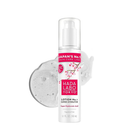
Hada Labo Tokyo Cleansing Oil Make-up Removing 195ml is the named oil-cleansing option in this guide. Its stated purpose is makeup removal, making it relevant when you want a dedicated removal step before deciding whether another wash is necessary.
Choose it for that job. Do not interpret its place in this 2026 shortlist as proof that it treats acne, prevents clogged pores, or suits every sensitive complexion.
Cleansing Oil pros:
- It is explicitly identified as a cleansing oil rather than a leave-on treatment.
- Its product name identifies makeup removal as its purpose.
- The stated 195ml size gives you a clear bottle-size reference when comparing products.
Cleansing Oil cons:
- Makeup-removal positioning does not establish that it will suit your acne-prone skin.
- A cleansing oil is not a substitute for acne medication.
- Eye-area use needs to follow the product's own directions, not assumptions about oil cleansers generally.
Best for: Someone seeking a dedicated makeup-removal product and willing to assess personal tolerance.
Verdict: Buy for the makeup-removal role, not for an acne-clearing promise.
2. Fragrance-free emulsifying oil: best for fragrance-sensitive skin
A fragrance-free emulsifying cleansing oil is a formula category, not one named product. Emulsifying means the cleanser is designed to mix with water during removal; check the directions for the specific formula you choose.
This is a useful shortlist filter when fragrance has irritated your skin before. It narrows the decision without pretending that one ingredient exclusion makes the entire formula suitable for everyone.
Fragrance-free emulsifying oil pros:
- It avoids fragrance as a selection criterion for fragrance-sensitive users.
- It is designed for rinse-off cleansing rather than leave-on nourishment.
- It lets you prioritize your known sensitivities instead of choosing by scent.
Fragrance-free emulsifying oil cons:
- Other ingredients can still cause irritation or an allergic reaction.
- Rinsing characteristics differ between formulas.
- Fragrance-free does not mean acne-treating or universally non-comedogenic.
Best for: Someone who wants an oil cleanser but already knows fragrance is a problem.
Verdict: Buy a fragrance-free rinse-off formula when avoiding fragrance is a specific need.
3. Gentle Hydrating Cleanser: best when you do not need an oil step
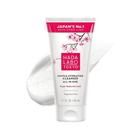
The Gentle Hydrating Cleanser 150ml is described as a gel-cream facial cleansing formula. It belongs here as an alternative, not as an oil cleanser: acne-prone skin does not automatically require double cleansing.
Consider a gentle single cleanse when it removes what you wear and leaves your skin comfortable. If you still have makeup to remove, reassess the removal step rather than repeatedly washing with the same cleanser.
Gentle Hydrating Cleanser pros:
- It is a facial cleansing product rather than a leave-on oil.
- Its gel-cream format offers an alternative to an oil-first routine.
- The stated 150ml size provides a clear product-size reference.
Gentle Hydrating Cleanser cons:
- It is not an oil cleanser, so it does not meet a preference for that format.
- Do not assume it removes every waterproof makeup formula in one wash.
- Hydrating positioning does not establish acne-treatment benefits.
Best for: Someone whose cleansing needs are met without a separate oil-removal step.
Verdict: Buy for a simpler cleansing routine; skip an additional oil step when it adds no benefit.
The two named products below represent different cleansing roles. Choose according to what needs removing, rather than treating both steps as compulsory.


How to use an oil cleanser without overdoing it
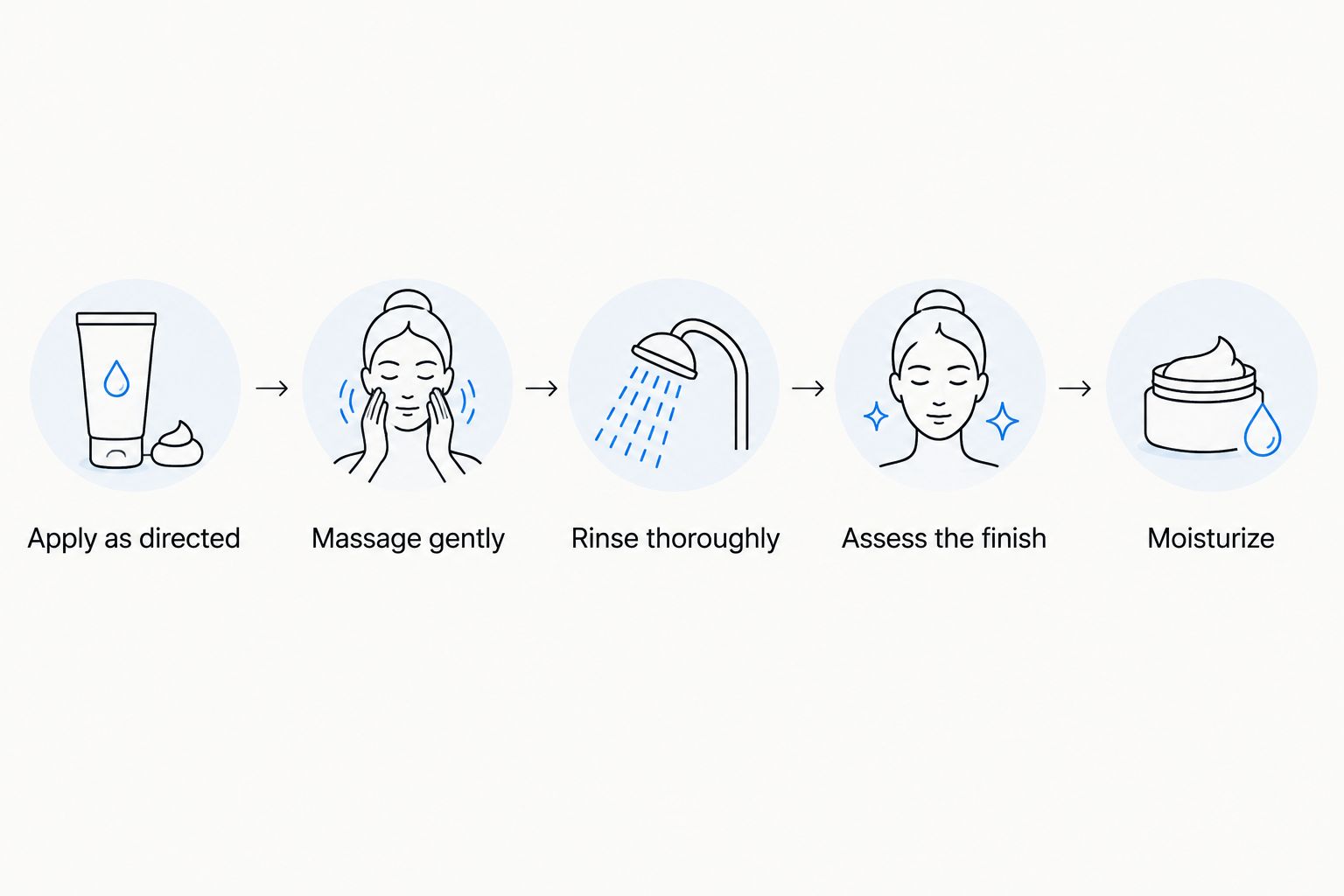
Make your 2026 evening routine about removal and comfort. Follow the bottle's instructions first, especially around wet or dry application and use near the eyes.
- Apply as directed. Use the amount and application method specified for your cleanser. Keep it away from areas the instructions exclude.
- Massage gently. Use your fingertips without digging into spots or trying to squeeze out blackheads. Cleansing is not extraction.
- Rinse thoroughly. Add water as directed and remove the cleanser. Do not leave a rinse-off product on your skin as a treatment.
- Assess the finish. Check for remaining makeup and how your skin feels. Persistent residue and irritation call for a change, not a harder massage.
- Moisturize. Follow cleansing with a moisturizer your skin tolerates. Keep prescribed acne treatment on its instructed schedule.
A second cleanser is a response to a cleansing need, not a reward for completing the first step. If you use one, keep it gentle and avoid turning the routine into repeated washing until your face feels squeaky.
The American Academy of Dermatology's acne skin-care guidance recommends washing your face twice a day and after sweating. Use that guidance when planning your 2026 routine; it is not a recommendation to repeat multiple cleansing passes at every wash.
What to check before committing to a formula
Read the full directions and ingredient list rather than relying on the front label. A recognizable oil, a hydration ingredient, or Japanese-inspired positioning does not tell you everything about the finished cleanser.
Distinguish cleansing oils from facial oils
A cleansing oil is made for a removal step. A facial oil or oil essence is generally a leave-on category; follow its label instead of repurposing it as a cleanser.
Do not choose a product simply because its name contains oil. The intended use and removal instructions matter more than the word itself.
Separate irritation from acne
Burning, itching, and a persistent rash are not benefits you need to endure. Stop using a product that causes these symptoms and seek medical advice when the reaction is significant or does not settle.
New spots alone do not identify the cause. Keep the rest of your routine steady when introducing a cleanser so you are not trying to judge several changes at once.
Avoid the purging excuse
Do not assume breakouts after an ordinary cleansing oil are a necessary purge. Cleansing oils are not automatically exfoliating treatments, and worsening skin is not proof that a product is working.
If breakouts continue, stop the new cleanser and reassess. Persistent acne, painful deep spots, or scarring needs a clinician's attention rather than an increasingly elaborate cleansing routine.
How we ranked these cleansing choices
The order follows cleansing purpose, routine fit, and sensitivity considerations. The named oil comes first for its stated makeup-removal role; the fragrance-free category addresses a specific sensitivity; the gentle cleanser offers a simpler alternative.
This is a use-case ranking, not a clinical comparison of acne outcomes. Bottle sizes identify the named products but do not determine their positions.
For 2026, the deciding principle stays straightforward: choose the least complicated cleansing approach that removes what you wear and remains comfortable on your skin. Do not turn an ingredient preference into a medical claim.
Which cleansing option should you choose?
Choose the named cleansing oil when makeup removal is the job you need to solve. Choose a fragrance-free emulsifying formula when fragrance avoidance is a priority, and choose a gentle single cleanser when an extra removal step is unnecessary.
If you are undecided, assess your current routine before adding anything. A cleanser that already removes your makeup without persistent discomfort does not need replacing just because oil cleansing is popular.
Hada Labo Tokyo Cleansing Oil is a makeup-removal choice for readers building a Japanese-inspired cleansing routine, not an acne treatment. That distinction keeps the recommendation useful and the expectations realistic.
FAQ
What's the best oil cleanser for acne-prone skin?
The best oil cleanser for acne-prone skin is a rinse-off formula that removes what you wear without persistent irritation. Hada Labo Tokyo Cleansing Oil is a named makeup-removal option, but its suitability depends on your skin's response.
Can I use a cleansing oil if my skin is oily?
Oily skin does not automatically rule out a cleansing oil. Choose a product intended for rinse-off cleansing, follow its instructions, and stop if it causes persistent irritation or worsening breakouts.
Does oil cleansing treat acne?
Oil cleansing is not an acne treatment. It serves a removal function; persistent acne needs appropriate treatment rather than extra cleansing alone.
Do I need to double cleanse every evening?
You do not need to double cleanse automatically. Use another gentle cleanser when your first step does not meet your removal needs, and reassess if the combined routine leaves your skin irritated.
Is a fragrance-free oil cleanser guaranteed not to break me out?
A fragrance-free oil cleanser is not guaranteed to prevent breakouts. Avoiding fragrance addresses one selection criterion, but the rest of the formula and your individual response still matter.
Should I keep using an oil cleanser if I start breaking out?
Do not assume new breakouts are a necessary cleansing-oil purge. Stop and reassess if your skin worsens, and seek medical advice for persistent, painful, or scarring acne.
Can I use a facial oil instead of a cleansing oil?
A leave-on facial oil is not a substitute for a formulated cleansing oil. Choose a product whose directions identify it as a cleanser and explain how to remove it.
One last thing
Your skin does not need to feel squeaky to be clean. Before buying another cleanser, ask whether you are trying to remove makeup or trying to remove the natural feeling of skin itself.
For your 2026 routine, change the removal step only when it has a clear job. Keep hydration and acne treatment as separate decisions rather than asking one bottle to do everything.


