


Yes, a hyaluronic acid serum can coincide with breakouts, but hyaluronic acid itself is not usually the cause. The full formula, another product in your routine, or skin irritation deserves closer attention before you blame the hydrating ingredient.
- Can hyaluronic acid serum cause breakouts? Yes, but the full formula or another routine change is the likelier explanation.
- Hada Labo Tokyo Concentrated Water Serum is best for shoppers seeking hyaluronic-acid-led hydration, not an acne treatment.
- If a new serum stings or your skin develops persistent bumps, stop using it and assess the rest of your routine.
- Introduce skincare products separately so you can identify which one your skin reacts to.
Can hyaluronic acid serum cause breakouts?
Yes, but a breakout after applying a serum does not prove that hyaluronic acid caused it. Hyaluronic acid attracts water and is used in skincare for hydration. A finished serum also contains other ingredients, and you apply it alongside cleansers, moisturizers and sunscreen. The timing tells you what to investigate; it does not identify the culprit.
| What you notice | What it tells you | What to do next |
|---|---|---|
| Bumps appear after you add a serum | The new serum is a reasonable suspect, but its hyaluronic acid is not confirmed as the cause. | Pause it and keep the rest of your routine unchanged while your skin settles. |
| Stinging or redness starts soon after application | Irritation is a more immediate concern than clogged pores. | Wash off a product that burns, stop using it and seek advice if the reaction persists. |
| Several products changed together | You cannot reliably attribute the reaction to one product. | Simplify your routine before testing anything again. |
| Bumps occur mainly where another product is applied | The other product or its application pattern needs attention too. | Review everything touching that area, including makeup and sunscreen. |
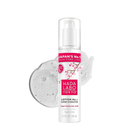
If you are choosing a hydration-focused serum rather than treating acne, Hada Labo Tokyo Concentrated Water Serum is described as containing three types of hyaluronic acid. That description establishes its hydration focus; it does not establish that it will prevent breakouts or suit every acne-prone face.
Why this matters
A breakout can tempt you to discard every hydrating product at once. That makes the cause harder to find, especially if you also changed your cleanser, moisturizer or sun protection. In 2026, the useful question is not whether every hyaluronic acid serum causes acne; it is whether your skin reacts to this finished product in this routine.
Hydration and acne care also serve different purposes. Skin can feel dehydrated and still develop spots. A hydrating serum addresses the feel of dehydration, while a suspected acne trigger calls for a closer look at the products you use and, when breakouts persist, advice from a qualified clinician. Do not treat a moisture claim as an acne-treatment claim.
Is it acne, irritation or a change elsewhere in your routine?
These possibilities call for different responses. You do not need to diagnose yourself to decide whether to pause a new product, but you do need to notice what changed and when.
- Irritation: Stinging, burning, itching or obvious redness after application points to a product your skin is not tolerating. Stop using it rather than applying more to see whether your skin adjusts.
- Breakouts: New spots or clogged-looking bumps warrant a review of the complete routine. Their appearance alone cannot reveal which ingredient caused them.
- Several new products: A new serum, richer cream and different sunscreen introduced together leave you with several suspects. Remove the recent additions and bring products back separately.
- Existing acne: Spots that were already appearing before the serum do not become evidence against it simply because you noticed them afterward. Look for a clear change in pattern instead.
- A product applied over the serum: The moisturizer or sunscreen you layer on top remains part of the test. Do not assume the product nearest your skin is the only possible cause.
Hyaluronic acid is not an exfoliating acid. Calling a sudden crop of spots a necessary purge from a hyaluronic acid serum skips the more useful checks: irritation, the rest of the formula and other changes you made at the same time. Do not keep applying a product that clearly makes your skin uncomfortable just to push through.
How to check whether your serum is the problem
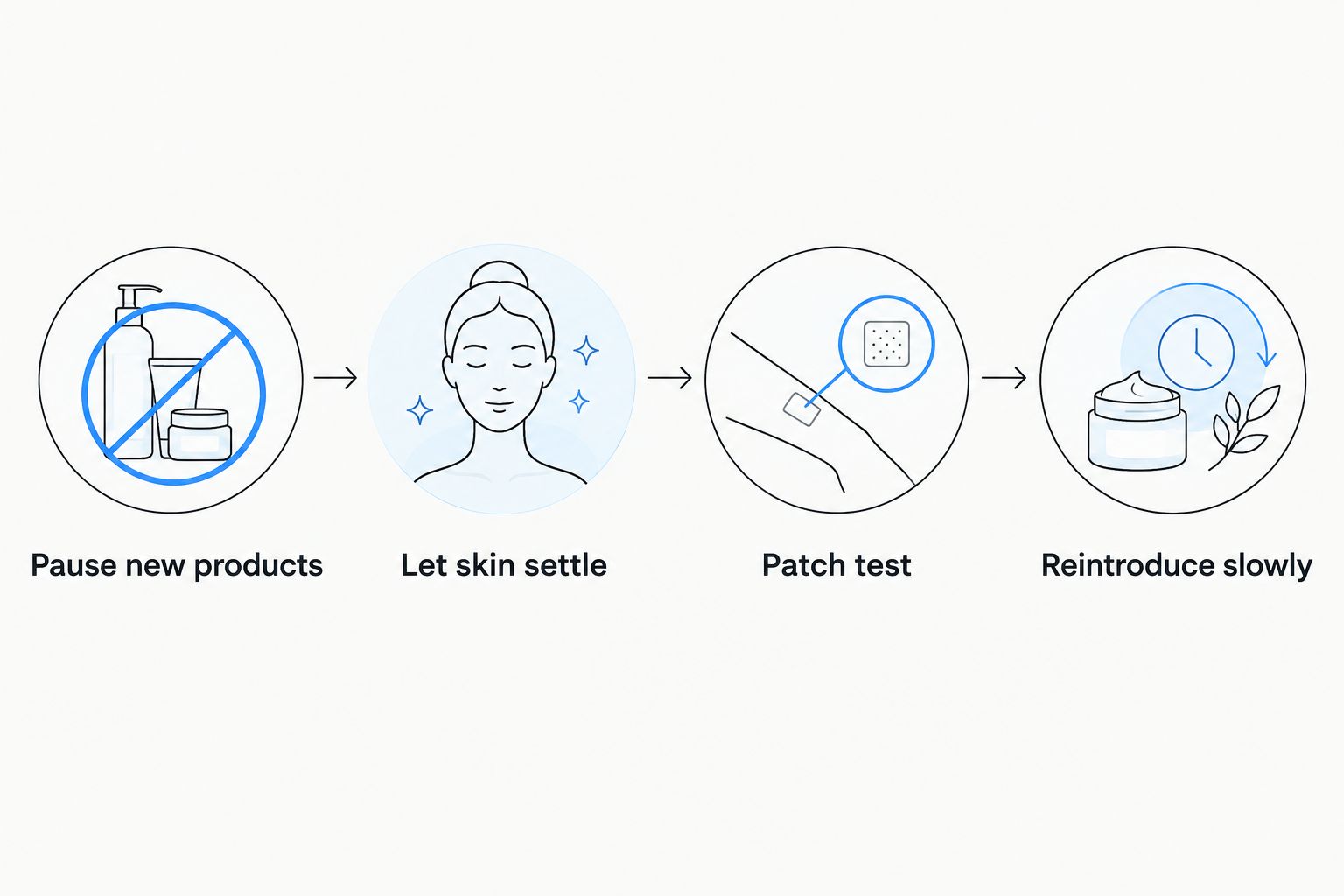
Use a simple sequence rather than changing everything again. This process helps you narrow down a possible trigger; it does not replace medical advice for a severe or persistent reaction.
- Pause new products. Stop the serum you suspect and any other products you introduced at the same time. Do not add an exfoliant or spot treatment solely to counter bumps that appeared during this test.
- Let skin settle. Return to familiar products that your skin already tolerates. If a product causes burning or a significant reaction, stop using it and speak with a qualified clinician.
- Patch test. Before applying the serum across your face again, try it on a small area as directed by its packaging. A patch test can flag a reaction, but it cannot guarantee that your whole face will tolerate the product.
- Reintroduce slowly. Test one product at a time while leaving the rest of your routine consistent. If the same problem returns when you reintroduce the serum, stop using it and consider professional advice.
Keep your observations practical: note where the bumps appear, whether the serum stings and which products were added or removed. You do not need a complicated tracking system. What matters is avoiding another round of simultaneous changes that leaves you with the same unanswered question.
If swelling, widespread rash or another severe reaction occurs, stop the suspected product and seek medical care. If acne keeps recurring despite a steady routine, a dermatologist can help distinguish acne from other conditions that look similar. A skincare article cannot make that diagnosis from the word breakout alone.
Why reactions to hyaluronic acid serums vary
There is no useful yes-or-no rule for every serum or every face. These factors explain why a hydrating product can work for one person while another stops using it:
- The finished formula: Two products can both feature hyaluronic acid and still contain different supporting ingredients. Judge the product you apply, not the headline ingredient in isolation.
- Your existing routine: A serum enters a routine that already includes cleansing, moisturizing and often SPF. Other recent changes complicate any cause-and-effect claim.
- How your skin feels on application: Stinging and burning are reasons to reassess a product even when its label emphasizes hydration.
- The products layered with it: A cream or sunscreen applied afterward remains a possible part of the problem. Test your routine as a set of individual products, not as a single unnamed combination.
- Your starting skin condition: Existing spots and redness make a new reaction harder to interpret. Compare what you see with how your skin behaved before you added the serum.
In 2026, you still cannot tell whether a serum will suit your skin from an ingredient name alone. Read the complete ingredient list if you know you react to a particular ingredient. Then assess how the finished product feels during use instead of assuming that a hydration claim rules out irritation.
Which hydrating serum makes sense for your routine?
Choose by the job you want the serum to do, not by a promise that it cannot cause spots. Hada Labo Tokyo sells hydration-focused skincare inspired by Japanese skincare rituals, but none of the product descriptions here establishes a guaranteed acne-safe formula. The options below have different stated purposes; they are not interchangeable acne treatments.
| Option | Best for | Strength from the product description | Limitation |
|---|---|---|---|
| Hada Labo Tokyo Concentrated Water Serum | Someone seeking a serum centered on hyaluronic acid and hydration | Described as containing three types of hyaluronic acid. | Hydration does not prove it will suit acne-prone or reactive skin. |
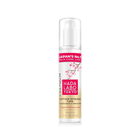
| Hada Labo Tokyo Soothing Booster Serum | Someone comparing options for skin prone to imperfections, redness and dehydration | Described as a lightweight, soothing serum for those concerns. | Its description does not establish that it treats acne or cannot irritate skin. |
| Hada Labo Tokyo Nourishing Booster Serum | Someone prioritizing nourishment and moisture | Described as hydrating, soothing and deeply moisturizing. | If a product feels uncomfortable on your skin, its nourishing description is not a reason to continue using it. |
The comparison is about stated product purpose, not a ranking for breakout prevention. The Concentrated Water Serum gives you the clearest ingredient-led hydration option in this group. The Soothing Booster Serum is described for skin prone to imperfections, while the Nourishing Booster Serum emphasizes moisture. None replaces an individual tolerance check.
If you want to compare the available serums, start with the concern you can actually identify: dehydration, discomfort or a preference for a more nourishing feel. Then check each product’s full ingredient list before trying it. Avoid choosing several at once; introducing them together defeats the test described above.


A product card helps you compare what each serum is presented as doing. It cannot tell you which formula caused a past breakout. If you already suspect one of these products, follow the pause-and-reintroduce process before selecting another serum for the same routine.
Does hyaluronic acid cause purging?
Hyaluronic acid is not an exfoliating ingredient, so do not assume spots after a new hyaluronic acid serum are a required purge. Check for irritation and other recent product changes instead. If the same spots return when you reintroduce the serum, stop using it rather than treating the reaction as a milestone.
Can I use hyaluronic acid serum if I have acne-prone skin?
Yes, you can use a hyaluronic acid serum if your skin tolerates the finished product. Hydration and acne-prone skin are not opposing categories, but a hydrating serum is not an acne treatment. Introduce it separately from other new skincare so you can judge your response.
Should I stop using hyaluronic acid serum when bumps appear?
Pause a newly introduced serum when bumps appear after you start using it. Keep the rest of your routine as consistent as possible while you assess the change. Stop immediately if the product burns or causes a significant reaction, and seek professional advice if symptoms persist.
FAQ
Can hyaluronic acid serum cause breakouts in 2026?
Yes, a breakout can follow a hyaluronic acid serum, but that timing does not establish that hyaluronic acid caused it. Check the finished formula and other recent routine changes.
Is hyaluronic acid itself an acne treatment?
No, hyaluronic acid is used for hydration, not as an acne treatment. If breakouts persist, ask a qualified clinician about care suited to your skin.
Does a breakout after serum mean my skin is purging?
No, do not assume a hyaluronic acid serum is causing a necessary purge. Pause the product and check for irritation or another recent change.
Can I apply moisturizer after a hyaluronic acid serum?
Yes, a moisturizer can follow a hyaluronic acid serum if your skin tolerates both products. If bumps appear after changing them together, assess each product separately.
What if my hyaluronic acid serum stings?
Stop using a serum that stings or burns. Wash it off if the discomfort continues, and seek professional advice if the reaction persists or is severe.
How do I identify which new skincare product caused bumps?
Pause recently added products, let your skin settle and reintroduce products separately. Keeping the rest of your routine steady makes a repeated reaction easier to spot.
Is Hada Labo Tokyo Concentrated Water Serum an acne treatment?
No, Hada Labo Tokyo Concentrated Water Serum is described as a hydrating serum with three types of hyaluronic acid. That description does not claim to treat acne or guarantee freedom from breakouts.
One last thing
The most useful clue in 2026 is often what you changed alongside the serum. If you started a new moisturizer and SPF at the same time, you have not tested the serum on its own. Keep a routine you tolerate, introduce additions separately and judge the finished product by your skin’s response. That approach is more informative than blaming hyaluronic acid simply because its name is on the label.


