


Yes, hyaluronic acid serum can help fine lines look less noticeable by hydrating the skin’s surface, especially when dehydration makes those lines more visible. The improvement is temporary: hydration does not erase deep wrinkles or replace treatments that address sun damage and skin aging. This 2026 guide explains what to expect, how to apply the serum, and when your skin needs more than hydration.
- Can hyaluronic acid serum help with fine lines? Yes—hydration softens their appearance, but does not erase established wrinkles.
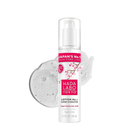
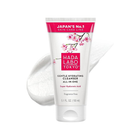
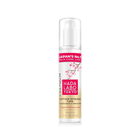
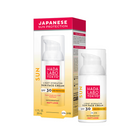
- Hada Labo Tokyo offers hyaluronic acid skincare for hydration-focused routines; it is not a substitute for wrinkle treatment.
- Follow hyaluronic acid serum with moisturizer, and use broad-spectrum sunscreen during the day.
- Judge results by skin comfort and surface smoothness, not promises of permanent wrinkle removal.
For application guidance, start with how much hyaluronic acid serum to apply per use. More product is not the same as a better result.
Can hyaluronic acid serum help with fine lines?
Hyaluronic acid serum helps most when dryness or dehydration makes fine lines look sharper. Hyaluronic acid is a humectant: it binds water and helps hydrate the outer skin layers. Better-hydrated skin looks smoother and feels more supple, which reduces the prominence of superficial lines.
That is different from rebuilding the deeper structures involved in established wrinkles. A hydrating serum does not stop facial movement, remove accumulated sun damage, or reproduce the effects of an injectable treatment.
| Approach | Best for | Main benefit | Main limitation |
|---|---|---|---|
| Hyaluronic acid serum | Fine lines emphasized by dehydration | Hydrates the surface and improves its appearance | Does not erase deep or established wrinkles |
| Moisturizer | Dryness and maintaining hydration | Helps reduce water loss and supports skin comfort | Hydration alone does not address every cause of wrinkles |
| Topical retinoid | Addressing signs of photoaging | Supports skin renewal and can improve fine wrinkles | Can cause irritation; suitability needs individual consideration |
| Broad-spectrum sunscreen | Limiting further UV-related skin aging | Protects against a major cause of premature skin aging | Does not remove existing lines |
These approaches serve different purposes rather than competing for one place in your routine. You can support hydration while also protecting your skin from further UV exposure.
Why this matters
A line that becomes more visible when your face feels tight is not necessarily the same problem as a crease that stays prominent when your skin feels comfortable. Treating every line as a sign that you need a stronger product encourages unnecessary layering.
For your 2026 skincare routine, separate surface hydration from longer-term wrinkle care. A hydrating serum earns its place if your skin feels better and looks smoother; it does not need to promise a permanent change to be useful.
This distinction also helps you avoid chasing an ingredient percentage or an impressive product name. The complete formula, your skin’s response, and the rest of your routine matter more than a claim on the front of a bottle.
Fine lines linked to dehydration: hydration is the first move
Dehydrated skin lacks water, while dry skin lacks sufficient oil. The two can overlap, and oily skin can also feel dehydrated. A shiny forehead does not automatically mean your skin has enough hydration.
Look at how your skin feels alongside how it looks. Tightness after cleansing, rough surface texture, and lines that appear more obvious when your skin feels dry are useful reasons to simplify your routine and focus on hydration.
They are not a diagnosis. Persistent flaking, redness, itching, or discomfort deserves attention rather than another layer of serum.
Best for dehydration-related fine lines: a tolerable hydrating serum followed by moisturizer. The benefit is a softer-looking surface and improved comfort; the limitation is that the effect depends on maintaining hydration.
Do not use a close-up photograph taken immediately after application as proof of lasting wrinkle reduction. A fresh layer of skincare changes surface sheen as well as hydration, which affects how lines appear in light.
Established wrinkles: hydration is supportive, not corrective
Lines that remain visible when your skin is comfortable can reflect facial movement, sun exposure, and age-related changes in the skin. Hydration still improves the surrounding surface, but it does not address all of those causes.
This is where expectations matter. A smoother finish after serum is a hydration result, not evidence that a deeper wrinkle has disappeared.
Best for established wrinkles: discuss targeted care with a dermatologist while maintaining hydration and sun protection. Topical retinoids are an established option for photoaging, but they are not suitable for every person or every routine. Irritation can make an already uncomfortable face feel worse.
Do not use topical retinoids during pregnancy. If you are pregnant, planning pregnancy, breastfeeding, or treating a skin condition, ask your clinician which ingredients fit your circumstances before starting a wrinkle-focused treatment.
How should you apply hyaluronic acid serum for fine lines?
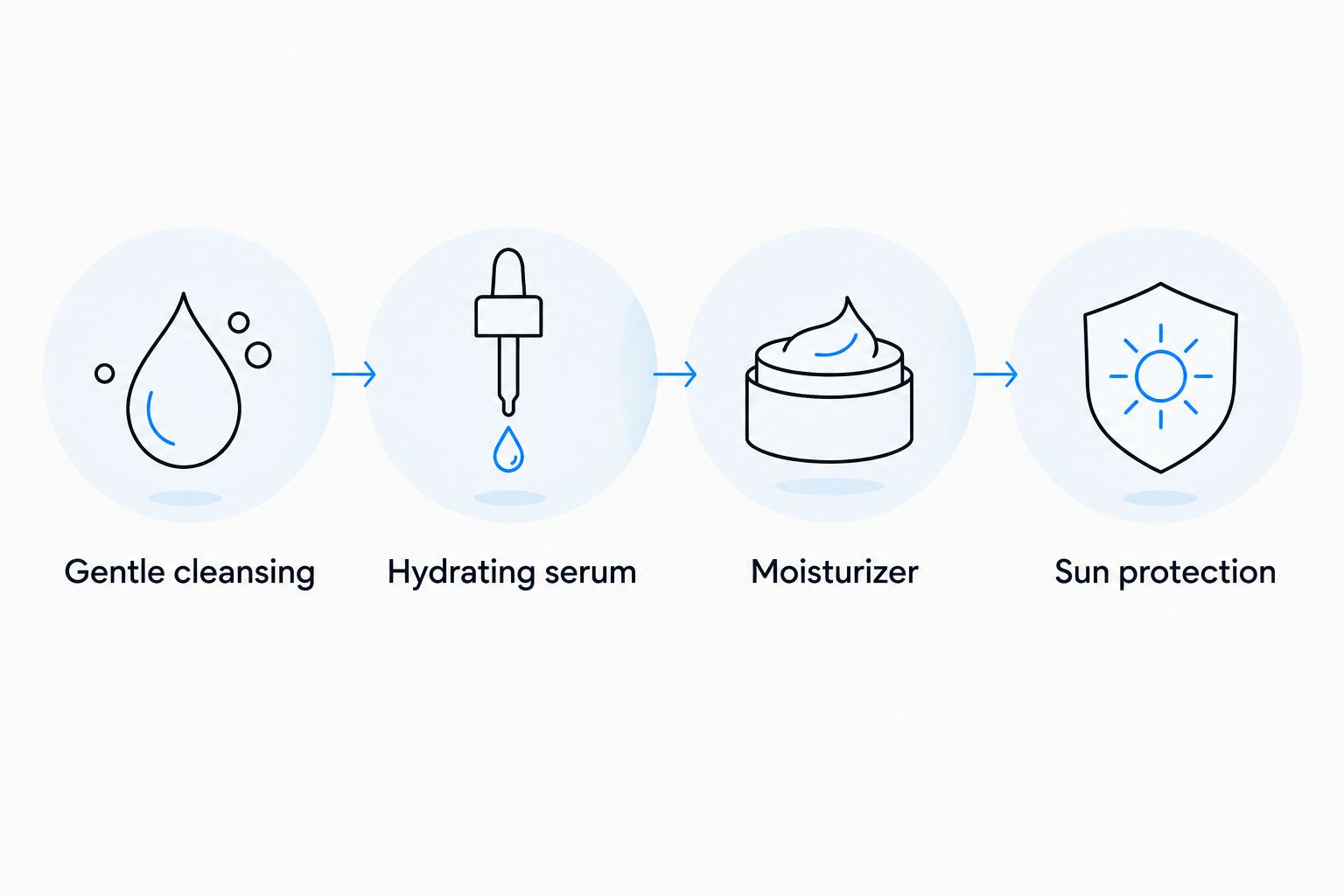
A useful 2026 routine keeps the order simple: cleanse, hydrate, moisturize, and protect. Follow the product’s instructions rather than borrowing a dose from another bottle with a different texture or dispenser.
- Gentle cleansing. Remove makeup, sunscreen, and accumulated residue without scrubbing. Your face should feel clean, not painfully tight.
- Hydrating serum. Apply as directed. Slightly damp skin is a practical starting point for many hydrating formulas, unless the label specifies otherwise.
- Moisturizer. Follow with a moisturizer that suits your skin. Hyaluronic acid adds a water-binding step; moisturizer helps maintain that hydration.
- Sun protection. In the morning, finish with broad-spectrum sunscreen. Use at least SPF 30 and follow its application instructions.
These steps work together. Leaving out moisturizer is not automatically wrong for every formula, but a watery serum should not be assumed to provide everything dry skin needs.
At night, sun protection drops out of the sequence. If you already use a prescribed treatment or a retinoid, follow its instructions; do not change its application order solely to accommodate a hydrating serum.
Use enough moisturizer to leave your skin comfortable without repeatedly adding layers. If products roll into small flakes, simplify the routine and let each layer settle rather than assuming your skin needs more serum.
Keep sunscreen separate from wrinkle correction
The American Academy of Dermatology recommends broad-spectrum, water-resistant sunscreen with SPF 30 or higher. When outdoors, reapply every 2 hours and after swimming or sweating, following the label.
Those are protection instructions, not a promise that sunscreen will reverse existing wrinkles. Shade and protective clothing also belong in your daytime plan.
Why the visible improvement varies
The same ingredient does not produce the same visible change on every face. Your starting point and the complete routine determine whether hydration addresses the problem you are noticing.
- The cause of the lines. Dehydration-related surface lines respond differently from persistent creases associated with movement or photoaging.
- The complete formula. A serum contains more than its headline ingredient. Texture and other ingredients affect comfort and how well it fits your routine.
- Your moisturizer. Supporting hydration is especially relevant when your face remains tight after applying a watery serum.
- Cleansing and exfoliation. A routine that repeatedly leaves skin irritated undermines the comfortable surface you are trying to achieve.
- Consistency. A hydration benefit depends on ongoing care rather than a one-off application.
- Sun protection. Hydration does not cancel UV exposure or replace measures that reduce further sun damage.
Change one part of your routine at a time. If you introduce a serum, an exfoliant, and a new moisturizer together, you lose a clear way to identify what helps or what irritates.
Choosing a hydration-focused serum
Hada Labo Tokyo is best for shoppers seeking Japanese-inspired hyaluronic acid skincare for a hydration-focused routine. That positioning fits dehydration-related fine lines, but it does not establish that every product will suit every skin type.
One relevant option is the Hada Labo Tokyo Concentrated Water Serum Lock-in-Moist 30ml. Its supplied description identifies 3 types of hyaluronic acid and a hydration focus. That makes hydration—not permanent wrinkle removal—the appropriate reason to consider it.
The limitation is equally important: the product description does not establish a guaranteed reduction in fine lines or a fixed results timeline. Check the current ingredient list and directions, especially if your skin reacts easily or you already use treatment products.
For a 2026 purchase, judge a serum against a clear need: does it add comfortable hydration without making your routine harder to tolerate? A moisturizer you already enjoy can remain part of the routine; adding a serum does not require replacing every other step.
How long does hyaluronic acid take to improve fine lines?
There is no universal timeline for visible fine-line improvement from hyaluronic acid serum. Surface hydration and deeper wrinkle change are different outcomes, so a promise that combines them is not a useful benchmark.
Assess whether your skin feels less tight and whether its surface looks smoother under comparable conditions. Use the same lighting and facial expression when comparing photographs, and avoid comparing freshly moisturized skin with a completely bare, dry face.
Your 2026 progress check should focus on comfort first. If your skin becomes sore, itchy, or persistently red, stop treating that reaction as part of an adjustment period and seek advice if it continues.
Can you use hyaluronic acid serum with retinol?
Hyaluronic acid and retinol serve different roles and can be included in the same routine when the formulas and your skin tolerate them. Hyaluronic acid supports hydration; retinol belongs to the retinoid family used in care for signs of aging.
A hydrating serum does not make retinol irritation impossible. Follow the retinol product’s directions, keep moisturizer in the routine, and avoid adding several potentially irritating products at once.
If a clinician has prescribed your treatment, ask how to combine it with the rest of your skincare. Prescription instructions take priority over a generic layering sequence.
Is hyaluronic acid serum better than moisturizer for fine lines?
Neither category is automatically better: a serum adds a hydration step, while moisturizer helps maintain comfortable skin and reduce water loss. Some moisturizers already contain hyaluronic acid, so a separate serum is not essential for everyone.
Best for a simple routine: keep a moisturizer that already leaves your skin comfortable. Add a hydrating serum when you have a clear reason, rather than because every fine-line routine is expected to contain one.
If your face still feels tight after serum, do not respond by applying more and more of it. Review your cleanser, moisturizer, and any irritating treatment steps instead.
FAQ
Can hyaluronic acid serum help with fine lines around my eyes?
Hyaluronic acid can soften the appearance of dehydration-related fine lines around the eyes. Use only a formula whose directions permit application there, and keep it out of your eyes.
Will hyaluronic acid get rid of wrinkles permanently?
Hyaluronic acid serum does not permanently remove wrinkles. Its hydration benefit improves the skin’s surface appearance rather than erasing established creases.
Can I use hyaluronic acid serum every day?
Daily use is appropriate for many hyaluronic acid serums when the product instructions allow it and your skin tolerates the formula. Stop using a product that causes persistent irritation.
Do I still need moisturizer after hyaluronic acid serum?
A watery hyaluronic acid serum does not automatically replace moisturizer. Follow it with moisturizer if your skin needs support to stay comfortable and hydrated.
Is hyaluronic acid better than retinol for fine lines?
Hyaluronic acid is better suited to hydration, while retinoids address signs of photoaging. The right choice depends on the cause of your lines, your skin’s tolerance, and individual safety considerations.
What sunscreen should I use with a fine-line routine?
Use broad-spectrum, water-resistant sunscreen with SPF 30 or higher. When outdoors, reapply every 2 hours and after swimming or sweating, following the label.
Does a serum with more types of hyaluronic acid remove more wrinkles?
A larger number of hyaluronic acid types does not establish greater wrinkle removal. Evaluate the complete formula, its stated purpose, and how your skin responds.
One last thing
If your face feels tight after every cleanse, review the cleansing step before buying another wrinkle product. Hydration cannot make an unnecessarily irritating routine a good fit for your skin.
Keep the goal specific: comfortable skin, a smoother-looking surface, and consistent sun protection. That is a useful result from Hada Labo Tokyo hyaluronic acid skincare without asking a hydrating serum to do the job of a wrinkle treatment.


