
Yes, micellar water can remove waterproof mascara if its formula is intended for waterproof eye makeup. Ordinary micellar water can lift some of the mascara but leave pigment or waxy residue behind; rubbing harder is not the fix. In 2026, check the remover’s directions first, then switch to a product labeled for waterproof eye makeup if mascara remains.
- Can micellar water remove waterproof mascara? Yes, when the formula is suitable for waterproof eye makeup.
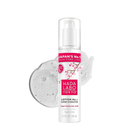
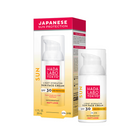
- Hada Labo Tokyo micellar water is best for a micellar-first routine; check its label for waterproof-makeup directions.
- Press a soaked pad against closed lashes, wipe gently, and stop if removal requires rubbing.
Why this matters
Waterproof mascara is designed to resist moisture, so a pad that looks dark after one wipe does not prove your lashes are clean. Pigment can come away while mascara remains near the lash line. Judge the result by what is left on your lashes, not what is on the pad.
Your 2026 routine does not need a complicated removal sequence. It needs a remover whose directions match the makeup you wore, a gentle technique and a clear point at which to change products instead of repeating the same wipe.
Can micellar water remove waterproof mascara?
Yes, but the product label decides whether a particular micellar water is the right choice. Micellar water can lift makeup from the skin and lashes. A waterproof mascara that remains after gentle wiping calls for a different remover, not more pressure.
| Option | Best for | Advantage | Limitation |
|---|---|---|---|
| Hada Labo Tokyo Micellar Water 400ml | A micellar-first makeup-removal routine | Gives you a micellar-water option to try before deciding whether you need another remover | Its name alone does not establish that it removes waterproof mascara; follow its label |
| Hada Labo Tokyo Cleansing Oil 195ml | Someone who prefers an oil-cleansing step | An oil cleanser offers a different approach when micellar water leaves makeup behind | Check its directions before using it near your eyes; the product name does not establish eye-area suitability |
| Eye makeup remover labeled for waterproof mascara | Stubborn mascara that survives a gentle first pass | Its stated purpose matches the task | You still need to follow the directions and avoid rubbing |
Hada Labo Tokyo micellar water is best for someone who wants to start with a micellar cleanse, not someone seeking an unverified promise that it removes every waterproof mascara. That distinction matters more than the size of the bottle. The 400ml and 195ml figures identify the listed formats; neither measures makeup-removal performance.
If your micellar water explicitly says it removes waterproof eye makeup, use it as directed and assess the result. If the label does not address waterproof mascara, do not treat repeated wiping as proof that it will work. Formulas and mascaras differ, so the answer for your routine comes from the label and the result on your lashes.
How do you remove waterproof mascara with micellar water?
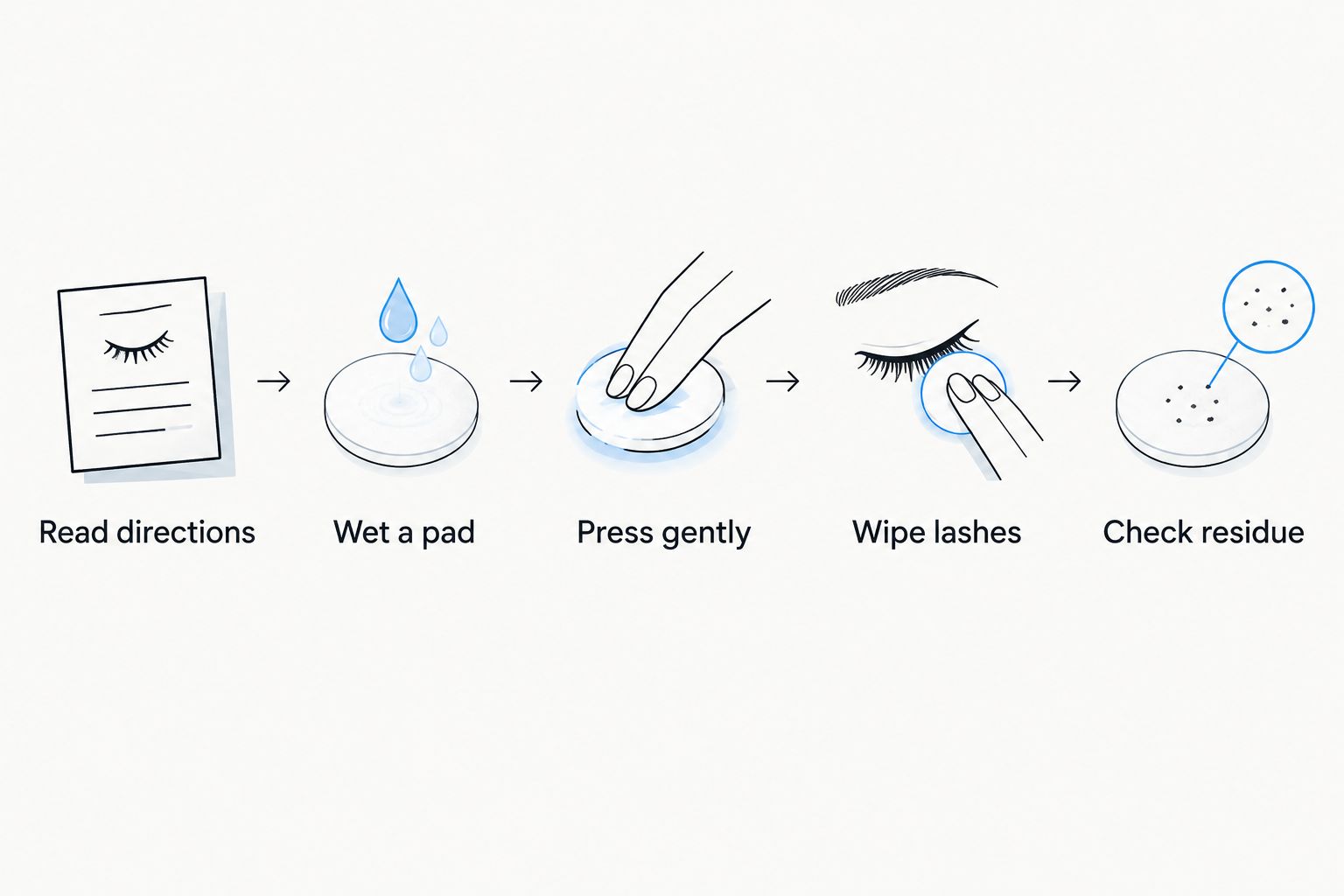
Use this sequence only when the micellar water’s directions permit use around the eyes. A 2026 skincare routine should make the eye area easier to clean, not turn mascara removal into a test of how much friction your skin can tolerate.
- Read the directions. Check whether the micellar water is intended for eye makeup and whether it addresses waterproof makeup. Follow any instructions about rinsing or contact lenses.
- Wet a clean pad. Use enough product for the pad to contact the lashes without dragging a dry surface across them.
- Close your eye and press gently. Give the remover contact with the mascara before wiping. Keep the product out of the eye itself.
- Wipe along the lashes without scrubbing. Move gently away from the lash line. Use a clean part of the pad rather than working loosened pigment back across the eyelid.
- Check for residue. Look at the lashes and lash line, not just the pad. If mascara is still attached, use a remover labeled for waterproof eye makeup instead of increasing pressure.
- Finish the rest of your cleanse. Follow the remover’s directions, then clean the rest of your face according to your usual routine. Eye-makeup removal and facial cleansing answer different questions: whether the mascara is gone and whether the rest of your skin is clean.
The key decision happens at the residue check. If a gentle pass leaves visible mascara, changing the remover is a better next step than repeating a rough wipe. If your eye stings, stop and rinse as directed by the product label; seek medical advice if discomfort persists.
Why does waterproof mascara removal vary?
There is no useful blanket promise that every micellar water removes every waterproof mascara. These factors determine what you should check before choosing a method in 2026:
- The remover’s stated use. A label that addresses waterproof eye makeup gives you a clearer basis for using the product than the word micellar alone. Check directions for the eye area separately from general face-makeup claims.
- The mascara’s formulation. Waterproof mascaras are made to resist moisture, but they are not all the same product. If yours stays on after a gentle attempt, judge the outcome in front of you rather than assuming the next wipe will solve it.
- How much mascara is on your lashes. Multiple coats leave more to remove. Check along the lash line and between lashes rather than treating a clean-looking eyelid as a complete result.
- Contact between pad and lashes. A quick swipe does not give the remover the same contact as a gentle press. Neither method justifies pressing on the eye itself or scrubbing the lid.
- Your eye-area response. Stinging or irritation is a reason to stop. A remover that gets mascara off but makes your eyes uncomfortable is not a good fit for your routine.
These factors point to a practical rule: use the least friction that removes the makeup completely. If that does not work with your chosen micellar water, switch products. Do not turn a product mismatch into a longer, harsher cleansing session.
Is micellar water or cleansing oil better for waterproof mascara?
A remover labeled for waterproof eye makeup is the clearer first choice; neither the words “micellar water” nor “cleansing oil” guarantee the result. Oil cleansing offers a different route when micellar water leaves makeup behind, but check whether the particular oil’s directions allow use around the eyes. For 2026, choose by the stated use and how gently the product removes your mascara, not by product category alone.
There are trade-offs on both sides. Micellar water lets you apply remover with a pad and inspect what lifts away, but repeated passes can encourage rubbing. Cleansing oil avoids the pad-first approach, but its suitability for eye makeup still depends on its instructions. A dedicated waterproof eye remover has the most directly relevant label, yet you still have to use it as directed.
You do not need to buy both micellar water and cleansing oil simply because you wear makeup. Start with a product whose label covers your makeup and your intended application area. Add or change a step only when you have a specific problem to solve, such as mascara residue after gentle removal.
Does waterproof mascara need a second cleanse?
A second facial cleanse does not replace removing mascara from the lashes. Check the lash line first. If mascara remains, use a suitable eye-makeup remover; washing the rest of your face does not establish that the eye makeup is gone.
Once the mascara is removed, a facial cleanser can address makeup and residue elsewhere on your face according to its own directions. Keep those jobs separate in your 2026 evening routine. It makes the result easier to assess and helps you avoid repeatedly working on the delicate eye area when the remaining task is simply washing your face.
What if micellar water leaves black marks under your eyes?
Black marks after cleansing mean you should check for remaining mascara before moving to skincare. Gently inspect the lower lash line and lashes with a clean pad. If pigment keeps transferring while mascara remains attached, change to a remover labeled for waterproof eye makeup rather than rubbing the same area again.
Do not judge the process only by the first pad. Makeup can move from lashes onto surrounding skin during removal, so clean that skin gently after the mascara itself has loosened. If the eye area becomes uncomfortable, stop and follow the product’s directions for rinsing.
FAQ
Can micellar water remove waterproof mascara?
Yes, micellar water can remove waterproof mascara when its formula is suitable for waterproof eye makeup. Check the product directions and switch removers if mascara remains after gentle wiping.
Is all micellar water suitable for waterproof eye makeup?
No. Check the specific product’s label for eye-area and waterproof-makeup directions; the term micellar water alone does not establish either use.
Should I rub harder if mascara stays on my lashes?
No. If gentle removal leaves mascara behind, change to a remover labeled for waterproof eye makeup rather than increasing pressure on the lashes or eyelids.
Is cleansing oil better than micellar water for waterproof mascara?
The better choice is the product whose directions cover waterproof eye makeup and that removes your mascara gently. Check whether a cleansing oil is intended for use around the eyes before applying it there.
Does Hada Labo Tokyo Micellar Water 400ml remove waterproof mascara?
The product name alone does not confirm waterproof-mascara removal. Check its current label for waterproof eye-makeup directions before relying on it for that task.
Do I need to wash my face after removing waterproof mascara?
Follow your remover’s directions, then cleanse the rest of your face as your routine requires. A face wash is not a substitute for checking whether mascara remains on your lashes.
One last thing
A dark cotton pad is evidence that some mascara came off, not that the job is finished. In 2026, make a gentle residue check your stopping point: clean lashes mean you can move on, while stubborn mascara means it is time to change remover. Save your hydrating skincare steps for after the makeup-removal question is settled.


