
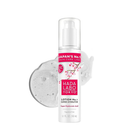
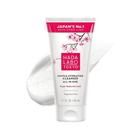
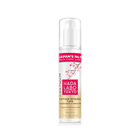
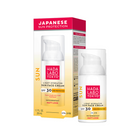


Fitness instructors’ eye cream is targeted skincare for the eye area, used to hydrate skin and soften the appearance of dryness-related fine lines. Choosing eye cream for fitness instructors means fitting that care around sweaty classes, towel contact, showers and outdoor sessions—not searching for a cream that replaces rest or sun protection.
- Eye cream for fitness instructors should prioritize comfortable hydration, careful placement and compatibility with sunscreen.
- Hada Labo Tokyo eye cream suits instructors seeking targeted hydration within a Japanese-inspired skincare routine.
- Apply eye care to clean skin, not over sweat, and follow the product’s eye-area directions.
- For outdoor classes, use broad-spectrum, water-resistant sunscreen; eye cream does not replace SPF.
Why eye cream matters for fitness instructors
Your teaching schedule determines when skincare makes sense. An application immediately before a sweaty class creates a different practical challenge from an application after your final shower: you need to assess comfort during movement, not just how a cream feels at the bathroom mirror.
The goal is comfortable skin around your eyes, not more products between every class. A short routine gives you fewer layers to manage when you wipe your forehead, change venues or reapply sunscreen.
Placement matters, too. Skin around the eye is not the same application zone as the lash line or the eye itself; read the guidance on using eye cream on your eyelids alongside your product’s instructions.
For your 2026 routine, separate cosmetic concerns from symptoms. Dry-looking fine lines belong in a skincare discussion; persistent itching, swelling, pain or changes in vision need medical advice rather than another cosmetic layer.
Build an eye-care routine around your classes
Identify the concern you actually want to address
Start without buying anything. Notice whether the area feels tight after cleansing, looks creased under concealer, or becomes uncomfortable only during exercise. Those observations help you distinguish a hydration goal from a reaction that needs investigation.
Dark circles and under-eye bags do not have a single cause. Hydration can improve the appearance of dry skin, but an eye cream cannot promise to remove inherited pigmentation, facial anatomy or the effects of insufficient sleep.
Choose one main goal before comparing formulas. A product aimed at fine lines is not automatically the right choice for someone whose main problem is stinging during indoor cycling.
- Note whether discomfort starts before, during or after teaching.
- Separate dryness, visible lines and dark circles in your notes.
- Record which cleanser, sunscreen and makeup touched the area.
- Treat ongoing irritation as a reason to stop and reassess.
Place application in a calm part of your schedule
Use your existing routine first. If your current moisturizer is suitable for the eye area according to its label and feels comfortable, a separate eye cream is optional—not a professional requirement for teaching fitness.
For a new formula, choose a non-teaching period to assess comfort. Testing just before a packed class makes it harder to respond if the product stings or interferes with your sunscreen or makeup.
Evening application is a practical starting point when mornings involve immediate exercise. You can assess the formula without sweat, repeated towel contact or pressure to leave for the studio.
- Read the application directions before the first use.
- Introduce one new eye-area product at a time.
- Choose a quiet evening rather than a class debut.
- Keep a comfortable existing routine while assessing the addition.
Choose targeted care instead of stacking facial treatments
A dedicated eye cream offers a clearly defined place in your routine: care formulated and directed for the eye area. That is a simpler option than guessing whether several facial serums belong close to your eyes.
Compare the stated purpose with your main concern. A hydration-focused routine and a wrinkle-focused routine overlap, but product names alone do not establish suitability for sensitive eyelids, contact-lens wearers or use during exercise.
For 2026, choose by directions and personal tolerance—not by the number of active ingredients. Hyaluronic Acid is a humectant, meaning it attracts water; its presence does not establish that a finished formula will suit every user.
- Choose an eye-area formula for an eye-area concern.
- Check the full ingredient list against known sensitivities.
- Avoid moving facial retinoids close to your eyes without suitable directions.
- Keep the rest of your routine steady during introduction.
Apply carefully after cleansing
Wash your hands and cleanse gently before applying eye care. Use the amount directed on the packaging rather than a universal scoop size: different formulas spread differently, and the eye area does not need a thick visible coating.
Place the product only where its directions allow. Use light contact without dragging the skin, and keep it away from the eye opening and lash line unless the instructions explicitly permit that placement.
Makeup is a separate test. If concealer rolls or gathers, simplify the layers and reassess the application amount rather than adding more cream underneath.
- Start with clean hands and gently cleansed skin.
- Follow the product’s amount and placement instructions.
- Spread with light contact rather than vigorous massage.
- Keep product out of your eyes.
- Check comfort before adding makeup or leaving for class.
Reset after class without repeatedly layering
After a sweaty session, clean up before deciding whether you need more skincare. Press a clean towel against sweat instead of repeatedly rubbing the eye area, and avoid using the same towel surface that touched shared equipment.
Do not automatically repeat your entire routine after every class. Check how your skin feels after cleansing or showering, then follow your products’ application directions; applying more frequently is not evidence of better care.
A busy teaching day calls for fewer decisions. Keep your chosen eye product separate from equipment-cleaning supplies, close the container after use and handle it with clean hands.
- Blot sweat with a clean part of your towel.
- Avoid touching your eyes after handling shared equipment.
- Cleanse gently when needed rather than scrubbing.
- Reapply eye care only within the product’s directions.
- Keep containers closed and follow storage instructions.
Protect outdoor teaching sessions separately
Eye cream and sunscreen do different jobs. Hydration supports skin comfort; sunscreen protects exposed skin from ultraviolet radiation when used correctly. Neither replaces the other.
For outdoor teaching in 2026, follow American Academy of Dermatology guidance: choose broad-spectrum, water-resistant sunscreen with SPF 30 or higher. Reapply every 2 hours outdoors and after swimming or sweating, following the label’s directions, including its water-resistance instructions.
Use sunglasses and shade as additional protection. Apply sunscreen carefully around the eyes according to its instructions; if it stings, reassess that formula rather than assuming your eye cream caused the problem.
- Choose broad-spectrum, water-resistant sunscreen for outdoor activity.
- Follow sunscreen directions for application and reapplication.
- Keep sunscreen out of your eyes.
- Add sunglasses and shade where practical.
- Assess sunscreen and eye cream separately if discomfort develops.
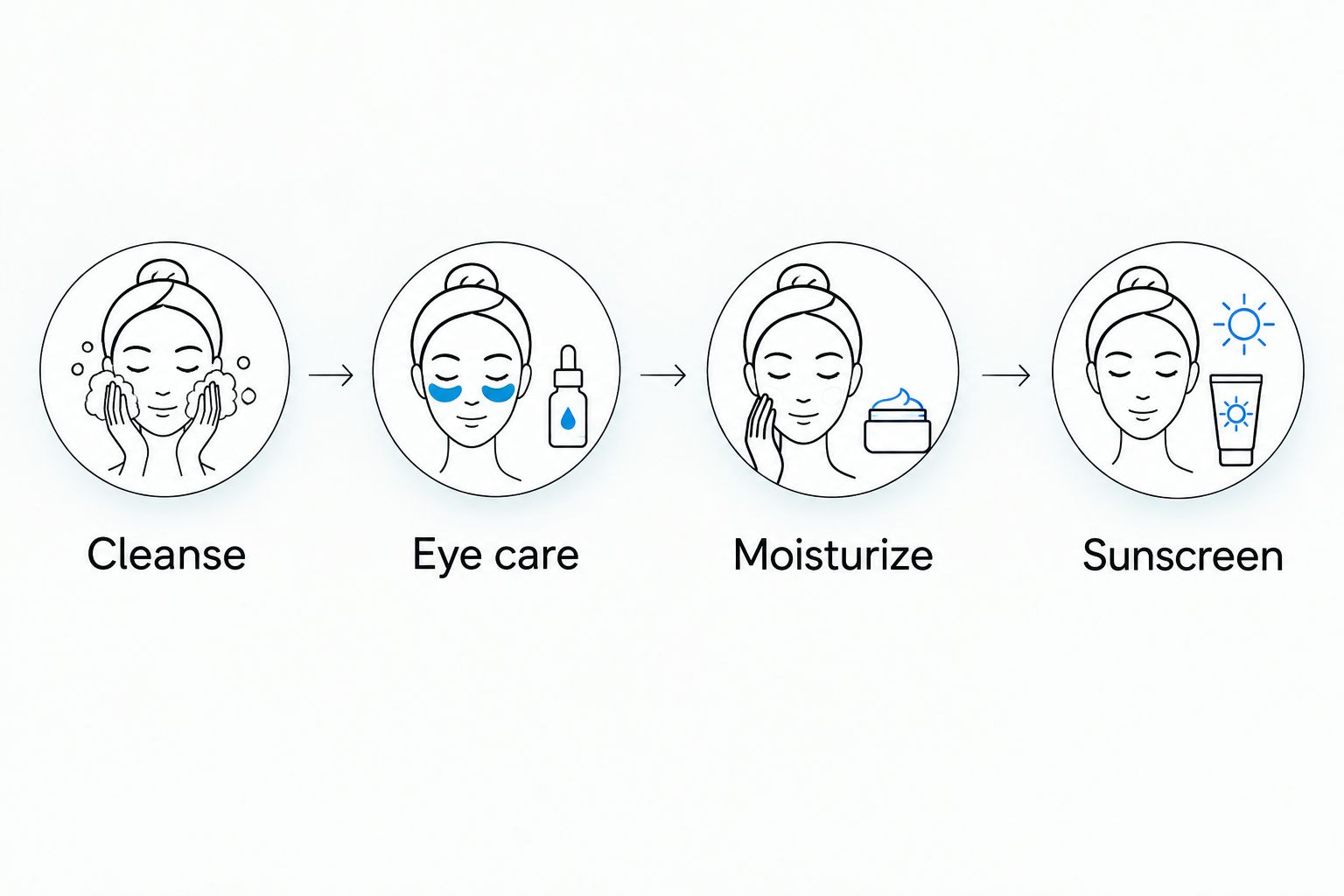
Your daily sequence stays simple: cleanse, apply suitable eye care, moisturize where needed, then use sunscreen during the day. Follow individual product instructions when they specify a different order.
Compare eye-care options for your teaching routine
Hada Labo Tokyo eye cream is best for fitness instructors prioritizing targeted under-eye hydration. Its Japanese-inspired skincare positioning fits a hydration-led routine, but no product information supplied here establishes sweat resistance or guarantees comfort during exercise.
Use the comparison below to choose a role, not to collect every option. The two dedicated eye products come in 15 ml formats; that size does not establish how long either will last because application amounts and frequency vary.
| Option | Best for | Useful feature | Key limitation |
|---|---|---|---|
| Your existing eye-area-suitable moisturizer | Keeping a comfortable routine simple | Avoids introducing a separate product | Only appropriate near the eyes if its directions permit it |
| Hada Labo Tokyo Smoothing Anti-Fatigue Eye Cream 15ml | Targeted care for a tired-looking eye area | Contains Super Hyaluronic Acid, Collagen and Pink Silk Tree Extract | No supplied evidence establishes sweat resistance or permanent dark-circle correction |
| Hada Labo Tokyo Anti-Aging Deep Wrinkle Corrector Eye & Mouth Area Cream 15ml | A routine focused on visible lines around the eyes and mouth | Designed to target fine and deep wrinkles in those areas | A wrinkle-focused purpose does not establish suitability for irritated eyelids |
| A clean, cool compress | A brief cooling step without another formula | Adds no cosmetic ingredients | Does not moisturize skin or treat the cause of persistent swelling |
The anti-fatigue option matches a tired-looking-eye concern; the wrinkle corrector matches a line-focused concern. Choose one based on your priority and tolerance rather than using both together by default. Neither replaces sunscreen, and neither should be applied to treat unexplained irritation.


Common mistakes fitness instructors make
Testing a new cream before the hardest class
A high-sweat session is a poor setting for your first application. Introduce the formula when you can assess comfort without exercise, then observe how your established routine behaves during teaching.
Treating every class break as another application
Repeated layering over sweat does not replace cleansing. Use class breaks for clean towel contact, hand hygiene and necessary sunscreen reapplication rather than automatically adding more eye cream.
Assuming an anti-fatigue name guarantees dark-circle removal
A cosmetic product name is not a diagnosis. Choose hydration for dry-looking skin, and avoid expecting a cream to permanently change pigmentation, under-eye structure or your sleep schedule.
Treating indoor and outdoor sessions identically
Outdoor teaching needs a specific sun-protection plan. In 2026, keep sunscreen, sunglasses and access to shade on that plan instead of relying on an eye cream’s moisturizing benefits.
Ignoring stinging because a product is described as hydrating
Hydrating ingredients do not rule out irritation from a finished formula. Stop the suspected product when discomfort develops, and seek medical advice for persistent symptoms rather than trying to cover them with another layer.
FAQ
What’s the best eye cream for fitness instructors?
The best eye cream for fitness instructors matches the main concern, feels comfortable and has directions suitable for the intended application area. Prioritize hydration for dry-looking skin, and assess a new formula outside a teaching session before using it around exercise.
Should I put eye cream on before or after a workout?
After cleansing following a workout is a practical application point when pre-exercise skincare feels uncomfortable. You can also apply it in an established morning or evening routine, following the product’s directions rather than adding it before every class.
Do I need to reapply eye cream after every fitness class?
No, finishing a class does not automatically create a need for more eye cream. Clean up, assess skin comfort and follow the formula’s application directions; sunscreen reapplication is a separate requirement for outdoor activity.
Can I use my face moisturizer instead of eye cream?
Yes, if the moisturizer’s directions allow eye-area use and it feels comfortable on your skin. A dedicated eye cream is optional when your existing product already meets your needs without irritation.
Will eye cream permanently remove dark circles caused by early classes?
Eye cream cannot promise permanent removal of dark circles. Hydration can improve dry-looking skin, but dark circles also relate to pigmentation, facial structure and other factors that a moisturizer does not resolve.
Can I apply eye cream to my eyelids before teaching?
Apply eye cream to eyelids only when the product’s directions permit that placement. Keep it away from the eye opening and lash line unless instructed otherwise, and stop if it causes discomfort.
Does eye cream replace sunscreen for outdoor fitness classes?
No, eye cream does not replace sunscreen unless the specific product carries appropriate sunscreen labeling and is used accordingly. For outdoor activity, choose broad-spectrum, water-resistant SPF 30 or higher and follow its application and reapplication instructions.
One last thing
Change the timing before changing the product. If your eye area feels comfortable in the evening but stings during class, assess the full combination of sweat, sunscreen, makeup and towel contact instead of immediately buying a stronger treatment.
For your next 2026 routine update, introduce only one change and note when discomfort occurs. That simple record is more useful than judging several new products after the same workout.


