


Keep an opened hyaluronic acid serum only within the period-after-opening limit printed on its packaging, and follow any separate expiry date or manufacturer instructions. There is no single shelf life for every hyaluronic acid serum: a bottle marked 6M has a different limit from one marked 12M. Discard it sooner if its smell, colour, texture or packaging changes, because the printed period does not override signs of deterioration.
- How long can you keep an opened hyaluronic acid serum? Follow its own period-after-opening label, not an ingredient-based estimate.
- A 6M symbol means 6 months after opening; 12M means 12 months after opening.
- Discard serum with unexpected changes, even before its labelled limit.
- Hada Labo Tokyo suits shoppers seeking Japanese-inspired hyaluronic acid skincare; check each bottle’s storage and opening instructions.
Why this matters
A serum can still contain plenty of product when its recommended use period ends. The amount left in the bottle does not determine whether you should keep using it. Neither does the fact that hyaluronic acid is the main ingredient you recognise.
Separate two questions: how quickly you finish a bottle, and how long that bottle remains suitable after opening. For application guidance, see how much hyaluronic acid serum to apply per use. Do not increase your application simply to empty an ageing bottle.
For your 2026 skincare routine, the useful habit is simple: record the opening date before the bottle joins your daily line-up. That gives you a reliable starting point instead of a guess several months later.
How long can you keep an opened hyaluronic acid serum?
Use the individual product’s labelled period after opening, not a universal number of months. Look for the open-jar symbol on the bottle or carton. The number beside it, followed by M, expresses the period in months after opening.
Read all the packaging before deciding. A separate expiry date, storage instruction or warning can change what you should do, and the carton sometimes carries information that is less visible on the bottle.
| Label or condition | What it tells you | What to do |
|---|---|---|
| Open-jar symbol marked 6M | Labelled period is 6 months after opening | Record the opening date and count forward 6 months |
| Open-jar symbol marked 12M | Labelled period is 12 months after opening | Record the opening date and count forward 12 months |
| Open-jar symbol marked 24M | Labelled period is 24 months after opening | Follow that specific label, not another serum’s instructions |
| Separate expiry date | The product has a stated durability deadline | Follow the date alongside its opening instructions |
| Unexpected smell, colour or texture change | The product has changed from its original condition | Stop using it, even within the labelled period |
| Unreadable label or unknown opening date | You cannot establish the intended use window | Ask the manufacturer; do not invent a deadline |
The European Commission’s cosmetics-labelling rules, applicable in 2026 across the EU, distinguish minimum durability from the period after opening. Cosmetics with minimum durability exceeding 30 months generally carry a period-after-opening indication where that concept is relevant. Those 30 months are not permission to use an opened serum for 30 months.
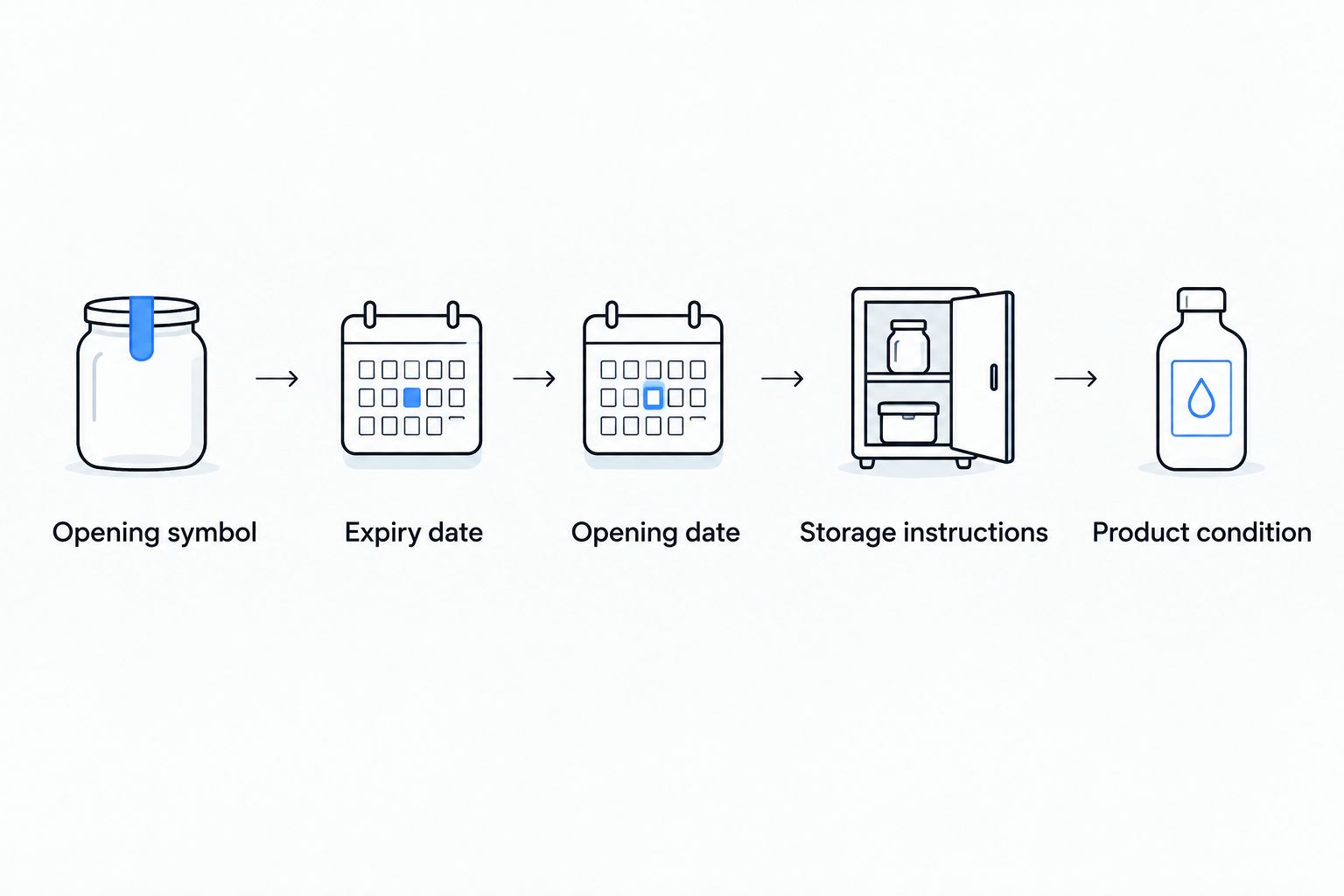
Read the label in this order
- Find the opening symbol. Check both the container and outer carton for the open jar and its month marking.
- Check the expiry date. Look for a separate date of minimum durability and any wording explaining it.
- Record the opening date. Use the date you first opened the container, not the delivery or purchase date.
- Read storage instructions. Keep the product under the conditions stated on its packaging.
- Check its condition. Compare the serum with how it looked and smelled when first opened.
A batch code is not automatically an expiry date. It identifies a production batch, and its meaning depends on the manufacturer’s coding system. Ask the manufacturer to interpret it rather than treating an online decoder as a substitute for the label.
If the label says 6M: 6 months after opening
A serum marked 6M has a labelled use period of 6 months after opening. This is an explanation of the symbol, not a claim that all hyaluronic acid serums last that long.
For example, if you open a 6M bottle on 1 January 2026, its labelled opening period reaches 1 July 2026. A separate earlier expiry date or signs of deterioration still take priority.
Write the opening date on the bottle or a nearby note. Keeping only the purchase receipt does not establish when you first opened the serum, especially if it stayed sealed before use.
If the label says 12M: 12 months after opening
A serum marked 12M has a labelled use period of 12 months after opening. Do not transfer that limit to another bottle merely because both contain hyaluronic acid.
The whole formula matters, including its preservation system and the packaging used to protect it. A shared ingredient does not mean two products have identical storage requirements or durability.
The benefit of the symbol is that it gives you a clear tracking period. Its limitation is equally important: 12M is not a guarantee that a mishandled or visibly changed serum remains suitable until the final day.
If the label says 24M: 24 months after opening
A serum marked 24M has a labelled use period of 24 months after opening. Follow that marking only when it actually appears on your product.
Do not assume a longer period because a bottle has a pump, looks well sealed or still smells normal. Packaging helps protect a formula, but its appearance does not establish a shelf life.
A longer labelled period also makes your opening-date note more important. Memory is a poor record when you rotate several products or leave a bottle unused for an extended stretch.
Why the usable period varies
Hyaluronic acid does not set the shelf life of the finished serum by itself. The product’s formula, packaging, use and storage all matter.
- The complete formula. Water, preservatives and other ingredients affect the finished product’s stability. An ingredient name alone cannot establish its opening limit.
- The container. Pumps, droppers and jars expose products differently during use. Follow the actual label rather than assigning a lifespan from the container type.
- Handling. Touching the dispensing tip or returning a used dropper to the bottle can introduce contamination. Keep dispensing surfaces clean and avoid direct contact with skin.
- Storage conditions. Heat and sunlight can affect cosmetics. Keep the serum under its stated storage conditions rather than beside a sunny window or in a hot vehicle.
- Closure and damage. A missing cap, cracked container or faulty closure changes how well the packaging protects its contents. Do not treat damaged packaging as equivalent to an intact bottle.
These factors explain why a general internet estimate cannot replace product-specific instructions. They do not give you a way to calculate extra months at home.
Good storage supports the labelled period; it does not extend it. That distinction prevents a common mistake: assuming a carefully stored bottle has earned a new expiry date.
How do you store an opened serum correctly?
Keep the serum in its original container, close it after each use and follow the storage instructions. Choose a place away from direct sunlight and heat, and avoid leaving the dispensing tip exposed between applications.
A cupboard outside the immediate splash area is a practical place to start, provided it meets the product’s instructions. The goal is consistent, suitable storage—not finding the coldest possible location.
Keep handling simple
- Wash your hands before your skincare routine.
- Dispense without touching the nozzle or dropper tip to your face.
- Replace the cap promptly after use.
- Do not add water to thin the serum.
- Do not mix other products into the original bottle.
Adding water or another formula changes the contents the manufacturer assessed. Layering separate products on your skin is different from combining them for storage in one container.
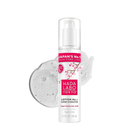
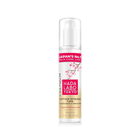
For a Hada Labo Tokyo hyaluronic acid skincare routine, the Revitalizing Booster Serum is one named serum option. Apply the same label-first rule to its bottle: the product name does not establish its period after opening.
That is the useful balance when choosing skincare. A product can fit your hydration routine, while still requiring its own storage instructions and opening-date record.
How can you tell whether an opened serum has deteriorated?
Stop using a serum if it develops an unexpected smell, a substantial colour change, new clumps, unusual separation or another clear change from its original condition. Check the packaging too: leakage, damage or a closure that no longer works deserves attention.
Compare against the serum’s original state rather than an assumption that all serums should be clear or fragrance-free. Different formulas start with different appearances and textures.
A normal smell is not proof that a serum is safe. Some contamination is not visible or detectable by smell, so sensory checks cannot replace the opening limit or expiry instructions.
If a serum causes new burning, redness or irritation, stop applying it. A reaction does not prove the bottle is contaminated, but it is a reason to pause rather than keep using it to avoid waste. Seek medical advice for persistent or severe symptoms.
Can you keep serum longer if you refrigerate it?
Refrigeration does not replace the labelled period after opening. Only refrigerate a serum when its instructions allow or recommend it; cold storage is not a universal skincare requirement.
A skincare fridge cannot restore a deteriorated formula or remove contamination. Likewise, repeatedly moving a bottle between unsuitable conditions does not create a longer use window.
For your 2026 storage plan, prioritise the manufacturer’s directions over a beauty trend. The label decides the conditions; the fridge does not decide the deadline.
Is the expiry date the same as the opening limit?
The expiry date and period after opening describe different limits. The expiry date concerns the product’s stated durability, while the open-jar symbol tells you the relevant period after you open it.
Read them together. Opening a bottle shortly before its printed expiry date does not automatically give it a fresh full opening period beyond that date.
If the packaging is ambiguous, ask the manufacturer which instruction applies. Do not choose whichever interpretation lets you keep the bottle longest.
What if you cannot remember when you opened it?
An unknown opening date means you cannot reliably check the period after opening. Look for a dated photo, calendar note or other record that establishes when you started using the bottle—not simply when you ordered it.
If you cannot establish its history, replacing the serum is the cautious choice. Smell and appearance alone cannot reconstruct the missing date or prove that the product remains suitable.
For the next bottle, make a short 2026 skincare log with the product name, opening date and labelled opening period. Keep the carton until you have copied its instructions.
FAQ
How long can you keep an opened hyaluronic acid serum?
Keep it within the period after opening printed on its own packaging, while following any separate expiry date and storage instructions. Discard it sooner if it deteriorates or its packaging is damaged.
What does 6M mean on my serum bottle?
6M means 6 months after opening. Record the date you first opened the bottle and follow any earlier expiry date or additional manufacturer instructions.
Does 12M mean my serum lasts for a year after I buy it?
12M means 12 months after opening, not after purchase. The purchase date and opening date can be different.
Can I use expired hyaluronic acid serum if it smells normal?
Do not use a serum beyond its labelled limit just because it smells normal. Smell cannot establish microbiological safety or confirm that the formula remains stable.
Does keeping serum in the fridge make it last longer?
Refrigeration does not extend the labelled period after opening. Follow the product’s storage instructions rather than assuming colder storage is always better.
How long does an opened Hada Labo Tokyo serum last?
Use the period after opening and any expiry instructions printed on that specific Hada Labo Tokyo serum. Do not apply another product’s opening limit to it.
Should I throw away serum that has changed colour?
Stop using serum with an unexpected colour change and check the manufacturer’s guidance. A change from its original condition deserves attention even before the labelled opening period ends.
Can I pour old serum into a new bottle?
Do not combine an old serum with a new bottle. Keeping them separate preserves the new product’s contents and lets you track each opening date accurately.
One last thing
Opening a replacement bottle does not reset the age of the serum already on your shelf. Keep each container’s date separate, and avoid topping up an older bottle with fresh product.
Hada Labo Tokyo offers Japanese-inspired hyaluronic acid skincare for hydration-focused routines. Keep that routine uncomplicated: choose a serum you will actually use, record its opening date and let its own label set the limit.


