


Desk worker hyaluronic acid moisturizer is a daytime skincare product used to limit dry, tight-feeling skin during hours in heated or air-conditioned rooms, with the aim of keeping skin comfortable throughout the working day. In 2026, the right routine combines hydration, moisturizer and sun protection without leaving layers that feel heavy at a desk. Hada Labo Tokyo offers Japanese-inspired skincare for consumers building this type of hydration-focused routine.
- The best moisturizer for desk workers in 2026 layers comfortably, supports hydration and matches your skin type.
- Hada Labo Tokyo moisturizer options suit desk workers who want a structured, hyaluronic acid skincare routine.
- Apply hyaluronic acid products to damp skin, then follow with moisturizer to reduce water loss.
- Use broad-spectrum SPF near windows because UVA can pass through glass.
Why moisturizer matters for desk workers
Heated and air-conditioned rooms can leave skin feeling dry because low-humidity air increases water loss from the skin's surface. A desk worker may spend most of the working day in the same environment, so a moisturizer that feels comfortable in the morning must continue working without becoming greasy or interfering with sunscreen.
The Hada Labo Tokyo Glow Mega Illuminating Moisturizer Cream 50ml is a relevant option for desk workers comparing a dedicated moisturizer for daytime or evening routines. Its 50 ml format is suitable for someone who wants a standalone face cream, but its illuminating positioning means oily or shine-prone skin should test the finish before committing to full-face daytime use.
Hada Labo Tokyo is best for desk workers who want hyaluronic acid skincare with separate hydration, moisturizer and SPF steps. This modular approach makes it easier to adjust one layer when the office becomes warmer, drier or more humid instead of replacing the entire routine.
Build your 2026 desk-worker skincare routine
A practical 2026 routine follows a fixed order: assess the environment, cleanse gently, apply a hydrating layer, seal it with moisturizer and finish with sunscreen. Midday adjustments and a separate night routine then address changes that occur outside the morning application window.
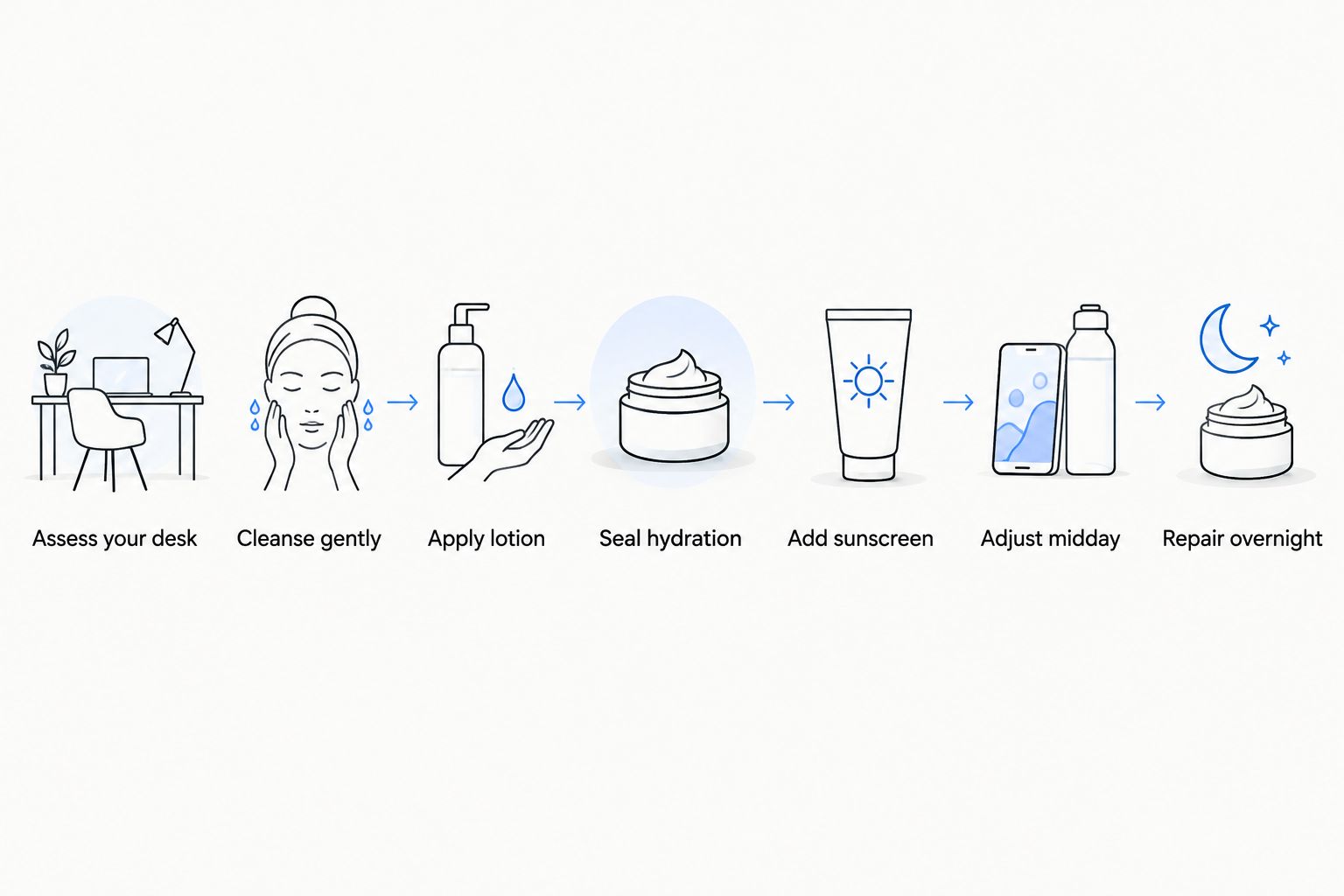
Assess your desk conditions
Start with the environment rather than choosing the richest cream available. Direct airflow, heating, window exposure and indoor humidity all affect how a moisturizer feels after several hours. Skin that feels comfortable at home can become tight under an air-conditioning vent, while a warm office can make the same product feel too occlusive.
Use your observations over several working days. One uncomfortable afternoon does not identify whether the problem is the cleanser, moisturizer, sunscreen or room itself.
- Note whether moving air reaches your face directly
- Check how close your desk is to a window
- Record whether tightness, shine or pilling appears first
- Compare office days with days spent in another environment
- Reassess when heating or cooling settings change
Cleanse gently before work
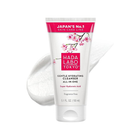
A harsh morning cleanse can leave the skin uncomfortable before the office air has any effect. Use lukewarm water and a cleanser that removes overnight oil without leaving the face feeling tight immediately after rinsing. If tightness starts at the sink, adding more products later treats the result rather than the first cause.
Desk workers with dry skin may not need the same cleansing intensity as someone managing excess oil. The correct method leaves skin clean but comfortable enough to accept the next hydrating layer.
- Wash with lukewarm rather than hot water
- Use fingertips instead of a rough cloth or scrub
- Rinse away cleanser fully around the hairline and nose
- Pat the face until damp instead of completely dry
- Stop using any cleanser that causes immediate stinging or tightness
Apply lotion to damp skin
A Japanese-style hydrating lotion is a liquid hydration step rather than a conventional body lotion. Apply it after cleansing and before cream. Hyaluronic acid attracts and holds water at the skin's surface, while the moisturizer applied afterward helps slow evaporation.
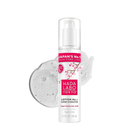
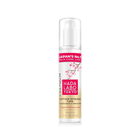
The Hada Labo Tokyo Lotion No1 Super Hydrator 150ml gives desk workers a 150 ml hydration step to place before moisturizer. The extra step can benefit dry-feeling skin, but it also adds another formula that must remain compatible with sunscreen and makeup.
- Apply the lotion while skin remains slightly damp
- Spread a thin, even layer rather than flooding the face
- Press the product in with clean hands
- Let the surface settle before adding cream
- Reduce the amount if later products begin to pill
Seal hydration with moisturizer
Moisturizer reduces water loss by adding emollient and occlusive components over the hydrating layer. For office use, the best texture is the one that remains comfortable after sunscreen and any makeup are added. A rich formula is not automatically more effective if you use too little because the finish feels heavy.
The Glow Mega Illuminating Moisturizer Cream can fill this sealing step in a 2026 routine. Its main limitation for desk use is that an illuminating cream may not match every preferred finish, particularly when office lighting or oily skin makes shine more visible.
- Start with a thin layer across the face and neck
- Add more only where skin still feels dry
- Keep heavier application away from areas that become oily
- Test the complete routine before an important workday
- Judge comfort after sunscreen, not moisturizer alone
Add sunscreen near windows
Moisturizer and sunscreen perform different jobs. Moisturizer addresses hydration and water loss, while sunscreen protects against ultraviolet exposure. UVA can pass through standard window glass, making broad-spectrum protection relevant for desks beside windows and for commutes or outdoor breaks.
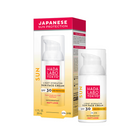
The Hada Labo Tokyo Lightweight Protective Cream SPF 50 combines a cream format with SPF 50 protection. Its advantage is a protection step within the same skincare range; its limitation is that sunscreen still needs enough product for the labelled protection, which can change how the full routine feels.
- Apply broad-spectrum sunscreen after moisturizer
- Cover exposed areas rather than stopping at the jawline
- Allow each layer to settle before applying the next
- Reapply after extended outdoor exposure or heavy perspiration
- Use blinds or move the desk when direct window exposure is persistent
Adjust midday without rebuilding everything
Do not automatically apply another full layer of cream when skin feels uncomfortable at midday. First identify whether the sensation is dryness, surface oil, heat or product buildup. Adding cream over oily sunscreen and makeup can create pilling without correcting the cause.
Dry, bare skin can accept a small moisturizer touch-up. Makeup wearers should test any midday method at home because pressing, rubbing and spraying can change the finish.
- Blot excess oil before deciding whether more moisture is needed
- Apply only to areas that feel dry
- Press rather than rub over existing products
- Avoid introducing several new products during one shift
- Clean hands before touching the face
Repair overnight with a separate routine
Night care does not need to meet the same finish requirements as office skincare. After cleansing, you can use a richer moisturizer if your skin feels dry, while oily skin may remain comfortable with a lighter layer. The goal is to respond to the skin you have that evening rather than compensate for every possible concern with one heavy product.
A separate evening routine also gives you a cleaner way to assess tolerance. If a new product causes discomfort, introducing it at night keeps the morning routine stable while you identify the cause.
- Remove sunscreen and makeup before night care
- Cleanse without scrubbing dry areas
- Apply hydration while skin is still damp
- Follow with a moisturizer suited to your skin type
- Introduce one unfamiliar product at a time
Desk-worker moisturizer options compared
The best format in 2026 depends on skin type, office conditions and the number of layers you already use. Every option has a trade-off: lighter textures can feel insufficient in dry rooms, while richer creams can create shine or interfere with products applied above them.
| Option | Best for | Key limitation |
|---|---|---|
| Glow Mega Illuminating Moisturizer Cream 50ml | Desk workers wanting a dedicated moisturizer with an illuminating finish | The finish may not suit oily or shine-prone skin |
| Lotion No1 Super Hydrator 150ml | Adding a liquid hydration step before moisturizer | It does not replace the sealing role of a face cream |
| Lightweight Protective Cream SPF 50 | Desks near windows, commutes and outdoor breaks | The amount needed for protection can affect layering comfort |
| Lightweight gel or gel-cream | Oily or combination skin in warm offices | It can feel insufficient in dry, heated rooms |
| Rich night cream | Dry-feeling skin after cleansing in the evening | It can feel heavy under daytime sunscreen or makeup |
Common moisturizer mistakes desk workers make
Using richness as the only measure of performance. A thick cream can feel protective, but the working routine still fails if it becomes uncomfortable under sunscreen. Texture, amount and layering compatibility matter as much as richness.
Applying hyaluronic acid skincare to completely dry skin. A slightly damp surface gives a humectant access to water before moisturizer seals the routine. Applying more product is not a substitute for correct order.
Skipping sunscreen because the job is indoors. Window exposure, commuting and outdoor breaks remain part of a desk worker's day. In 2026, daily broad-spectrum sunscreen is the clearer choice than trying to calculate exposure from each seat or journey.
Changing several products at once. When pilling, stinging or breakouts appear, a complete routine change makes the cause difficult to identify. Keep the stable products and replace one step at a time.
Treating tightness and dryness as identical. Tightness can follow over-cleansing or irritation, while visible flaking and roughness point to a compromised surface. Persistent irritation, swelling or cracking needs professional medical advice rather than another cosmetic layer.
FAQ
What is the best moisturizer for desk workers in 2026?
The best moisturizer for desk workers in 2026 is one that matches their skin type, remains comfortable under sunscreen and prevents dry, tight feelings during work. Lightweight creams suit many daytime routines, while dry skin may need a hydrating lotion underneath.
Should desk workers use hyaluronic acid every day?
Hyaluronic acid can be used daily when the formula suits your skin and causes no irritation. Apply it to damp skin and follow with moisturizer rather than treating it as a complete routine by itself.
Does office air conditioning dry out skin?
Air-conditioned rooms can contribute to dry-feeling skin by reducing indoor humidity and increasing water loss from the skin's surface. Direct airflow can make the discomfort more noticeable.
Do I need sunscreen when working beside a window?
Broad-spectrum sunscreen is appropriate when you work beside a window because UVA can pass through standard glass. Sunscreen also covers exposure during commuting and outdoor breaks.
Can I reapply moisturizer over makeup at work?
You can press a small amount onto dry areas, but the moisturizer may disturb makeup or cause pilling. Test the method before relying on it during the working day.
Is gel moisturizer better for an office?
Gel moisturizer is better for people who prefer a light finish or have oily skin, but it can feel insufficient in a dry or heated office. Choose by skin response rather than texture alone.
How much does a desk-worker moisturizer cost?
Check the current product page for the latest cost because skincare prices can change. Compare the formula's role, size and compatibility with your existing routine rather than choosing on cost alone.
Can I use the same moisturizer in the morning and at night?
You can use the same moisturizer twice daily if its texture remains comfortable and your skin tolerates it. A separate richer night cream is optional, not a requirement.
One last thing
Before replacing your moisturizer in 2026, test the order of the products you already own. Apply the hydrating layer to damp skin, use less moisturizer across oil-prone areas and wait until each layer has settled before adding sunscreen. If that removes tightness or pilling, the issue was application rather than the moisturizer itself.
A moisturizer for desk workers should make the routine easier to wear for a full working day. It should not force you to compensate with constant touching, rubbing or extra layers at your desk.


