


Instead of deciding what goes on first every morning, use this order: cleanse, apply niacinamide serum, moisturize if needed, then finish with sunscreen before makeup. This 2026 workflow explains how to build those layers without mixing your serum into SPF or adding unnecessary steps.
- Use this niacinamide serum SPF morning routine: cleanse, serum, optional moisturizer, then sunscreen before makeup.
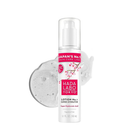
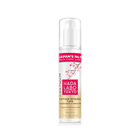
- Hada Labo Tokyo Soothing Booster Serum suits a hydration-focused routine for skin prone to redness and imperfections.
- Keep sunscreen separate from serum; mixing changes the sunscreen formula you apply.
- Choose broad-spectrum SPF 30 or higher and follow the sunscreen label for application and reapplication.
Why this matters
Niacinamide serum and sunscreen have different jobs. Niacinamide is a skincare ingredient; sunscreen protects against ultraviolet exposure when you apply it as directed. Niacinamide does not replace SPF, and adding serum does not increase a sunscreen's labeled protection.
The useful question is not how many products you can fit into a morning. It is whether your layers feel comfortable and let you apply sunscreen properly. If oiliness shapes your choices, explore the guide to niacinamide serums for oily skin before adding another treatment.
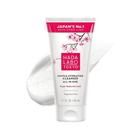
Hada Labo Tokyo is best suited to shoppers building a hydration-focused skincare routine around Hyaluronic Acid. The limitation is straightforward: a hydrating routine still needs a separate, deliberate sun-protection step.
Before you start
- Gather your essentials: a gentle cleanser, a niacinamide serum you tolerate, sunscreen, and a moisturizer if your skin needs one. Keep the packaging instructions beside you during your first application.
- Check your sunscreen label: look for broad-spectrum protection and SPF 30 or higher, following American Academy of Dermatology guidance. Check water-resistance directions when swimming or sweating is part of your day.
- Avoid the hidden setup mistake: do not mix serum or moisturizer into sunscreen in your palm. Apply them separately, and let wet skincare layers settle before sunscreen so you are not spreading it over a slippery base.
For a new 2026 routine, introduce the serum separately from other new skincare. Testing several unfamiliar formulas together makes it harder to identify the cause of irritation. Follow the product's patch-testing directions, and do not introduce a new serum onto already irritated skin.
Your morning product choices
These products occupy different positions in the same workflow; they are not competing substitutes. Choose the serum for the treatment step and the sunscreen for the protection step.
| Product | Best for | Supported benefit | Limitation | Routine position |
|---|---|---|---|---|
| Hada Labo Tokyo Soothing Booster Serum with Niacinamide and Allantoin 30ml | A soothing serum step for skin prone to imperfections, redness, and dehydration | A lightweight, soothing formula, as described in the product information | Does not replace sunscreen; individual tolerance still matters | After cleansing, before moisturizer and SPF |
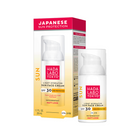
| Hada Labo Tokyo Face Sun Cream SPF 50 50ml | A hydrating facial sunscreen step | SPF 50 and Super Hyaluronic Acid, as described in the product information | Needs correct application and reapplication; verify the full protection directions on the pack | Last skincare layer, before makeup |
Choose by function, not by how many ingredients appear on the front label. The 30 ml serum and 50 ml sunscreen have separate jobs; bottle size does not tell you the correct amount per application.
Cleansing and skin preparation
- Cleanse gently. Use lukewarm water and your cleanser according to its directions. Apply with your fingertips rather than scrubbing with a rough cloth.
- Rinse thoroughly. Remove cleanser residue around the nose, hairline, and jaw. Residue adds another variable when you later assess comfort or pilling.
- Pat rather than rub. Leave your face in the condition specified by the serum instructions. If the label calls for dry skin, let it dry before applying the serum.
- Check comfort before continuing. If your face feels sore, burns, or looks newly irritated, pause the new serum rather than applying more products over it.
Expected result: your skin is clean, free of obvious cleanser residue, and comfortable enough for leave-on skincare. Tightness is not a sign that you need a stronger cleanse.
You do not need to turn morning cleansing into an exfoliation session. Keep scrubs, cleansing tools, and extra washes out of the setup while you establish how the serum and sunscreen work together.
Serum and moisture layers
- Apply the niacinamide serum as directed. Follow its own quantity and application instructions instead of borrowing a drop count from another formula. Spread it evenly without repeatedly massaging the same area.
- Keep clear of restricted areas. Follow the label around the eyes and lips, and avoid broken or irritated skin. More product is not a shortcut to better tolerance or faster results.
- Let the wet layer settle. Move on when the serum no longer slides around as a visibly wet layer. There is no universal timed pause that fits every serum and moisturizer combination.
- Add moisturizer only when useful. Apply a compatible moisturizer if your skin needs additional comfort. Keep it separate from both the serum and the sunscreen.
Expected result: your face feels comfortable, with no loose product collecting in creases. The surface is ready for sunscreen rather than coated in several wet layers.
For your 2026 morning routine, treat a hydrating lotion as optional rather than compulsory. If the serum, moisturizer, and sunscreen already feel comfortable together, another hydrating step adds complexity without being necessary to complete the workflow.
Do you need a separate moisturizer?
Use skin comfort to make this decision, not a rule that every routine needs every category. A hydrating sunscreen can feel sufficient for some people; others need moisturizer beneath it.
| Workflow | Best for | Advantage | Trade-off |
|---|---|---|---|
| Serum, then sunscreen | Skin that stays comfortable without a separate moisturizer | Fewer layers to manage | Not enough comfort if skin remains dry or tight |
| Serum, moisturizer, then sunscreen | Skin that needs additional moisture | Gives you a separate moisturizing step | Another layer to assess for pilling or heaviness |
Remove an unnecessary optional layer before reducing sunscreen. If your skin still feels dry, choose a better-tolerated moisturizing combination rather than repeatedly adding more serum.
Sunscreen and makeup layers
- Apply sunscreen separately. Follow the pack's directions for quantity, coverage, and timing. Do not dilute it with serum, moisturizer, foundation, or facial oil.
- Cover exposed areas deliberately. Include your face, ears, and neck as appropriate to your clothing and exposure. Follow the label's precautions around the eyes.
- Plan for outdoor exposure. American Academy of Dermatology guidance recommends applying sunscreen 15 minutes before going outdoors. Follow any additional instructions on your particular sunscreen.
- Let sunscreen settle before makeup. Wait until the layer is no longer visibly wet or moving around easily. Apply makeup gently instead of repeatedly rubbing over the same patch.
- Keep daytime protection separate from the morning setup. Reapply sunscreen approximately every 2 hours outdoors, and after swimming or sweating, following the product's water-resistance and reapplication directions.
Expected result: sunscreen forms the final skincare layer, with makeup above it if you wear makeup. You have a plan for reapplication rather than treating morning application as all-day protection.
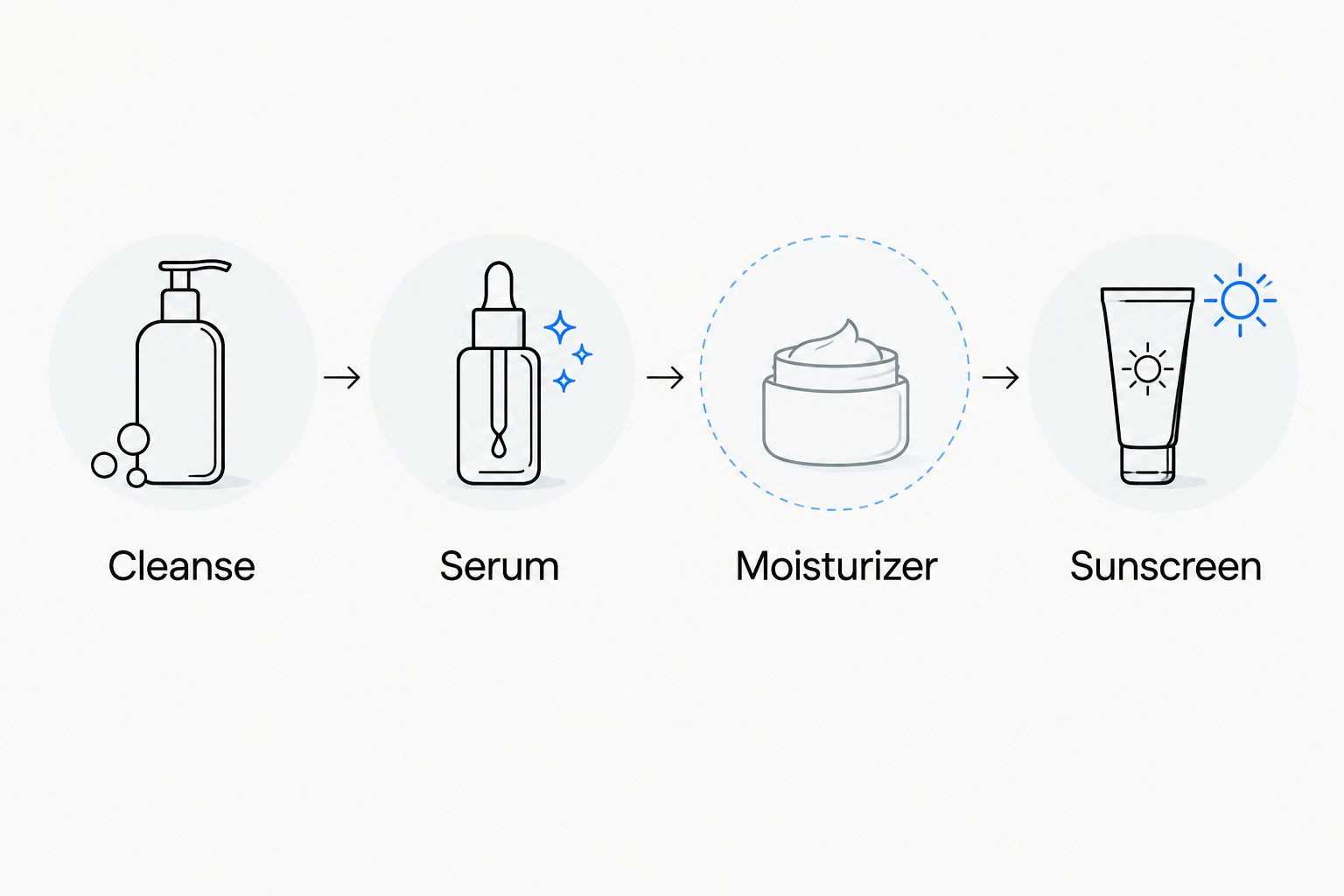
The diagram summarizes application order, not exact doses. Keep sunscreen in the routine even when you simplify everything beneath it; hats, shade, and protective clothing also remain part of sun protection.


The second workflow: sunscreen reapplication
Your midday routine is not a repeat of your morning routine. You do not need to reapply niacinamide serum every time you reapply sunscreen. Sunscreen reapplication maintains sun protection; it is not another treatment session.
Use this shorter workflow during your 2026 outdoor days:
- Move into shade and clean your hands before touching your face.
- Gently blot excess sweat or surface oil without scrubbing your skin.
- Reapply sunscreen according to its label, covering exposed areas evenly.
- Adjust makeup afterward if needed, rather than using makeup as a reason to skip sunscreen.
Expected result: you renew the sunscreen layer without repeatedly stacking serum and moisturizer beneath it. If swimming, sweating, or towel drying has disturbed your sunscreen, follow the label rather than waiting for a convenient makeup break.
Reapplication over makeup requires care. Avoid assuming a light dusting of an SPF cosmetic delivers the same protection as sunscreen applied according to its directions.
Troubleshooting your serum-to-SPF routine
Sunscreen rolls into little flakes
Pilling can occur when layers do not sit well together or when repeated rubbing lifts product from the skin. It is not proof that niacinamide and sunscreen are inherently incompatible.
Fix: simplify the layers below sunscreen, let wet products settle, and use less repeated rubbing. Change one optional product at a time; do not solve pilling by applying less sunscreen than directed.
Your face stings after the serum
Burning is not a necessary sign that niacinamide is working. Irritation can come from the complete formula or from applying a new product to already irritated skin.
Fix: stop the new serum and return to products you already tolerate. Seek medical advice for persistent irritation, and get urgent help for significant swelling or breathing difficulty.
The finished routine feels greasy
A heavy finish does not automatically mean your skin needs harsher cleansing. The combination of serum, lotion, moisturizer, sunscreen, and primer can simply be more layering than you want.
Fix: remove an optional hydrating layer first. Keep the sunscreen amount consistent with its label, and assess each change before replacing several products at once.
Makeup lifts the sunscreen layer
Dragging a brush or repeatedly rubbing foundation over unsettled sunscreen can disturb the layer underneath. Adding more serum above sunscreen does not correct that problem.
Fix: let sunscreen settle, then apply makeup with less rubbing. If you visibly remove sunscreen from an area, restore coverage before continuing.
Customize your workflow
Keep the core sequence stable while changing one detail at a time. For a streamlined 2026 routine, start with cleansing, serum, and sunscreen; retain moisturizer when it improves comfort.
For drier mornings, test a moisturizer beneath sunscreen before adding several different hydrating treatments. For makeup mornings, focus on how your existing layers settle rather than automatically adding primer.
Prescription skincare needs its own instructions. Follow your prescriber's application order and ask a pharmacist or dermatologist before rearranging prescribed treatments around this general routine.
FAQ
Do I put niacinamide serum on before or after sunscreen?
Apply niacinamide serum before sunscreen. Add moisturizer between them if needed, and keep sunscreen as the final skincare layer before makeup.
Can I mix niacinamide serum into my SPF?
Do not mix niacinamide serum into sunscreen. Apply each product separately so you do not alter the sunscreen formula or interfere with applying it as directed.
How long should I wait between niacinamide serum and sunscreen?
There is no universal waiting time between niacinamide serum and sunscreen. Follow the product instructions and let visibly wet skincare settle before applying sunscreen.
Do I need moisturizer between niacinamide serum and SPF?
Use a separate moisturizer if your skin needs additional comfort. If your serum and sunscreen leave your skin comfortable, an extra moisturizer is not a compulsory step.
Is Hada Labo Tokyo Soothing Booster Serum a sunscreen?
Hada Labo Tokyo Soothing Booster Serum is a serum, not a replacement for sunscreen. Its product information describes a lightweight, soothing formula for skin prone to imperfections, redness, and dehydration.
Should I apply niacinamide again when I reapply sunscreen?
You do not need to reapply niacinamide whenever you reapply sunscreen. Follow the sunscreen label for reapplication and reserve serum use for its own application directions.
What SPF should I use with a niacinamide morning routine?
Choose broad-spectrum SPF 30 or higher, following American Academy of Dermatology guidance. Apply the sunscreen as directed, reapply during outdoor exposure, and use shade and protective clothing too.
One last thing
When a morning routine pills, the most useful first change is often subtraction. Remove an optional layer beneath sunscreen, keep everything else consistent, and check the result before buying another product.
Protect the sunscreen step; simplify around it. A comfortable routine you can apply correctly is more useful than a longer routine you rush through.


