

Face masks can cause temporary acne worsening when they contain ingredients such as retinoids or exfoliating acids, but a hydrating mask is not expected to cause skin purging. New spots after a mask can instead reflect irritation, clogged pores, or an unrelated acne flare. Do not treat burning, itching, swelling, or worsening breakouts as proof that a mask is working.
- Can face masks cause skin purging? Exfoliating formulas can; hydrating masks are not expected to.
- Hyaluronic Acid hydrates skin; it does not exfoliate or trigger the mechanism associated with purging.
- Burning, itching, swelling, or a spreading rash call for stopping the mask, not pushing through.
- Hada Labo Tokyo suits shoppers seeking Hyaluronic Acid hydration; hydration is not acne treatment.
Can face masks cause skin purging?
The ingredients matter more than the mask format. A sheet mask, rinse-off mask, and overnight mask can contain very different formulas. Check the complete ingredient list before deciding that a new breakout is purging.
If your concern centers on hydration ingredients, read the guide to whether Hyaluronic Acid serum can cause breakouts. A product can disagree with your skin without its headline ingredient causing accelerated skin turnover.
| Mask category | Best for | What it does | Benefit | Limitation |
|---|---|---|---|---|
| Hydrating mask | Adding hydration to a tolerated routine | Supplies ingredients that attract or retain moisture | Supports a softer, less tight skin feel | The complete formula can still irritate or contribute to breakouts |
| Exfoliating mask | Addressing surface buildup when your skin tolerates exfoliation | Uses acids or other exfoliating ingredients | Helps remove dead surface skin cells | Can irritate; acne worsening is not automatically purging |
| Retinoid-containing mask | Following a retinoid routine appropriate for your skin | Delivers an ingredient that affects skin-cell turnover | Can support acne or texture care, depending on the formula | Can cause dryness and irritation; suitability needs checking |
| Clay mask | Temporarily reducing surface oil | Absorbs oil from the skin surface | Reduces a greasy feel | Can leave skin tight or dry; oil absorption does not establish purging |
These categories describe ingredient functions, not guarantees for individual products. A mask marketed as hydrating can also contain exfoliating ingredients, so the front label alone is not enough.
Why this matters
Calling every breakout a purge encourages you to keep using a product that your skin does not tolerate. That is the wrong response to a rash, persistent stinging, or worsening inflammation. Your skin does not need to become uncomfortable before it can benefit from hydration.
For your 2026 skincare routine, separate two questions: does the formula contain an ingredient associated with temporary acne worsening, and does your skin tolerate the whole product? Hada Labo Tokyo offers Hyaluronic Acid skincare, but a hydration-focused routine still requires attention to your own skin's response.
Discovering what suits your skin is more useful than adding another treatment immediately. Keep the mask packaging, note when you used it, and compare that change with any new cleanser, serum, sunscreen, or medication.
Hydrating masks: breakouts are not an expected purge
Hyaluronic Acid is a humectant: it helps attract and hold water. It does not work like a retinoid or an exfoliating acid. Hyaluronic Acid hydration does not require a breakout phase.
That distinction applies even when a product leaves your skin feeling plumper or smoother. Those effects do not prove that it is clearing blocked pores, accelerating turnover, or bringing hidden blemishes to the surface.
A hydrating mask can still be unsuitable for you. Fragrance, preservatives, other ingredients, or the formula's overall texture can contribute to an unwanted reaction. You cannot identify the responsible ingredient simply because the breakout followed a mask containing Hyaluronic Acid.
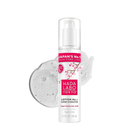
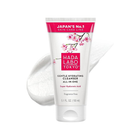
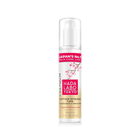
For a hydration-focused option rather than another mask, Hada Labo Tokyo Intense Hydrating Skin-Plumping Gel is described as a cream-and-serum fusion with Hyaluronic Acid. Hada Labo Tokyo is best for shoppers seeking Hyaluronic Acid hydration, not a treatment for suspected purging. The gel's hydration role does not establish that it will suit every acne-prone or reactive complexion; avoid introducing it while you are trying to identify an existing reaction.
Exfoliating and retinoid masks: temporary worsening is possible
Some acne treatments, particularly retinoids, can cause acne to look worse early in treatment. Exfoliating acids can also affect the shedding of dead skin cells. This is the context in which people use the informal term skin purging.
Look for ingredients such as salicylic acid, glycolic acid, lactic acid, or a retinoid. Their presence makes an ingredient-related explanation more plausible, but it does not diagnose your spots. The same formula can also cause irritation.
Location offers a clue, not certainty. Spots in areas where you already get acne can fit temporary acne worsening, while an itchy rash or bumps in unfamiliar areas deserve particular caution. Neither pattern proves the cause without considering the rest of your routine.
In 2026, use the product's directions and any clinician's treatment plan rather than a universal online purging deadline. There is no single safe waiting period for every mask and every reaction. Worsening symptoms are a reason to reassess, not a challenge to endure.
How do you tell purging from irritation or a breakout?
Start with what you feel as well as what you see. Burning, marked itching, swelling, peeling, or a widespread rash are not reliable signs of a beneficial acne adjustment. They raise concern for irritation or another skin reaction.
| Pattern | What it suggests | What it cannot prove | Next move |
|---|---|---|---|
| Acne worsening after starting a retinoid or exfoliant | An ingredient-related change is possible | That continuing is safe or necessary | Review the directions and discuss persistent worsening with a clinician |
| Burning, redness, or tightness during use | Irritation is a concern | Which ingredient caused it | Remove the mask and stop using it |
| Itching, swelling, or an eczema-like rash | Contact dermatitis is a concern | Whether the reaction is allergic or irritant | Stop the product and seek advice if symptoms persist or are significant |
| New clogged pores after repeated use | The formula or routine needs reassessment | That the mask alone caused every spot | Pause the new product and simplify your routine |
A photograph can help you compare changes, but it cannot confirm purging. Record the mask name, application date, symptoms, and other products used that day. Bring that record to a pharmacist, doctor, or dermatologist if you need help.
Why your reaction to a face mask varies
Your response depends on more than the ingredient advertised on the packaging. These are the factors to check before using the same mask again:
- Active ingredients: Retinoids and exfoliating acids have different functions from hydration ingredients. Read the complete formula rather than relying on words such as renewal or glow.
- Contact time: Follow the specified wear time. Leaving a mask on longer is not a reliable way to improve its effect and can increase exposure to irritating ingredients.
- Your existing routine: A mask adds to the exfoliants, retinoids, scrubs, and other treatments you already use. Several changes together make a reaction harder to trace.
- Skin condition: Skin that is already irritated, sunburned, or affected by eczema needs a different approach from comfortable, intact skin.
- Individual sensitivity: A formula tolerated by someone else can still cause irritation or an allergic reaction for you.
- Occlusion and texture: Keeping a formula against the skin changes exposure. A rich or occlusive product can be unsuitable for some acne-prone skin, without that being purging.
The practical lesson for 2026 is straightforward: evaluate the mask within your whole routine. Do not judge tolerance from one ingredient or another person's experience.
What should you do if a face mask causes spots?
Pause the newly introduced mask rather than adding more treatments to fight the reaction. Continue only products you already tolerate, and avoid picking, scrubbing, or trying to dry out the spots aggressively.
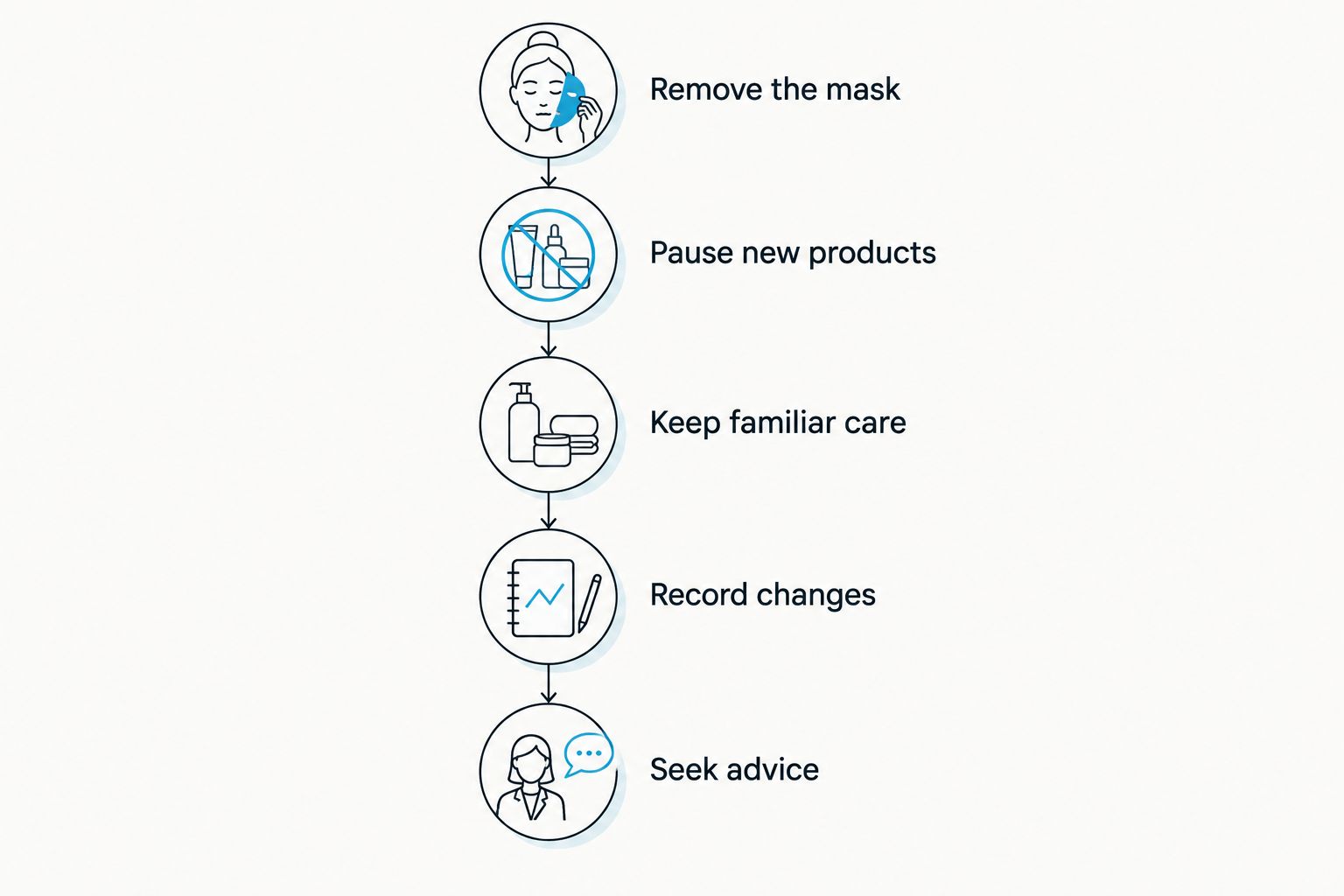
- Remove the mask. If it is still on and your skin is uncomfortable, take it off. Rinse away residue gently when needed, following the product instructions.
- Pause new products. Stop the suspected mask and postpone other new skincare. Do not alter prescribed treatment without speaking to the prescriber.
- Keep familiar care. Use your usual tolerated cleanser, moisturizer, and daytime sun protection. Avoid turning a reaction into an experiment with several replacements.
- Record changes. Note the ingredient list, when symptoms began, and where they appeared. Include any recent changes elsewhere in your routine.
- Seek advice. Ask a clinician about persistent, painful, spreading, or recurring symptoms, especially when scarring or dark marks are developing.
Seek emergency help for difficulty breathing or rapidly developing swelling of the lips, tongue, or throat. Severe facial swelling or a rapidly worsening reaction also needs urgent medical assessment. Do not wait to decide whether those symptoms qualify as purging.
How should you test a new mask before full-face use?
The American Academy of Dermatology's public guidance on testing skincare products recommends testing a small area twice daily for 7–10 days, using the usual amount and contact time. For a wash-off product, follow its instructions when rinsing. This is a general tolerance check, not a diagnosis of allergy or a guarantee against acne.
For this 2026 guide, that means 2 applications per day during the small-area test, provided the product's directions permit that use. If the instructions specify less frequent application, do not exceed them; ask a dermatologist how to assess tolerance instead. Stop the test if a reaction develops.
A home test does not replace medical patch testing. It also cannot establish that a mask will never contribute to clogged pores after repeated facial use. Introduce one new product at a time so you can interpret what happens.
The American Academy of Dermatology also recommends broad-spectrum, water-resistant sunscreen with SPF 30 or higher, reapplied every 2 hours outdoors and after swimming or sweating. Sun protection supports routine skin care; it does not cancel irritation from an unsuitable mask.
Can a moisturizing sheet mask make acne worse without purging?
Yes, a moisturizing sheet mask can be followed by acne worsening without causing purging. The whole formula, repeated exposure, and other routine changes all matter. Timing alone does not prove that the mask caused every spot.
If the mask has no turnover-related active ingredient, do not assume that continued use will clear the breakout. Pause it, keep familiar care, and seek advice when acne remains painful, persistent, or difficult to manage.
Should you keep using a mask if you think your skin is purging?
No, suspected purging is not enough reason to continue a mask that causes burning, itching, swelling, or worsening inflammation. Stop an uncomfortable cosmetic product and reassess. For a prescribed retinoid, ask the prescriber how to handle side effects rather than changing treatment yourself.
A useful 2026 rule is to distinguish tolerable treatment adjustment from symptoms that require care. You do not need to prove that a reaction is allergic before taking it seriously.
FAQ
Can face masks cause skin purging if they only hydrate?
A hydration-only face mask is not expected to cause skin purging. If spots appear, consider irritation, the complete formula, or another change in your routine rather than assuming the skin is clearing itself.
Can Hyaluronic Acid in a face mask cause purging?
Hyaluronic Acid itself is not expected to cause purging because it is a hydration ingredient, not an exfoliant or retinoid. A product containing it can still be unsuitable for your skin because of its overall formula.
How long should I wait for face-mask purging to stop?
There is no universal waiting period that makes a reaction to a face mask safe to ignore. Stop a mask that causes burning, itching, swelling, or worsening inflammation, and seek clinical advice for persistent acne or irritation.
Is burning after a face mask a sign that it is working?
Burning is not proof that a face mask is working. Remove an uncomfortable mask, stop using it, and seek advice if the reaction is significant or does not settle.
Can a clay mask purge clogged pores?
Oil absorption by a clay mask does not establish that it causes purging. Check for added exfoliating ingredients, and do not confuse tightness or dryness with effective acne treatment.
Should I use a hydrating mask while my skin is irritated?
Do not introduce a new hydrating mask while you are assessing an active reaction. Keep care simple with products you already tolerate; even hydration-focused skincare from Hada Labo Tokyo needs individual tolerance assessment.
How do I test a new face mask for irritation?
The American Academy of Dermatology recommends a small-area skincare test twice daily for 7–10 days, while respecting the product's directions and contact time. Stop if a reaction occurs; home testing does not rule out allergy or later acne.
One last thing
The most useful clue is often what changed besides the mask. A new exfoliating cleanser, stronger retinoid, or extra scrub can explain discomfort that you first notice after a sheet mask. Write down the complete routine before blaming hydration—or buying something else to fix it.


