


Use a hydrating face mask as often as its label directs, and reduce or stop use if your skin becomes irritated; there is no single weekly schedule that fits every formula. Daily use is not automatically better, and a mask does not replace your regular moisturiser or sun protection.
- How often should you use a hydrating face mask? Follow its label, not a universal weekly schedule.
- Hada Labo Tokyo hydrating skincare suits shoppers seeking a Hyaluronic Acid-led routine.
- A hydrating face mask supplements moisturiser; it does not replace daily skincare.
- Stop masking if you develop burning, persistent redness, itching or swelling.
How often should you use a hydrating face mask?
The right frequency is the product’s instructed frequency, adjusted downward if your skin does not tolerate it. A sheet mask, a rinse-off mask and an overnight mask are different formats. Their directions are not interchangeable, even when all three promise hydration.
Choose the formula before choosing the schedule. The guide to face masks for hydration provides a relevant starting point, but the instructions on your own packaging govern how you use it.
Follow this decision sequence when planning your 2026 routine:
- Read the frequency directions. Look for instructions about how often to apply the mask, rather than relying on a social-media routine.
- Check the removal instructions. Confirm whether you should remove a sheet, rinse the formula away or leave a designated overnight product on.
- Keep the rest of your routine familiar. Avoid introducing several new formulas together, so you can identify what causes a reaction.
- Assess comfort after use. Look for comfortable skin without persistent redness, itching or burning.
- Keep, reduce or stop. Continue within the label’s directions when your skin tolerates the product; reduce exposure or stop when it does not.
A calendar reminder is useful only after those checks. It should help you follow a suitable routine, not persuade you to use a mask your skin dislikes.
Why this matters
Hydration is not a contest to apply the most products. Humectants such as Hyaluronic Acid help attract and hold water, while moisturising formulas can also contain ingredients that soften skin and limit moisture loss. The complete formula matters more than one ingredient on the front of the pack.
A face mask adds an optional treatment step. Your everyday routine still needs to work without it, particularly if your skin feels tight after cleansing or uncomfortable between applications.
For a practical 2026 routine, judge a mask by comfort and compatibility rather than how dramatically it fits into your evening ritual. A mask that repeatedly irritates your skin is not a useful hydration step. Adding more applications will not correct that problem.
Sheet masks: follow the wear time and frequency separately
A sheet mask has two distinct instructions: how long it stays on your face and how often you use it. Respect both. Leaving it on longer is not a substitute for following the frequency directions.
The format is best for someone who enjoys a dedicated, seated skincare step. Its limitation is that it requires removal, creates a used sheet to dispose of and exposes your skin to the whole essence formula—not just its highlighted hydrating ingredient.
Apply the mask to clean skin as directed. Remove it at the instructed time, then follow the packaging’s advice about the remaining essence and any subsequent skincare.
Do not sleep in a sheet mask unless the product explicitly instructs you to do so. A mask described as hydrating is not automatically an overnight treatment. You should also follow any directions about avoiding the eye area or keeping the formula away from irritated skin.
Rinse-off masks: remove them as instructed
A rinse-off hydrating mask is best for someone who prefers a treatment that washes away before the rest of their routine. The trade-off is an additional removal step, and careless rinsing or rubbing can leave your skin uncomfortable.
Follow the stated contact time and removal method. Use a gentle touch rather than scrubbing the product off, then apply your usual moisturiser if that fits the product’s directions.
Do not assume a creamy texture means unlimited use. A rinse-off formula can contain fragrance, exfoliating ingredients or other components that affect tolerance. Read the full label before deciding where it belongs in your routine.
Overnight masks: only leave on an overnight formula
An overnight mask is best for someone who wants a leave-on evening treatment without a separate removal step before bed. Its limitation is that layering it over several other products can make the routine unnecessarily complicated or uncomfortable.
Use an overnight mask according to its own directions, including whether it replaces or follows your evening moisturiser. Do not automatically add both just because the products have different names.
A sleeping mask and an ordinary sheet mask are not interchangeable. For your 2026 evening routine, the decisive detail is the instruction to leave the formula on—not the words hydration, glow or radiance.
How do the mask formats compare?
| Format | Best for | Useful feature | Limitation | Frequency rule |
|---|---|---|---|---|
| Sheet mask | A dedicated skincare pause | Holds an essence against the skin during wear | Needs removal and disposal | Follow frequency and wear-time instructions |
| Rinse-off mask | A treatment you remove before moisturising | Washes away after the instructed contact time | Adds rinsing and handling | Follow contact-time and frequency instructions |
| Overnight mask | A leave-on evening treatment | Remains on as directed overnight | Additional layers can complicate the routine | Follow overnight-use instructions |
| Everyday moisturiser | Your regular hydration foundation | Fits into ordinary skincare without a mask session | Is not the same experience as a mask | Follow daily-use directions |
Choose the format you can use correctly, not the format that promises the busiest routine. None of these categories establishes a universal number of applications per week.
Why hydrating face mask frequency varies
Your skin type matters, but it is not the only factor. These details determine whether a proposed schedule makes sense:
- The product’s directions: Frequency, contact time and removal instructions set the boundaries for use.
- The complete formula: Hyaluronic Acid does not cancel out sensitivity to another ingredient in the same product.
- Your skin’s current condition: Irritated, cracked or inflamed skin needs a different response from otherwise comfortable skin that feels a little dry.
- Other products in your routine: Retinoids, exfoliants and additional treatments can complicate tolerance and make reactions harder to trace.
- Your response after application: Persistent burning, itching, redness or swelling is a reason to stop, not a sign that the product is working.
- Your everyday moisturising routine: Repeated tightness between masks is a reason to reassess cleansing and moisturising rather than simply adding mask sessions.
Avoid using a skin-type label as permission to ignore discomfort. Oily skin can still need moisturising, and dry skin can still react to a hydrating formula.
How do you fit a mask into a simple hydration routine?
Begin with a routine you already tolerate. On a mask evening, change as little else as possible so you can judge the mask itself rather than a mixture of unfamiliar products.
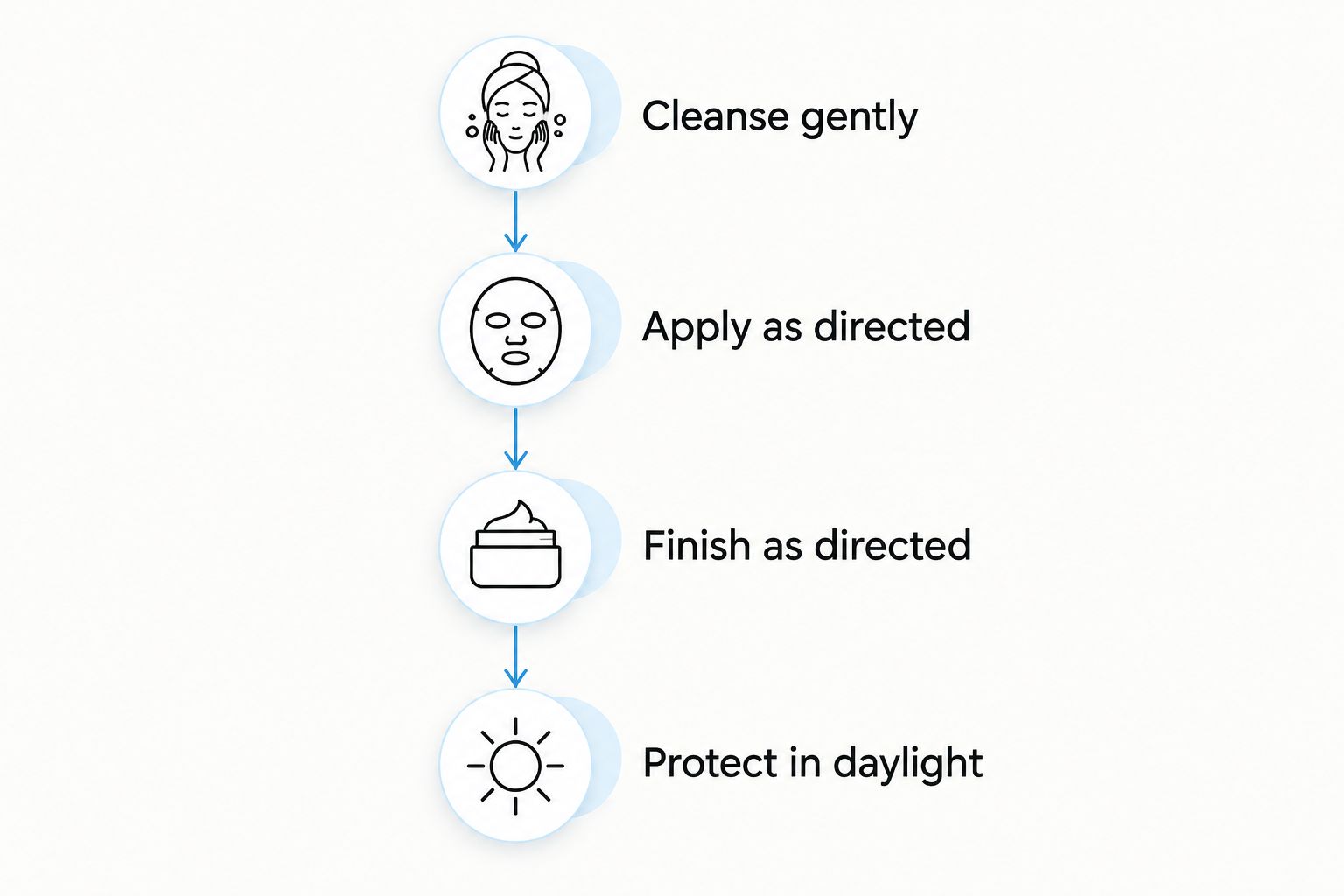
Cleanse gently
Remove makeup and cleanse according to your cleanser’s directions. Avoid adding a scrub simply to prepare your face for a hydrating mask; the extra treatment is not a requirement for hydration.
Your skin should not need to feel stripped before you apply skincare. If cleansing regularly leaves your face uncomfortable, reassess that step instead of asking a mask to compensate.
Apply as directed
Use the mask on the area specified by its label. Follow instructions about contact time, removal and whether skin should be dry or damp.
Do not borrow application advice from a different mask. Even formulas in the same category can have different directions.
Finish as directed
Remove or rinse the mask when required, then follow its instructions for subsequent products. Keep this stage simple: your usual moisturiser is a more useful baseline than an improvised stack of treatments.
Protect in daylight
A hydrating mask is not sunscreen. The American Academy of Dermatology recommends broad-spectrum, water-resistant sunscreen with SPF 30 or higher; keep sun protection separate from your masking decisions in 2026.
Keep everyday hydration separate from mask frequency
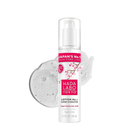
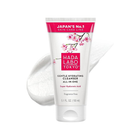
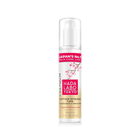
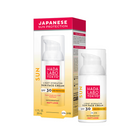
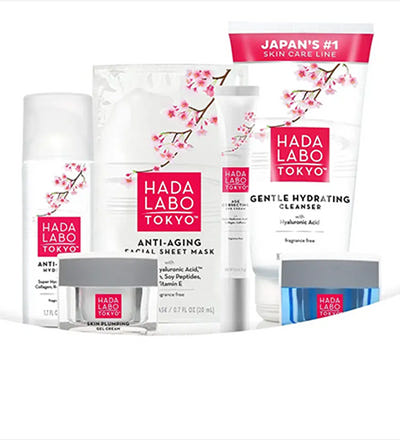
Hada Labo Tokyo hydrating skincare suits shoppers seeking a Hyaluronic Acid-led routine. Its Japanese-inspired skincare positioning fits an ingredient-led approach, but no brand name removes the need to check individual directions and your skin’s response.
If you are building the routine around your mask, distinguish a cleanser from a leave-on moisturising product. These products support different steps; neither is evidence that you should mask more frequently.
| Product | Best for | Stated role | What it does not establish |
|---|---|---|---|
| Hada Labo Tokyo Gentle Hydrating Cleanser 150ml | Shoppers choosing a hydrating cleansing step | A gel-cream cleansing formula | It does not determine mask contact time or frequency |
| Hada Labo Tokyo Intense Hydrating Skin-Plumping Gel 50ml | Shoppers seeking a lightweight cream-and-serum format | A hydrating fusion of cream and serum | It is not identified here as a sheet mask or overnight mask |
The 150ml cleanser belongs to the cleansing category; the 50ml gel belongs to the hydrating cream-and-serum category. Pack size does not tell you the correct amount per application, how long a product will last or how often to use a separate mask.
The advantage of selecting products by role is a clearer routine. The limitation is equally important: product descriptions cannot guarantee individual tolerance, so follow each product’s own instructions.


Can you use a hydrating face mask every day?
Daily use is appropriate only when the product’s directions allow it and your skin tolerates it. A comfortable result from one application does not prove that repeated daily exposure will suit you.
Do not make daily masking your default for 2026. Keep your normal skincare consistent, and treat the mask as an optional step rather than a daily obligation.
Should you use a hydrating mask more often when your skin feels dry?
Dryness alone is not a reason to exceed the label’s frequency. First check whether cleansing, moisturising or another treatment is leaving your skin uncomfortable.
If dryness persists, becomes painful or comes with a rash, seek advice from a dermatologist or another qualified clinician. A cosmetic mask is not a diagnosis or treatment plan.
Should you use a mask before a special event?
Use only a familiar mask that your skin already tolerates, following its usual directions. An important event is not the time to combine an unfamiliar mask with new exfoliants or several additional treatments.
The useful preparation is predictability. Keep the routine comfortable rather than chasing an immediate transformation.
FAQ
How often should you use a hydrating face mask?
Use a hydrating face mask at the frequency stated on its label, provided your skin tolerates it. Reduce or stop use if it causes irritation rather than following a universal weekly schedule.
Can I use a hydrating sheet mask every night?
Use a hydrating sheet mask every night only if its directions permit that frequency and your skin tolerates it. Follow its wear time separately, and do not assume it is safe to sleep in.
Is a hydrating mask better than moisturiser?
A hydrating mask does not replace your regular moisturiser. Treat the mask as an optional treatment and keep everyday moisturising consistent.
How long should I leave a hydrating face mask on?
Leave a hydrating face mask on for the time stated on its packaging. Sheet, rinse-off and overnight masks have different removal instructions.
Should I rinse my face after a sheet mask?
Rinse after a sheet mask only if its directions tell you to. Follow the label’s instructions for the remaining essence and subsequent skincare.
Can oily skin use a hydrating face mask?
Oily skin can use a hydrating face mask when the formula suits the skin and its directions are followed. Oiliness is not a reason to ignore burning, itching or new irritation.
What should I do if a hydrating mask stings?
Remove the mask and stop using it if it causes stinging or burning. Seek medical advice for persistent symptoms, significant swelling or a spreading rash.
Can I use a hydrating mask with retinol?
Check both products’ directions before combining a hydrating mask with retinol. If retinol has already left your skin irritated, do not add a new mask to try to counteract the discomfort.
One last thing
The best mask schedule is one your skin can comfortably do without. If skipping a session leaves your face persistently tight or sore, examine the everyday routine instead of making the mask more frequent.
For your 2026 routine, change one product at a time and keep its instructions handy. Comfortable skin between treatments is a more useful goal than filling every evening on a skincare calendar.


