

No—most face masks cannot replace your daily moisturizer because a temporary hydration step is not the same as a leave-on formula that helps limit moisture loss. A moisturizing sleeping mask can serve as your final moisturizing step if its formula and instructions support that use; a sheet mask or rinse-off mask usually remains an extra, not a replacement.
- Can face masks replace moisturizer? Usually no; sheet masks supplement your daily moisturizing step.
- A moisturizing sleeping mask can replace cream when its formula and instructions support leave-on use.
- Hyaluronic acid attracts water; moisturizer also helps reduce moisture loss.
- Hada Labo Tokyo suits shoppers seeking Japanese-inspired hyaluronic acid skincare, not a mask-only routine.
Why this matters
A fresh, dewy finish after a mask tells you how your skin feels now. It does not establish that your skin will stay comfortable after the product dries or you rinse it away. Keep moisturizer as the foundation of your 2026 hydration routine, and use masks for a specific additional purpose.
If your main concern is choosing a hydrating treatment, start with the guide to face masks for hydration. The useful distinction is not which product promises the most glow, but which product stays on your skin and what its formula does there.
Can face masks replace your moisturizer?
A face mask replaces moisturizer only when it performs the moisturizing job and is intended to remain on your skin. The word mask describes a product format, not a single ingredient combination. Some masks deliver a water-based treatment; others absorb oil, exfoliate, or provide a rich leave-on layer.
Moisturizers commonly combine ingredients with different functions. Humectants, including hyaluronic acid and glycerin, attract water. Emollients soften the skin, while occlusive ingredients help reduce water loss from its surface. A formula can combine these functions without feeling thick.
Use this comparison as your 2026 routine check. These are product categories, not promises about every formula within them.
| Product format | Best for | Useful role | Main limitation | Replace moisturizer? |
|---|---|---|---|---|
| Hydrating sheet mask | An extra hydration step | Holds a treatment against the skin during use | Remaining serum does not necessarily provide sufficient moisture retention | Usually no |
| Rinse-off hydrating mask | A treatment you remove | Offers conditioning during the application | Much of the product is removed when rinsed | Usually no |
| Clay mask | Targeting surface oil | Absorbs oil from the skin's surface | Does not substitute for leave-on moisturizing care | No |
| Moisturizing sleeping mask | A final overnight layer | Leaves a moisturizing formula on the skin | Instructions and tolerance determine whether it suits you | Sometimes |
| Daily moisturizer | Regular leave-on care | Combines hydration, softening, and moisture-retention functions | Texture and formulation still need to suit your skin | The default choice |
Do not judge the result only by richness. A lightweight moisturizer can do the moisturizing job, while a thick rinse-off mask still leaves your routine without a final leave-on layer.
Sheet masks: an extra hydration step
A hydrating sheet mask places a serum-soaked material against your face. Its strength is the treatment experience: you apply it, leave it on as directed, and remove the sheet. The serum left behind can feel refreshing and soften the appearance of dehydration-related surface lines temporarily.
Its limitation is that you cannot identify lasting moisturizing performance from the wet finish alone. Hyaluronic acid in a mask supports hydration, but that ingredient does not tell you whether the complete formula contains enough moisture-retaining ingredients for your skin.
After removing a sheet mask, follow its directions about the remaining essence. If the instructions permit leaving it on, gently spread the residue rather than scrubbing it away. Then apply your usual moisturizer if the mask is intended as a treatment before cream.
Best for: adding hydration to an established routine. A sheet mask is not the first product to keep if you are trying to reduce your skincare steps. Keep the everyday essentials and make the mask optional.
Rinse-off masks: moisturize after removal
A rinse-off hydrating mask can leave your skin feeling softer, but rinsing changes what remains on the surface. Follow the product instructions, rinse gently, and use a suitable moisturizer afterward. Do not treat the word hydrating as an instruction to skip the rest of your routine.
Clay masks serve a different purpose. Their oil-absorbing action is useful when that is the effect you want, but less surface shine is not evidence of better hydration. Skin that feels tight after a clay mask needs a gentler approach, not another oil-removing treatment.
Best for: a targeted treatment that you remove. The advantage is a defined treatment step; the drawback is that it adds work without replacing your normal leave-on care. Avoid extending the application beyond the label directions to chase a stronger result.
If a mask causes burning, swelling, or persistent redness, remove it and stop using it. Seek medical advice for a severe reaction or symptoms that do not settle. Adding more skincare over an irritating product is not a solution.
Sleeping masks: the possible moisturizer replacement
A moisturizing sleeping mask can occupy the same final position as a night cream. If it is designed to stay on overnight and provides moisturizing ingredients, a separate cream is not automatically necessary. Choose according to the formula and directions, not the name on the packaging.
That exception does not apply to every overnight treatment. An overnight exfoliating treatment, for example, is not automatically a moisturizer simply because you leave it on. Read whether the product is intended as a standalone final layer or an additional treatment over other skincare.
Best for: people who prefer a leave-on moisturizing treatment at night. The benefit is that one suitable formula can simplify the evening routine. The limitation is that a richer texture or additional treatment ingredients will not suit everyone.
For your 2026 evening routine, ask a practical question: does your skin remain comfortable with this product used as directed? Persistent tightness, flaking, or irritation is a reason to reassess the routine, not proof that you need a longer mask session.
Why the answer varies
Whether a mask can replace moisturizer depends on the job its complete formula performs. Use these checks before removing your regular cream from the routine:
- Application instructions: A product intended for rinsing does not play the same role as one intended to stay on overnight.
- Ingredient functions: Humectants attract water; emollients soften skin; occlusives reduce water loss. Look beyond one headline ingredient.
- Treatment purpose: Hydrating, oil-absorbing, and exfoliating masks address different needs. Their shared product name does not make them interchangeable.
- Your skin's response: Comfort matters. Burning, ongoing tightness, or new irritation means the routine needs adjustment.
- Daytime protection: Moisturizing care and sun protection are separate functions unless a product explicitly provides both.
There is no universal rule that every mask needs an additional cream, or that every sleeping mask eliminates cream. The reliable rule is narrower: a treatment replaces a step only when it performs that step's function.
How should you use a face mask with moisturizer?
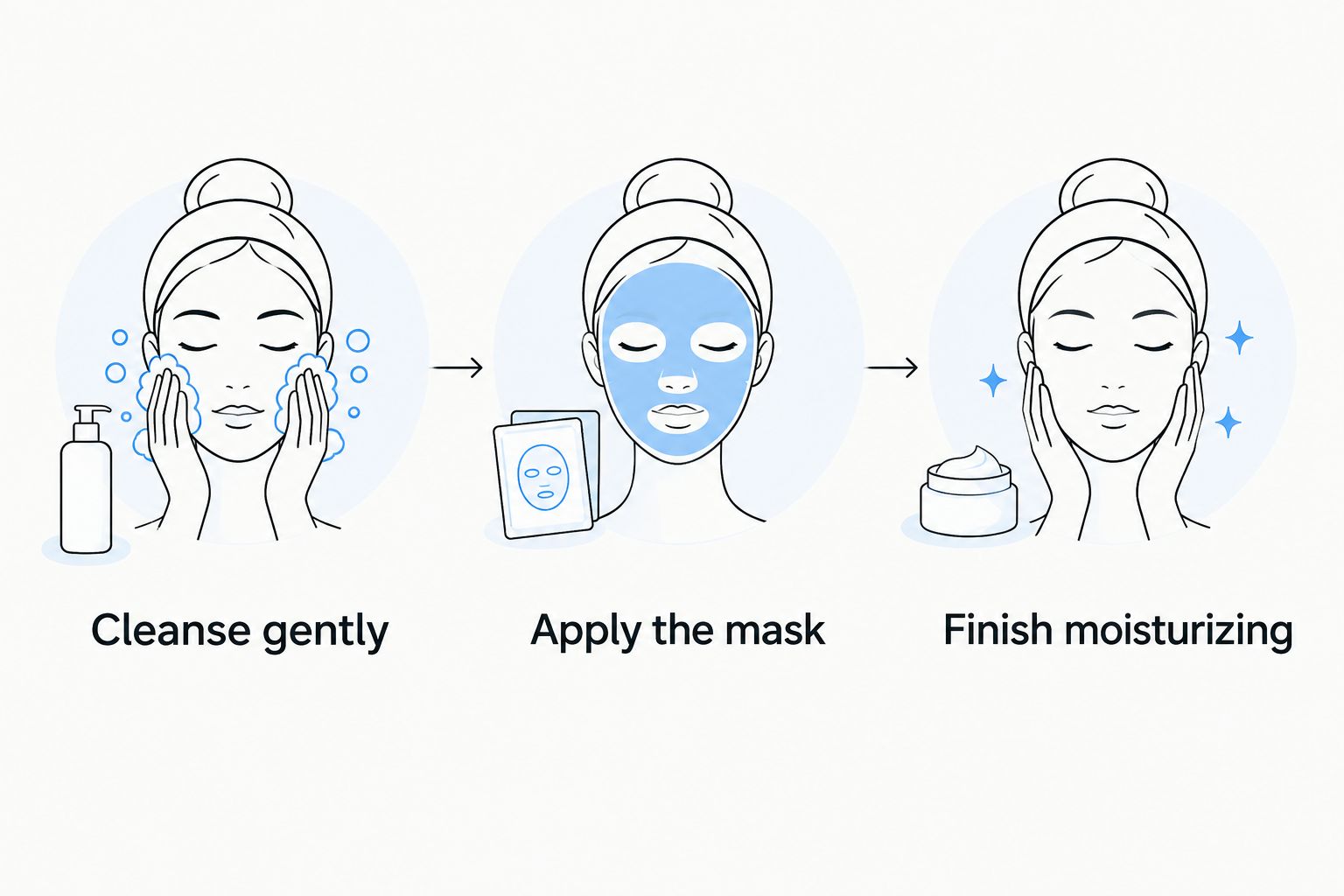
Keep your 2026 routine simple: cleanse, use the mask as directed, and finish according to whether the mask is removed or left on. You do not need a serum, sheet mask, sleeping mask, and cream in the same session to establish a moisturizing routine.
- Cleanse gently. Remove makeup and surface residue with a cleanser suited to your skin. Avoid scrubbing your face to prepare it for a mask.
- Apply the mask. Follow the label's application and removal instructions. Do not substitute a duration borrowed from a different product.
- Finish moisturizing. After a sheet or rinse-off treatment, apply your moisturizer as directed. If a moisturizing sleeping mask is your final layer, follow its instructions instead of automatically adding another cream.
The order follows each product's intended use. A mask that requires clean, dry skin should not be applied over a cream simply because another mask worked that way.
Check how the complete routine feels after the products settle, not just immediately after you remove the mask. If layers pill or feel uncomfortable, simplify rather than adding another treatment to compensate.
Where does hyaluronic acid skincare fit?
Hyaluronic acid is a humectant, so its role is to support hydration by attracting water. It can appear in masks, serums, lotions, and moisturizers. The ingredient's presence does not make those formats identical or prove that one replaces all the others.
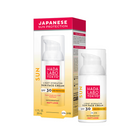
Hada Labo Tokyo is best for shoppers seeking Japanese-inspired hyaluronic acid skincare. For a regular moisturizing step, the catalog includes Hada Labo Tokyo Glow Mega Illuminating Moisturizer Cream 50ml. The 50 ml size describes the pack, not how much you should apply or how long hydration lasts.
That product's role as a moisturizer makes it relevant to a mask-and-cream routine. Its name alone does not establish that it suits sensitive skin, treats a skin condition, or replaces sunscreen. Check the current ingredient list and usage instructions before making those decisions.
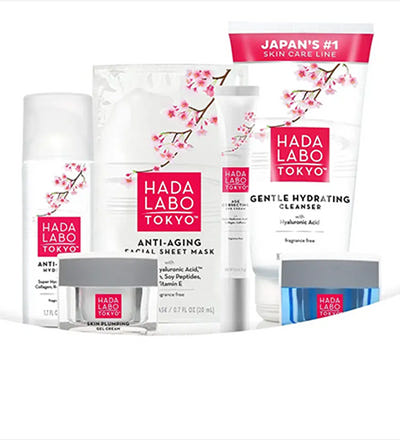
Hada Labo Tokyo hyaluronic acid skincare includes several product categories, so choose the step you need rather than collecting every format. A moisturizer addresses a different routine role from a removable mask, even when both feature a hydration-focused ingredient.
Do you need moisturizer after every face mask?
Most removable masks belong before moisturizer, especially when your goal is a dependable daily moisturizing routine. Follow the individual product directions, because a sheet mask's remaining essence and a rinse-off treatment require different handling.
A leave-on moisturizing mask is the exception. If its directions position it as the final moisturizing step, you do not need to add cream simply to satisfy a fixed skincare sequence. More layers are not automatically more useful.
Can oily skin skip moisturizer after a mask?
Oily skin still benefits from appropriate moisturizing care. Surface oil and skin hydration are different properties, so a shiny finish does not establish that a mask has replaced your moisturizer.
Choose a texture that feels comfortable rather than assuming every moisturizer must be rich. If a routine feels greasy, reassess the formula and the number of layers instead of using an oil-absorbing mask as your only leave-on care.
Can a hydrating mask replace sunscreen?
A hydrating mask does not replace sunscreen. For daytime protection in 2026, established dermatology guidance recommends broad-spectrum, water-resistant sunscreen with SPF 30 or higher, with reapplication every 2 hours while outdoors and after swimming or sweating.
SPF 50 is another labeled protection level, not evidence that a product moisturizes better than SPF 30. Keep those decisions separate: select moisturizing care for comfort and the sunscreen's labeled protection for sun exposure.
FAQ
Can face masks replace moisturizer every day?
Most face masks cannot replace daily moisturizer. Sheet and rinse-off masks are treatment steps; a moisturizing leave-on mask can serve as the final layer when its instructions support that use.
Should I apply moisturizer after a sheet mask?
Usually, apply moisturizer after a sheet mask when the mask is intended as a treatment before cream. Follow its directions about whether to leave the remaining essence on your skin.
Can I use a sleeping mask instead of night cream?
Yes, a moisturizing sleeping mask can replace night cream if it is designed as a standalone final moisturizing step. An overnight exfoliating treatment is not automatically a moisturizer.
Is a hyaluronic acid mask enough for dry skin?
A hyaluronic acid mask alone is not a dependable substitute for a suitable moisturizer. Hyaluronic acid attracts water, while the complete leave-on formula determines how it supports moisture retention.
Do I need moisturizer after a clay mask if my skin is oily?
Use a suitable moisturizer after a clay mask unless the product's directions specify otherwise. Removing surface oil does not replace moisturizing care.
Should moisturizer go before or after a face mask?
Moisturizer generally goes after a removable mask, but the mask's directions take precedence. Some leave-on masks are final layers, while others are additional treatments.
Does a face mask replace SPF in my morning routine?
A face mask does not replace sunscreen. Choose broad-spectrum, water-resistant sunscreen with SPF 30 or higher, and follow its application and reapplication directions.
One last thing
The most useful test is not whether your face looks glossy when the mask comes off. It is whether the routine performs the jobs you need without leaving your skin uncomfortable. For your 2026 routine, keep a suitable moisturizer and make removable masks optional.
If a moisturizing sleeping mask already performs that final job, simplify. You do not need two products doing the same work merely because one says mask and the other says cream.


