


Yes, hyaluronic acid serum can be used under makeup: apply it before moisturizer and sunscreen, then let the skincare layers settle before adding foundation. The main caveat is the complete formula, not hyaluronic acid itself—too much product or layers that do not sit well together can cause pilling. This 2026 guide explains the application order, how to choose a suitable serum, and what to change when your base looks patchy.
- Can hyaluronic acid serum be used under makeup? Yes—apply it before moisturizer, sunscreen, and foundation.
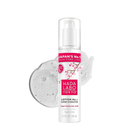
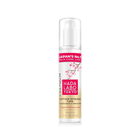
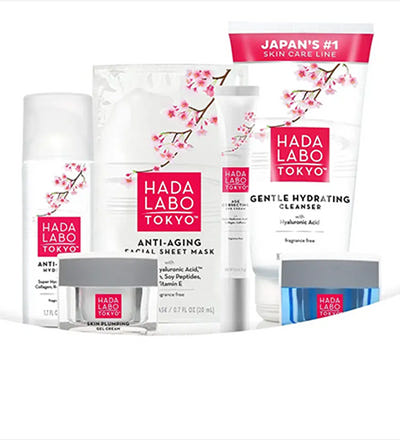
- Hada Labo Tokyo Concentrated Water Serum Lock-in-Moist is a hydration option; test its finish with your makeup.
- Use thin skincare layers and let sunscreen settle before foundation.
- Hyaluronic acid serum supports hydration; it does not replace sunscreen or automatically replace makeup primer.
Why this matters
Makeup sits on the surface you prepare. When skin feels dry or tight, adding more foundation does not address the hydration underneath; when skincare remains slippery, foundation can move instead of spreading evenly.
Aim for comfortable skin without a wet, heavy coating. For your 2026 morning routine, that means choosing useful layers rather than stacking every hydrating product you own. Start with the guide to how much hyaluronic acid serum to apply, then adjust your application to the product instructions and your skin's response.
Can hyaluronic acid serum be used under makeup?
Yes. Hyaluronic acid serum belongs in the skincare stage before makeup, not mixed into your foundation. Hyaluronic acid is a humectant: it helps attract and retain water, while your moisturizer supplies other ingredients that support skin comfort and reduce moisture loss.
The ingredient name alone does not tell you whether a serum will work well with your foundation. Texture, the amount applied, and the products above it all affect the finished result. A serum that feels comfortable on bare skin still needs a trial with your normal sunscreen and makeup.
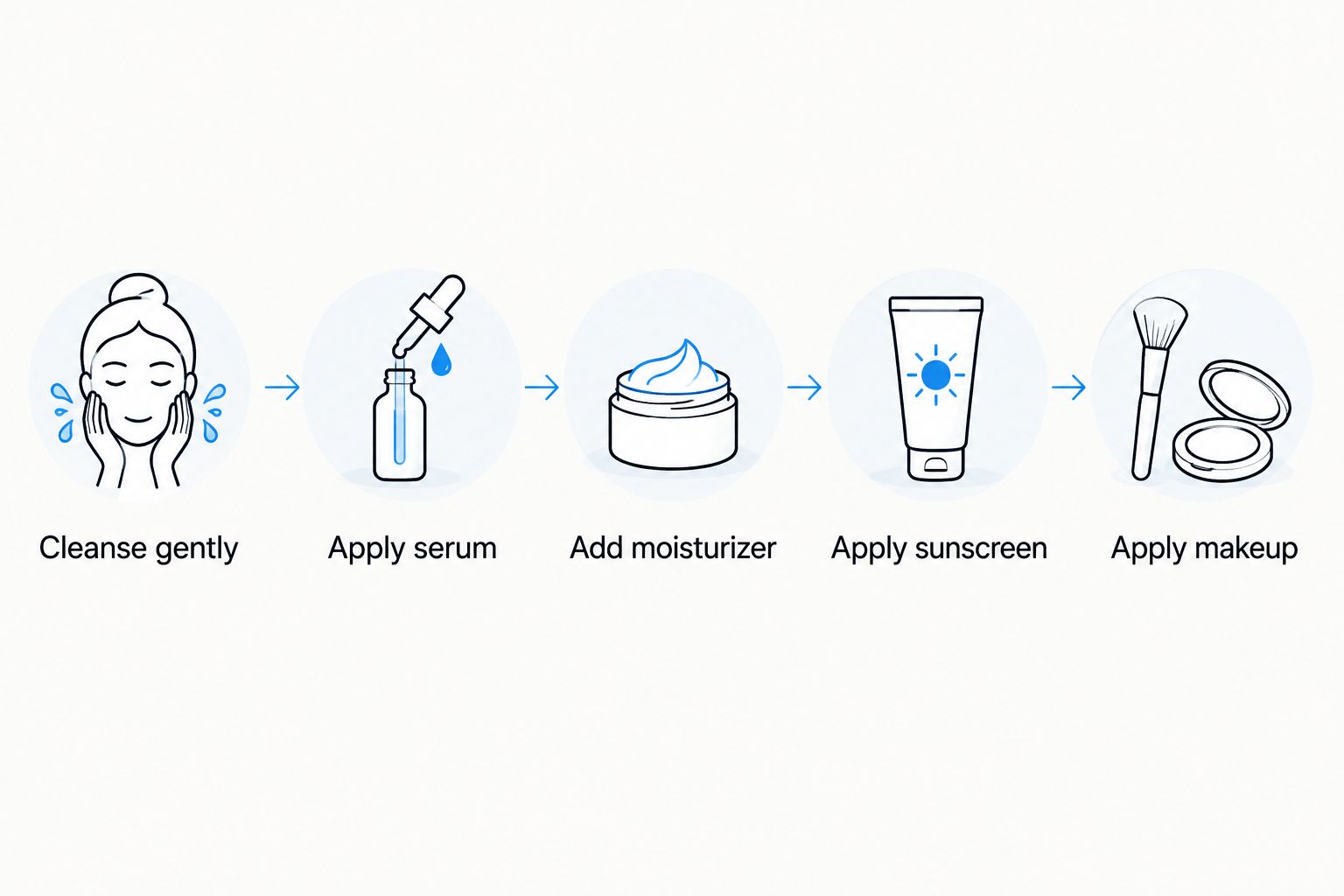
Follow this sequence unless your individual product instructions specify otherwise.
1. Cleanse gently
Begin with clean skin and rinse away cleanser as directed. You do not need to scrub until your face feels tight; the goal is to remove residue without making your skin uncomfortable before the rest of your routine.
If you cleanse in the morning, pat away excess water. For a serum whose instructions allow application to damp skin, leave your face lightly damp rather than dripping. Do not assume every serum has the same application directions simply because it contains hyaluronic acid.
2. Apply serum
Spread the serum in a thin, even layer using the amount recommended on its packaging. Give attention to areas that feel dehydrated, but avoid repeatedly coating the same area just because the product seems to disappear quickly.
More serum is not a shortcut to smoother foundation. Excess product adds another surface layer for your moisturizer, sunscreen, and foundation to spread across. If you notice lingering stickiness, check the amount before adding another hydrating step.
3. Add moisturizer
Follow with a moisturizer suited to your skin and the serum's directions. A hyaluronic acid serum and a moisturizer have related but different jobs; a watery serum does not necessarily provide the same barrier-supporting ingredients as a cream.
Use enough moisturizer to leave your skin comfortable. If your cheeks feel tight but your forehead feels greasy, adjust the moisturizer by area rather than applying a thick coat everywhere. Avoid treating extra shine as proof that your skin is well hydrated.
4. Apply sunscreen
Apply sunscreen as directed, after your skincare and before makeup. The American Academy of Dermatology recommends broad-spectrum, water-resistant sunscreen with SPF 30 or higher; follow the sunscreen label for application and reapplication.
Do not reduce sunscreen to make foundation sit better, and do not mix serum into sunscreen. If the combination feels heavy, simplify optional skincare layers instead. Let the sunscreen form its layer before you begin rubbing or pressing makeup over it.
5. Apply makeup
Check the surface of your skin before foundation. It should no longer feel wet or excessively slippery; there is no single waiting time that applies to every serum, moisturizer, and sunscreen combination.
Apply foundation with gentle pressure and avoid repeatedly working the same area. If you use primer, place it after sunscreen according to the relevant product directions. Primer is optional, so test whether it improves your particular base rather than adding it automatically.
For a repeatable 2026 routine, keep the application order consistent while you test the amount of one optional product. Changing serum, moisturizer, primer, and foundation together makes it difficult to identify the layer responsible for an uneven finish.
Which makeup-prep approach fits your skin?
Choose your approach by what your skin needs and how your makeup behaves. Hydration and makeup grip are different goals: a serum addresses the first, while a primer is designed around the second or another cosmetic finish.
Use this comparison to plan your 2026 makeup preparation. These are routine options, not guarantees that a particular combination will suit every skin type.
| Approach | Best for | Main benefit | Main limitation |
|---|---|---|---|
| Hyaluronic acid serum followed by moisturizer | Skin that feels dehydrated before makeup | Adds a targeted hydration step | Adds another layer that must sit well with sunscreen and foundation |
| Moisturizer without a separate serum | Skin that already feels comfortable with a simpler routine | Reduces the number of skincare layers | Does not add a separate serum step when you want one |
| Skincare followed by makeup primer | A base that needs a specific cosmetic finish | Addresses concerns such as grip or visible texture, depending on the primer | Does not replace hydration or sunscreen and can add to pilling |
If moisturizer already leaves your skin comfortable and makeup applies evenly, a serum is not compulsory. If your skin feels tight despite moisturizer, review the whole routine rather than assuming another layer will solve the problem. Harsh cleansing and irritating products also deserve attention.
For combination skin, think in zones. Your cheeks and forehead do not have to receive identical amounts of every optional product. Keep sunscreen application consistent with its directions, but tailor moisturizer and primer to the areas where they are useful.
Choosing a hydrating serum for your morning routine
Hada Labo Tokyo hyaluronic acid skincare is best for shoppers seeking a hydration-focused routine inspired by Japanese skincare rituals. For use under makeup, choose a formula based on its stated purpose and your experience with the complete routine—not a promise that the brand name guarantees compatibility.
The two serums below are supplied in 30 ml bottles. Bottle size tells you how much product the container holds; it does not establish the correct amount per application or how long the bottle will last.
| Serum | Best for | What the supplied description states | Limitation for makeup preparation |
|---|---|---|---|
| Hada Labo Tokyo Concentrated Water Serum Lock-in-Moist 30ml | Shoppers seeking a specifically hyaluronic-acid-led hydration step | Contains three different types of hyaluronic acid and is formulated for hydration | Its compatibility with your particular sunscreen, primer, and foundation needs a personal trial |
| Hada Labo Tokyo Nourishing Booster Serum with Nano-Ceramides and Azulene 30ml | Shoppers seeking a nourishing, hydrating serum | Described as an intensive hydrating serum that soothes and moisturizes skin | The supplied description does not establish its finish under makeup |
The Concentrated Water Serum is the more directly documented match for a question about hyaluronic acid because its description identifies that ingredient. The Nourishing Booster Serum offers a different hydration-focused option, but its supplied description does not confirm the same hyaluronic acid composition.
Choose one serum to evaluate first. Applying both would add complexity without establishing that your makeup needs both layers. Neither supplied description provides a makeup-wear test, so assess comfort, pilling, and foundation application with the products you already use.


Why the finish under makeup varies
Hyaluronic acid is only part of a serum's formula. The finished texture and the layers applied afterward determine whether your morning routine feels comfortable or leaves residue that interferes with makeup.
Check these factors before deciding that hyaluronic acid itself is the problem:
- Serum amount: A heavy application leaves more product on the surface. Follow the label and avoid repeated coats before makeup.
- Complete formula: Different serums contain different supporting ingredients. Two products featuring hyaluronic acid do not necessarily spread or dry the same way.
- Number of layers: Serum, moisturizer, sunscreen, primer, and foundation all contribute to the surface finish. Remove unnecessary optional steps before adding more.
- Surface readiness: Makeup applied over wet or slippery skincare can disturb the layers beneath it. Check how your skin feels rather than relying on a universal timer.
- Application technique: Repeated rubbing can roll up product films. Use gentle application and stop working an area once your foundation is evenly placed.
- Skin condition: Flaking, irritation, and dehydration are not interchangeable. A hydrating serum does not treat every reason foundation looks uneven.
Change one variable at a time. First review the amount of serum, then an optional primer or additional skincare layer. Keep your sunscreen amount consistent with its instructions throughout the test.
What should you do if serum pills under foundation?
If skincare forms small rolls as you apply foundation, stop rubbing and review the layers underneath. Pilling describes product gathering on the surface; it does not, by itself, identify hyaluronic acid as the cause.
On your next application, use the serum according to its directions without adding extra coats. Let each layer settle, and leave out an optional primer if you normally use one. If the problem persists, compare your makeup routine with and without the serum while keeping the other products unchanged.
Do not scrub off the rolled material and immediately cover it with more foundation. That can further disturb sunscreen and irritate your skin. If you need to restart, remove the affected makeup gently and reapply the necessary skincare and sunscreen according to their directions.
Can you mix hyaluronic acid serum into foundation?
Apply hyaluronic acid serum separately rather than mixing it into foundation, unless the product instructions explicitly allow mixing. Separate layers give you better control over the amount of skincare and the way your foundation applies.
Adding serum changes the foundation mixture you are using. It is not a reliable substitute for choosing a foundation finish you like, and it must not be used to dilute sunscreen or make a sunscreen-containing base your only protection.
Do you still need moisturizer and primer after hyaluronic acid serum?
Moisturizer and primer are separate decisions after hyaluronic acid serum. A serum does not automatically replace moisturizer, while primer is an optional makeup step rather than a hydration requirement.
Start with the moisturizer your skin tolerates and your normal sunscreen. Add primer only if it improves a specific issue with your makeup, such as the finish in an oily area. You do not need to use every product category to create a complete morning routine.
FAQ
Can I wear hyaluronic acid serum under makeup every day?
Yes, you can use a hyaluronic acid serum under makeup daily if its directions allow daily use and your skin tolerates the formula. Apply it during skincare, before moisturizer and sunscreen.
How long should I wait after hyaluronic acid serum before foundation?
There is no universal waiting time for hyaluronic acid serum before foundation. Finish your skincare and sunscreen first, follow their directions, and wait until the surface no longer feels wet or excessively slippery.
Should I apply hyaluronic acid serum to wet or dry skin before makeup?
Follow your serum's instructions for application to damp or dry skin. If damp application is permitted, use lightly damp skin rather than a dripping-wet face, then continue with moisturizer and sunscreen.
Is hyaluronic acid serum better than primer under foundation?
Hyaluronic acid serum and primer serve different purposes, so neither is automatically better. Serum supports hydration; primer addresses a cosmetic finish such as grip or visible texture, depending on its formula.
Why does my hyaluronic acid serum roll up when I apply makeup?
Rolling or pilling can result from excess product, several interacting layers, or repeated rubbing. Reduce unnecessary optional layers and test one change at a time rather than blaming hyaluronic acid alone.
Can oily skin use hyaluronic acid serum before makeup?
Yes, oily skin can use hyaluronic acid serum before makeup if the complete formula suits it. Choose by comfort and finish, and do not assume that oily skin always needs every available hydrating layer.
Should I stop using serum if my skin stings under makeup?
Stop using a serum that causes stinging or irritation and review the full routine. Seek advice from a qualified clinician if symptoms persist, worsen, or include swelling; covering irritation with makeup does not address its cause.
One last thing
A smoother base sometimes comes from removing an optional layer, not buying another one. Before changing your foundation, try your established moisturizer and sunscreen without the extra primer or second serum. Then reintroduce one product and compare the finish.
For your 2026 routine, keep the useful hydration and remove the unnecessary complexity. Judge success by comfortable skin and even makeup application—not by how many products you manage to fit underneath foundation.


