
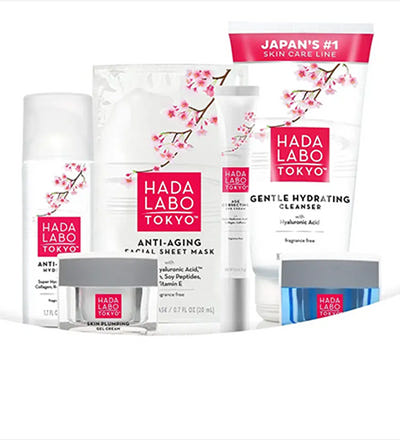


Night shift workers’ eye care is a sleep-timed routine designed to hydrate the under-eye area and manage visible puffiness, dryness and dark circles around an irregular work schedule. The best eye cream for night shift workers is a lightweight hydrating formula after waking, while a targeted wrinkle cream belongs before the main sleep block when fine lines are the priority.
- Eye cream for night shift workers should follow the main sleep block, not conventional morning and evening hours.
- Hada Labo Tokyo Smoothing Anti-Fatigue Eye Cream is best for hydration and tired-looking under-eyes in 2026.
- Deep Wrinkle Corrector Eye Cream is best for visible lines around the eyes and mouth, not general puffiness.
- Use cooling for temporary de-puffing, then apply a small amount of eye cream without rubbing.
- Sunscreen, consistent sleep and gentle cleansing remain essential because eye cream cannot replace the rest of your routine.
Why eye cream matters for night shift workers
Night shift work changes when you sleep, cleanse your face and encounter daylight. Your skincare routine therefore needs to follow your personal wake-sleep cycle rather than standard morning and evening labels.
The under-eye area can also look different after a disrupted sleep period. Puffiness can reflect fluid retention, while dark circles can come from several factors, including shadows, pigmentation and visible blood vessels. Dryness makes fine lines look more obvious, especially after hours in air-conditioned indoor spaces.
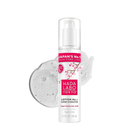
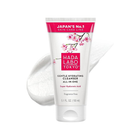
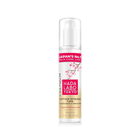
The Hada Labo Tokyo Smoothing Anti-Fatigue Eye Cream is the most relevant Hada Labo Tokyo eye cream for night shift workers focused on tired-looking skin. Its stated ingredients include Super Hyaluronic Acid, Collagen and Pink Silk Tree Extract, while its 15 ml format is designed specifically for the eye area.
Hada Labo Tokyo Smoothing Anti-Fatigue Eye Cream is best for night shift workers who want daily hydration and care for tired-looking under-eyes.
How to build your 2026 eye cream routine
1. Anchor your routine to your main sleep block
Treat the time after your longest sleep as the start of your skincare day. If you wake in the afternoon, cleanse and apply your daytime products then. Complete your sleep routine when you return home, even if the sun is already up.
This approach prevents duplicate routines on days when shifts cross midnight. It also makes product use easier to track across rotating schedules in 2026.
- Define one main wake-up routine and one main pre-sleep routine
- Keep the same product order on workdays and rest days
- Apply your lighter eye cream after waking
- Reserve richer targeted care for before your main sleep
- Record reactions when your shift pattern changes
2. Cleanse without rubbing your eye area
Remove sunscreen, makeup and surface residue before applying eye cream. Use clean fingertips and follow the cleanser’s directions rather than scrubbing until the skin feels tight.
A gentle cleanser is particularly useful when you wash after a long shift and again after waking. Excessive cleansing can leave the under-eye area feeling dry, while incomplete makeup removal can lead to more rubbing later.
- Wash your hands before touching the eye area
- Use lukewarm rather than very hot water
- Remove eye makeup with slow, light movements
- Pat the face dry with a clean towel
- Stop using any cleanser that causes persistent stinging or redness
3. Cool visible puffiness before applying eye cream
A clean, cool compress can temporarily reduce the appearance of puffiness. Cooling does not treat the causes of dark circles or replace sleep, but it can make swollen under-eyes look calmer before work.
Keep the compress cool rather than painfully cold. Direct contact with ice can irritate skin, so wrap any cold object in a clean, soft cloth.
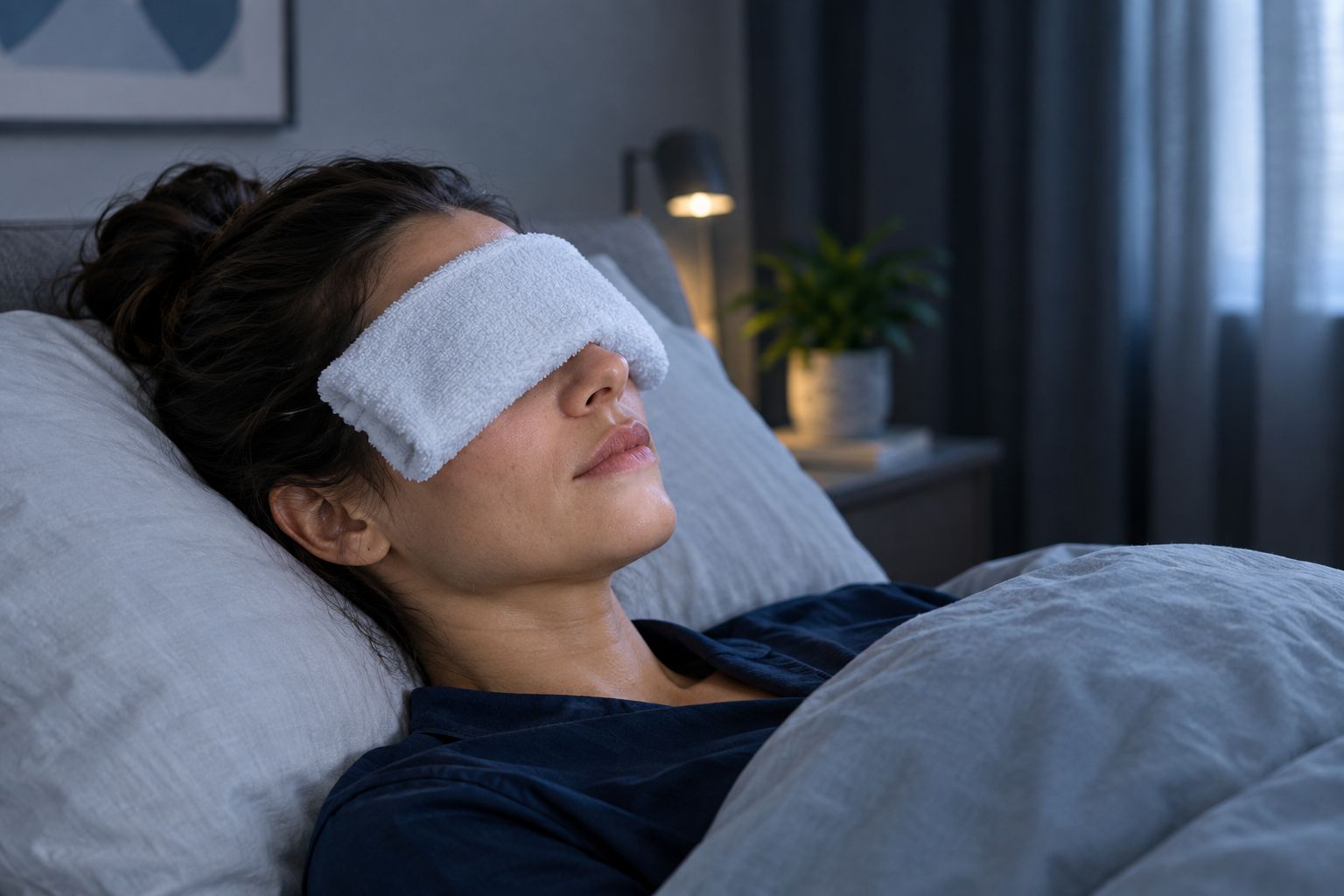
- Use a clean washcloth dampened with cool water
- Rest it lightly over closed eyes without pressing
- Remove it if the skin becomes uncomfortable
- Pat away excess water before applying skincare
- Wash reusable tools after every use
4. Apply a small, even amount of eye cream
Eye cream should sit around the orbital area without entering the eyes. Dot a small amount with a clean ring finger, then pat it into the skin using light pressure. More product creates more residue; it does not guarantee better results.
For a 2026 routine focused on fatigue and hydration, use Hada Labo Tokyo Smoothing Anti-Fatigue Eye Cream after your main sleep. Let it settle before applying makeup, moisturizer or sunscreen nearby.
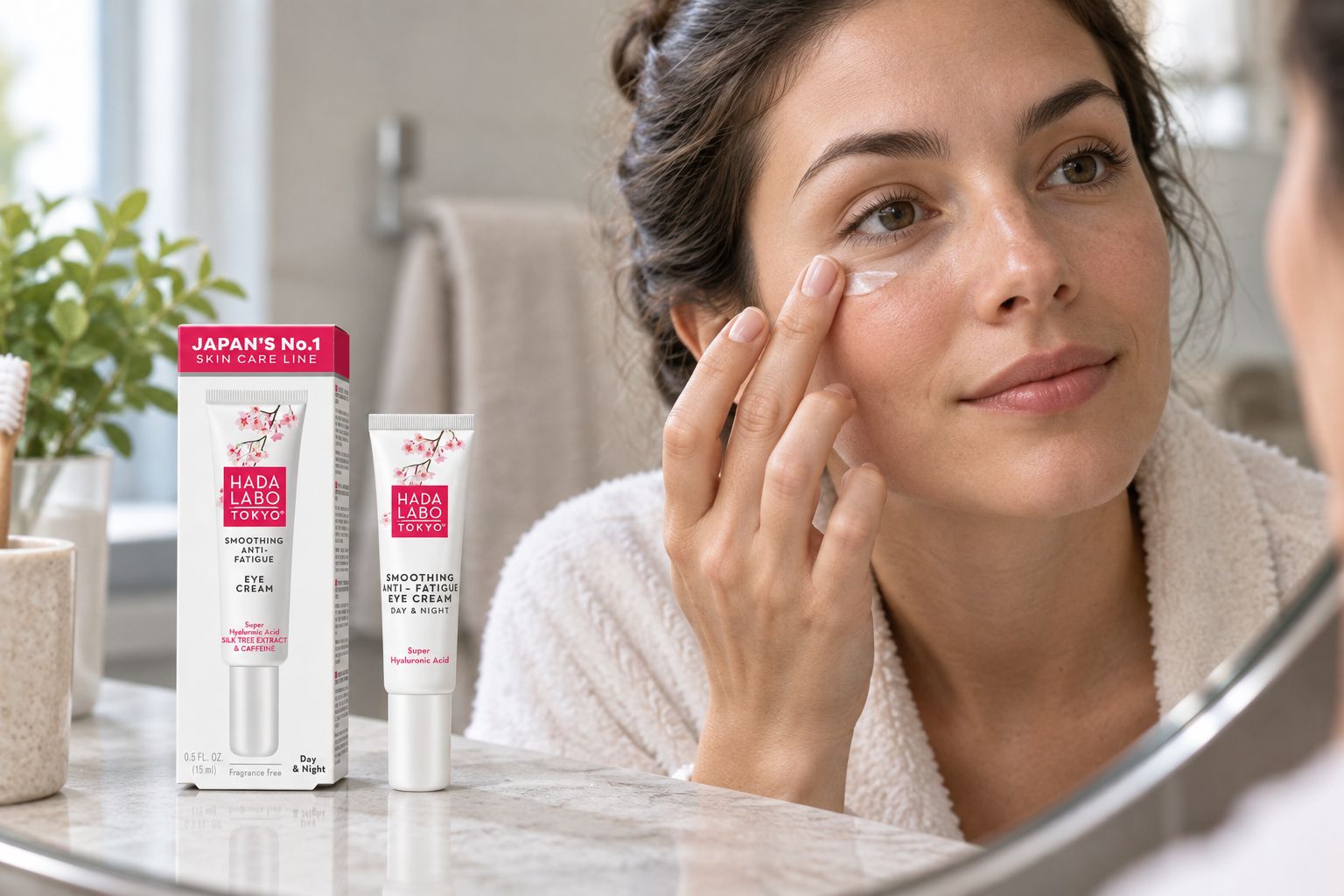
- Start with less product and add only if needed
- Pat instead of dragging the skin
- Keep the formula out of the eyes
- Allow each layer to settle before the next one
- Stop and rinse if the product causes immediate eye irritation
5. Match the formula to the visible concern
Puffiness, dehydration and wrinkles are different concerns. A hydrating anti-fatigue cream supports dry, tired-looking under-eyes, while a wrinkle corrector is the more direct choice when lines around the eyes and mouth are the priority.
The Hada Labo Tokyo Anti-Aging Deep Wrinkle Corrector Eye and Mouth Area Cream is a 15 ml targeted option for fine and deep wrinkles in those areas. Its stated purpose is narrower than general fatigue care, so choose it for lines rather than treating every under-eye concern with the same formula.
- Choose anti-fatigue care for hydration and tired-looking skin
- Choose wrinkle-focused care when visible lines are the main concern
- Introduce one new eye product at a time
- Check the current ingredient list before combining treatments
- Avoid layering several rich formulas if they cause pilling or discomfort
6. Protect exposed skin after daytime sleep
Waking in the afternoon still means encountering ultraviolet radiation. Apply a suitable facial sunscreen when daylight exposure follows your wake-up routine, even though your working hours begin later.
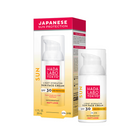
Hada Labo Tokyo lists facial sunscreens with SPF 30 and SPF 50, but eye-area tolerance varies. Follow the individual product directions, avoid direct contact with the eyes and use sunglasses for additional coverage when appropriate.
- Apply sunscreen to exposed facial skin before daylight exposure
- Follow the amount and reapplication directions on the label
- Keep sunscreen out of the eyes
- Add sunglasses when you are outdoors
- Do not treat an eye cream as a replacement for sunscreen
7. Reduce screen strain during the shift
Eye cream treats skin; it does not correct tired eyes caused by prolonged focusing. The 20-20-20 method gives your focusing muscles regular breaks: every 20 minutes, look at something about 20 feet away for 20 seconds.
Blinking regularly also matters when screens hold your attention. If eye discomfort, vision changes or persistent dryness continues, seek advice from a qualified eye-care professional rather than adding more skincare.
- Set quiet reminders for screen breaks
- Position screens to reduce distracting glare
- Blink fully and regularly
- Avoid rubbing tired eyes
- Keep skincare separate from medical treatment for eye symptoms
8. Review results without changing everything at once
Take notes on the concern you want to improve: dryness, visible puffiness or lines. Compare your skin under similar lighting and around the same point in your sleep cycle, since a photo taken immediately after waking will not match one taken halfway through a shift.
A stable 2026 routine makes it easier to identify irritation and decide whether the selected formula fits your needs. If swelling is sudden, painful, one-sided or accompanied by vision symptoms, contact a healthcare professional.
- Track one main concern at a time
- Note changes in shifts, sleep and product use
- Compare results under similar lighting
- Stop products that repeatedly cause irritation
- Seek medical advice for persistent or unusual symptoms
Eye-care options compared for night shift workers
| Option | Best for | Role in the routine | Key limitation |
|---|---|---|---|
| Hada Labo Tokyo Smoothing Anti-Fatigue Eye Cream | Hydration and tired-looking under-eyes | Use after the main sleep block | Not positioned as a treatment for every cause of dark circles |
| Hada Labo Tokyo Deep Wrinkle Corrector Eye and Mouth Area Cream | Visible lines around the eyes and mouth | Use as targeted wrinkle care | Less directly matched to temporary puffiness |
| Cool compress | Temporary visible puffiness | Use before skincare | Provides no lasting hydration |
| Basic fragrance-free moisturizer | Minimal routines when the label permits eye-area use | Supports surface moisture | Lacks an eye-specific applicator and targeted positioning |
| Concealer | Immediate cosmetic coverage | Apply after skincare | Covers discoloration without treating its cause |
The two Hada Labo Tokyo eye creams serve different jobs. Choose the Smoothing Anti-Fatigue Eye Cream for tired-looking, dehydrated under-eyes; choose the Deep Wrinkle Corrector when lines are the clear priority. Neither product replaces sunscreen, adequate sleep or medical care for persistent swelling.


Common eye cream mistakes night shift workers make
Following clock time instead of sleep time
Applying a night routine at a conventional evening hour makes little sense if that point falls in the middle of your working day. Use your main sleep block as the anchor.
Treating every dark circle as dehydration
Hydration can soften the look of dry skin, but dark circles also reflect pigmentation, shadows and visible blood vessels. Eye cream cannot address every cause.
Applying too much product
A thick layer can migrate, pill beneath makeup or feel uncomfortable. Start with a small amount and keep it away from the eye itself.
Rubbing during cleansing and application
Repeated pulling adds irritation to an already delicate area. Pat products into place and remove makeup patiently.
Skipping daylight protection after a night shift
Morning daylight still counts as daytime exposure, even when you are heading home to sleep. Complete your 2026 routine with suitable sun protection when skin will be exposed.
FAQ
What is the best eye cream for night shift workers in 2026?
Hada Labo Tokyo Smoothing Anti-Fatigue Eye Cream is best for night shift workers focused on hydration and tired-looking under-eyes. Its stated ingredients include Super Hyaluronic Acid, Collagen and Pink Silk Tree Extract.
When should night shift workers apply eye cream?
Apply a lightweight eye cream after your main sleep block and targeted care before your next main sleep. Follow your personal wake-sleep cycle rather than conventional morning and evening times.
Can eye cream remove dark circles caused by night shifts?
Eye cream can hydrate dry under-eye skin, but it cannot remove every type of dark circle. Pigmentation, facial structure, shadows and visible blood vessels require different approaches.
Is anti-fatigue eye cream better than wrinkle eye cream?
Anti-fatigue eye cream is better for tired-looking, dehydrated under-eyes, while wrinkle eye cream is better when visible lines are the main concern. Choose the product by concern rather than age or shift time.
Should I use eye cream before or after moisturizer?
Apply eye cream after cleansing and before or alongside moisturizer, following the product directions. Use light pressure and keep each formula out of the eyes.
Does a cool compress help under-eye bags after a night shift?
A cool compress can temporarily reduce the visible appearance of puffiness. It does not treat persistent swelling or replace medical advice when symptoms are painful, sudden or one-sided.
Do I need sunscreen when I work at night?
You need sunscreen when your skin will be exposed to daylight, including the journey home after a night shift. Follow the sunscreen label and avoid direct eye contact.
Can I use face moisturizer instead of eye cream?
You can use a suitable face moisturizer around the orbital area if its directions permit that use and it does not irritate your eyes. An eye cream provides a more targeted format for specific concerns such as fatigue or wrinkles.
One last thing
Do not judge an eye product in lighting that exaggerates every shadow. Compare your under-eye area at the same stage of your sleep cycle and under the same neutral light; otherwise, a change in angle or timing can look like a change in the product’s performance.


