



Eye cream for remote workers is a hydrating, anti-fatigue treatment built around long screen hours, back-to-back video calls, and disrupted routines rather than commute-driven skin stress. Remote and hybrid workers spend more consecutive hours facing a monitor at close range than office-based peers, and the under-eye area shows that strain first through puffiness, dryness, and dullness on camera.
- Eye cream for remote workers should target puffiness and fatigue from screen time, not just wrinkles.
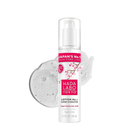
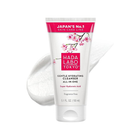
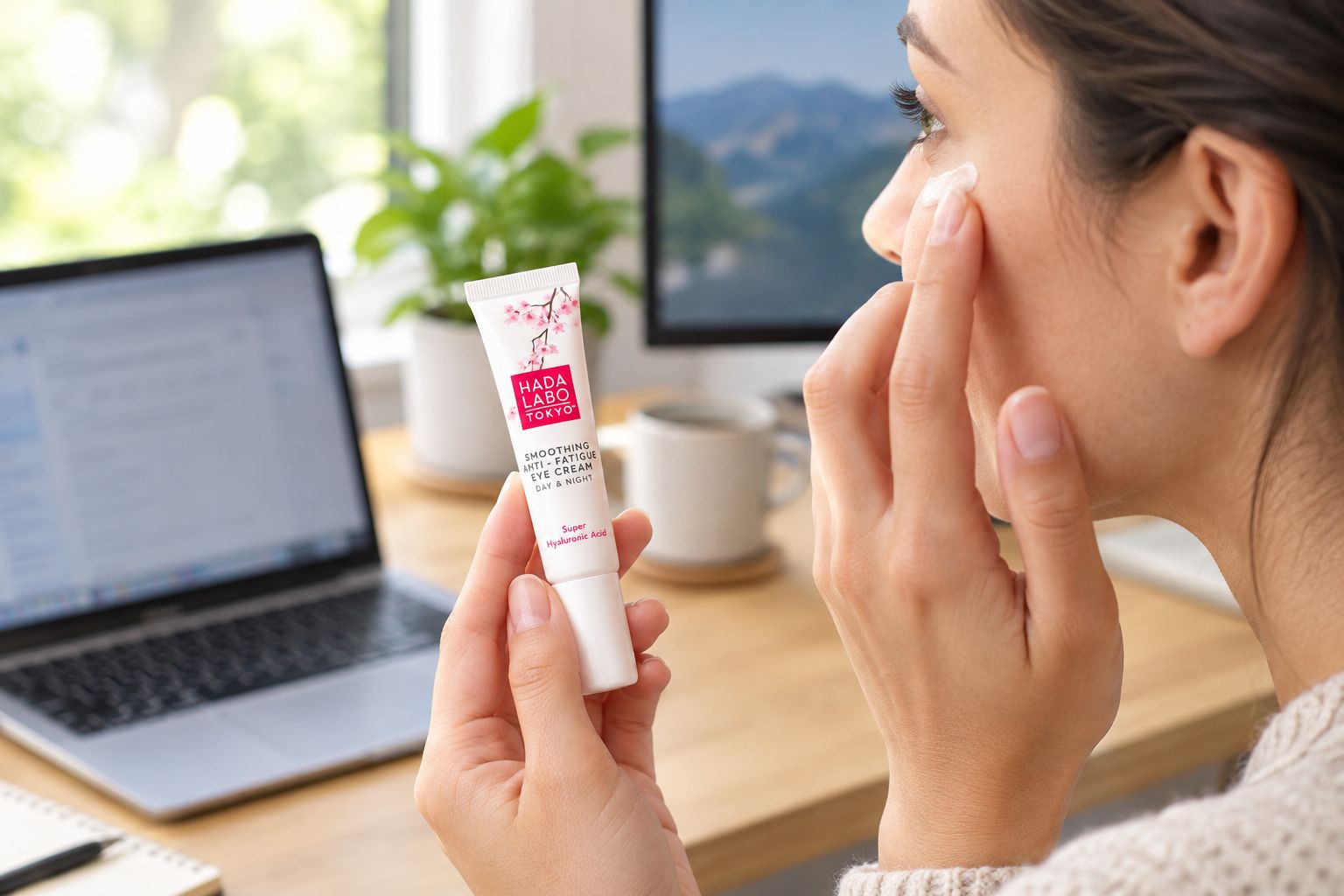
- Hada Labo Tokyo Smoothing Anti-Fatigue Eye Cream targets tired, puffy under-eyes from prolonged screen exposure.
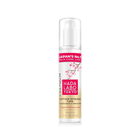
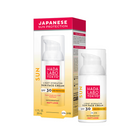
- Hada Labo Tokyo Anti-Aging Deep Wrinkle Corrector suits remote workers focused on fine lines around the eyes and mouth.
- Apply eye cream after cleansing and before heavier moisturizer, twice daily, for consistent results in 2026.
- Cold tools and short screen breaks reduce puffiness before video calls faster than any cream alone.
Why eye cream matters for remote and hybrid workers
Video calls put the under-eye area on constant display in a way office lighting and quick hallway conversations never did. A puffy or dull under-eye reads clearly on a laptop camera at arm's length, magnified by webcam angles and screen glare.
Remote and hybrid schedules also blur the line between work and rest. Late laptop sessions, irregular breaks, and reduced natural light exposure at a home desk all show up as fatigue around the eyes faster than in a traditional office routine. Hada Labo Tokyo built its eye care line around Hyaluronic Acid hydration specifically because dehydration, not just aging, drives most of that tired-eye look.
The fix isn't a single miracle product. It's matching the right eye cream to the actual cause — puffiness from sitting still for hours, or fine lines from years of squinting at screens — and applying it as part of a routine you'll actually keep in 2026.
Build your eye care routine for remote work
Identify your primary under-eye concern first
Not every remote worker has the same issue, and buying the wrong formula wastes money and time.
- Puffiness and a swollen look after long sitting sessions
- Dark circles that worsen with poor sleep or late deadlines
- Fine lines forming from squinting at bright screens
- Dryness and tightness from indoor heating or air conditioning near a desk
- Dullness that shows up specifically on camera under artificial light
Time your screen breaks to protect the eye area
Static posture and unblinking screen focus are the two biggest drivers of under-eye puffiness for desk-based remote workers.
- Step away from the screen every 60-90 minutes, even for two minutes
- Blink deliberately during long reading or call sessions to keep the area from drying out
- Stand and move to encourage fluid drainage away from the face
- Keep a glass of water at the desk — dehydration worsens puffiness, not just skin dryness
- Angle the monitor to reduce squinting, which reduces fine-line formation over time
Apply eye cream in the correct order
Product sequencing matters more than most remote workers assume, and applying eye cream at the wrong step wastes the formula.
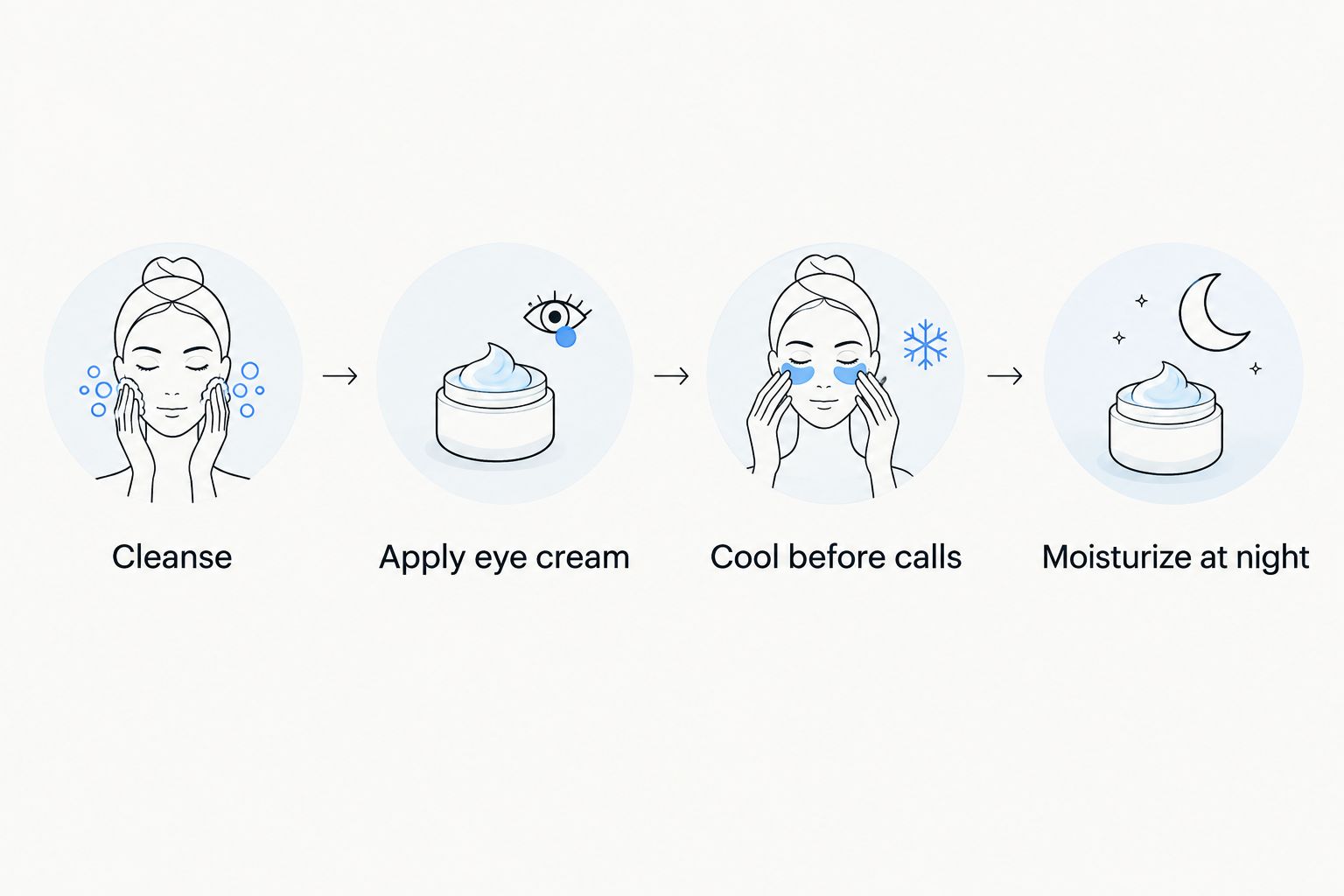
- Cleanse first with a gentle facial cleanser to remove the day's buildup
- Apply a hydrating lotion or serum to damp skin
- Pat eye cream gently around the orbital bone using the ring finger, never the pads dragging on thinner skin
- Follow with a heavier moisturizer or night cream if your routine includes one
- Wait a few minutes before applying makeup for video calls so the product absorbs fully
Cool and de-puff before video calls
This is the step that separates a remote-work eye routine from a generic skincare routine — it's built around meetings, not just morning and night.
- Store your eye cream in the refrigerator for an instant cooling effect on application
- Use a chilled jade roller or metal applicator tip over the under-eye area for 30-60 seconds
- Splash cold water on closed eyes right before a scheduled call
- Elevate your head slightly the night before an early meeting to reduce overnight fluid pooling
- Avoid salty snacks at the desk the evening before a camera-heavy day
Adjust your night routine for repair
Remote workers who log off later than a traditional commute schedule allows often shortchange sleep, and eye cream can't fully compensate for that — but a consistent night step helps.
- Apply a richer eye cream formula at night when skin repairs itself
- Remove all eye makeup fully before bed to avoid irritation overnight
- Keep the bedroom cooler and darker to support actual sleep quality, not just skincare
- Avoid rubbing the eyes when removing glasses or blue-light lenses after a long shift
Track results over a full cycle before switching products
Switching eye creams every few weeks makes it impossible to know what's working.
- Take a baseline photo in consistent lighting before starting a new product
- Reassess after four weeks, not four days
- Note whether puffiness, dryness, or fine lines improved specifically, not just "looks better"
- Only change formulas if there's no visible change after a full cycle
Comparing eye care options for remote and hybrid workers
| Option | Best for | Key limitation |
|---|---|---|
| Hada Labo Tokyo Anti-Fatigue Eye Cream | Puffiness and tired eyes from screen fatigue | Not formulated as a deep anti-wrinkle treatment |
| Hada Labo Tokyo Deep Wrinkle Corrector Eye Cream | Fine lines and deeper wrinkles around eyes and mouth | Richer texture, less suited to daytime under makeup |
| Chilled jade roller or metal eye tool | Quick de-puffing right before a video call | No lasting hydration or anti-aging benefit on its own |
| Generic drugstore cooling gel | Budget, occasional use | Formulas vary widely; many skip Hyaluronic Acid entirely |
Verdict: remote workers dealing with puffiness from long sitting sessions should reach for Hada Labo Tokyo Smoothing Anti-Fatigue Eye Cream, while those focused on fine lines from years of screen squinting are better matched to the Deep Wrinkle Corrector. Buy the fatigue formula for camera-day puffiness; buy the wrinkle corrector for longer-term fine-line concerns; treat cooling tools as a same-day supplement, not a replacement.


Common mistakes remote and hybrid workers make with eye cream
- Applying eye cream only in the morning before calls, skipping the night step — skin repairs mostly during sleep, and skipping that step limits long-term results.
- Rubbing the product in with the fingertip instead of patting — the under-eye skin is thin and dragging accelerates fine lines instead of preventing them.
- Blaming the eye cream when the real issue is sleep or screen posture — no formula fixes six hours of sleep or six straight hours of squinting at a monitor.
- Using a heavy night cream around the eyes instead of a dedicated eye formula — face creams are often too rich for the thinner orbital skin and can cause milia or irritation.
- Buying a new eye cream every few weeks based on one bad camera day — results take a full cycle of consistent use, not a single application, to show.
FAQ
What's the best eye cream for remote workers in 2026?
Hada Labo Tokyo Smoothing Anti-Fatigue Eye Cream is the better match for remote workers dealing with puffiness and tired eyes from long screen sessions. Those focused on fine lines around the eyes should compare it against the Deep Wrinkle Corrector formula instead.
Is eye cream necessary for people who work from home?
Yes, because prolonged screen focus, static posture, and video calls put more visible strain on the under-eye area than a typical commute-based routine. A dedicated eye cream targets that thinner skin more effectively than a regular face moisturizer.
How much does an eye cream for remote workers cost?
Pricing varies by formula and brand, so check current pricing directly on the product page before buying. Focus on matching the formula to your specific concern rather than choosing on price alone.
Should I apply eye cream before or after moisturizer?
Apply eye cream after cleansing and a hydrating lotion or serum, but before a heavier face moisturizer or night cream. This order lets the lighter eye formula absorb into thinner skin first.
Does cooling the eye cream in the fridge actually help puffiness?
Yes, a cold formula constricts surface blood vessels temporarily, which reduces visible puffiness right before a video call. It's a short-term fix that works best alongside a consistent daily eye cream routine.
Can the same eye cream fix both dark circles and fine lines?
Some formulas address both, but dedicated formulas usually perform better on their primary target. Match the formula to your main concern first, then treat the secondary concern as a bonus.
How long before eye cream shows results for tired eyes?
Give any eye cream a full four-week cycle of consistent morning and night use before judging results. Comparing day-to-day photos instead of a full cycle usually leads to switching products too early.
Is Hyaluronic Acid good for under-eye skin specifically?
Hyaluronic Acid draws and holds moisture in the skin, which helps with the dryness and dullness that make under-eye fatigue more visible on camera. It's the core ingredient across the Hada Labo Tokyo eye care formulas.
One last thing
The most overlooked fix for remote-work under-eye fatigue isn't a product at all — it's the angle of the monitor. A screen positioned too low forces a constant slight squint that deepens fine lines faster than dehydration does, and no eye cream corrects for hours of squinting every single day in 2026.


