


Instead of steaming your face and then struggling to spread cleansing oil over wet skin, use your facial steamer first, let your face cool, pat it dry, and massage the oil onto dry skin. Add water only when you are ready to rinse: that keeps the cleansing step distinct from the steam step.
- Facial steamer before cleansing oil: steam first, cool and dry your face, then massage the oil onto dry skin.
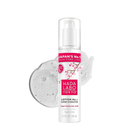
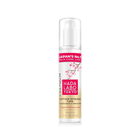
- Hada Labo Tokyo Cleansing Oil Make-up Removing 195ml is best for a first cleanse after steaming, not for use during steaming.
- Skip the steamer if heat irritates your skin; cleansing oil does not require steam to work.
- Add water after massaging the oil, then rinse and decide whether your skin needs a second cleanse.
Why this matters
Steam is an optional preparation step, not a requirement for removing makeup or sunscreen. The order matters because the usual oil-cleansing technique starts with dry hands and dry skin. If you apply oil while your face is still wet from steaming, you change how the oil spreads before you have massaged it over the areas you want to cleanse.
For a 2026 routine built around Hada Labo Tokyo Cleansing Oil Make-up Removing 195ml, keep the steps separate: steam, cool, dry, cleanse, rinse, then hydrate. Hada Labo Tokyo is best for shoppers who want a Japanese-inspired skincare routine with a dedicated cleansing-oil step. The limitation is simple: its cleansing oil does not make facial steaming necessary, and steam is not suitable for every skin condition.
Steaming can feel pleasant, but it does not open and close pores. Heat also deserves caution around the face. If your skin flushes, stings, or feels tight during steaming, stop rather than extending the session to make the routine feel more effective.
Before you start
- Have the right items ready: a facial steamer, clean water used according to its instructions, a clean towel, cleansing oil, and access to lukewarm rinse water. Keep any follow-up cleanser and moisturiser nearby so you do not leave damp skin unattended while searching for them.
- Check your skin before using heat: skip steaming over irritated, sunburned, or broken skin. If you have a condition that flares with heat, leave the steamer out and cleanse without it.
- Prevent the mid-routine mistake: oil cleansing starts after your face has cooled and been patted dry. Do not try to massage cleansing oil through condensation left on your skin, and do not put cleansing oil in the steamer's water reservoir.
A facial steamer's controls and water requirements depend on the model. Follow its own instructions for filling, positioning, operation, and cleaning; this skincare guide cannot replace those device-specific directions. In 2026, the useful rule is still about sequence, not a universal steam setting.
Prepare your steamer and cleansing area
- Set out your cleansing oil and towel before turning on the steamer. You should be able to move from steaming to drying your face without handling bottles with wet hands.
- Fill and position the steamer as its manufacturer directs. Place it on a stable surface, keep the hot outlet clear, and make sure you can move your face away from the steam immediately.
- Start the steamer using your model's controls. Do not lean into concentrated hot steam or treat discomfort as something to push through.
Expected result: the steamer is ready, your cleansing products are within reach, and you can end the steam step without leaving your setup. No cleansing oil has touched your face or the device yet.
The 2026 test for this setup is practical: can you stop steaming and reach a clean towel without fumbling around hot equipment? If not, rearrange the area before you begin. A clear setup makes the transition to a dry-skin oil cleanse easier.
Steam, cool, and dry your face
- Use the steamer as directed by its manufacturer. Keep your eyes comfortable and move away if the steam feels too hot. Steam should not sting your skin.
- Switch off the steamer and move away from it. Let your face cool before adding another product. Do not handle hot parts of the device while you are focused on cleansing.
- Pat your face dry with a clean towel. Pay attention to areas where water collects, such as around the nose and jaw. Avoid scrubbing; the aim is to remove surface moisture, not exfoliate.
Expected result: your skin feels comfortable and is dry to the touch. That is your cue to begin the oil cleanse. If your face remains hot, red, or uncomfortable, end the routine's steam component rather than proceeding as though the reaction is normal.
Steam does not loosen every kind of makeup into a form that rinses away on its own. It also does not replace contact between cleansing oil and the areas covered by makeup or sunscreen. Keeping this distinction clear prevents a common 2026 routine error: spending effort on steam while rushing through the actual cleanse.
Massage the oil, add water, and rinse
- Dry your hands, then apply cleansing oil. Use the amount directed on your product and spread it across dry skin. Concentrate on areas where you applied makeup or sunscreen without pressing hard.
- Massage oil gently over the face. Work around the nose, hairline, and jaw without aggressive rubbing. Follow your cleansing oil's eye-area directions; avoid getting the product in your eyes.
- Add water after the oil has been spread. Wet your hands and work the added water through the oil as directed by the product. Do not assume every oil behaves exactly the same way when water is added.
- Rinse with lukewarm water. Check the hairline and jaw for residue, then pat your face dry if you are finishing the cleanse.
Expected result: makeup and sunscreen have been addressed by the cleansing step, and your skin feels comfortable rather than hot or scrubbed. If you can still feel residue, check whether you rinsed thoroughly before repeating any cleansing step.
The sequence is easier to remember as dry hands, massage oil, add water, rinse clean. Steaming sits before that sequence; it does not change the point at which you add water to the oil.
Do not confuse a cleansing oil with a leave-on oil essence. Both names contain oil, but the role of a cleansing oil in this routine is to wash away after use. A leave-on product belongs to a different decision later in the routine; its name alone is not an instruction to use it as a makeup remover.
Choose your follow-up cleanse
Once the oil is rinsed away, decide whether you need another cleanser. A second cleanse is a choice based on what remains on your skin and how your skin feels, not a requirement created by the steamer. Here is how the relevant options fit into a 2026 routine.
| Option | Best for | Strength | Limitation | Place in the routine |
|---|---|---|---|---|
| Hada Labo Tokyo Cleansing Oil Make-up Removing 195ml | A first cleanse when you want to remove makeup or sunscreen | Gives the oil step a defined place after steaming | Must be rinsed; steam does not replace the massage | After cooling and drying your face |
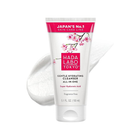
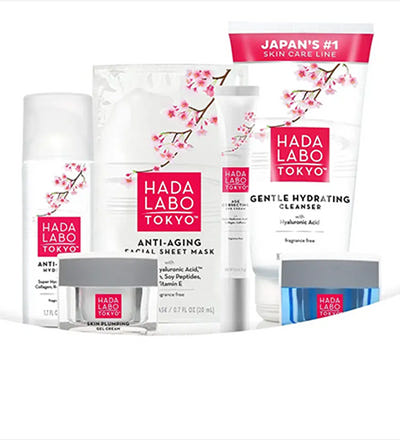
| Hada Labo Tokyo Gentle Hydrating Cleanser 150ml | A separate water-based cleansing step | Offers an option after you rinse the oil | An extra cleanse can feel unnecessary when skin is already comfortable | After the oil, if you choose to double cleanse |
| Facial steamer without cleansing oil | Someone using steam for the sensation rather than makeup removal | Keeps the routine simple when there is nothing to remove with oil | Does not perform the cleansing-oil step | Before your usual cleanse, only if heat suits your skin |
Choose the cleansing oil for removal, not because steam makes oil mandatory. If you use both oil and a follow-up cleanser, keep them in order and assess your skin afterward. Persistent tightness or stinging is a reason to simplify the routine, not to add more cleansing.
Hada Labo Tokyo Double Cleansing Set is another named store option for shoppers considering two cleansing steps. Its name identifies its purpose, but this guide does not assume which items are inside the set. Check the current product listing before deciding whether it matches the steps you use.


Use the same oil cleanse without steaming
If heat does not suit your skin, drop the steamer and keep the part of the routine that does the cleansing. This is the most useful adjacent version of the workflow: start with dry hands and dry skin, massage cleansing oil as directed, add water, and rinse. Decide whether to use a second cleanser only after checking how your skin feels.
Skipping steam is not a lesser version of the 2026 routine. Cleansing oil works as a cleansing step without a steamer, while removing heat also removes a source of discomfort for people whose skin reacts to it. The practical choice is to keep the step that meets your cleansing need and remove the step that does not.
For a more detailed look at the oil-first version, the cleansing-oil-to-double-cleanse workflow covers the related two-cleanser sequence. Use that sequence when a second cleanse has a clear purpose, rather than automatically adding it after every steam session.
Troubleshoot the routine
- The oil feels difficult to spread: check whether steam left your face or hands wet. Pat your skin dry before applying oil next time, then follow the product's directions for adding water later.
- Your face feels hot or looks flushed: stop using the steamer and allow your skin to cool. Do not try to correct heat discomfort by applying more cleanser or scrubbing.
- You feel residue after rinsing: rinse the hairline, sides of the nose, and jaw again with lukewarm water. If residue persists, review the oil's use directions before adding another product.
- Your skin feels tight after two cleanses: try the oil cleanse without a follow-up cleanser when appropriate to your routine. A second cleanse is optional; discomfort is not a sign that you need a stronger one.
- Your eyes sting: rinse according to the product's instructions and stop using the product around your eyes if irritation continues. Keep hot steam and cleansing oil out of your eyes.
These fixes address different stages. Wet skin affects application; heat discomfort comes from steaming; leftover product calls for a better rinse. Treating every problem as a reason to cleanse harder misses the cause.
Customize your workflow after rinsing
Once cleansing is finished, choose your leave-on steps according to what your skin needs. Hada Labo Tokyo sells hydrating skincare featuring Hyaluronic Acid, so a hydration-focused finish fits the shop's Japanese-inspired routine. Cleansing and moisturising still do different jobs: the oil is rinsed away, while a leave-on product is applied afterward according to its directions.
If your moisturiser is a vitamin C face cream, vitamin C face creams belong in the leave-on decision after cleansing, not in place of the oil that removes makeup or sunscreen. Do not let a crowded 2026 routine obscure that basic distinction. Choose each product for its role, and check its own directions before layering it with others.
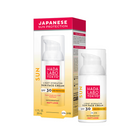
A morning version also needs a separate sun-protection decision. The Hada Labo Tokyo catalog includes face sun cream labelled SPF 50, but steaming does not provide sun protection and cleansing oil is rinsed off. In an evening routine, focus instead on a comfortable cleanse and the leave-on hydration steps you actually want to use.
FAQ
Should I use a facial steamer before cleansing oil?
You can steam before cleansing oil if heat feels comfortable on your skin, but steam is optional. Let your face cool and pat it dry before starting the oil cleanse.
Does cleansing oil work if I skip the facial steamer?
Yes, cleansing oil can be used without a facial steamer. Start with dry hands and dry skin, then follow the oil's directions for adding water and rinsing.
Should my face be wet after steaming when I apply cleansing oil?
No; pat away steam condensation before applying cleansing oil for a dry-skin oil cleanse. Add water at the rinse stage according to the product's directions.
Do I need a second cleanser after steaming and using cleansing oil?
A second cleanser is optional. Rinse the oil thoroughly first, then decide whether another cleanse suits your skin and what you need to remove.
Can facial steam open my pores before oil cleansing?
No, pores do not open and close like doors. Steam does not replace massaging and rinsing cleansing oil when you want to remove makeup or sunscreen.
Can I put cleansing oil in a facial steamer?
No, keep cleansing oil out of the steamer's water reservoir. Use the device according to its manufacturer, then apply oil to your skin after steaming.
What if steaming makes my skin red or uncomfortable?
Stop steaming if your skin feels hot, stings, or becomes uncomfortable. You can still follow the cleansing-oil routine without heat.
One last thing
The easiest improvement is not a longer steam session; it is a clear handoff from steam to dry-skin cleansing. In a 2026 routine, let your skin cool, pat it dry, and give the cleansing oil its own step. If steam causes discomfort, remove it altogether and keep the cleanse.


