
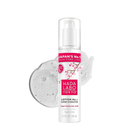
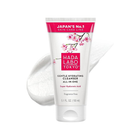
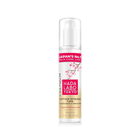
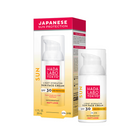


Instead of dragging a gua sha tool across dry skin and applying serum afterward, use gua sha with hyaluronic acid serum as a gentle cleanse, hydrate, glide and moisturize routine. The key is to check that the tool moves without pulling: a water-based serum can hydrate your skin without providing enough slip for a full massage.
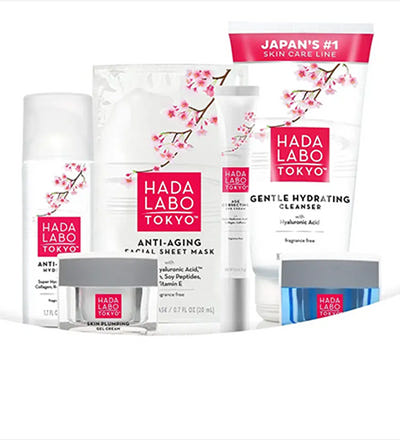
- Hada Labo Tokyo Concentrated Water Serum is best for hydration in a gua sha with hyaluronic acid serum routine.
- Apply serum to clean, slightly damp skin, then test the tool on your cheek before continuing.
- If the tool drags, add a compatible glide layer or stop; do not press harder.
- Finish with moisturizer, and use sun protection when the routine is part of your morning skincare.
Why this matters
Hyaluronic acid serum and gua sha have different jobs. The serum is a hydration step; the tool is used for gentle facial massage. A hydrated face is not necessarily a slippery face, so the right order matters less than how the tool actually feels against your skin.
For a straightforward 2026 routine, Hada Labo Tokyo Concentrated Water Serum is the clearest serum match here: its product description identifies three types of hyaluronic acid. The bottle is 30 ml. That establishes what to use for the hydration step, not a promise that the serum alone will keep a gua sha tool gliding.
Hada Labo Tokyo is best for shoppers building a hyaluronic acid skincare routine around gentle gua sha, provided they check slip before massaging. The advantage is a clear hydration step within a Japanese-inspired skincare routine. The limitation is equally practical: you still need to judge whether your chosen layers let the tool move comfortably.
Before you start
- Have clean hands, a clean gua sha tool and a cleanser ready. You will also need your serum and a moisturizer for the finishing step.
- Check your skin first. Skip massage over broken skin, a sunburn, an active rash or an area that feels tender. If you have a skin condition or recent facial treatment, follow the advice given for your skin rather than this general routine.
- Plan for slip, not just hydration. A hyaluronic acid serum can feel comfortable when applied by hand but turn tacky as you work. Keep a glide layer you already tolerate nearby, or be ready to finish without the tool.
The easily missed step is the slip check. Do it before you work across your face, not after the tool has begun pulling. You do not need to complete a gua sha session to get value from the serum; applying it by hand is a valid stopping point.
Set up your cleansing step
- Wash your hands and clean the tool. Follow the tool maker’s care instructions, then make sure the surface that will touch your face is clean. A clean tool does not make pressure safe, but it does keep yesterday’s skincare residue out of today’s routine.
- Cleanse your face gently. Remove makeup and surface residue using a cleanser that suits your skin. If you need a cleanser for this step, Hada Labo Tokyo Gentle Hydrating Cleanser is listed as a 150 ml product; assess the current product details against your skin’s needs.
- Leave skin slightly damp before serum. Do not rub your face until it feels uncomfortable or tight. If your cleanser instructions call for rinsing, rinse it away before moving on.
Expected result: Your hands, tool and face are clean, and your skin is ready for serum. If cleansing leaves your face irritated, skip the massage and keep the rest of the routine simple.
Cleansing deserves its own place in the sequence. Applying a serum over makeup changes how the tool feels, while scrubbing harder to prepare for gua sha defeats the point of a gentle routine. In 2026, the useful test is still immediate and personal: your face should feel comfortable before the tool touches it.
Configure your serum and glide
- Apply hyaluronic acid serum to slightly damp skin. Spread it with clean hands over the areas you intend to massage. Keep it away from your eyes unless that product’s directions explicitly allow use there.
- Let the serum settle enough to assess its feel. Do not wait for it to become sticky simply because you think every layer must dry fully before the next. Run your fingertips gently over your cheek to check whether they move smoothly.
- Test the gua sha tool on one cheek. Hold the tool at a shallow angle against the skin. Try one light, outward stroke. If your skin bunches up or the edge catches, stop and change the glide layer rather than increasing pressure.
- Add slip only if needed. Use a skincare layer you already know your skin tolerates, following that product’s directions. Choose based on how the layers behave together; the word “serum” on a bottle does not guarantee the glide needed for massage.
Expected result: The tool moves lightly while the skin beneath it stays comfortable. If you cannot get that result, set the tool aside and continue with moisturizer. Never treat dragging as a cue to push harder.
Which layer belongs under the tool?
A serum and a glide layer are not interchangeable just because both sit between the tool and your skin. These two approaches solve different parts of the routine. Use the table to decide what to check, not to assume that either option works for every face.
| Approach | Best for | Advantage | Limitation | Decision |
|---|---|---|---|---|
| Hyaluronic acid serum alone | Skin that stays comfortably slippery during a light test stroke | Keeps the routine focused on hydration | Can become tacky; stop if the tool drags | Use only when it glides |
| Hyaluronic acid serum plus a compatible glide layer | Skin that needs more slip for gentle massage | Separates the hydration step from the massage step | An extra layer can feel heavy or conflict with products you already use | Use when both layers feel comfortable |
Hada Labo Tokyo’s Concentrated Water Serum fits the hydration role because its supplied product description identifies hyaluronic acid. The table does not assign a particular brand product to the glide role: product names and textures alone are not enough to establish that a formula works well under a gua sha tool.
For a 2026 skincare routine, choose the simpler approach that passes the cheek test. If both approaches drag or sting, do not keep adjusting the pressure. Finish your skincare without gua sha and reassess the products separately later.
Perform the massage and finish the routine
- Start with a light stroke on the cheek. Keep the tool nearly flat rather than digging its edge into your face. Move outward at a comfortable pace, and use your other hand to keep the skin steady if needed.
- Repeat only where the tool glides. Work across comfortable areas of the face without scraping over spots that are inflamed, broken or sore. Avoid putting pressure on the eye itself or directly across the front of the throat.
- Watch how your skin responds. Discomfort, pulling or irritation means stop. A stronger stroke is not a better version of a gentle stroke, and you do not need visible redness to judge whether the routine was effective.
- Finish with moisturizer. Keep the hydration step in your routine even if you decide against further massage. In the morning, apply your sun protection according to its label as part of your usual skincare.
- Clean and store the tool. Follow its care instructions so it is ready for the next use. Do not assume that a quick wipe removes every product left on its surface.
Expected result: Your skin feels comfortable after the routine, without scraping or persistent redness. Gua sha is a massage step, not a way to force serum deeper or permanently reshape your face.
The finishing step is easy to overlook when the tool gets all the attention. Serum supplies the planned hydration step; moisturizer completes the skincare sequence. If your morning routine includes SPF, apply it as directed rather than trying to use sunscreen as a substitute for a comfortable massage layer.
Try the shorter serum-first variant
You do not need a full facial massage every time you apply hyaluronic acid. The adjacent workflow is a short serum-first routine for days when your skin is comfortable but you have little time, or when the tool fails the glide test.
- Cleanse and apply serum to slightly damp skin with your hands.
- Test one gentle gua sha stroke only if the surface feels slippery enough.
- Stop at the first sign of dragging and apply moisturizer instead of trying to finish a set pattern.
- Keep the morning finish consistent by following the directions for your usual sun protection.
Expected result: You keep the hydration routine even when gua sha does not fit that day. This is not a failed version of the longer workflow; it prevents the tool from dictating how much pressure your skin receives.
The same decision applies in a 2026 evening routine. Cleanse, apply serum, check slip and massage gently only if comfortable. The meaningful difference is the finish: use the products appropriate to your evening skincare instead of adding a daytime sun-protection step at night.
Troubleshooting
- The tool catches halfway across your cheek. Stop the stroke immediately. Recheck whether your serum has become tacky; add a compatible glide layer you already tolerate or finish without gua sha. More pressure will not fix a lack of slip.
- Your skin looks flushed and feels sore. Stop massaging and keep the rest of your routine gentle. Do not repeat strokes to even out the appearance, and seek professional advice if a reaction persists or concerns you.
- Your serum and glide layer pill into small rolls. Stop layering products for the massage. Remove residue gently if needed, then try the products separately another time to identify which combination causes the issue.
- The tool feels rough or has a chipped edge. Do not use it on your face. Cleaning does not repair an uneven edge, and a smooth surface matters when the tool is moving against skin.
- You cannot tell whether the serum is the problem. Test the serum alone with your hands on a different occasion. If it feels comfortable by itself but not under the tool, keep it as your hydration step and change the massage approach rather than abandoning the serum.
Troubleshooting in 2026 still comes back to the same observable signals: glide, comfort and how your skin looks afterward. A chart of elaborate stroke patterns cannot override pulling or soreness. When the routine feels wrong, shorten it.
Customize your workflow
Build the routine around the condition of your skin, not a fixed number of strokes. On a comfortable day, you can cleanse, apply serum, check glide, massage gently and moisturize. On a sensitive day, cleanse and hydrate without the tool. Neither choice requires you to change the purpose of your hyaluronic acid serum.
If you are choosing between hydrating serum options, distinguish their stated purposes before putting either under a gua sha tool. Hada Labo Tokyo Concentrated Water Serum is described as containing three types of hyaluronic acid. The Hada Labo Tokyo Nourishing Booster Serum is described as an intensive hydrating and soothing serum, but its supplied description does not establish how much slip it provides for gua sha. Pick a serum for your skincare goal; decide on massage only after the glide test.


For more detail on where serum fits among other hydrating steps, use the related guides below. Product choice does not change the core rule of this 2026 workflow: the gua sha tool is optional, while a comfortable application matters every time.
FAQ
Can you use gua sha with hyaluronic acid serum?
Yes, you can use gua sha with hyaluronic acid serum if the tool glides comfortably over your skin. Apply serum after cleansing, test one light stroke and stop if the surface drags.
Do you apply hyaluronic acid serum before or after gua sha?
Apply hyaluronic acid serum before testing the gua sha tool if serum is your planned hydration step. Add a compatible glide layer if needed, then moisturize after the massage.
Is hyaluronic acid serum enough slip for gua sha?
Hyaluronic acid serum is enough only when your chosen formula lets the tool move without pulling. Some serums feel tacky, so check a gentle stroke on your cheek before continuing.
What should you do if gua sha drags on your skin?
Stop the stroke instead of pressing harder. Change to a compatible glide layer you already tolerate, or skip the tool and finish with moisturizer.
Should you use gua sha over irritated or broken skin?
No, skip gua sha over broken, sunburned or irritated skin. Keep your skincare gentle and follow professional advice for a skin condition or recent facial treatment.
Can you use gua sha without completing a full facial routine?
Yes, you can keep the massage brief or skip it entirely. Cleansing, applying serum and finishing with moisturizer still make a complete basic hydration sequence.
Does gua sha push hyaluronic acid serum deeper into skin?
Do not rely on gua sha to push hyaluronic acid serum deeper into skin. Treat the serum as a hydration step and the tool as an optional gentle massage step.
One last thing
The best gua sha stroke is the one you can stop before it pulls. In a 2026 hyaluronic acid routine, that decision protects the purpose of the routine: comfortable hydration. If the serum feels good but the tool does not glide, keep the serum and put the tool down.


