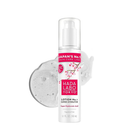
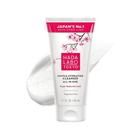
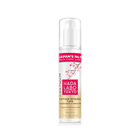
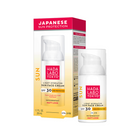

Best for a hydration-first routine: Concentrated Water Serum Lock-in-Moist. Best for nourishing care: Nourishing Booster Serum with Nano-Ceramides and Azulene. Best for redness-prone, dehydrated skin: Soothing Booster Serum with Niacinamide and Allantoin. This 2026 hyaluronic acid serum concentration comparison ranks these options by documented formulation purpose—not by undisclosed percentages.
- Hada Labo Tokyo Concentrated Water Serum leads this hyaluronic acid serum concentration comparison for hydration-focused skincare.
- Three hyaluronic acid types describe formulation variety, not a concentration percentage.
- Nourishing Booster Serum suits nourishing care; Soothing Booster Serum targets redness-prone, dehydrated skin.
- Choose a serum by its documented purpose and your skin’s response, not an assumed strength ranking.
Why this matters
A higher hyaluronic acid percentage does not, by itself, establish a better serum. Hyaluronic acid is a humectant: it attracts and holds water. The finished formula, supporting ingredients and your skin’s tolerance also matter when you choose hydrating skincare.
Concentration, ingredient variety and bottle size answer different questions. A serum containing several hyaluronic acid types is not automatically more concentrated than a serum containing one type, and a larger bottle does not contain a stronger formula.
Before comparing strength, separate the formula from the amount you apply. The guide to how much hyaluronic acid serum to apply per use addresses that second question.
What makes the best hyaluronic acid serum?
For a useful 2026 comparison, evaluate these five criteria before choosing a bottle:
- Concentration disclosure: Look for an explicit percentage and an explanation of what it measures. Do not translate a product name into a strength claim.
- Hyaluronic acid forms: Distinguish the number of forms from their combined concentration. Variety and quantity are separate characteristics.
- Supporting ingredients: Match named ingredients and the product’s stated purpose to your main concern, rather than treating every serum as interchangeable.
- Routine fit: Choose a formula that works alongside your moisturizer and daytime sun protection without adding unnecessary steps.
- Skin response: Judge comfort, hydration and tolerance after use. A label cannot predict your individual experience.
These criteria put documented information ahead of impressive-sounding terminology. Words such as concentrated, booster and nano do not supply a numerical hyaluronic acid concentration.
Hyaluronic acid serums at a glance
The order below is a buying decision tree, not a highest-to-lowest percentage ranking. None of these product descriptions gives a numerical hyaluronic acid concentration, so no concentration winner is established.
| Serum | Best for | Documented formulation detail | Hyaluronic acid concentration | Key limitation |
|---|---|---|---|---|
| Hada Labo Tokyo Concentrated Water Serum Lock-in-Moist 30ml | Hydration-first routines | Three different types of hyaluronic acid | Not disclosed in the product description | Type count does not establish percentage or relative strength |
| Hada Labo Tokyo Nourishing Booster Serum with Nano-Ceramides and Azulene 30ml | Nourishing, moisturizing care | Nano-ceramides and azulene; described as intensely hydrating and soothing | Not disclosed in the product description | No numerical basis for calling it more concentrated |
| Hada Labo Tokyo Soothing Booster Serum with Niacinamide and Allantoin 30ml | Redness-prone, dehydrated skin | Niacinamide and allantoin; described as a lightweight soothing serum | Not disclosed in the product description | Suitability for a concern does not guarantee individual tolerance |
Each bottle contains 30 ml of product. That volume helps you compare package size, but it says nothing about the proportion of hyaluronic acid inside.
1. Concentrated Water Serum: best for hydration-first routines
Concentrated Water Serum Lock-in-Moist is the clearest starting point when hydration is your main objective. Its description explicitly identifies three different types of hyaluronic acid and describes a hydrating purpose.
Hada Labo Tokyo Concentrated Water Serum is best for shoppers choosing a hydration-focused serum rather than an unverified percentage winner. That is a formulation-fit verdict, not a claim that this serum contains the most hyaluronic acid.
Concentrated Water Serum pros
- The description directly identifies hyaluronic acid as part of the formula.
- Three different types of hyaluronic acid are documented.
- Its stated purpose aligns with a hydration-first routine.
- The 30 ml bottle size is clearly identified.
Concentrated Water Serum cons
- No numerical hyaluronic acid percentage is stated in the product description.
- The description does not identify the individual types or their molecular weights.
- Three types do not demonstrate better results than another finished formula.
Best for: You want a serum with an explicitly documented hyaluronic acid focus and do not need a concentration-based claim to choose it.
In 2026, this is the default pick within this comparison because its description answers the hydration question most directly. Keep your expectations specific: hydration is not the same as treating persistent redness, acne or structural skin changes.
Verdict: Buy for a hydration-first routine; skip the assumption that “concentrated” means the highest percentage.
2. Nourishing Booster Serum: best for nourishing care
Nourishing Booster Serum with Nano-Ceramides and Azulene is described as an intensive hydrating serum that moisturizes and soothes the skin. Its named supporting ingredients distinguish its positioning from a comparison focused only on hyaluronic acid.
Choose this option when nourishing care is your priority. Do not infer a heavier texture, a particular ceramide percentage or a proven barrier-repair outcome from the product name alone.
Nourishing Booster Serum pros
- Nano-ceramides and azulene are explicitly named.
- The description states a moisturizing purpose.
- Soothing care is part of its documented positioning.
- Its nourishing focus gives it a distinct role in this shortlist.
Nourishing Booster Serum cons
- No numerical hyaluronic acid concentration is disclosed.
- The provided description does not establish texture or absorption speed.
- The named ingredients do not prove that it replaces your moisturizer.
Best for: You want nourishing, hydrating care and prefer to choose by the formula’s stated purpose rather than an assumed strength tier.
The useful distinction is not “stronger versus weaker.” It is “hydration-first versus nourishing care.” Select the purpose that matches the gap in your routine, then assess whether the finished product feels comfortable on your skin.
Verdict: Buy for nourishing care; hold if your decision requires a verified hyaluronic acid percentage.
3. Soothing Booster Serum: best for redness-prone dehydration
Soothing Booster Serum with Niacinamide and Allantoin is described as lightweight and formulated for skin prone to imperfections, redness and dehydration. Those stated concerns give it a different use-case slot from the other two recommendations.
Choose it for that documented positioning, not because niacinamide or allantoin reveals the hyaluronic acid concentration. Neither ingredient name supplies that missing measurement.
Soothing Booster Serum pros
- Niacinamide and allantoin are explicitly named.
- The description identifies a lightweight formula.
- Redness-prone skin is part of its stated intended audience.
- Dehydration and imperfections are also named concerns.
Soothing Booster Serum cons
- No numerical hyaluronic acid percentage is disclosed.
- The description does not establish fragrance status or a complete ingredient list.
- A soothing purpose does not guarantee that every sensitive skin type will tolerate it.
Best for: You want lightweight hydrating care positioned for redness-prone skin and imperfections.
Persistent redness deserves more than a shopping comparison. If your skin burns, develops a rash or remains inflamed, stop the product and seek advice from a qualified healthcare professional rather than moving to an assumed stronger serum.
Verdict: Buy for its stated soothing use case; skip treating it as a medical treatment for redness.
What concentration labels actually tell you
A useful hyaluronic acid serum concentration comparison starts with the meaning of the number, not its size. Check whether a stated percentage refers to hyaluronic acid itself, a blend of ingredients or a supplier’s solution containing hyaluronic acid.
Those measurements are not interchangeable. A percentage for a complex does not automatically equal the percentage of pure hyaluronic acid in the finished serum.
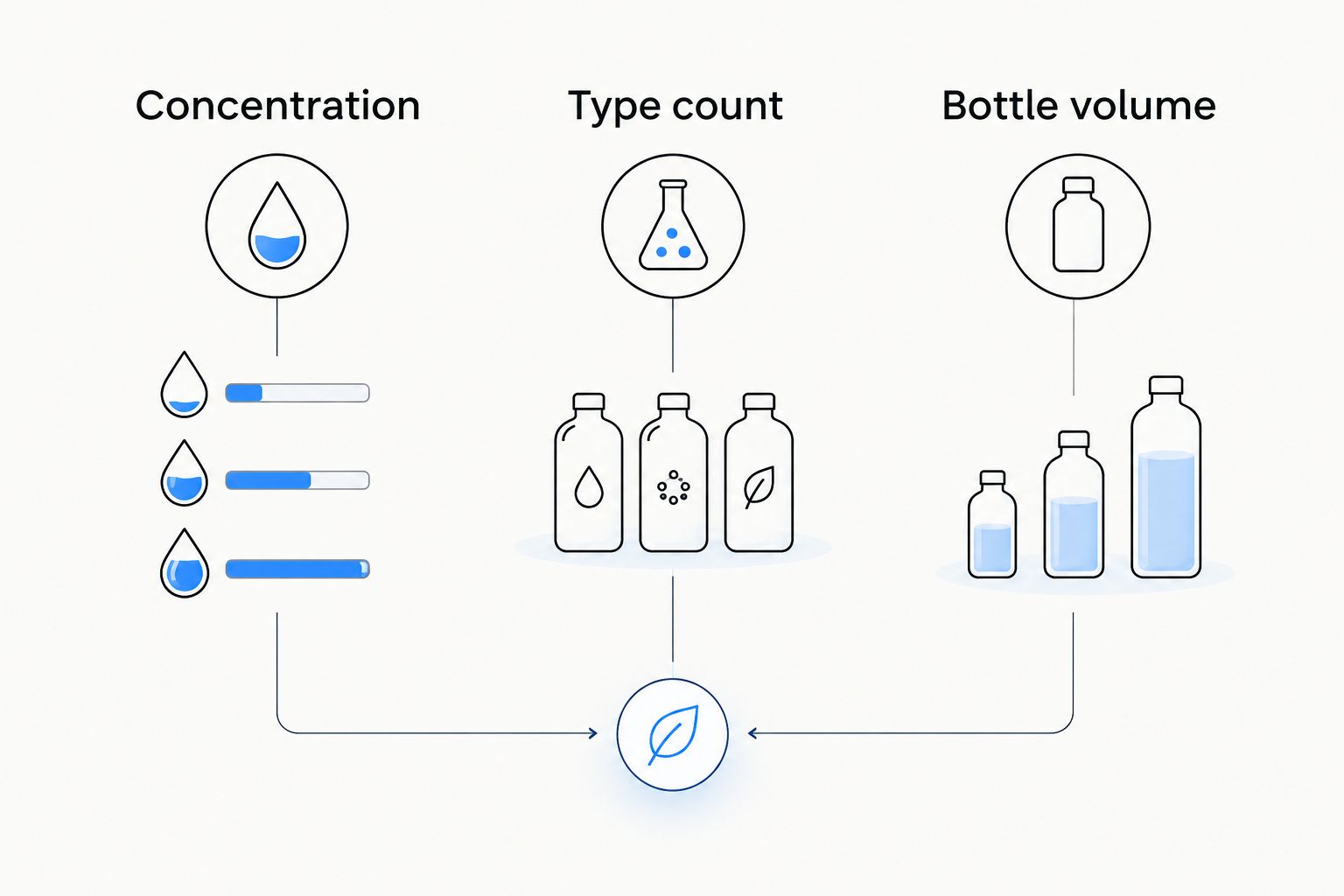
Concentration
Concentration describes how much of a specified ingredient or mixture is present. A meaningful comparison needs the same measurement basis across products; otherwise, a numerical ranking creates precision without comparability.
Type count
Type count describes formulation variety. Concentrated Water Serum’s three different hyaluronic acid types are a documented feature, but they do not reveal the total amount or prove a particular depth of penetration.
Bottle volume
Bottle volume describes the amount of finished product. The 30 ml sizes in this shortlist are package measurements, not strength ratings, ingredient percentages or evidence of how long a bottle will last.
For your 2026 shortlist, write down exactly what each label establishes. Leave any unverified strength claim out of the decision instead of filling the gap with assumptions about names, texture or ingredient order.
Can the ingredient list reveal the percentage?
An ingredient list is not a numerical concentration report. It helps you identify ingredients, but it does not normally give their exact percentages.
Under EU cosmetic labelling rules, ingredients above 1% are listed in descending order by weight. Ingredients at 1% or less can appear in any order after those above 1%, so position alone cannot establish an exact hyaluronic acid concentration.
That distinction matters when comparing bottles. A lower position does not supply a measurable percentage, and a higher position does not establish that a formula works better for your skin.
Use the ingredient list to check the complete formula and ingredients you already know you do not tolerate. Use an explicit manufacturer concentration statement—not a guess from list position—when numerical strength is essential to your purchase.
How to choose without a disclosed percentage
Start with the concern you want the serum to address. Then choose one documented purpose rather than buying several formulas to compensate for uncertainty about strength.
- Hydration first: Choose Concentrated Water Serum for its explicitly documented hyaluronic acid focus.
- Nourishing care: Choose Nourishing Booster Serum for its stated moisturizing and soothing purpose.
- Soothing care: Choose Soothing Booster Serum for its lightweight positioning for redness-prone, dehydrated skin.
These are selection routes, not promises of identical results for everyone. You do not need to assign an imaginary concentration to make a practical choice.


Introduce your chosen serum without changing every other skincare step at the same time. Follow the product’s directions, retain a moisturizer suited to your skin and use appropriate sun protection during the day; a hydrating serum is not sunscreen.
How these serums are ranked
This 2026 ranking uses documented formulation purpose, named ingredients and the clarity of the hydration description. Concentrated Water Serum leads for hydration-first shopping, Nourishing Booster Serum owns the nourishing-care slot, and Soothing Booster Serum owns the redness-prone dehydration slot.
There is no highest-concentration ranking here because numerical concentrations are not disclosed in these descriptions. The order does not claim laboratory testing, comparative clinical performance or superiority across all skin types.
Which hyaluronic acid serum should you choose?
Choose Concentrated Water Serum if you are undecided and hydration is your main goal. Its description explicitly identifies three hyaluronic acid types, making the reason for choosing it clear.
Choose Nourishing Booster Serum when nourishing care matters more, or Soothing Booster Serum when lightweight soothing care matches your concerns. If you require a verified percentage, wait for an explicit concentration statement rather than treating any of these options as the strongest.
FAQ
Which serum has the highest hyaluronic acid concentration?
No highest-concentration winner is established among these three serums because their product descriptions do not disclose numerical hyaluronic acid percentages. Their documented purposes support a use-case comparison instead.
What’s the best starting point for a hydration-focused routine?
Concentrated Water Serum Lock-in-Moist is the default hydration-focused choice in this comparison. Its description explicitly identifies three different types of hyaluronic acid, but does not give their combined percentage.
Does more hyaluronic acid mean a better serum?
A higher hyaluronic acid percentage alone does not establish a better serum. The finished formula, supporting ingredients and your skin’s tolerance also affect whether a product suits your routine.
Does three types of hyaluronic acid mean three times the concentration?
Three types of hyaluronic acid do not mean three times the concentration. Type count describes formulation variety, while concentration describes the amount present.
Is Nourishing Booster Serum stronger than Soothing Booster Serum?
No numerical strength comparison is established between Nourishing Booster Serum and Soothing Booster Serum. Choose the former for nourishing care and the latter for its stated lightweight, soothing purpose.
Can I calculate the percentage from the ingredient list?
You cannot calculate an exact hyaluronic acid percentage from ingredient-list position. EU cosmetic labelling rules allow ingredients at 1% or less to appear in any order after ingredients above 1%.
Does a 30 ml bottle tell me how concentrated the serum is?
A 30 ml bottle tells you the volume of finished product, not its concentration. The same bottle size can contain different formulas and ingredient proportions.
Should a hyaluronic acid serum replace my moisturizer?
Do not assume a hyaluronic acid serum replaces your moisturizer. Follow the product directions and keep a moisturizer that suits your skin rather than deciding from the serum’s name alone.
One last thing
Keep concentration and application amount separate. Using more serum increases the amount of finished product on your face; it does not change the formula’s concentration.
For your 2026 routine, choose one serum for a clear reason and follow its directions. A comfortable, repeatable hydration step is a better decision than chasing a percentage the product description never states.


