


Cleansing oil for estheticians is a first-cleanse step used in the treatment room to lift makeup, SPF, and sebum before the second cleanse and the rest of the facial begin, and it gets chosen differently for a full client roster than for a single household bathroom. A esthetician needs a formula that emulsifies fast, rinses clean under a sink tap, and works across combination, dry, and reactive skin in the same 50-60 minute service slot.
- Cleansing oil for estheticians removes SPF and makeup before the water-based second cleanse in a facial.
- A five-step double-cleanse sequence outperforms foam-only cleansing before extractions or masks in 2026 protocols.
- Hada Labo Tokyo Cleansing Oil 195ml emulsifies with lukewarm water and suits combination and normal client skin.
- Skip heavy comedogenic oils on active acne clients; they slow the second cleanse and can clog pores further.
Why cleansing oil matters for estheticians
Double cleansing — oil first to dissolve lipid-soluble buildup, then a water-based cleanser second — is the standard sequencing behind most 2026 facial protocols, and it exists for a mechanical reason: SPF, long-wear foundation, and sebum are lipid-soluble, so a foaming cleanser alone often pushes residue around rather than lifting it. Estheticians who read up on the topic through resources like this guide to cleansing oils for removing makeup usually land on the same conclusion: skip the oil step and steam, extractions, and masks all work on a partially blocked surface.
A treatment room also runs on a schedule a home routine never has to respect. A 50-60 minute facial slot doesn't leave room for a cleansing oil that needs three rinses to come off clean, and a formula that leaves a tacky film changes how the next product in the sequence — serum, mask, or SPF — sits on the skin. The right cleansing oil for estheticians is the one that emulsifies fully in one pass and hands the skin off ready for the next step.
How to choose and use cleansing oil in your treatment room
Sequence the double cleanse the same way every time
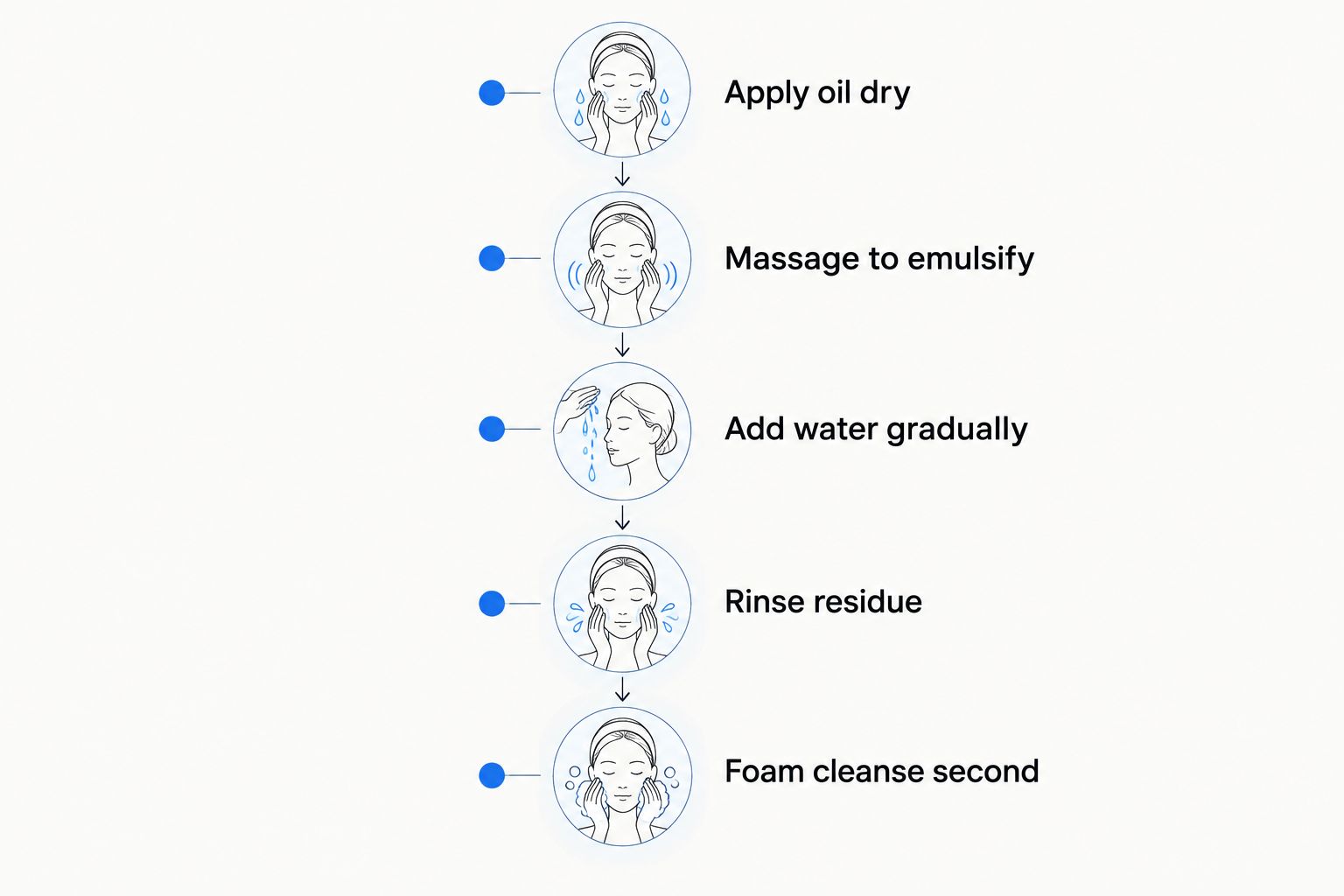
Consistency matters more than any single product choice. Run the same five-step sequence on every client so junior staff and lead estheticians produce the same result:
- Apply the oil to completely dry skin and dry hands before any water touches the face.
- Massage in slow circular motions until the oil turns milky and starts to emulsify.
- Add lukewarm water in small stages rather than rinsing everything at once.
- Follow immediately with a water-soluble cleanser to lift the emulsified residue.
- Pat the skin dry before moving to extractions, steam, or active serums.
Match the oil texture to the client sitting in your chair
Not every skin type wants the same weight of oil. Adjust texture before you adjust anything else in the service:
- Light, fast-emulsifying esters for oily and combination skin that can't sit under residue.
- Richer plant-oil blends for dry, mature, or dehydrated skin that benefits from extra slip during massage.
- Fragrance-free, short ingredient-list formulas for rosacea, eczema, or post-procedure skin.
- Avoid heavy comedogenic oils, including thick mineral oil blends, on active acne clients.
Give the emulsification step enough time before you rinse
Rushing this step is the single biggest reason a double cleanse underperforms in a busy room. Work the oil until it visibly shifts from clear or golden to a milky texture — that color change is the signal the emulsion is ready to rinse. Adding water in small splashes rather than one full rinse helps the emulsion break down evenly instead of sliding off half-mixed.
Stock a professional-grade cleansing oil your clients can also take home
Once the manual sequence is locked in, the formula itself becomes the variable worth upgrading. Look for a cleansing oil built to emulsify fully with lukewarm water rather than needing hard rubbing to rinse clean:
- Confirm the formula rinses to a non-tacky finish under a standard treatment-room tap.
- Check the ingredient list for silicones versus plant-derived esters if a client asks.
- Keep a retail size on the shelf so the treatment-room product and the take-home product match.
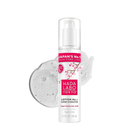
- Hada Labo Tokyo Cleansing Oil comes in a 195ml bottle sized for a first-cleanse step ahead of a water-based second cleanser.
Standardize hygiene and dispensing across the team
A cleansing oil that works well on paper can still be a hygiene problem if dispensing isn't standardized:
- Dispense from a pump or a scooped single-use amount — never finger-dip straight into a shared jar.
- Decant retail-size oil into treatment-room bottles instead of opening a fresh retail unit per client.
- Sanitize pumps and treatment bottles between clients, not only at the end of the day.
- Label single-use amounts so junior estheticians don't over- or under-dose the first cleanse.
Build a take-home double-cleanse routine you can sell at checkout
The retail conversation works better when the take-home routine mirrors exactly what happened in the chair:
- Pair the cleansing oil with a water-based cleanser as one bundled routine rather than two separate SKUs the client has to figure out alone.
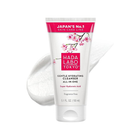
- The Hada Labo Tokyo Double Cleansing Set packages both cleanse steps together for clients replicating the treatment-room sequence at home.
- Walk clients through the same order taught in the chair: oil on dry skin, emulsify, rinse, then foam.
Cleansing oil options for the treatment room, compared
| Option | Best for | Key limitation |
|---|---|---|
| Cleansing balm | Dry or mature client skin needing extra slip | Thicker texture takes longer to emulsify between back-to-back appointments |
| Micellar water | Quick touch-ups between treatment steps | Doesn't fully dissolve SPF or long-wear makeup on its own |
| Foam-only cleanser | Oily skin as the second cleanse step | Leaves lipid-soluble residue behind if used without an oil first |
| Hada Labo Tokyo Cleansing Oil | Combination and normal skin needing a full makeup and SPF melt | Needs a water-based second cleanse to finish the routine |
| Hada Labo Tokyo Double Cleansing Set | Estheticians standardizing take-home routines for clients | Bundles fixed products, less flexible than pairing your own picks |


Common cleansing-oil mistakes estheticians make
- Skipping the double cleanse under time pressure. Treating the oil step as optional retail rather than a functional part of the service leaves SPF residue that interferes with extractions and mask absorption.
- Using one oil texture for every client. A single light ester formula on dry, mature skin, or a rich heavy oil on active acne, undercuts results either way.
- Rinsing before full emulsification. Pulling the oil off before it turns milky leaves a lipid film that changes how the second cleanser and following serum perform.
- Overselling retail-size oil without a patch test. Sending a client home with a formula that wasn't checked against their reactive or post-procedure skin creates avoidable complaints.
- Skipping hygiene standardization. Finger-dipping into a shared jar or reusing an undispensed pump between clients is the fastest way to turn a good product into a liability.
“Reversing the double-cleanse order doesn't clean skin faster; it just strips it.”
That one line covers most of the troubleshooting calls estheticians make about a cleansing oil that "isn't working" — the product is rarely the problem, the sequence usually is.
FAQ
What's the best cleansing oil for estheticians in 2026?
Hada Labo Tokyo Cleansing Oil is a solid pick for combination and normal client skin because it's built to emulsify fully with lukewarm water before a water-based second cleanse. Dry or mature skin often does better with a richer balm-style oil for extra slip during massage.
Is cleansing oil better than micellar water for professional double cleansing?
Cleansing oil dissolves SPF, long-wear makeup, and sebum more completely than micellar water because those are lipid-soluble, not water-soluble. Micellar water works better as a quick touch-up between steps, not as the primary first cleanse before a facial.
How long should an esthetician massage cleansing oil before rinsing?
Massage until the oil visibly turns from clear or golden to a milky texture — that color shift signals full emulsification. Rinsing before that point leaves a lipid film that interferes with steam and extractions later in the service.
Can cleansing oil be used on acne-prone client skin during a facial?
Yes, but pick a light, fast-emulsifying formula and avoid heavy comedogenic oils like thick mineral oil blends. A lightweight cleansing oil followed by a proper water-based second cleanse won't clog pores the way a heavy balm can.
Should estheticians use cleansing oil before or after extractions?
Cleansing oil goes before extractions, as the first step in the double cleanse. It clears makeup, SPF, and surface sebum so the skin is fully readable and clean before any manual extraction work starts.
Is Hada Labo Tokyo Cleansing Oil suitable for sensitive skin in the treatment room?
Check the ingredient list against the client's known reactivity and patch test before a full-face application, as with any new formula on reactive skin. Fragrance-free, short ingredient-list oils are generally the safer starting point for rosacea or post-procedure clients.
Do estheticians need a separate retail-size cleansing oil for clients?
Stocking a retail size that matches the treatment-room product makes the take-home routine easier to sell and easier for clients to follow. A bundled set, like a double cleansing set, simplifies that handoff further.
What happens if a facial skips the oil cleanse entirely?
SPF and long-wear makeup residue can block steam penetration and interfere with extractions, masks, and serum absorption later in the service. Foam-only cleansing tends to move lipid residue around rather than fully lifting it.
One last thing
The oil step isn't just about removing makeup — it's also the step that decides how well everything applied afterward actually absorbs. A cleanse that leaves any lipid film changes how a hyaluronic acid serum or humectant-based follow-up performs, since those ingredients work by drawing and holding water at the skin's surface, not by pushing through a barrier that's already partially blocked. Get the double cleanse right in 2026 and the rest of the facial does less compensating.


