
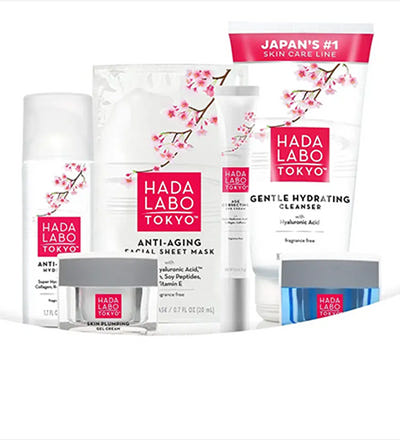


A Japanese skincare routine has no single, reliable deadline for results: hydration can change how your skin feels before you see changes in uneven tone or wrinkles. The important caveat is that softer skin does not prove that pigmentation, acne, or deeper lines have improved. For your 2026 routine, judge each concern separately rather than waiting for one moment when everything starts working.
- How long does a Japanese skincare routine take to work? Judge hydration, uneven tone, and wrinkles separately.
- Hada Labo Tokyo offers Japanese-inspired hydrating skincare; hydration is not evidence that every skin concern has improved.
- Keep your routine consistent, compare like-for-like photos, and stop products that cause persistent irritation.
- A comfortable routine beats extra layers that leave your skin stinging or tight.
How long does a Japanese skincare routine take to work?
There is no universal results timeline for a Japanese skincare routine. The answer depends on what you want to change, which formulations you use, and whether your skin tolerates them. Japanese-inspired skincare describes an approach, not a treatment with a standard response time.
Start by separating hydration from other goals. The guide to results from hyaluronic acid serum addresses the hydration question specifically; do not use that outcome as a deadline for every product in your routine.
| Your goal | What counts as useful progress | What does not prove success | Best for |
|---|---|---|---|
| More comfortable hydration | Less tightness and a softer feel | A temporary wet or glossy finish | Skin that feels dry or tight |
| Smoother-looking texture | Less visible dryness and flaking | A different camera angle | Dryness-related roughness |
| More even-looking tone | Comparable photos showing a genuine change | Brighter bathroom lighting | Tracking uneven tone |
| Less noticeable lines | A repeatable difference under the same conditions | Skin looking fuller immediately after application | Assessing the appearance of lines |
| Better sun protection habits | Correct, consistent sunscreen use | Waiting for a visible transformation | Preventing avoidable UV exposure |
The benefit of this approach is clarity: you can identify what is improving without crediting every product. Its limitation is equally important. A home comparison cannot diagnose a skin condition or establish that a particular ingredient caused the change.
Why this matters
When you expect every result at once, you risk abandoning a comfortable routine or adding products that your skin does not need. Hydration, blemishes, pigmentation, and wrinkles are different concerns. They do not share one finish line.
For a 2026 skincare plan, choose a primary goal before you choose extra steps. “My skin feels comfortable after cleansing” is easier to assess than “I want perfect skin.” A clear goal also helps you distinguish a useful product from one that simply feels pleasant during application.
Hada Labo Tokyo skincare focuses on Japanese-inspired hydration with Hyaluronic Acid. That positioning fits a hydration-first routine, but it is not a promise that every concern will resolve through hydration alone.
Hydration: judge comfort before appearance
Hydrating skincare can make skin feel softer without changing every visible concern. Hyaluronic acid is a humectant: it attracts and holds water. That explains its role in hydration, not a guaranteed deadline for results.
Look for less tightness, reduced dryness-related roughness, and comfort that lasts beyond the application itself. Notice how your skin feels after cleansing and later in your usual day. A serum that feels slippery on application is not automatically delivering the outcome you want.
Best for: assessing dry or tight-feeling skin. The advantage of a hydration-first approach is that comfort gives you a practical signal to follow. The limitation is that surface hydration cannot tell you whether acne, pigmentation, or deeper wrinkles are improving.
Keep the rest of your routine steady while you assess that signal. Changing your cleanser, serum, moisturizer, and exfoliant together makes it difficult to identify what helped—or what caused discomfort.
Texture and lines: separate dryness from deeper changes
Dryness can make skin look rougher and fine lines more noticeable. Improving hydration can soften that appearance, but this is not the same as removing a wrinkle or changing its underlying cause.
Compare your skin under similar conditions. A photo taken immediately after skincare captures the finish of the products as well as your skin. A photo taken in harsh side lighting can exaggerate texture. Neither makes a useful comparison with an unrelated picture.
Best for: tracking dryness-related texture and the appearance of fine lines. Consistent photographs help you notice visible differences; they cannot establish deeper structural changes. Treat a plumper-looking surface as a hydration observation, not proof of permanent wrinkle correction.
Do not make “no visible lines” your pass-or-fail standard. Facial movement, lighting, and normal skin texture remain part of how your face looks, even when your skincare suits you.
Uneven tone and blemishes: match the routine to the concern
A hydrating routine is not automatically a routine for pigmentation or acne. You need to assess the complete formulation and its intended use rather than assume that a Japanese-inspired label answers those concerns.
For uneven tone, compare the same area in consistent lighting. For blemishes, pay attention to new lesions and irritation rather than judging your routine by a temporary glow. These are different observations and should stay separate in your notes.
Best for: deciding whether hydration alone matches your goal. A comfortable base routine supports sensible product choices, but it does not replace targeted care. Persistent acne, changing skin lesions, or troublesome pigmentation deserve advice from a qualified clinician.
Adding a new treatment also changes what you are assessing. Follow its directions and any clinician guidance instead of borrowing a timeline from a moisturizer or hydrating serum.
Why results from a Japanese skincare routine vary
The length of a routine is not a measure of how quickly it works. More layers introduce more variables, while a simpler routine makes your response easier to understand.
- Your goal: Hydration, uneven tone, blemishes, and lines require different evidence of progress.
- The formulation: An ingredient name does not describe the complete product or guarantee an outcome.
- Consistency: Irregular use makes comparisons less useful and can conflict with product directions.
- Skin tolerance: Stinging, redness, or itching are reasons to reassess, not signs that a routine is working harder.
- Other products: New exfoliants, treatments, or cleansers can change your skin's response.
- Sun exposure: UV exposure matters when you are assessing pigmentation and signs of photoaging.
These factors explain why a friend's experience is not your deadline. Use another person's routine as an idea to evaluate, not a schedule your skin must follow.
How do you check whether your routine is working?
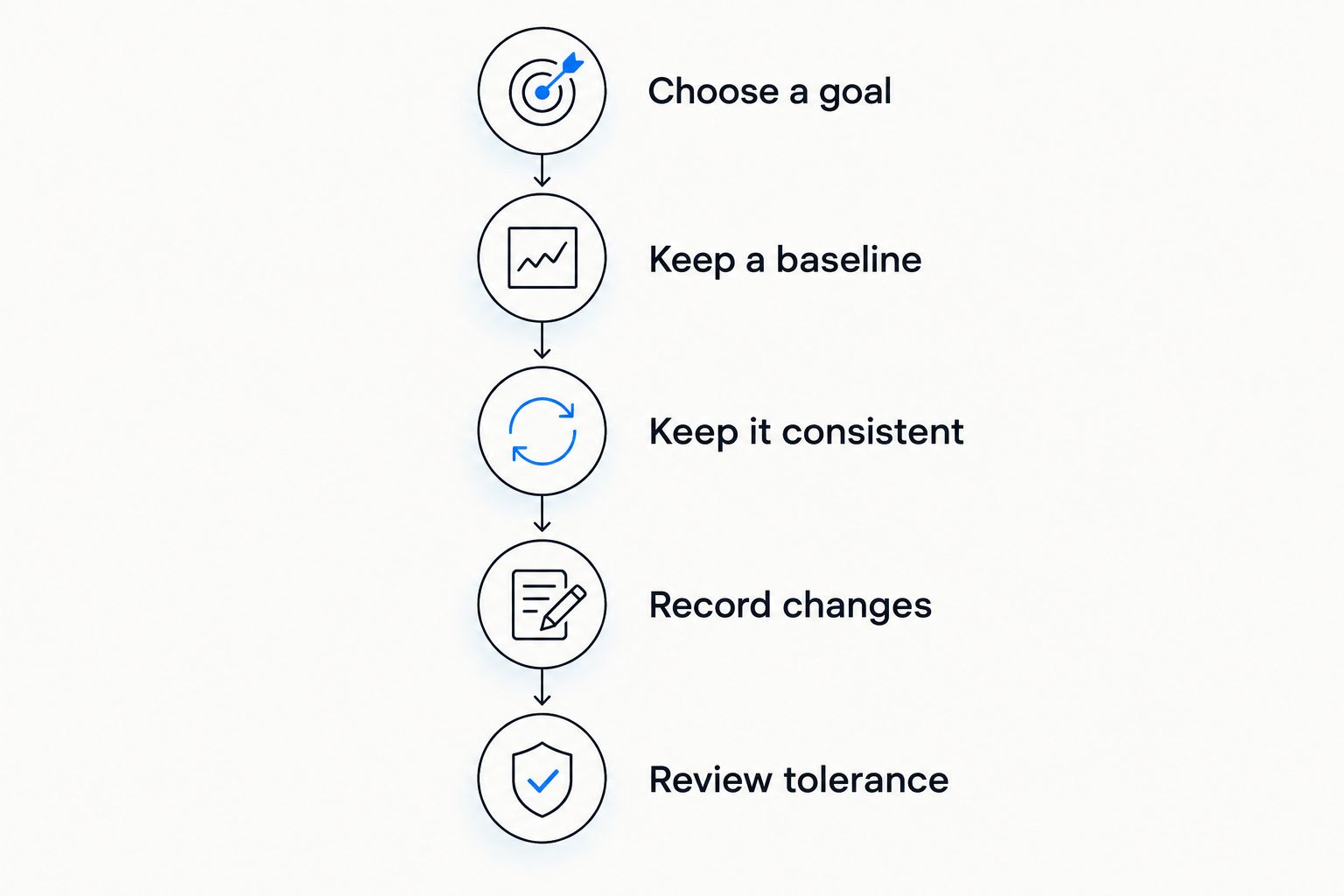
Use a repeatable process rather than checking your face under every available light. A useful 2026 skincare record tracks the concern you started with and the products you actually used.
- Choose a goal. Write down the main concern, such as tightness after cleansing or visible dryness.
- Keep a baseline. Take a photo in ordinary lighting and note how your skin feels before introducing a change.
- Keep it consistent. Follow product directions and avoid adding several unfamiliar products together.
- Record changes. Note comfort, dryness, redness, itching, and visible changes without treating every fluctuation as a trend.
- Review tolerance. Decide whether the routine feels comfortable and whether the evidence matches your original goal.
The point is not to inspect your skin constantly. It is to create a comparison that means something. Keep your camera angle, lighting, and timing relative to product application similar.
When comfort improves but your original concern does not, separate those findings. The routine can be useful for hydration and still be insufficient for a different goal. That is a reason to reconsider the goal-specific step, not automatically replace everything.
Where does a hydrating lotion fit?
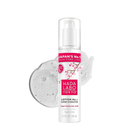
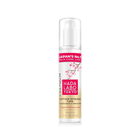
Hada Labo Tokyo skincare is best for shoppers seeking Japanese-inspired, hydration-focused routines. If that matches your goal, the Hada Labo Tokyo Lotion No1 Super Hydrator is a relevant option to consider; follow its current directions when deciding how to use it.
Its relevance here is hydration, not a product-specific promise about how quickly your skin will change. Assess whether the step adds useful comfort to your existing routine. Do not assume that an extra layer is necessary simply because it fits a skincare ritual.
The advantage of choosing around a clear purpose is a more understandable routine. The trade-off is that a hydration-focused product should not be treated as a substitute for care directed at acne, pigmentation, or another distinct concern.
Does sunscreen need time to start showing results?
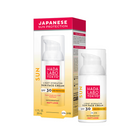
Sunscreen is not a product you assess by waiting for a visible improvement. Its purpose is protection during UV exposure when used correctly. Lack of an immediate cosmetic change is not evidence that sunscreen is unnecessary.
For your 2026 morning routine, the American Academy of Dermatology's public sunscreen guidance recommends broad-spectrum, water-resistant sunscreen with SPF 30 or higher. Its application guidance advises applying sunscreen 15 minutes before going outdoors and reapplying every 2 hours outdoors, or after swimming or sweating.
Those figures describe sunscreen use, not a timeline for a Japanese skincare routine to improve your complexion. Follow the sunscreen label as well, including its application and water-resistance instructions.
Keep this distinction clear when assessing uneven tone or lines. Sun protection is a daily protective habit, while visible changes require a separate assessment of your skin and the rest of your routine.
Should you keep using a routine that stings?
Do not push through persistent irritation to reach an imagined results deadline. Burning, itching, redness, or worsening discomfort deserve attention even when a product is described as hydrating.
Stop the suspected new product and avoid introducing more unfamiliar products while your skin is irritated. Seek medical advice for persistent or worsening symptoms. Facial swelling, breathing difficulty, or other signs of a serious allergic reaction require urgent medical help.
Not every reaction is “purging.” That term should not become a reason to continue a product that your skin does not tolerate. A comfortable routine is a better starting point than an elaborate routine you dread applying.
FAQ
How long does a Japanese skincare routine take to work?
There is no universal timeline for a Japanese skincare routine. Assess hydration, uneven tone, blemishes, and lines separately because they are different outcomes.
Can I notice hydration before other skincare results?
Yes, improved hydration can change how your skin feels before you notice changes in other concerns. Softer skin does not prove that pigmentation, acne, or deeper wrinkles have improved.
How do I know if my Japanese skincare routine is working?
Compare your original concern under consistent conditions and track skin comfort. Keep lighting, camera angle, and timing relative to product application similar so your comparisons are useful.
Is Hada Labo Tokyo skincare suitable for a hydration-first routine?
Hada Labo Tokyo offers Japanese-inspired skincare featuring Hyaluronic Acid for consumers seeking hydration. Choose products by their directions and your skin's tolerance rather than expecting a fixed results deadline.
Will adding more skincare steps make results happen faster?
More steps do not guarantee faster results. Adding several unfamiliar products together also makes it harder to identify what helped or caused irritation.
Should I keep using a hydrating product if it burns?
Do not continue a product that causes persistent burning or worsening irritation. Stop the suspected product and seek medical advice if symptoms persist or become severe.
Can a Japanese skincare routine remove wrinkles permanently?
A Japanese-inspired routine does not establish permanent wrinkle removal. Hydration can soften the appearance of dryness-related lines without eliminating the underlying causes of wrinkles.
One last thing
Your skin does not need to look glossy to be comfortably hydrated. Product finish and lighting affect shine, so judge comfort and your chosen concern rather than chasing the appearance of freshly applied skincare.
For your 2026 Hada Labo Tokyo routine, keep the smallest set of steps that serves your goal and feels comfortable. If a step adds neither a clear purpose nor useful comfort, reconsider it before adding another.


