


Double cleansing is better than single cleansing when your first wash leaves makeup or water-resistant sunscreen behind; otherwise, one effective, gentle cleanse is enough. An extra wash also adds contact with cleansing ingredients and creates more opportunity for dryness or irritation. For your 2026 routine, choose the fewest cleansing steps that remove what you wore without leaving your skin uncomfortable.
- Is double cleansing better than single cleansing? Only when one gentle cleanse leaves makeup or sunscreen residue.
- Single cleansing is best for lighter removal needs; double cleansing is best for persistent makeup or water-resistant sunscreen.
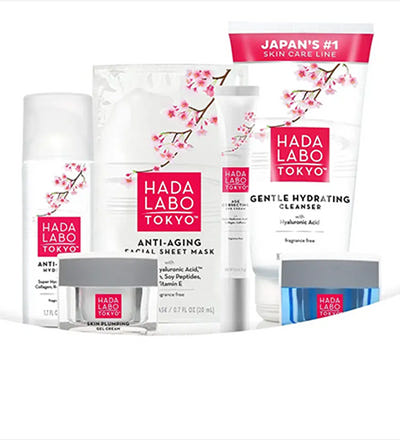
- Hada Labo Tokyo offers cleansing options for a hydration-focused skincare routine; choose by removal needs, not step count.
- Tightness, stinging, and redness are reasons to reassess your cleansing routine, not signs of a better clean.
Why this matters
A clean face should not feel stripped. Cleansing removes surface material, but repeated washing also exposes your skin to more surfactants, water, and handling. The useful question is not how many steps a routine contains; it is whether those steps do a necessary job.
A useful 2026 routine separates removal from hydration. Remove the products you wore, rinse thoroughly, then apply your usual moisturizer. Adding another cleanser does not replace moisturizing, and applying a hydrating serum afterward does not make an irritating wash appropriate.
If you need help with the sequence, the cleansing oil and double-cleansing workflow focuses on the practical order. The comparison below helps you decide whether that sequence belongs in your routine at all.
Is double cleansing better than single cleansing?
Double cleansing wins on removal when one cleanser struggles with what you wore; single cleansing wins on simplicity when it already works. Neither method is automatically gentler. The formulas you choose and how you use them matter more than the label on the routine.
| Method | Best for | Main advantage | Main limitation |
|---|---|---|---|
| Single cleansing | Light removal needs that one suitable cleanser handles | Fewer products and less handling | Leaves residue if the cleanser does not suit the makeup or sunscreen |
| Double cleansing | Makeup or water-resistant sunscreen that remains after one wash | Separates initial removal from the final wash | Adds another exposure to cleansing ingredients and more handling |
Double cleansing usually starts with a makeup-removing cleansing oil or balm, followed by a rinse-off cleanser. The first step helps loosen oily, film-forming material; the second removes remaining residue. Follow each product's directions, because application and rinsing instructions differ.
Single cleansing uses one suitable cleansing product for the job. That product does not have to be a foaming wash. A cleanser that removes your makeup and rinses away comfortably can be enough without an automatic second step.
This is a practical comparison, not a promise that more cleansing prevents acne, improves wrinkles, or makes skincare work better. Those outcomes involve more than surface removal. Do not add a second wash to chase benefits that cleansing alone cannot guarantee.
Single cleansing in 2026: 1 cleansing step
Best for: evenings when one suitable cleanser removes what you wore without irritation. Single cleansing is also the simpler starting point when your skin feels dry, reactive, or uncomfortable after washing. Simpler does not mean ineffective.
Use the cleanser according to its directions and rinse thoroughly with lukewarm water. Work gently around the hairline, sides of the nose, and jaw, where product is easy to overlook. Avoid compensating for a poorly matched cleanser with vigorous rubbing or hotter water.
The advantage is straightforward: one product, one cleansing step, and less handling. The limitation appears when that product cannot remove your particular makeup or sunscreen. A wash that leaves visible foundation behind needs a different removal strategy, not a claim that single cleansing always works.
Judge the result before adding more products. Check for visible makeup, rinse away cleanser residue, and notice whether your skin feels comfortable once dry. A soft or moisturized feeling is not, by itself, proof that your face is dirty.
Recommendation: keep single cleansing if it meets both tests—adequate removal and comfortable skin. Changing a successful routine solely to match a trend adds complexity without a clear purpose.
Double cleansing in 2026: 2 cleansing steps
Best for: evenings when makeup or water-resistant sunscreen needs a separate removal step. Double cleansing gives each product a specific task. It should not mean repeating an aggressive wash until your skin feels squeaky.
Start with a product intended to remove the material you wore. Then use a suitable second cleanser if the first step leaves residue or its instructions call for another wash. A facial oil designed to nourish skin is not automatically a cleansing oil; check the product's stated purpose.
The benefit is targeted removal without trying to make one unsuitable cleanser do everything. The drawback is extra handling and exposure to cleansing ingredients. Two individually gentle products can still produce an uncomfortable routine when used unnecessarily or with too much rubbing.
Water resistance is a useful reason to assess your removal method, but the presence of sunscreen does not automatically require double cleansing. Some cleansers remove a particular sunscreen adequately on their own. Choose according to the combination you actually use.
Recommendation: use double cleansing selectively, not as an obligation every morning and evening. Your removal needs change with what you wear, so your evening routine can change too.
Why the better choice varies
Your skin type matters, but it does not decide the answer alone. These factors explain why the same cleansing method works well on one evening and feels excessive on another:
- What you wore: foundation, concealer, and eye makeup create different removal needs from a bare face.
- Water resistance: products designed to resist water need a cleanser suited to their removal; water alone is not the test.
- Cleanser formulation: a product's removal ability and tolerability depend on its formula, not simply whether it foams.
- Skin comfort: tightness, stinging, and persistent redness are reasons to reduce irritation rather than intensify washing.
- Technique: hot water, abrasive tools, and repeated rubbing add stress regardless of whether you use one cleanser or two.
- Time of day: an evening makeup-removal routine serves a different purpose from cleansing after waking.
The most useful distinction is between a removal problem and a comfort problem. Visible makeup left behind suggests that your cleanser or technique needs adjustment. Burning or tightness suggests that doing more of the same is the wrong response.
How do you choose the right method tonight?
Use a short decision process rather than assigning yourself a permanent cleansing category. You can single cleanse on a makeup-free evening and use a separate removal step after wearing more persistent products.
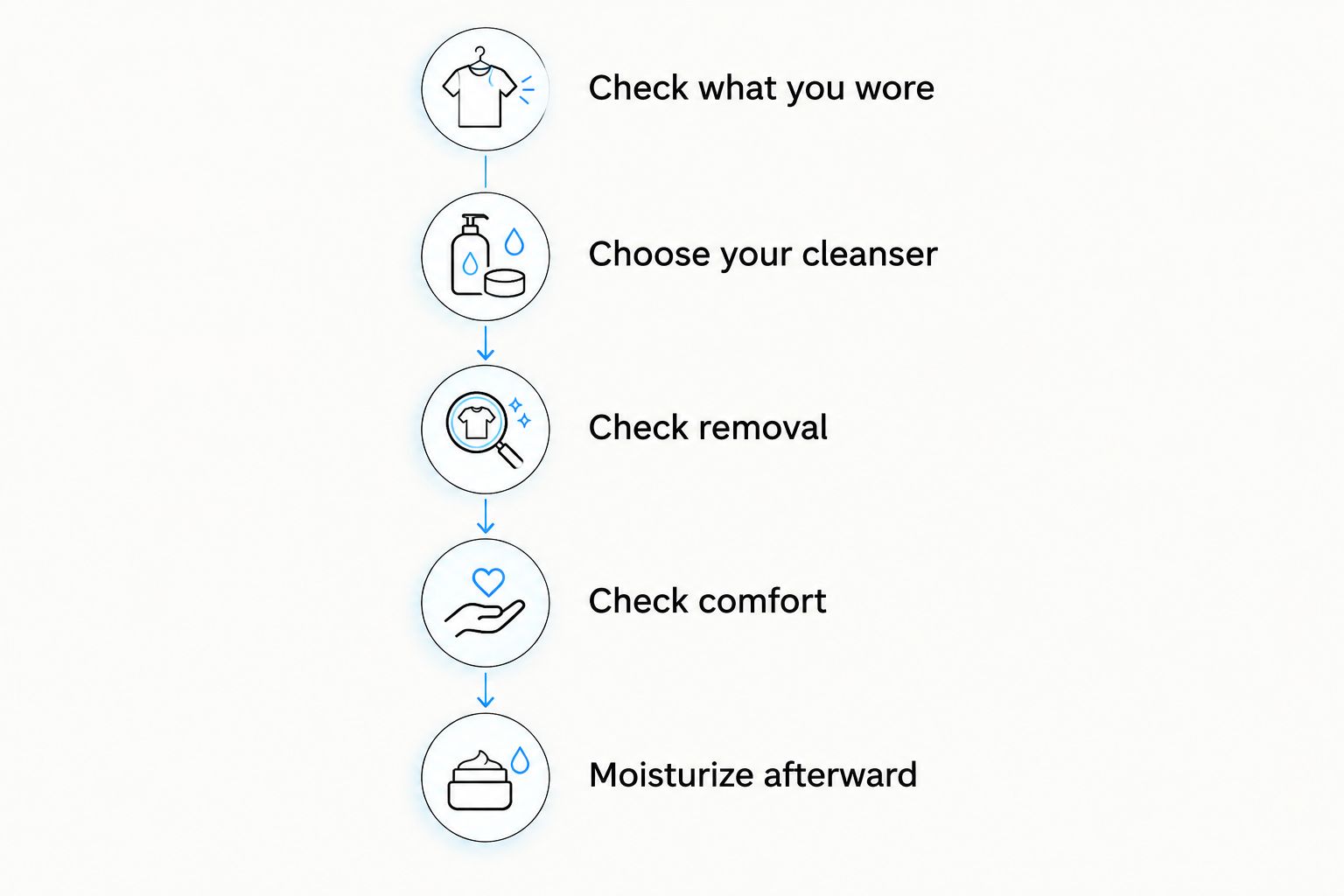
- Check what you wore. Identify makeup, sunscreen, and any products that resist water. Do not assume an oily-looking face needs the strongest available wash.
- Choose your cleanser. Use a product intended for the material you need to remove. Check whether its directions specify dry or damp skin and how it should be rinsed.
- Check removal. Look for visible makeup at the hairline, jaw, and around the eyes without rubbing those areas repeatedly. Do not scrub until your skin squeaks.
- Check comfort. Notice tightness, burning, or redness after rinsing. A second cleanser should solve a removal need, not worsen discomfort.
- Moisturize afterward. Follow with a moisturizer that suits your skin. Keep the rest of the routine simple if washing has left your skin irritated.
If your cleanser does not remove a product, change the removal approach before increasing pressure or repeating the same wash. If removal is adequate but your face feels uncomfortable, reconsider the cleanser and technique. These are different problems with different next steps.
Choosing cleansing products without adding unnecessary steps
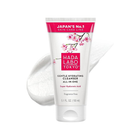
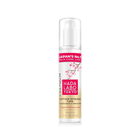
Hada Labo Tokyo skincare is best for shoppers seeking a hydration-focused routine inspired by Japanese skincare rituals. That positioning does not mean every shopper needs double cleansing. Choose a cleansing product for its stated job, and assess comfort rather than assuming a hydrating skincare range makes every routine suitable for every face.
| Product | Best for | Relevant benefit | Limitation to consider |
|---|---|---|---|
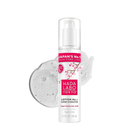
| Hada Labo Tokyo Cleansing Oil Make-up Removing 195ml | Shoppers looking for a makeup-removing cleansing oil | Its stated purpose matches an initial makeup-removal step | A product name does not establish suitability for sensitive eyes or every skin type |
| Hada Labo Tokyo Double Cleansing Set | Shoppers considering a double-cleansing routine | It is presented as a set for double cleansing | Check the listed contents and individual directions; a set is unnecessary if one cleanser already works |
Choose the cleansing oil when its stated purpose matches your removal needs. Consider the set only after deciding that a separate removal step is useful. Neither choice should be treated as a reason to wash more frequently or rub your skin harder.


Do you need to double cleanse if you only wear sunscreen?
One effective cleansing step is enough when it removes your sunscreen comfortably. Water-resistant sunscreen gives you a reason to check your cleanser's removal directions, not an automatic instruction to use two products. Add a separate removal step if your current method leaves residue.
Is double cleansing better for oily skin?
Two cleansing steps are not automatically better for oily skin. Oily skin still needs a tolerable cleanser and appropriate moisturizing. Base the second step on makeup or sunscreen removal, not on the idea that all natural skin oil must be eliminated.
Should you double cleanse morning and night?
Two cleansing steps are usually aimed at evening product removal, not a fixed morning requirement. After waking, assess your skin and use a gentle approach suited to it. Do not repeat an evening makeup-removal routine simply because it worked the night before.
Common mistakes that make either method feel harsh
The biggest mistake is treating tightness as proof of cleanliness. That sensation is a reason to review your wash, especially when it comes with stinging or redness. Your face does not need to feel dry to be clean.
Another mistake is changing several things together. Adding a removal product, switching your second cleanser, and introducing an exfoliant at the same time makes it harder to identify what causes discomfort. Keep the rest of your routine steady while assessing a cleansing change.
Avoid treating your eye area like the rest of your face. Use products according to their eye-area directions, keep cleanser out of your eyes, and stop if it causes burning. Persistent eye irritation or ongoing skin redness needs professional advice rather than another cleansing experiment.
FAQ
Is double cleansing better than single cleansing for everyone?
No. Double cleansing is useful when one suitable cleanser leaves makeup or sunscreen residue, while single cleansing is enough when it removes those products comfortably.
Can I double cleanse if my skin is dry?
Dry skin does not automatically rule out double cleansing, but an unnecessary second wash adds exposure to cleansing ingredients. Use a separate removal step only when needed, choose tolerable products, and moisturize afterward.
Does double cleansing prevent acne?
Double cleansing does not guarantee acne prevention. It removes surface products, but acne treatment requires more than cleansing; persistent breakouts deserve advice from a qualified clinician.
Can I use the same face wash twice instead of cleansing oil?
Washing twice with the same product is not the same strategy as using a separate makeup remover followed by a cleanser. If one wash fails to remove your makeup, choose a better-matched removal product instead of automatically repeating it.
Do I need a foaming cleanser for the second step?
No. The second cleanser needs to remove remaining residue and suit your skin; foam alone does not establish cleaning performance or gentleness.
Should my face feel squeaky clean after cleansing?
No. A squeaky or tight feeling is not a necessary sign of effective cleansing. Aim for adequate removal without burning, persistent redness, or uncomfortable dryness.
How do I know whether to stop double cleansing?
Reassess double cleansing if your skin becomes tight, stings, or develops persistent redness. Simplify the routine, stop irritating products, and seek professional advice if symptoms continue.
One last thing
Your cleansing method does not have to be a permanent identity. The most useful 2026 recommendation is to match the wash to the day: lighter removal when you wore less, a separate removal step when needed, and gentle handling either way.
Choose the minimum effective cleanse, then protect comfort with moisturizing. A longer routine is not proof of better skincare, and a shorter routine is not a compromise when it does the job.


