
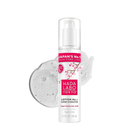
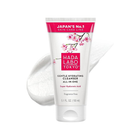


Yes, micellar water can be enough to clean your face after a light day, especially when you have little or no makeup to remove. After heavier makeup or sunscreen, use it as a first step and follow with a rinse-off cleanser; what matters is whether the whole routine removes what you wore without leaving your skin uncomfortable.
- Is micellar water enough to clean your face? Yes after a light day; heavy makeup or sunscreen calls for a rinse-off cleanser too.
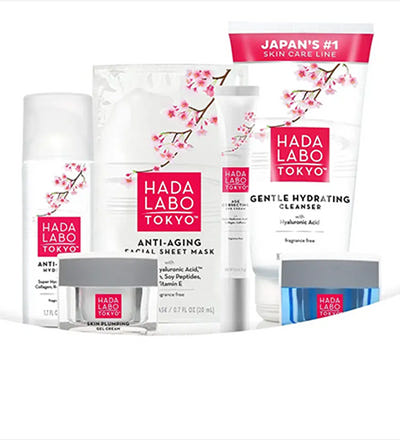
- Hada Labo Tokyo micellar water is best as a quick first cleanse when you want to remove makeup before washing.
- If your skin feels tight after cleansing, change how you cleanse before adding more products.
Is micellar water enough to clean your face?
Micellar water alone is a reasonable choice for a light cleanse. If you wore heavier makeup or sunscreen, treat it as the first step rather than assuming one pass has finished the job. In 2026, the useful question is not whether everyone needs to double cleanse; it is whether your cleansing method suits what you put on your face that day.
| What was on your face? | Starting approach | Advantage | Limitation |
|---|---|---|---|
| Little or no makeup | Micellar water, applied gently with a pad | Quick and simple | You still need to check whether your skin feels clean and comfortable |
| Everyday makeup | Hada Labo Tokyo Micellar Water Make-up Removing 400ml, then reassess | A practical first step for makeup removal | One pass does not prove that every trace is gone |
| Heavier makeup or sunscreen | Micellar water followed by a rinse-off cleanser | Gives you a second cleansing step | Extra washing and rubbing can leave skin uncomfortable |
The table is a decision guide, not a rule that every face needs the same routine. Pay particular attention to areas where makeup remains visible, such as the lash line and around the nose. If a pad keeps picking up colour, you have not finished removing that makeup. If your skin feels tight after you wash, adding more cleansing is not the answer.
Why this matters
Cleansing clears the way for the rest of your routine, but more cleansing is not automatically better. Makeup removal, face washing and hydration do different jobs. A micellar-water pad can lift makeup from the skin; a rinse-off cleanser gives you another way to wash away what remains. Neither step replaces a moisturizer when your skin needs one.
That distinction keeps a 2026 skincare routine straightforward. You can choose a shorter routine on a makeup-free day and a more thorough one after wearing sunscreen or heavier makeup. You do not need to turn every evening into an elaborate sequence to make a sensible choice.
When is micellar water alone enough?
Start with what you wore, then look at how your skin responds. On a day with little or no makeup, micellar water can be your only cleansing step if it leaves your face feeling clean and comfortable. It is also a practical option when you want to remove light makeup without starting with a full wash.
Use a fresh area of the pad as it picks up residue. Wipe gently rather than trying to scrub your skin clean. Around the eyes, take care not to drag the pad across the skin or get product into your eyes. Follow the directions on the micellar water you use, including any instruction about rinsing.
Best for: a quick, light cleanse when you have little to remove. Limitation: a comfortable finish matters more than the convenience of stopping after one step. If makeup is still visible, continue cleansing. If your face feels sticky or irritated, change your approach rather than treating that feeling as proof that the product is working.
When should you follow micellar water with a cleanser?
Follow with a rinse-off cleanser when you have worn heavier makeup, used sunscreen or still see residue after removing makeup. Micellar water does the initial removal; washing finishes the routine. You can also skip micellar water and begin with a cleanser if you have no makeup to take off.
For a 2026 evening routine, the goal is clean, comfortable skin, not the maximum number of cleansing steps. Use gentle movements and pay attention to the areas where products tend to remain visible. Do not keep rubbing the same spot with a pad to avoid washing your face.
Double cleansing has a clear benefit when the first pass leaves makeup behind: it gives you another step to remove it. Its drawback is equally clear. If you scrub, wash repeatedly or keep adding steps despite discomfort, your routine stops serving your skin. Choose the amount of cleansing your day calls for, then stop.
How do you use micellar water in a cleansing routine?
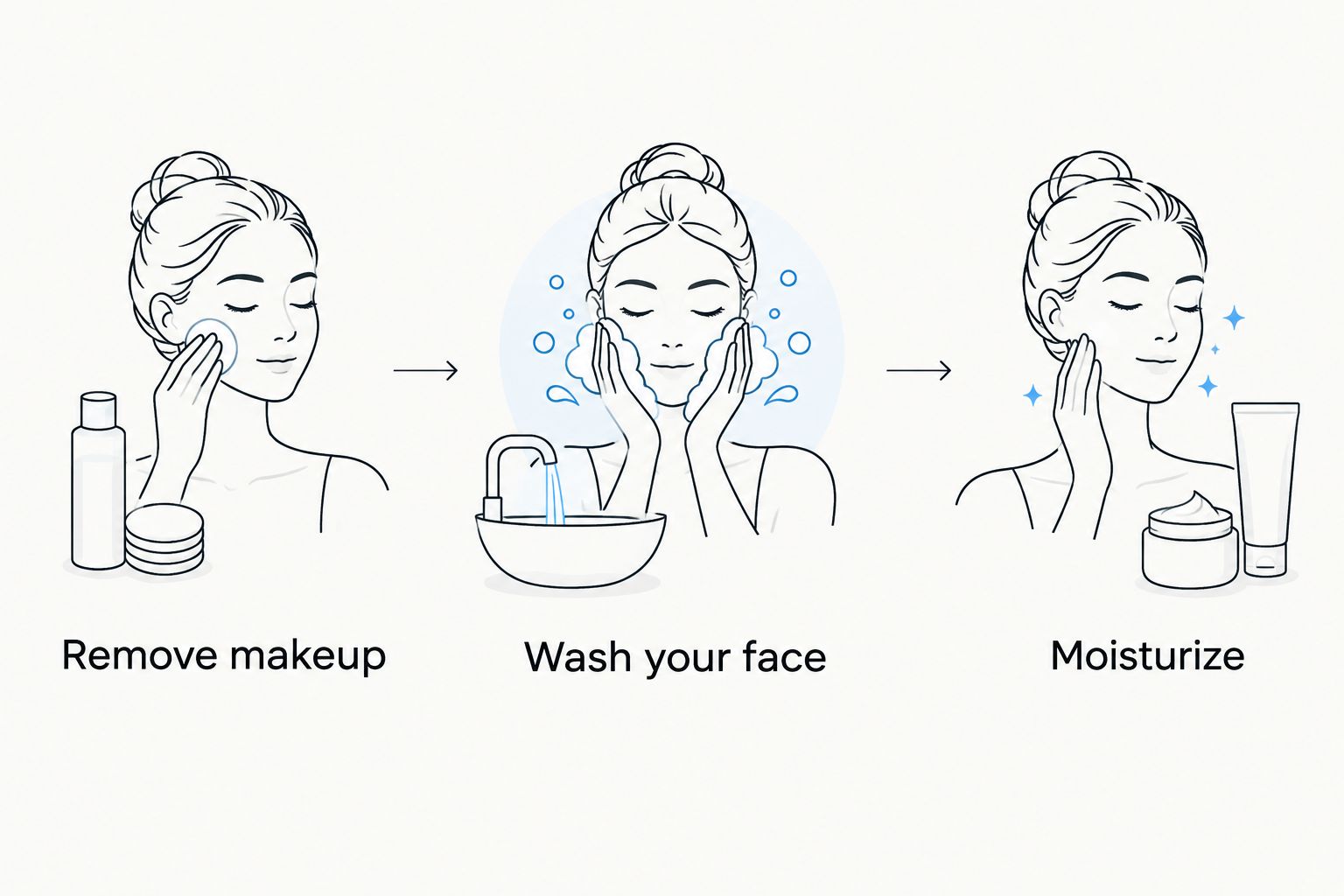
You can build a routine around three distinct jobs: remove what you wore, wash if needed and moisturize afterward. That order lets you decide whether the middle step is necessary rather than treating it as compulsory.
- Remove makeup. Apply micellar water to a pad and gently wipe the face. Use a clean area of the pad as it collects makeup. Take extra care around the eyes and follow the product's directions.
- Wash your face. If you wore heavier makeup or sunscreen, or you still notice residue, use a rinse-off cleanser such as Hada Labo Tokyo Gentle Hydrating Cleanser 150ml. Rinse as directed rather than repeatedly wiping the same area.
- Moisturize. Once your face is clean, continue with a moisturizer that suits your skin. Cleansing removes what you want off your face; moisturizing is a separate step in a hydration routine.
On a light day, you can stop after makeup removal if your skin feels clean and the micellar water's instructions support that use. On a heavier day, keep the wash step. The difference is what was on your skin, not a fixed rule about how many products a good routine must contain.
Hada Labo Tokyo micellar water is best for a quick, light cleanse; add a rinse-off cleanser when makeup or sunscreen needs more attention. That is a useful way to choose products, not a promise that one formula will feel the same on every face. If you are assembling the steps together, keep makeup removal and face washing distinct rather than buying several products to do the same job.


Why does the answer vary from one day to another?
There is no single yes-or-no rule for every evening. Make the decision using factors you can actually observe in your own routine:
- How much makeup you wore. A bare face and a face with visible makeup give you different removal tasks. If colour remains on your skin or pad, keep cleansing gently.
- Whether you wore sunscreen. Include sunscreen when deciding how thoroughly to cleanse that evening, rather than judging the job by makeup alone.
- Whether you see residue. Check the areas where you applied products. A clean-looking pad is one clue; visible residue on your face is a reason to continue.
- How your skin feels afterward. Clean and comfortable is a better stopping point than tight or irritated. Discomfort is a reason to rethink the routine, not add another pass by default.
- The directions on your product. Micellar waters are not interchangeable instructions. Use yours as directed, particularly when deciding whether to rinse.
This is why two people can give different, honest answers to the same question in 2026. One is removing little from the skin; the other is taking off makeup and sunscreen. Your routine needs to answer your own cleansing task.
Should you rinse your face after using micellar water?
Follow the directions for your micellar water. If it instructs you to rinse, rinse. If it does not require rinsing and your skin feels clean and comfortable, you do not need to add a wash solely because someone else's routine includes one.
Rinsing also makes sense when you are moving on to a rinse-off cleanser. If your skin feels uncomfortable after using micellar water, wash gently and reconsider how much product or friction you used. Do not treat a no-rinse instruction as a reason to ignore irritation.
Can micellar water replace a face wash?
Yes, for some light-cleansing days; no, not as a blanket replacement for every routine. Micellar water can handle the removal you need on a day with little on your face. A face wash remains useful when you want a rinse-off step after heavier makeup or sunscreen.
The distinction is practical. If micellar water leaves residue behind, calling it your only cleanser does not make your face clean. If a single gentle pass leaves you comfortable on a light day, adding a second wash offers no automatic benefit. In 2026, choose by the result you need rather than by a fixed product count.
Is micellar water enough if you have sensitive skin?
It can be, but judge it by your skin's response and the product directions. Gentle application matters: press and wipe without scrubbing, especially near the eyes. Stop using a product that causes persistent discomfort and seek professional advice if irritation continues.
Sensitive skin is not a reason to leave makeup visibly behind, nor is it a reason to wash repeatedly. On a day when you need a second step, use a gentle rinse-off cleanser and keep the process simple. On a lighter day, avoid adding steps just to meet a routine you saw elsewhere.
FAQ
Is micellar water enough to clean your face if you do not wear makeup?
Yes, micellar water can be enough for a light cleanse when you have little on your face. Follow its directions and check that your skin feels clean and comfortable.
Is micellar water enough to remove sunscreen?
Do not assume one pass of micellar water has removed all your sunscreen. If you notice residue or want a rinse-off step, follow it with a cleanser.
Should you use face wash after micellar water?
Use face wash after micellar water when you wore heavier makeup or sunscreen, or when residue remains. A second wash is not automatically necessary after a light day.
Do you need to rinse off micellar water?
Follow the rinse instructions on the micellar water you use. If your skin feels uncomfortable, wash gently and reassess the product or your application.
Can you use micellar water every day?
Micellar water can be part of a daily cleansing routine if it suits your skin and you use it as directed. Adjust the rest of the routine to what you wore that day.
Does micellar water replace moisturizer?
No, micellar water cleanses; moisturizer serves a different role in your hydration routine. Moisturize after cleansing if your skin needs it.
One last thing
A pad that keeps showing makeup is a more useful signal than a rigid rule about double cleansing. In 2026, let the visible result and your skin's comfort decide whether micellar water was enough that day. Stop when your face is clean and comfortable, not when you have completed the most steps.


