
Micellar water for flight attendants is a no-rinse cleansing format used to remove makeup, SPF residue and surface grime with the aim of keeping a cabin skincare routine practical in 2026. Flight attendants need a routine that works during short breaks, disrupted sleep and repeated exposure to dry cabin air—not one that depends on a full bathroom setup.
- Micellar water for flight attendants is the best no-rinse format for quick makeup removal during duty.
- Hada Labo Tokyo Micellar Water suits fast resets, but its 400ml bottle takes more crew-bag space.
- Follow cleansing with hydration because aircraft cabin humidity commonly falls to 10-20%.
- Use a rinse-off cleanser after landing when long-wear makeup remains.
Why micellar water matters for flight attendants
Commercial aircraft cabins commonly maintain relative humidity around 10-20%. Cabin pressure also corresponds to an altitude of roughly 6,000-8,000 feet during cruise. These conditions can make skin feel tight, especially when a duty period includes makeup, irregular sleep and several hours without a normal cleansing routine.
Micellar water addresses the practical constraint: it works with a cotton pad and does not require immediate access to a sink. Flight attendants comparing formulas should still consider skin type, fragrance and makeup-removal needs; this guide to micellar waters for sensitive skin explains the criteria in more detail.
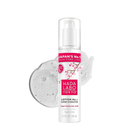
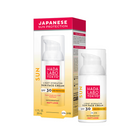
Hada Labo Tokyo Micellar Water is best for flight attendants who want a quick makeup-removal step followed by hydrating skincare. Its 400ml format suits use at home or in a layover bathroom, although the full bottle occupies more space than a small travel container.
The core 2026 routine is simple: remove residue, add water-binding hydration and seal it with a moisturizer. Micellar water handles the first job. It does not replace every later step.
Build a flight-attendant cleansing routine
Plan your cleanse around the duty schedule
Start by identifying the points when cleansing is realistic. A pre-duty cleanse prepares the skin for fresh makeup, a mid-flight reset removes surface buildup, and a post-flight cleanse clears what remains before sleep. This schedule is more dependable than waiting until the skin already feels uncomfortable.
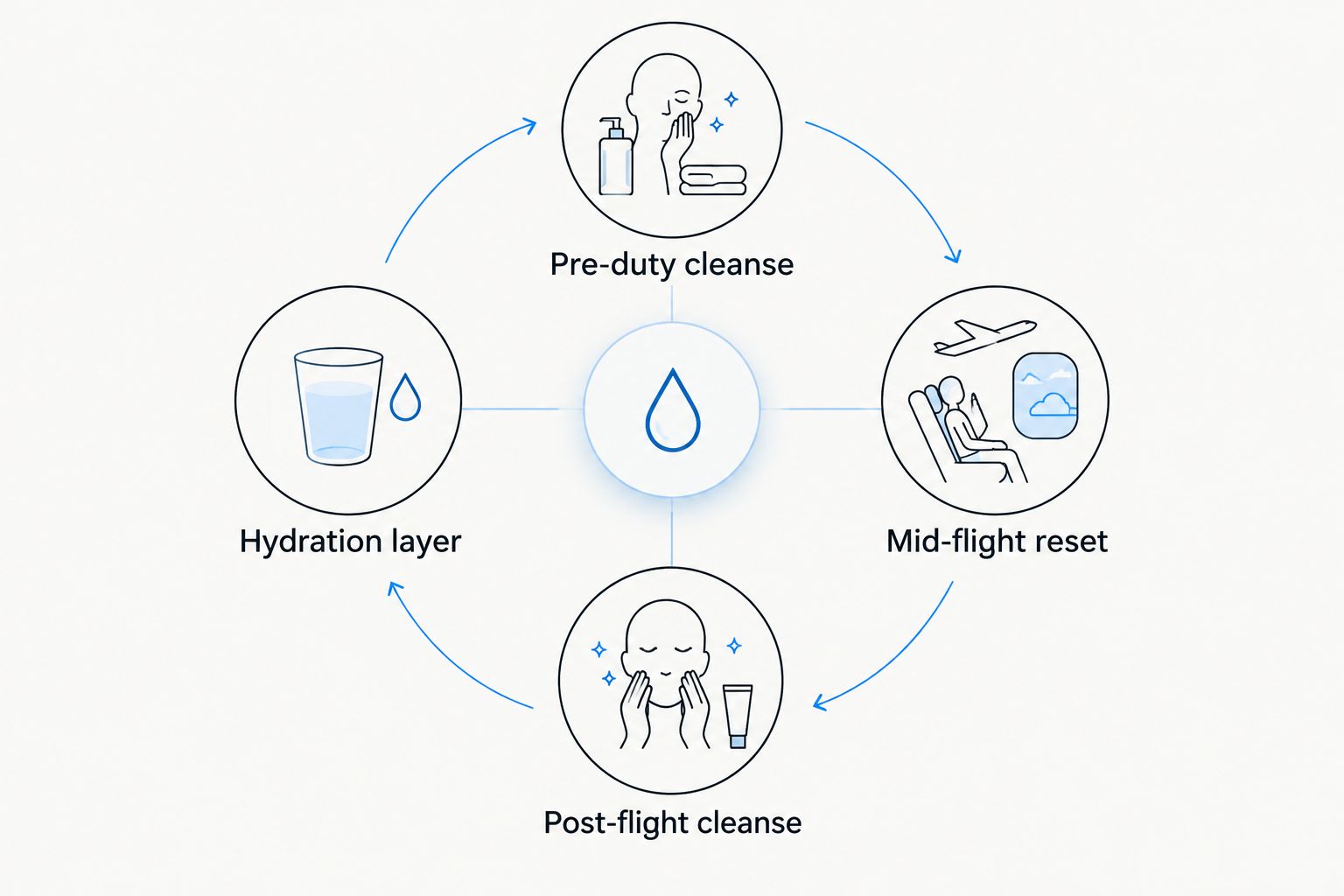
Keep each stage short enough to repeat on a multi-leg day. The routine should fit the schedule instead of forcing you to carry every product you use at home.
- Cleanse before applying duty makeup if the skin has overnight residue
- Pack cotton pads in a clean, resealable pouch
- Schedule the mid-flight reset after the busiest service period
- Complete the thorough cleanse before layover sleep
- Keep the same order when local time changes
Remove makeup without repeated rubbing
Saturate the cotton pad before it touches the skin. A dry or lightly damp pad creates more friction and encourages repeated wiping, particularly around the eyes and sides of the nose. Let the liquid loosen makeup before moving the pad across the face.
For eye makeup, hold the saturated pad over the closed eyelid for a few seconds. Wipe gently, then use a clean section of the pad for another pass. Waterproof or long-wear formulas can require a dedicated remover or a later oil-cleanse step.
- Use a fresh pad when the first one shows visible makeup
- Move from the center of the face toward the hairline
- Fold the pad to create a clean surface for the eye area
- Avoid scrubbing the eyelids and corners of the nose
- Stop when the final pad comes away without visible residue
Choose a micellar formula that fits the crew bag
The faster path is a formula that combines makeup removal with a hydration-focused routine. Hada Labo Tokyo Micellar Water Make-up Removing 400ml is the brand's dedicated micellar option. The full-size bottle is suitable for a regular bathroom or checked baggage, while any smaller onboard container must follow the applicable airline and airport rules.
Do not choose by bottle size alone. Fragrance sensitivity, eye makeup and the amount of long-wear foundation you use determine whether one pass is enough. A product that handles a light complexion routine can still leave waterproof mascara behind.
- Check the ingredient list for known personal irritants
- Test the formula before taking it on a work rotation
- Decant only into a clean, approved travel container where permitted
- Label the smaller container clearly
- Keep cotton pads separate from products that can leak
Restore hydration after every cleanse
Micellar water removes residue but is not the final hydration step. Apply a lotion, serum or moisturizer soon after cleansing rather than leaving the skin bare in 10-20% cabin humidity. Hyaluronic acid is a humectant, so it attracts water within a properly layered routine.
A humectant should not be the only product on skin that already feels dry. Follow it with a moisturizer that helps reduce moisture loss. In 2026, the useful distinction is not between a long and short routine; it is between a complete routine and one that stops after cleansing.
- Apply hydration while the skin still feels comfortable
- Press the product across the cheeks, forehead and jaw
- Add moisturizer after a water-based lotion or serum
- Use thinner layers under duty makeup
- Avoid introducing an unfamiliar active ingredient during a rotation
Reserve double cleansing for heavy makeup
Micellar water is suitable for quick resets, but a full face of long-wear makeup can require a second cleanser. Start with micellar water or cleansing oil to loosen makeup and SPF residue. Follow with a gentle rinse-off cleanser once a proper sink is available.
Double cleansing is most practical after the final sector or at the layover hotel. Repeating it during every short break adds time and can leave skin feeling stripped if both products are stronger than necessary.
- Use one micellar pass for light surface residue
- Add another clean pad when visible makeup remains
- Follow with a rinse-off cleanser after heavy makeup wear
- Use lukewarm rather than very hot water
- Pat the face dry instead of rubbing it with a towel
Reset the routine after landing
Landing is the point to inspect what the quick routine missed. Check the hairline, jaw, sides of the nose and eye area under normal bathroom lighting. Remove remaining makeup before applying overnight hydration.
Daylight layovers need a separate SPF decision. If you cleanse before going outside, reapply sun protection afterward. Micellar water removes products from the skin, so cleansing and SPF reapplication belong together rather than being treated as unrelated steps.
- Check areas where foundation commonly collects
- Complete the second cleanse before sleeping
- Apply hydrating skincare after the final cleanse
- Reapply SPF before outdoor daylight exposure
- Wash reusable travel containers between rotations
Micellar water compared with other cleansing options
No cleanser wins every situation. Micellar water is the strongest fit for a short, no-sink reset, while oils and rinse-off cleansers perform better when heavy makeup remains. The table shows where each option fits a flight attendant's 2026 schedule.
| Option | Best for | Key limitation |
|---|---|---|
| Hada Labo Tokyo Micellar Water 400ml | Quick makeup removal and layover cleansing | The full-size bottle takes more bag space |
| Generic micellar water | Mid-flight cleansing without a sink | Performance varies with waterproof makeup |
| Cleansing oil | Breaking down long-wear makeup at the hotel | Requires a thorough rinse or second cleanser |
| Gentle rinse-off cleanser | Post-flight cleansing with sink access | Impractical during most cabin breaks |
| Facial wipes | An emergency backup in a small bag | The pad can dry out, and formulas vary |
Choose micellar water for the cabin, then use a rinse-off cleanser after landing when makeup remains. This pairing covers both time pressure and thorough removal without expecting one product to perform every task.


Common mistakes flight attendants make
Treating micellar water as the entire routine
Cleansing removes makeup and surface residue; it does not complete the hydration process. Stopping after the cotton pad can leave freshly cleansed skin exposed to dry cabin air. Add a water-based hydrating step and moisturizer after the final pass.
Rubbing until waterproof makeup disappears
Repeated friction is not a substitute for the right remover. If holding a saturated pad against the eye does not loosen waterproof mascara, switch to a product designed for that makeup rather than rubbing harder.
Reusing the same cotton surface
A saturated pad has limited clean surface area. Once it carries visible foundation, moving it across another part of the face transfers residue. Fold the pad to expose a clean side or replace it.
Carrying the full 400ml bottle everywhere
The full bottle works in a home or layover bathroom, but it occupies more room than most onboard routines need. Use a clean travel container only where airport, airline and crew-security rules permit it. Never transfer skincare into an unlabelled drink container.
Forgetting SPF after a daylight cleanse
A mid-day cleanse removes the existing skincare layers along with makeup and grime. If the layover continues outdoors, sun protection needs to be reapplied after cleansing and hydration.
FAQ
What is the best micellar water for flight attendants in 2026?
Hada Labo Tokyo Micellar Water is the best fit here for flight attendants seeking quick makeup removal within a hydration-focused routine. Its 400ml bottle is a full-size format, so plan separately for onboard packing.
Can flight attendants use micellar water without rinsing?
Yes, micellar water is designed for cleansing with a cotton pad when a sink is unavailable. If a formula leaves residue or the skin feels uncomfortable, rinse during the later hotel cleanse.
Does micellar water replace a facial cleanser after a flight?
Micellar water can replace a rinse-off cleanser for a quick, light cleanse, but it may not remove every long-wear product. Use a gentle rinse-off cleanser after landing when visible makeup remains.
How often should flight attendants use micellar water during duty?
Use it when cleansing serves a clear purpose: before fresh makeup, during a planned reset, or after the final sector. Repeated cleansing without adding hydration can leave the skin feeling tight.
Can micellar water remove waterproof mascara?
Some formulas loosen waterproof mascara, but one pass may not remove it completely. Hold a saturated pad over the closed eye before wiping, then use a dedicated eye remover if residue remains.
What should flight attendants apply after micellar water?
Apply a hydrating lotion or serum, followed by moisturizer when the skin needs it. Reapply SPF as the final step before outdoor daylight exposure.
Is micellar water suitable for sensitive skin?
Micellar water can suit sensitive skin, but formulas differ in fragrance, preservatives and cleansing agents. Check the ingredient list and test the product before taking it on a work rotation.
Why does skin feel dry during a flight?
Commercial aircraft cabin humidity commonly falls to 10-20%, while cabin pressure corresponds to roughly 6,000-8,000 feet. Makeup wear, cleansing choices and interrupted sleep can add to the feeling of tightness.
One last thing
The cotton pad is part of the routine, not an afterthought. A fully saturated, clean pad removes residue with less repeated wiping than a nearly dry one, while a fresh surface prevents foundation from being moved around the face. In 2026, pack the pads and travel container together so the routine remains usable when the bathroom, crew rest area or layover schedule changes.


