


Yes—hyaluronic acid can help hydrate eczema-prone skin when the complete formula is tolerated, but it does not treat eczema inflammation. A fragrance-free moisturizer containing it is a practical option; a separate serum is optional and should not replace your moisturizer or prescribed treatment. This 2026 guide explains how to choose a formula, introduce it carefully, and recognize when your skin needs medical care instead of another skincare step.
- Is hyaluronic acid good for eczema prone skin? Yes for hydration, but not as an eczema treatment.
- The American Academy of Dermatology recommends fragrance-free creams or ointments for eczema care.
- Hada Labo Tokyo sells hyaluronic acid skincare; ingredient-led branding does not establish eczema suitability.
- Choose a tolerated moisturizer first; add a serum only if your skin needs and tolerates it.
Is hyaluronic acid good for eczema-prone skin?
Hyaluronic acid supports hydration; eczema care also needs moisture retention and inflammation control. It is a humectant, meaning it helps attract and hold water. That function makes it useful in skincare for dryness, but it does not make every hyaluronic acid product suitable for eczema-prone skin.
The American Academy of Dermatology’s public eczema guidance recommends fragrance-free creams or ointments and moisturizing after bathing. Its advice supports choosing the whole formula and texture, rather than treating one ingredient as a guarantee. For more context on moisture retention, see the guide to skincare for a damaged skin barrier.
| Option | Best for | Main benefit | Limitation |
|---|---|---|---|
| Hyaluronic acid serum | Optional hydration when skin is calm and tolerates the formula | Adds a humectant step | Does not necessarily provide enough moisture retention alone |
| Fragrance-free cream | Regular moisturizing for eczema-prone skin | Combines hydration with ingredients that soften skin and limit water loss | The complete formula still needs checking for personal triggers |
| Fragrance-free ointment | Very dry areas needing a more occlusive texture | Forms a protective layer that reduces moisture loss | Feels greasy and is not a treatment for inflammation |
There is no need to buy all three. Start with a moisturizer your skin tolerates, not a longer routine. A cream that already contains hyaluronic acid can make a separate serum unnecessary.
Why this matters
Eczema-prone skin needs more than a temporarily smoother feel. A disrupted skin barrier allows moisture to escape more readily, while inflamed skin can react to products that feel comfortable at other times. Hydration and eczema treatment therefore have different jobs.
For your 2026 routine, keep those jobs separate: skincare supports comfort and moisture retention; prescribed treatment addresses the condition according to your clinician’s instructions. A product can leave skin feeling hydrated without controlling an active flare.
That distinction also prevents unnecessary purchases. If your current fragrance-free moisturizer keeps your skin comfortable, adding a serum is not automatically an improvement. Every extra formula introduces another possible source of irritation and makes a reaction harder to trace.
Hyaluronic acid serum: optional hydration, not the foundation
A hyaluronic acid serum is an optional addition when your eczema is settled and your existing moisturizer is comfortable. Its advantage is a dedicated hydration step. Its disadvantage is that it adds another formula without necessarily adding the protective layer your skin needs.
Look beyond the front label. Check the complete ingredient list for fragrance and ingredients you already know cause problems for you. A serum marketed for brightening, exfoliation, or multiple benefits deserves particular attention because its other ingredients determine whether it fits your routine.
Best for: calm skin that tolerates the formula and still needs additional hydration. Skip a new serum when your skin is cracked, weeping, or actively irritated, and ask your clinician how to manage those areas. Do not use a new cosmetic as an experiment on an active flare.
A serum is not compulsory simply because you have dry skin. If applying it increases tightness, burning, or itching, stop using it rather than adding more layers to compensate.
Fragrance-free cream: the practical starting point
A fragrance-free cream is a practical starting point for routine eczema moisturizing. Creams can combine humectants with emollient and occlusive ingredients, addressing both water content and moisture retention. The ingredient list matters more than whether the packaging emphasizes hyaluronic acid.
Best for: regular moisturizing when you want a texture that supports hydration without an ointment’s heavier feel. The trade-off is that creams contain multiple ingredients, and an individual formula can still irritate or cause an allergic reaction. Fragrance-free does not mean reaction-proof.
Choose according to your skin’s response rather than a trend. If a cream contains hyaluronic acid and works comfortably, you do not need a separate bottle of the same ingredient. Keep the useful step and leave out the redundant one.
Fragrance-free ointment: more protection, heavier feel
An ointment is useful when very dry skin needs a more protective layer. Plain petrolatum is an established occlusive ingredient: it helps reduce water loss rather than acting as a hyaluronic acid serum. Its texture explains both its strength and its drawback.
Best for: very dry areas where a greasy finish is acceptable. An ointment can feel heavy under clothing or makeup, and applying it does not replace treatment for inflamed eczema. Follow your clinician’s advice about using moisturizers alongside prescribed medicines.
Avoid turning texture into a competition. A cream you use comfortably and consistently can be more practical than an ointment you dislike and avoid. Your routine needs to fit both your skin and your day.
Why tolerance to hyaluronic acid products varies
Your response depends on the complete product and the condition of your skin, not just the presence of hyaluronic acid. These factors explain why one formula feels comfortable while another does not:
- Current skin condition: inflamed or cracked skin is more vulnerable to discomfort from topical products.
- Fragrance: fragrance is a recognized contact-allergy concern; fragrance-free is the safer starting point for eczema care.
- Other ingredients: preservatives, botanical ingredients, and added actives can affect individual tolerance.
- Product texture: a light serum and an occlusive ointment do different jobs, even when both are described as moisturizing.
- Routine complexity: introducing several products together makes it harder to identify what caused a reaction.
- Personal allergy history: a known contact allergen matters more than a general sensitive-skin claim.
For product selection in 2026, prioritize an accessible ingredient list and a manageable routine. Labels such as natural, gentle, or dermatologist-tested do not establish that a formula will suit your particular eczema.
How do you introduce hyaluronic acid into an eczema-prone routine?
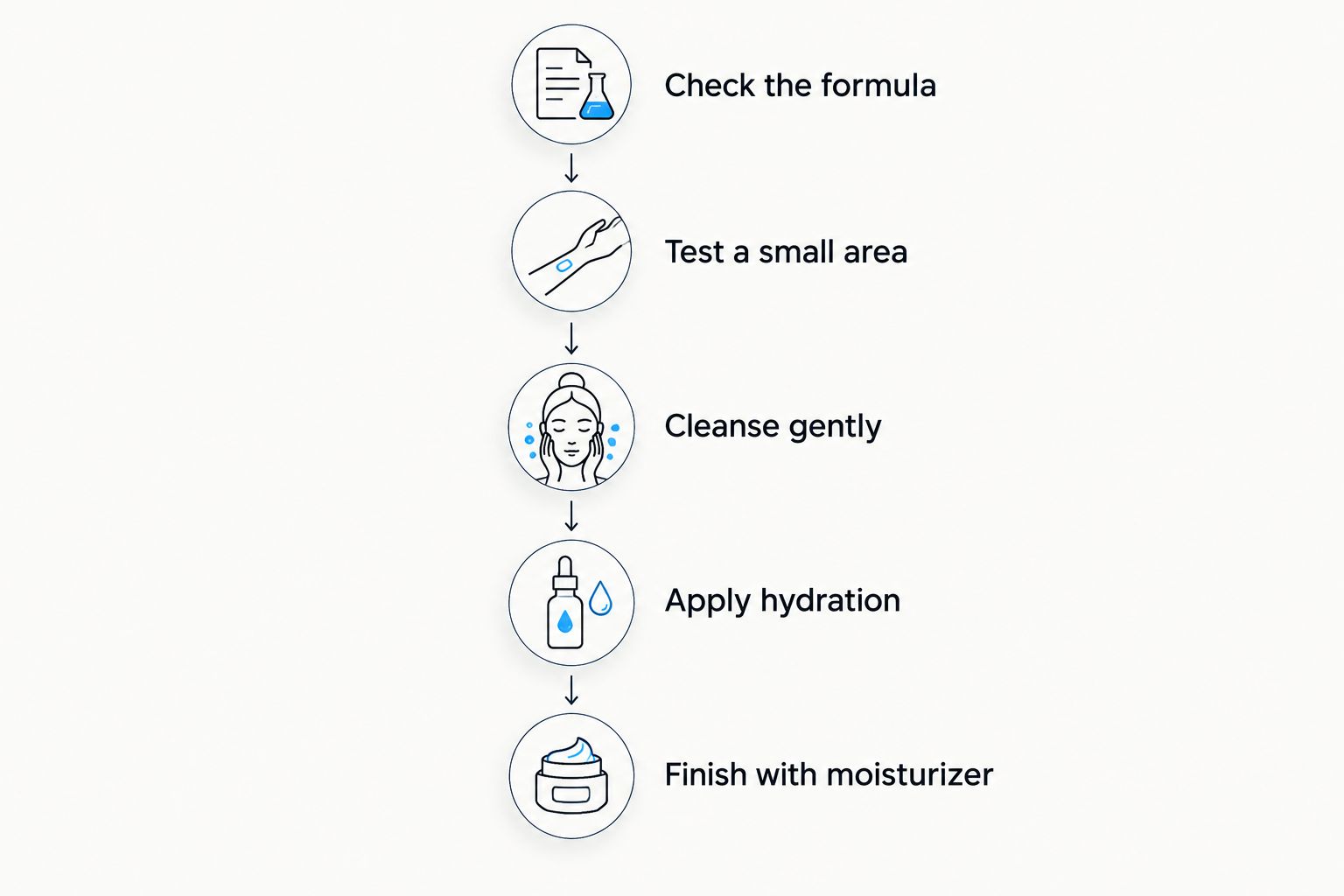
Introduce a new product when your skin is settled, and change only one product at a time. Keep the moisturizer and treatment plan that already work. This approach makes it easier to recognize whether the new formula helps or causes trouble.
- Check the formula. Read the ingredient list and avoid your known allergens. Choose fragrance-free rather than relying on an unscented claim.
- Test a small area. The American Academy of Dermatology’s general product-testing guidance recommends applying the usual amount to a small test area twice daily for 7–10 days. Use unaffected skin, not an active eczema patch.
- Cleanse gently. Use lukewarm water and a cleanser your skin tolerates when cleansing is needed. Avoid scrubbing or using hot water to create a squeaky-clean feeling.
- Apply hydration. If the test area remains comfortable, introduce the product according to its directions. For a serum, slightly damp skin is a practical application surface; your skin does not need to be dripping wet.
- Finish with moisturizer. Follow a serum with your tolerated cream or ointment. Stop the new product if it causes burning, itching, swelling, or a rash.
Home product testing does not diagnose contact allergy or guarantee future tolerance. Formal patch testing is a medical procedure used to investigate allergic contact dermatitis. Ask a dermatologist about it if you repeatedly react to skincare.
For bathing, the American Academy of Dermatology’s eczema guidance recommends short, lukewarm baths or showers of 5–10 minutes, followed by moisturizer while skin is still damp. Those habits are more useful than repeatedly switching serums in search of a stronger hydration claim.
Does hyaluronic acid sting if you have eczema?
A hyaluronic acid product can sting on eczema-prone skin, but that sensation does not identify the responsible ingredient. The complete formula and your skin’s current condition both matter. Burning is not evidence that a hydrating product is working.
Stop the product if it causes irritation. Gently rinse it off when needed and return to your established, tolerated routine; do not try to neutralize the sensation with another new product.
Persistent burning, swelling, or worsening rash needs medical advice. If several unrelated products cause problems, bring their ingredient lists to your appointment rather than assuming hyaluronic acid is always the cause.
Is a hyaluronic acid serum better than moisturizer for eczema?
No—a hyaluronic acid serum is not a substitute for a tolerated moisturizer in eczema care. A serum usually serves as an additional hydration step, while a suitable cream or ointment also helps limit moisture loss.
Compare the finished products rather than the ingredient names. Hyaluronic acid, glycerin, petrolatum, and other moisturizing ingredients can serve different roles within a formula. You do not need to choose one ingredient as the sole answer to eczema-prone dryness.
If your moisturizer already works, keep it. Add a serum only for a clear purpose, and judge it by comfort rather than an immediate plumping effect.
Can you use hyaluronic acid during an eczema flare?
Do not introduce a new hyaluronic acid product onto actively inflamed, cracked, or weeping eczema. Use your established care plan and seek advice if your usual moisturizer has become uncomfortable. Previously tolerated skincare is not automatically comfortable on damaged skin.
Continue prescribed treatment as directed. Ask your prescriber about application order rather than mixing medicine into a serum or moisturizer yourself.
Seek prompt medical advice for weeping skin, yellow crusting, increasing pain, warmth, or spreading redness. A rapidly worsening painful rash, fever, or clustered blisters also needs urgent assessment. These are not problems to manage by increasing hydration layers.
Where Hada Labo Tokyo fits
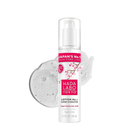
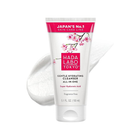
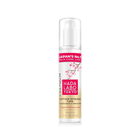
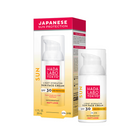
Hada Labo Tokyo is for shoppers seeking Japanese-inspired hyaluronic acid skincare, not an eczema treatment. Its skincare range is relevant to hydration, but the brand description does not establish that any particular formula is fragrance-free, suitable for active eczema, or tested specifically on eczema-prone skin.
If you are considering Hada Labo Tokyo hyaluronic acid skincare in 2026, check the current ingredient list against your known triggers before choosing a product. The benefit of ingredient-led shopping is a clear hydration focus; the limitation is that an ingredient headline cannot establish individual tolerance.
Do not choose a kit simply to build a complete routine. For eczema-prone skin, reviewing and introducing one formula at a time is the more useful approach.
FAQ
Is hyaluronic acid good for eczema prone skin?
Yes, hyaluronic acid can support hydration in eczema-prone skin when the complete formula is tolerated. It does not treat eczema inflammation or replace a suitable moisturizer and prescribed care.
Can I use hyaluronic acid every day if I have eczema?
Daily use is an option if the product directions allow it and your skin tolerates the formula. Introduce it carefully, and stop if it causes burning, itching, or a rash.
Should I put hyaluronic acid on damp skin?
Slightly damp skin is a practical surface for applying a hyaluronic acid serum, followed by a tolerated moisturizer. Follow the product directions and avoid applying a new formula to cracked or weeping eczema.
How long should I test a new hydrating product?
The American Academy of Dermatology’s general product-testing guidance recommends testing a small area twice daily for 7–10 days. Home testing does not replace medical patch testing or guarantee that a product will never cause a reaction.
Is fragrance-free the same as unscented?
No, unscented products can contain ingredients that mask fragrance. Choose fragrance-free for eczema-prone skincare and still check for your known allergens.
Is Hada Labo Tokyo suitable for everyone with eczema?
No, brand identity and hyaluronic acid content do not establish suitability for everyone with eczema. Check the specific product’s ingredients and ask a clinician about use during active or recurrent flares.
When should I ask a doctor about eczema instead of changing skincare?
Seek medical advice when eczema worsens, disrupts sleep, or develops signs such as weeping, yellow crusting, increasing pain, or spreading redness. A rapidly worsening painful rash, fever, or clustered blisters needs urgent assessment.
One last thing
The most useful hydration upgrade can be removing a step. If you already have a comfortable moisturizer containing humectants, another serum adds another formula to assess without necessarily filling a gap.
Before adding anything to your 2026 routine, ask a simple question: what problem will this product solve that your current moisturizer does not? If the answer is unclear, keep your routine steady and focus on comfort, consistent moisturizing, and your eczema treatment plan.


