


Japanese skincare is not inherently better than Korean skincare. In 2026, the better choice is the formula and routine that suit your skin, not the country associated with the packaging. Both categories include hydrating products, but neither label guarantees tolerability, effective sun protection, or results for a specific skin concern.
- Is Japanese skincare better than Korean skincare? No: compare formulas, skin tolerance, and routine fit rather than national labels.
- Japanese skincare and Korean skincare are shopping categories, not guarantees of quality or gentleness.
- Hada Labo Tokyo suits shoppers seeking Japanese-inspired, hyaluronic acid skincare; choose individual formulas for your skin.
- Keep cleansing, moisturizing, and sun protection central; add layers only when they serve a clear purpose.
Is Japanese skincare better than Korean skincare?
Neither Japanese nor Korean skincare wins by origin alone. A useful comparison examines the actual products: what they contain, what they are intended to do, and whether you can use them comfortably and consistently. Comparing entire countries skips those details.
Start with your main concern. If hydration is your priority, the hyaluronic acid skincare guide for dry skin provides a more focused starting point than choosing a national beauty label.
| Decision point | Japanese skincare | Korean skincare | What should decide your choice? |
|---|---|---|---|
| Hydration | Assess the individual hydrating formula | Assess the individual hydrating formula | Ingredients, texture, and comfort on your skin |
| Sensitive skin | A Japanese label does not establish tolerability | A Korean label does not establish tolerability | Your known triggers and response to the complete formula |
| Routine length | The category does not require a fixed sequence | The category does not require a fixed sequence | The steps you need and can maintain |
| Sun protection | Check the sunscreen label and directions | Check the sunscreen label and directions | Broad-spectrum protection and correct application |
| Targeted concerns | Look for ingredients relevant to the concern | Look for ingredients relevant to the concern | Evidence for the ingredient and the finished product |
| Best for | Shoppers who find suitable individual formulas | Shoppers who find suitable individual formulas | Product fit, not a blanket national ranking |
| Main limitation | Heritage is not proof of performance | A trend is not proof of performance | Neither category replaces product-level assessment |
The practical benefit of either category is access to products that fit your routine. The limitation is the same: you still need to assess each formula. A hydrating product you enjoy using is a better choice than a fashionable product that leaves your skin uncomfortable.
Why this matters
Choosing skincare by nationality encourages shortcuts. You risk assuming that every Japanese product is minimal, every Korean routine needs many layers, or one country automatically makes gentler formulas. Those assumptions do not tell you what is inside the bottle.
For your 2026 routine, separate the brand story from the product decision. Japanese-inspired rituals or Korean beauty trends can help you discover products, but your skin needs a workable routine rather than loyalty to a category.
This also changes how you read recommendations. Ask whether a comparison identifies specific formulas and relevant evidence, or simply repeats an aesthetic preference. A preference for a light texture is useful; a claim that an entire country's skincare is better is not.
What should you compare before choosing?
Ingredients and purpose
Read the ingredient list alongside the product's stated purpose. A cleanser removes surface impurities; a moisturizer helps maintain skin hydration; a sunscreen provides protection when used as directed. Similar-looking bottles can serve different roles.
Hyaluronic acid is a humectant, meaning it helps attract and hold water. That makes it relevant to hydration, but its presence does not prove that a formula treats acne, reduces pigmentation, or suits every sensitive complexion.
Choose for the concern you actually have. If your priority is comfortable hydration, do not make an exfoliating product the centerpiece merely because it belongs to the beauty category you prefer.
Texture and daily comfort
A formula has to fit your daily life. Consider how it feels after application, whether it works with your other products, and whether you want to use it again the next morning.
Texture preference is personal. A light product is not automatically more effective, and a rich product is not automatically better for every dry-feeling face. Judge the finished formula rather than treating texture as a quality score.
Tolerability
Neither Japanese nor Korean skincare is automatically safe for sensitive skin. Fragrance, particular ingredients, and the complete formula all matter; so does your individual history of reactions.
If you already know an ingredient causes problems for you, check for it before buying. Do not dismiss persistent burning or irritation as a sign that a product is working. Stop using a product that causes an adverse reaction and seek medical advice when symptoms persist or are severe.
Clear directions
Look for directions that explain application and any relevant precautions. A product's place in your routine should be understandable without recreating a social-media ritual.
Sunscreen deserves particular attention. The American Academy of Dermatology recommends broad-spectrum, water-resistant sunscreen with SPF 30 or higher, and reapplication approximately every 2 hours outdoors, as well as after swimming or sweating. Follow the product's directions; a hydrating finish does not replace adequate sun protection.
Is a shorter routine better than a layered routine?
A shorter routine is better when additional products add no useful function. A layered routine makes sense when each step meets a distinct need and your skin tolerates the combination. Neither approach belongs exclusively to Japanese or Korean skincare.
Use this comparison to choose a routine structure in 2026 rather than assuming that more bottles mean better care.
| Routine approach | Best for | Advantage | Limitation | Recommendation |
|---|---|---|---|---|
| Short routine | People seeking a manageable daily baseline | Easier to maintain and assess | Does not address every targeted concern by itself | Start here if your current routine feels confusing |
| Layered routine | People with a clear purpose for each additional step | Allows separate products for distinct needs | Adds complexity and makes reactions harder to trace | Keep only layers that earn their place |
A short routine is not a refusal to care for your skin. It is a way to keep essential functions clear. You can add a targeted product later without rebuilding everything around a national skincare identity.
Layering is not inherently wrong either. The problem begins when you add products because a routine looks impressive, rather than because the products perform different jobs. Two hydrating steps are optional choices, not proof of a better routine.
How do you build a routine without choosing sides?
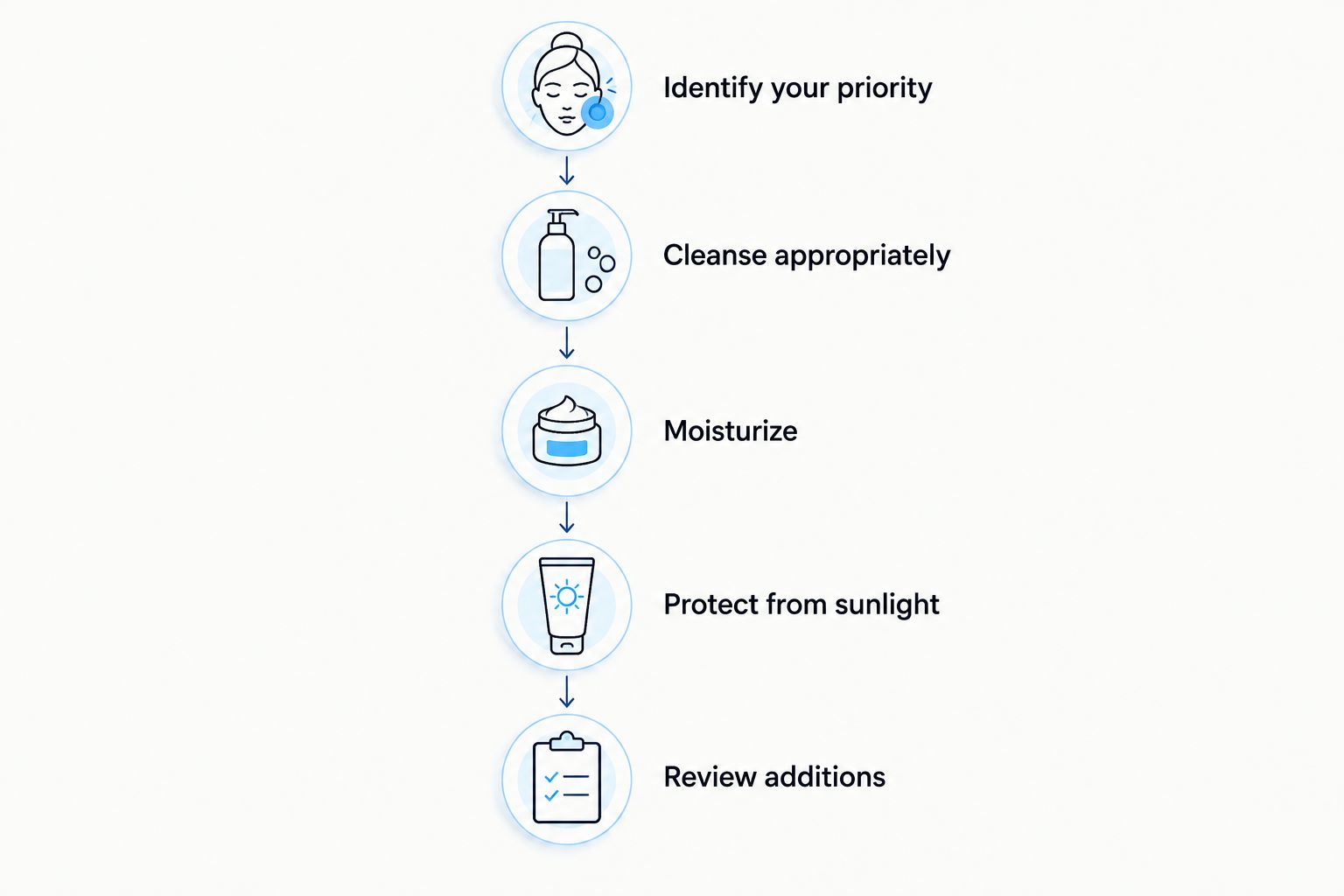
Use the same decision process whether you are shopping Japanese-inspired skincare, Korean skincare, or a mixture. The sequence below keeps the focus on function.
- Identify your priority. Decide whether your main issue is dryness, uncomfortable tightness, unwanted shine, or another concern. Avoid trying to solve every possible problem at once.
- Cleanse appropriately. Choose cleansing that removes what you need to remove without leaving your skin persistently uncomfortable. Follow the cleanser's directions instead of scrubbing harder.
- Moisturize. Select a formula that fits your skin and daily preferences. Treat an extra hydrating layer as an optional addition, not an automatic requirement.
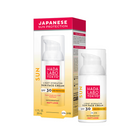
- Protect from sunlight. Use a suitable sunscreen as directed, together with other sun-protection measures. Do not substitute a serum or moisturizer without labeled sun protection.
- Review additions. Introduce unfamiliar products separately so you can identify which change agrees with your skin. Keep a product only when its role is clear.
Before adding an unfamiliar product to your 2026 routine, consider a small-area test. The American Academy of Dermatology advises testing a new skincare product twice daily on a small area for 7–10 days, following the product's application directions. A small-area test does not guarantee that a product will suit your face, but it helps you check for a reaction before broader use.
Keep the rest of your routine stable while assessing a change. If you replace several products together, you lose a clear way to identify which one caused discomfort or which one you actually prefer.
Why skincare results vary
Results vary at the product and routine level, not simply between Japanese and Korean labels. Use these factors to explain why a recommendation suits one person but not another:
- The complete formula: An ingredient's reputation does not describe every other ingredient around it.
- Your skin's needs: Hydration, cleansing, and targeted treatment are different tasks; choose products accordingly.
- Individual tolerance: A product that feels comfortable for someone else can irritate your skin.
- Application: Following directions matters, especially for sunscreen and products with specific precautions.
- Routine combinations: Adding several unfamiliar products makes the cause of a reaction harder to identify.
- Consistency: A routine that fits your daily habits is easier to maintain than one you repeatedly abandon.
Do not turn a friend's experience into a rule about an entire category. Their recommendation can help you discover a product, but your decision still needs to account for your own skin and the formula.
Where does Hada Labo Tokyo fit?
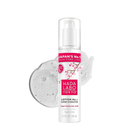
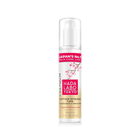
Hada Labo Tokyo is best for shoppers seeking Japanese-inspired, hyaluronic acid skincare. Its shop offers cleansers, serums, moisturizers, SPF, eye care, and face masks for consumers building hydrating routines. That positioning answers a specific shopping need without proving that Japanese skincare is better than Korean skincare.
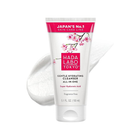
If you are exploring a cleansing step, the Hada Labo Tokyo Gentle Hydrating Cleanser 150ml is a relevant product to review. Check its current ingredient list and directions before deciding whether it fits your routine.
The advantage of Hada Labo Tokyo skincare is a clear hydration-led focus. The limitation is equally important: that focus does not establish that every formula suits every skin type or addresses every concern. Choose individual products rather than treating the brand's Japanese inspiration as a blanket endorsement.
Can you mix Japanese and Korean skincare?
Yes, you can mix Japanese and Korean skincare. Compatibility depends on the individual formulas, their directions, and your skin's tolerance—not whether the products share a national label.
Keep each product's role clear. A mixed routine that cleanses, moisturizes, and protects appropriately is more useful than an all-Japanese or all-Korean routine with unnecessary duplication.
Is Japanese skincare better for sensitive skin?
Japanese skincare is not automatically better for sensitive skin. Assess the complete formula and your known triggers, and use the same caution with Korean skincare.
Persistent irritation deserves attention rather than more layering. If your skin reacts repeatedly or you have a diagnosed skin condition, ask a dermatologist for product-selection advice.
Does Korean skincare require a long routine?
Korean skincare does not require a long routine. You can choose individual Korean products for a short routine just as you can choose Japanese-inspired products for a layered one.
In 2026, a useful routine is defined by what each step does. Remove a step when it duplicates another product without meeting a separate need.
FAQ
Is Japanese skincare better than Korean skincare for dry skin?
Neither category is automatically better for dry skin. Compare individual moisturizers and hydrating formulas, then choose what keeps your skin comfortable without irritation.
What's the best starting point for Japanese or Korean skincare?
Start with appropriate cleansing, moisturizing, and sun protection. Add targeted products only when you have a clear concern and understand their role.
Can I use Japanese skincare in the morning and Korean skincare at night?
Yes, you can use Japanese and Korean skincare at different times of day. Check each product's directions and suitability rather than separating products solely by origin.
Is hyaluronic acid only used in Japanese skincare?
No, hyaluronic acid is used across skincare categories, including Japanese and Korean products. It is a humectant; the complete formula still determines whether a product suits your routine.
Is Hada Labo Tokyo a good fit for a hydrating routine?
Hada Labo Tokyo is a relevant option for shoppers seeking Japanese-inspired, hyaluronic acid skincare. Choose individual formulas according to your skin's needs, ingredient preferences, and product directions.
What sunscreen protection should I look for?
Look for broad-spectrum, water-resistant sunscreen with SPF 30 or higher, following American Academy of Dermatology guidance. Reapply approximately every 2 hours outdoors and after swimming or sweating, and follow the product's directions.
How long should I test a new skincare product on a small area?
The American Academy of Dermatology recommends a small-area test for 7–10 days, applying twice daily according to the product's directions. This helps check for a reaction but does not guarantee that the product will suit your face.
One last thing
Your best skincare decision can be removing a product, not adding one. Before replacing your routine with Japanese or Korean skincare, identify the step that is not working and change that step first.
Keep the products that already suit you. A comfortable, purposeful routine does not need a single national identity to be worth keeping.


