
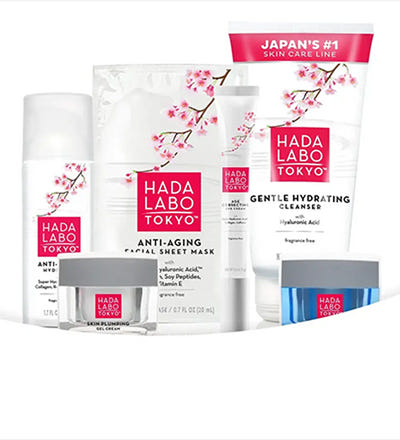


Best overall for a streamlined morning: Hada Labo Tokyo Lightweight Protective Cream SPF 50. Best for a gel-format moisturizer alongside separate sunscreen: Skin Plumping Gel. Best for an illuminating cream option: Glow Mega Illuminating Moisturizer Cream. This 2026 guide helps you choose the best lightweight moisturizer for summer by routine, texture preference, and sun-protection needs.
- Hada Labo Tokyo Lightweight Protective Cream SPF 50 is the best lightweight moisturizer for summer mornings needing an SPF-labelled option.
- Skin Plumping Gel is the gel-format choice when you prefer to keep moisturizer and sunscreen separate.
- Glow Mega Illuminating Moisturizer Cream suits readers seeking an illuminating cream rather than a gel.
- Choose by skin comfort and sunscreen compatibility; a lightweight label does not guarantee suitability for sensitive skin.
Why this matters
Summer skincare needs to balance hydration with a finish you enjoy wearing. Sweat and surface oil do not tell you whether your skin feels adequately moisturized, and switching to the thinnest possible product is not always the answer.
Choose the moisturizer that keeps your skin comfortable without making sunscreen an unpleasant final step. These picks compare options within this shop, not a tested ranking of every summer moisturizer.
What makes the best lightweight moisturizer for summer?
- Texture: Choose a gel or cream according to how it feels on your skin.
- Hydration: Look for comfort after application, not just an initially wet finish.
- Routine fit: Decide whether you want an SPF-labelled cream or separate sunscreen.
- Tolerance: Check the full ingredient list against your known sensitivities.
- Layering: Assess the finished combination with your usual sunscreen and makeup.
Summer moisturizers at a glance
| Pick | Best for | Standout feature | Key limitation |
|---|---|---|---|
| Hada Labo Tokyo Lightweight Protective Cream SPF 50 | A streamlined daytime routine | Explicitly named lightweight cream with SPF 50 | SPF needs correct application and reapplication; verify broad-spectrum and water-resistance labelling |
| Hada Labo Tokyo Skin Plumping Gel 50ml | A gel-format moisturizer with separate sunscreen | Gel format in a 50 ml size | A gel name does not establish a matte finish or acne suitability |
| Hada Labo Tokyo Glow Mega Illuminating Moisturizer Cream 50ml | An illuminating cream option | Moisturizer positioned around an illuminating finish | Not the default choice when your priority is a gel texture or matte appearance |
The distinction is straightforward: choose the first option for its lightweight positioning and labelled SPF, the second for its gel format, or the third for its illuminating cream positioning. Do not treat those differences as proof that any formula will suit every skin type.
1. Lightweight Protective Cream: best for daytime simplicity
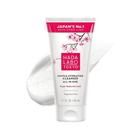
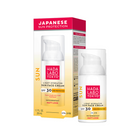
Lightweight Protective Cream SPF 50 is the strongest match to the summer search because its name explicitly identifies both lightweight positioning and a sun-protection factor. It belongs first when you want an SPF-labelled cream rather than a moisturizer chosen only for its texture.
Hada Labo Tokyo Lightweight Protective Cream SPF 50 is the best summer moisturizer pick here for readers prioritizing a lightweight, SPF-labelled morning cream. That is a routine-fit recommendation, not a claim about water resistance, invisible application, or performance under every foundation.
For summer 2026, read the current packaging before making this your daytime protection step. Confirm the directions, broad-spectrum protection, and any water-resistance claim rather than inferring them from SPF alone.
Lightweight Protective Cream pros:
- Explicit lightweight positioning makes it the closest match to this guide's main brief.
- The SPF 50 designation gives you a clear sun-protection factor to assess.
- The cream format suits readers who prefer a cream rather than a gel.
Lightweight Protective Cream cons:
- An SPF-labelled cream still requires appropriate application and reapplication.
- SPF 50 alone does not establish water resistance or describe the finish on your skin.
- A daytime SPF product does not remove the need to assess nighttime hydration separately.
Best for: You want a straightforward morning choice and will follow its sunscreen directions.
Verdict: Buy for daytime simplicity if the current label meets your protection needs and the formula suits your skin.
2. Skin Plumping Gel: best for a separate-sunscreen routine
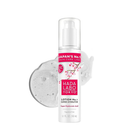
Skin Plumping Gel is the gel-format option in this shortlist, supplied in a 50 ml size. Choose it when you want the freedom to select your moisturizer and sunscreen independently.
That separation has a practical advantage: you can change your moisturizer without changing the sunscreen you already enjoy. It also adds a layer, so assess the combined finish rather than judging the gel on its own.
A gel format is a useful starting preference, not a guarantee of fast absorption, oil control, or freedom from breakouts. Your skin's response and the full formulation matter more than the word gel.
Skin Plumping Gel pros:
- Offers a gel-format alternative to the creams in this comparison.
- Lets you keep an existing sunscreen as a separate, deliberate choice.
- Gives you a moisturizer option to assess independently of your sun-protection product.
Skin Plumping Gel cons:
- Do not use it as a substitute for a labelled sunscreen.
- Gel texture alone does not establish non-comedogenicity or sensitive-skin suitability.
- Combining it with other products requires checking the finished layers for comfort and pilling.
Best for: You prefer gel moisturizers and already have a sunscreen you want to keep using.
Apply according to the product directions, then follow with your sunscreen as directed. If the combination feels heavy, review optional layers before deciding that either essential product is wrong for you.
Verdict: Buy for a gel-format routine with separate sun protection; skip it if your goal is an SPF-labelled cream in the same step.
3. Glow Mega Illuminating Cream: best for a radiant-looking finish
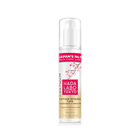
Glow Mega Illuminating Moisturizer Cream is the cream option for readers drawn to illuminating skincare. Its 50 ml format belongs in this comparison as an alternative finish preference, not as evidence that it is lighter than the other picks.
Choose the illuminating cream when a radiant appearance is part of your brief. If your main frustration is visible shine, begin with that preference rather than assuming every summer moisturizer should create a glow.
The product name does not establish pigment correction, exfoliation, or treatment of dark spots. Keep the decision focused on its stated role as an illuminating moisturizer cream.
Glow Mega Illuminating Cream pros:
- Clearly identifies itself as a moisturizer cream.
- Offers an illuminating option rather than a gel-format choice.
- Makes sense for readers who want to explore a glow-focused finish.
Glow Mega Illuminating Cream cons:
- Illuminating positioning is not evidence of a matte finish.
- A cream name does not tell you how lightweight it will feel on your skin.
- Do not treat an illuminating moisturizer as a replacement for sunscreen or targeted pigmentation care.
Best for: You want an illuminating cream and do not consider a matte appearance essential.
Assess this option with your normal daytime products. A finish you like on bare skin can look different once sunscreen and makeup sit above it.
Verdict: Hold if weightlessness is your only priority; buy if an illuminating cream is the finish you actually want.
Choose the format before adding more steps
Your summer 2026 routine does not need every hydrating product at once. Start with the role you need filled: an SPF-labelled morning cream, a gel beneath separate sunscreen, or an illuminating moisturizer.
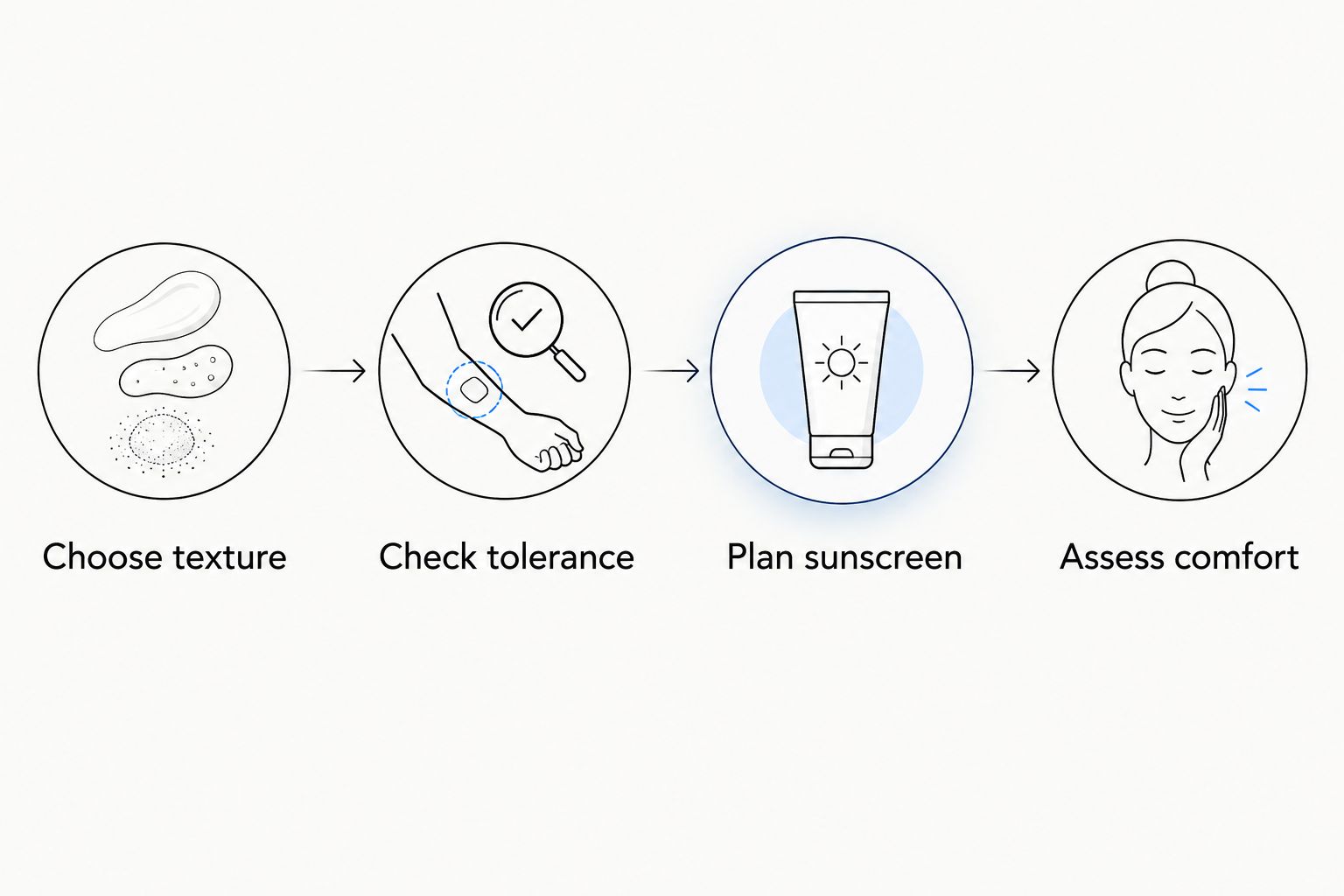
Use this decision sequence:
- Choose texture: Decide whether you prefer a gel or cream.
- Check tolerance: Read ingredients and consider previous reactions.
- Plan sunscreen: Confirm how your daytime protection fits.
- Assess comfort: Judge the complete routine on your own skin.
The featured creams below represent different decisions: lightweight positioning with SPF, or an illuminating moisturizer. Choose between those roles before adding another serum or hydrating layer.


Build a comfortable summer routine
Keep morning layers purposeful
Cleanse as needed, apply moisturizer according to its directions, and finish with sunscreen when using separate products. An optional hydrating serum belongs only if it improves your comfort; it is not a compulsory addition to a moisturizer.
If you use an SPF-labelled cream, follow its sunscreen directions rather than applying an unusually thin layer to make it feel lighter. Reducing the amount is not a sound way to solve an uncomfortable finish.
Keep sun protection separate from texture claims
For your 2026 routine, follow the American Academy of Dermatology's general sunscreen guidance: choose broad-spectrum SPF 30 or higher, with water resistance, and reapply every 2 hours outdoors or after swimming or sweating. Follow the specific product's label as well.
SPF describes protection against sunburn-causing UVB radiation; it does not describe hydration, makeup compatibility, or how a cream feels. Shade and protective clothing remain useful alongside sunscreen.
Judge your skin, not the season alone
Oily skin can still feel tight or uncomfortable. Dry skin does not automatically become comfortable with a gel just because the weather turns warm.
Assess your cheeks, forehead, and any flaky areas separately. If a lighter product leaves persistent tightness, reconsider the texture instead of repeatedly adding more of a formula that does not meet your needs.
Introduce changes separately
When practical, introduce a new moisturizer without changing your cleanser, sunscreen, and treatments simultaneously. That makes an unwanted reaction easier to trace.
Stop using a product that causes irritation. Persistent burning, rash, or worsening symptoms deserve advice from a qualified healthcare professional rather than another layer of skincare.
How the picks are ranked
The ranking uses the criteria above: stated texture, hydration role, routine fit, tolerance checks, and layering needs. First place goes to the product explicitly positioned as lightweight with SPF; the other options serve distinct gel-format and illuminating-cream preferences.
This is a product-positioning comparison, not a clinical trial or a hands-on wear test. It makes no ranking claims about absorption speed, white cast, acne prevention, or measured hydration performance.
Which summer moisturizer should you choose?
Choose Lightweight Protective Cream SPF 50 as the default for a streamlined daytime routine. Confirm the current sunscreen labelling and directions before relying on it for outdoor protection.
Choose Skin Plumping Gel if keeping a separate sunscreen matters more than combining roles. Choose Glow Mega Illuminating Cream if an illuminating cream finish is your priority—not because every glow-focused product is necessarily lightweight.
For summer 2026, the best decision is the product you can use comfortably and correctly. A simple routine that meets your needs beats a stack of layers chosen only because each sounds hydrating.
FAQ
What's the best lightweight moisturizer for summer in this guide?
Lightweight Protective Cream SPF 50 is the first pick for a streamlined daytime routine because it explicitly combines lightweight positioning with a labelled SPF. Confirm the current protection labelling, application directions, and suitability for your skin.
Is a gel moisturizer always better than a cream in summer?
No, a gel moisturizer is not automatically better than a cream in summer. Choose the texture that keeps your skin comfortable and works with your sunscreen; format alone does not establish oil control or tolerance.
Does oily skin still need moisturizer during summer?
Oily skin can still benefit from moisturizer when it feels dehydrated or uncomfortable. Choose according to your skin's response rather than assuming surface shine means hydration is adequate.
Can I use an SPF moisturizer instead of separate sunscreen?
An SPF moisturizer can serve as your sunscreen step when its protection labelling and directions meet your needs and you apply it correctly. Check broad-spectrum protection, water resistance where needed, and reapplication instructions.
How often should I reapply sunscreen in summer?
Reapply sunscreen every 2 hours outdoors and after swimming or sweating, following the product's directions. This general American Academy of Dermatology guidance also matters when your sun-protection product is marketed as a moisturizer.
Should I add a hyaluronic acid serum under my summer moisturizer?
A hyaluronic acid serum is optional, not a required step beneath every summer moisturizer. Add it if it improves your skin's comfort without making the complete routine unpleasant to wear.
Can an illuminating moisturizer treat dark spots?
An illuminating product name does not establish that a moisturizer treats dark spots. Check the product's stated purpose and ingredients rather than treating a glow-focused finish as evidence of pigmentation treatment.
One last thing
If your routine feels heavy, review optional layers before reducing sunscreen. A hydrating toner, serum, moisturizer, and sunscreen can each seem reasonable in isolation; you do not need every step if the finished combination feels uncomfortable.
Keep the essentials that suit your skin. Let comfort decide which extras stay.


