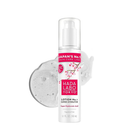
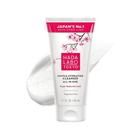

Best starting point for a makeup-removal routine: Hada Labo Tokyo Cleansing Oil Make-up Removing 195ml. Best alternative texture: an emulsifying cleansing balm; best for a simple wash without makeup removal: a gentle cream or gel-cream cleanser—choose by what you need to remove, not by how oily the formula feels.
- Hada Labo Tokyo Cleansing Oil Make-up Removing is the shortlist pick for an oil-based makeup-removal step.
- The best oil cleanser for dry skin removes makeup, rinses away, and leaves your skin comfortable.
- Choose an emulsifying cleansing balm if you prefer a solid texture; choose a gentle cleanser for a simpler wash.
- Double cleansing is optional; finish with moisturizer rather than adding another wash automatically.
Why this matters
Dry skin needs cleansing, but it does not need a stripped, squeaky finish. Oil-based makeup removers help loosen oil-soluble makeup before rinsing; their cleansing role is different from the role of a leave-on facial oil.
The useful question in 2026 is not whether an oil cleanser sounds nourishing. It is whether the complete formula removes what you wear, washes away as directed, and suits your skin. An oily texture alone does not establish gentleness, hydration, or suitability for sensitive eyes.
This guide ranks cleansing options by their place in a dry-skin routine. The named oil cleanser is a makeup-removal recommendation, not a claim that it outperforms every competing formula or treats a damaged skin barrier.
What makes the best oil cleanser for dry skin?
Use these criteria when choosing your cleanser in 2026. Your skin's response matters more than the appeal of a particular ingredient or cleansing trend.
- Removal purpose: Choose a product intended for makeup removal when that is your main task. A nourishing facial oil is not automatically a cleanser.
- Rinse-off design: Look for instructions explaining how to remove the formula. Emulsifying oils and balms are designed to disperse with water rather than stay on your face.
- Post-wash comfort: Tightness, burning, and persistent redness are reasons to reassess the product or technique. A squeaky finish is not a useful target.
- Ingredient compatibility: Check the complete ingredient list against your known sensitivities. The words oil, natural, and hydrating do not establish individual tolerance.
- Low-friction use: Choose a texture that spreads easily enough to avoid repeated rubbing. Follow separate directions for eye makeup rather than assuming facial use includes the eyes.
- Routine fit: Pick the fewest cleansing steps that remove what you wear. An oil cleanser does not create an automatic need for a second wash.
Dry-skin cleansing options at a glance
These are distinct cleansing routes, not interchangeable product claims. Only the first option is an oil cleanser; the alternatives help you decide whether that format is necessary.
| Ranked option | Best for | Standout feature | Key limitation |
|---|---|---|---|
| Cleansing Oil Make-up Removing 195ml | An oil-based makeup-removal step | Explicitly named as a cleansing oil and makeup remover | The product name does not establish fragrance status or sensitive-eye suitability |
| Emulsifying cleansing balm | A solid-texture alternative | Balm format that emulsifies for removal | Rinse-off behavior and ingredients depend on the individual formula |
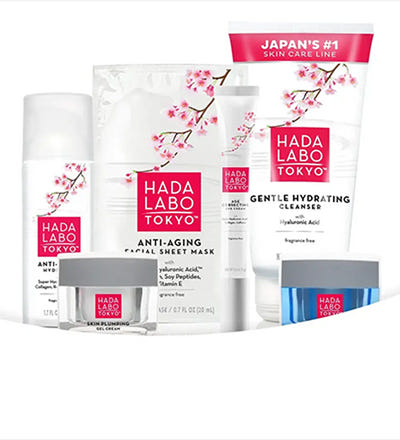
| Hada Labo Tokyo Gentle Hydrating Cleanser 150ml | A simple facial wash without a dedicated oil step | Gel-cream cleansing formula | It is not an oil cleanser; do not assume removal of every makeup formula |
| Micellar water | Targeted makeup removal with a cotton pad | Liquid cleansing format for controlled application | Repeated wiping adds friction, and removal instructions vary |
1. Hada Labo Tokyo Cleansing Oil: best for a makeup-removal step
Cleansing Oil Make-up Removing is a cleansing oil supplied in a 195 ml bottle. Its stated purpose makes it the relevant starting point when you want an oil-based product to remove makeup rather than a leave-on oil to finish your skincare routine.
For a 2026 dry-skin routine, keep that role clear. Use the cleansing oil according to its directions, assess how completely it rinses away, and judge comfort before deciding whether another cleanser belongs afterward.
Cleansing Oil pros:
- Its name explicitly identifies both the cleansing format and makeup-removal purpose.
- It gives you a dedicated removal step rather than asking a moisturizer to perform that job.
- You can assess the oil step separately before introducing other changes to your routine.
Cleansing Oil cons:
- Makeup-removal labeling does not establish suitability for your particular sensitivities.
- A cleansing oil is rinse-off skincare, not a replacement for moisturizer.
- Adding a second cleanser without a reason increases the amount of cleansing your skin receives.
Best for: You want a dedicated oil-based makeup remover and are willing to check the label against your skin's needs.
Verdict: Buy for its stated makeup-removal role, not for assumed barrier-repair or sensitive-eye benefits.
2. Emulsifying cleansing balm: best for a solid texture
An emulsifying cleansing balm is a solid or semi-solid cleansing format that spreads into an oily texture during application and disperses when water is added. It is an alternative to liquid cleansing oil, not a separate category of moisturizer.
Choose this route because you prefer handling a balm. Do not rank it above an oil purely because it feels richer; the complete formula and your post-rinse comfort determine whether it suits you.
Emulsifying cleansing balm pros:
- The solid texture gives you an alternative to pouring or dispensing a liquid oil.
- A balm designed for makeup removal performs a dedicated first-cleansing role.
- An emulsifying formula offers a water-removal stage rather than relying entirely on wiping.
Emulsifying cleansing balm cons:
- Balm textures vary, so the category name does not predict residue or comfort.
- Fragrance and other ingredients still need checking against your sensitivities.
- A rich initial feel does not establish a more moisturizing result after rinsing.
Best for: You want an oil-based removal step but prefer a solid or semi-solid texture.
Verdict: Buy if you prefer the format and the individual formula meets your needs; skip claims that balm is automatically better for dry skin.
3. Hada Labo Tokyo Gentle Hydrating Cleanser: best for a simple wash
Gentle Hydrating Cleanser is a gel-cream facial cleanser supplied in a 150 ml pack. Its product description identifies a gentle cleansing formula with hydration benefits; it is a different format from cleansing oil.
Consider a simple cleanser when your task is washing your face rather than removing substantial makeup. If you use it after an oil cleanser, make that an intentional choice based on removal needs and comfort, not a rule attached to Japanese-inspired skincare.
Gentle Hydrating Cleanser pros:
- It provides a facial-cleansing option without choosing an oil texture.
- The supplied description identifies a gel-cream formula.
- It fits a simple cleansing routine rather than requiring a dedicated makeup-removal stage every time.
Gentle Hydrating Cleanser cons:
- It does not answer a preference specifically for an oil cleanser.
- Its name does not establish removal of every waterproof makeup formula.
- Using it after another cleanser adds a wash that your routine does not always need.
Best for: You want a straightforward facial wash, or a separate cleanser when a second step serves a clear purpose.
Verdict: Buy for a simple cleansing routine; hold off on adding it after oil automatically.
4. Micellar water: best for targeted removal with a pad
Micellar water uses surfactants in a water-based liquid to help remove surface oil and makeup. You normally apply it with a pad, making it a different experience from massaging and rinsing an oil cleanser.
This format suits a preference for controlled, targeted application. On dry skin, pay attention to wiping pressure and follow the individual product's directions, including any instructions about rinsing and eye-area use.
Micellar water pros:
- It offers a water-based alternative to an oil or balm texture.
- A pad lets you work on a specific area rather than massaging the whole face.
- It provides another removal route when you dislike oil-based application.
Micellar water cons:
- Repeated wiping introduces friction that a rinse-off routine avoids.
- Makeup-removal performance depends on the formula and what you are wearing.
- It is a cleansing product, not a hydrating toner or moisturizer replacement.
Best for: You prefer pad-based application and can remove makeup without repeated rubbing.
Verdict: Buy for targeted removal if wiping stays gentle; skip it as a substitute for leave-on hydration.
How to use a cleansing oil without over-cleansing
For your 2026 routine, follow the bottle's application instructions before adopting a technique from another product. Many emulsifying oils are applied to dry skin, but that is not a substitute for checking the directions on yours.
The basic sequence separates removal from hydration. It also makes the second cleanser optional rather than treating double cleansing as a requirement.
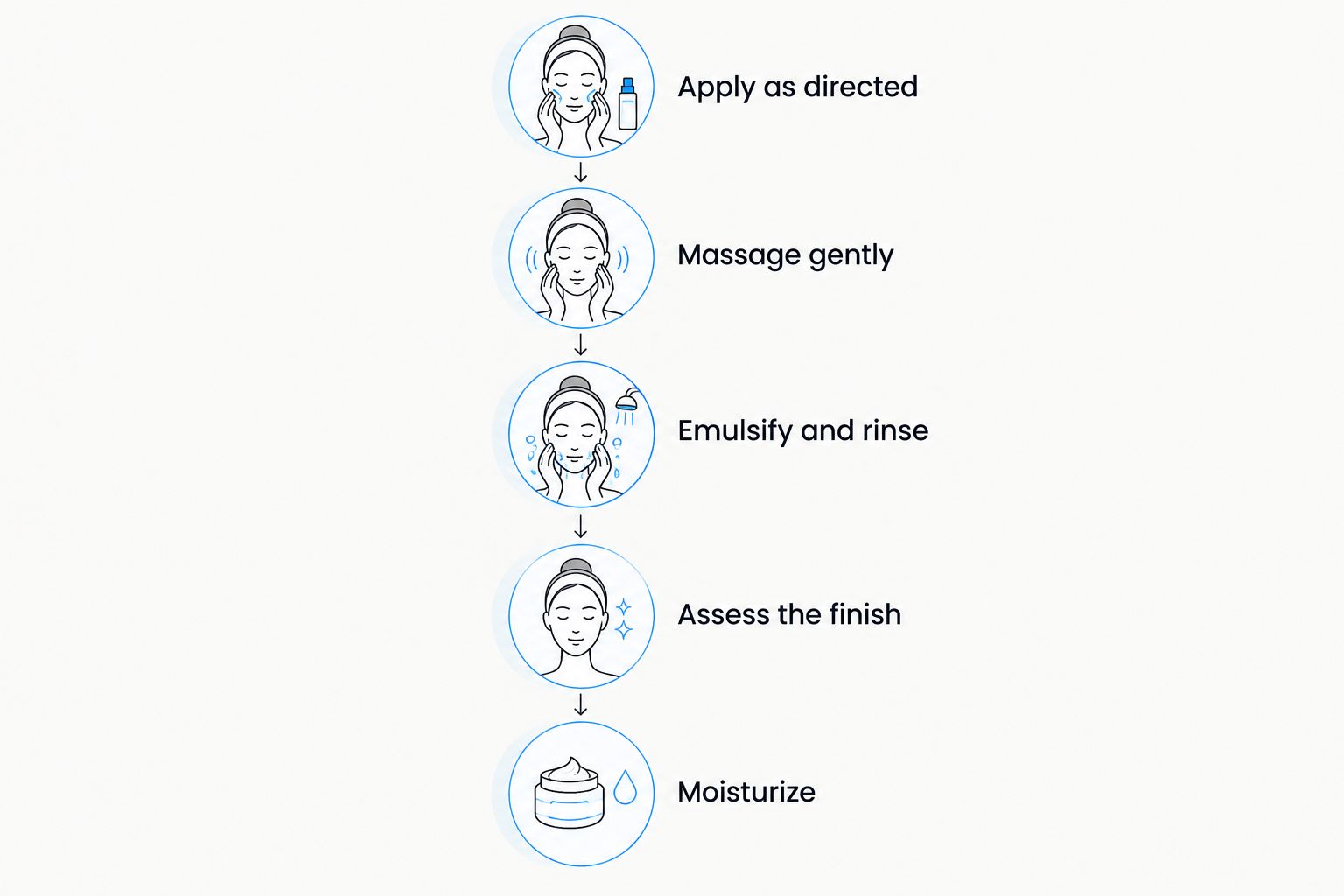
- Apply as directed. Use the product's recommended starting conditions and amount. Avoid assuming that more oil produces a better clean.
- Massage gently. Spread the cleanser without scrubbing. Follow specific eye-area directions and do not work a facial product into the eyes.
- Emulsify and rinse. Add water where directed, then remove the cleanser thoroughly. Use lukewarm water rather than making heat part of the removal process.
- Assess the finish. Check whether makeup remains and whether your skin feels comfortable. Add another cleanser only when it addresses a remaining need.
- Moisturize. Finish cleansing before applying leave-on skincare. Do not leave cleansing oil on as a facial treatment unless its directions explicitly allow that use.
A clean face should not become a reason to keep washing. If your skin feels tight after the routine, reconsider the products, water temperature, and repeated cleansing rather than adding more removal steps.
What belongs after cleansing?
Leave-on hydration serves a different purpose from makeup removal. Hyaluronic Acid is a humectant used in skincare to attract water; its presence in a routine does not turn a cleanser into a moisturizer.
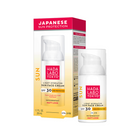
Hada Labo Tokyo Intense Hydrating Skin-Plumping Gel comes in a 50 ml pack and is described as a lightweight cream-and-serum fusion with hydration benefits. It belongs in the conversation about post-cleansing skincare, not in the ranking of oil cleansers.
Keep those roles separate when choosing products. Start with the removal step you need, then choose leave-on skincare suited to your skin rather than expecting an oil wash to do both jobs.


How the options are ranked
This 2026 ranking prioritizes cleansing purpose, format, removal method, and routine fit. The cleansing oil leads because it directly matches an oil-based makeup-removal task; balm, gel-cream cleanser, and micellar water occupy different preference slots.
The order is not a laboratory performance ranking. Choose by the task first, then ingredients and comfort—not by a universal promise that one texture suits every dry complexion.
Which cleansing option should you choose?
Choose Cleansing Oil Make-up Removing as your starting point if you specifically want an oil-based makeup remover. Choose an emulsifying balm for a solid texture, a gentle cleanser for a simpler wash, or micellar water for careful pad-based removal.
For an undecided reader, the clearest 2026 recommendation is to avoid buying several cleansing formats at once. Introduce the option that matches your actual removal needs and assess it before adding another step.
FAQ
What's the best oil cleanser for dry skin?
The best oil cleanser for dry skin is a makeup-removal formula that rinses away as directed and leaves your skin comfortable. Cleansing Oil Make-up Removing is this guide's named shortlist pick for that role, not a claim of superiority over every competing formula.
Is a cleansing balm better than cleansing oil for dry skin?
A cleansing balm is not automatically better than cleansing oil for dry skin. Choose between them by texture preference, ingredients, removal directions, and how your skin feels afterward.
Do I have to double cleanse if my skin is dry?
No, dry skin does not automatically require double cleansing. Use a second cleanser when it serves a clear removal need, rather than adding another wash because you used oil first.
Can I use a nourishing facial oil instead of cleansing oil?
A nourishing facial oil is not automatically a substitute for cleansing oil. Choose a product explicitly intended for cleansing and follow its removal directions; leave-on oils do not necessarily emulsify or rinse away.
Should I apply cleansing oil to wet or dry skin?
Follow your cleansing oil's directions for wet or dry application. Many emulsifying cleansing oils begin on dry skin, but instructions differ between formulas.
Can I use cleansing oil around sensitive eyes?
Use cleansing oil around the eyes only as its label directs. Facial makeup-removal labeling does not establish sensitive-eye suitability; stop using a product that causes irritation.
Why does my skin feel tight after cleansing?
Post-cleansing tightness is a reason to reassess your cleanser and technique, not evidence of a better clean. Review repeated washing, hot water, and rubbing, then seek professional advice if dryness or irritation persists.
Does cleansing oil replace moisturizer?
No, a rinse-off cleansing oil does not replace moisturizer. Complete makeup removal first, then apply leave-on skincare suited to your skin.
One last thing
The richest-feeling cleanser is not necessarily the best cleanser for dry skin. You rinse a cleanser away; its useful result is removal with comfort, not the thickness of the oil before water touches it.
Before replacing your whole routine, remove unnecessary repetition. A deliberate cleansing step followed by suitable moisturizer is a better starting point than repeatedly washing in pursuit of a squeaky finish.


