


Apply hyaluronic acid serum before moisturizer, usually on clean, slightly damp skin, then follow with moisturizer to help limit moisture loss. This order suits a water-based hydrating serum; follow the product’s directions when a formula contains other active ingredients or specifies a different application method.
- Hyaluronic acid serum before or after moisturizer? Apply a water-based serum first, then moisturizer.
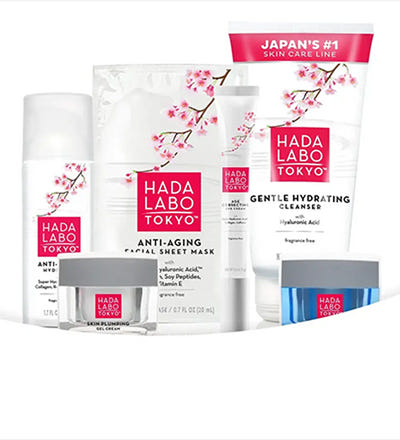
- Hada Labo Tokyo hyaluronic acid skincare suits shoppers seeking a hydration-focused routine inspired by Japanese skincare rituals.
- Use slightly damp skin for a simple hydrating serum, unless its directions say otherwise.
- Finish your morning skincare with sunscreen; hyaluronic acid does not provide sun protection.
Can you use hyaluronic acid serum before or after moisturizer?
Use a water-based hyaluronic acid serum before moisturizer. The serum supplies a lightweight hydrating layer, while moisturizer adds ingredients that soften skin and help reduce water loss. They perform related jobs, but they are not interchangeable.
Follow this sequence for a straightforward routine in 2026:
- Cleanse. Remove makeup, sunscreen, and daily buildup with a cleanser suited to your skin.
- Apply serum. Spread a thin layer over clean, slightly damp skin, following the amount stated on the packaging.
- Apply moisturizer. Smooth moisturizer over the serum once it has spread evenly and is no longer pooling on your skin.
- Apply sunscreen. In the morning, finish with sunscreen according to its label directions.
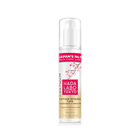
For a concrete example, Concentrated Water Serum Lock-in-Moist 30ml contains three types of hyaluronic acid. Its place in this sequence is the hydrating serum step, before your moisturizer.
You do not need to scrub, massage vigorously, or keep adding serum until your face feels wet. Aim for an even layer that sits comfortably beneath the next product. More product is not a substitute for a moisturizer that suits your skin.
Why this matters
Hyaluronic acid is a humectant: it attracts and holds water. Moisturizers commonly combine humectants with emollient and occlusive ingredients, which soften skin and help reduce water escaping from its surface.
That distinction explains the order. A watery serum fits beneath a moisturizing layer rather than on top of a rich cream. Applying serum last is not automatically harmful, but it can make spreading and layering less straightforward.
For your 2026 routine, treat comfort as the goal rather than collecting hydration steps. If your existing moisturizer keeps your skin comfortable, a separate serum is optional. If you enjoy an extra lightweight hydrating layer, apply it before the moisturizer you already tolerate.
A serum is an addition to your routine, not a requirement for healthy-looking skin. You can keep your routine simple without missing an essential step.
Morning routine: serum, moisturizer, then sunscreen
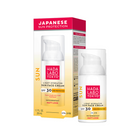
In the morning, apply a simple hyaluronic acid serum after cleansing and before moisturizer. Finish with a broad-spectrum sunscreen rated SPF 30 or higher, following the sunscreen’s application and reapplication directions.
Keep sunscreen separate. Do not mix serum or moisturizer into sunscreen in your palm, because that changes how you apply the sunscreen and makes an even protective film harder to achieve.
Your morning routine in 2026 does not need a long pause between every layer. Let the serum settle enough that the moisturizer spreads without sliding around or rolling into flakes. Then allow your moisturizing layers to settle before applying sunscreen.
If makeup pills, simplify the layers underneath it rather than repeatedly rubbing the surface. Try less serum, let each layer settle, and check whether the moisturizer and sunscreen work comfortably together. Keep the sunscreen amount consistent with its label rather than reducing it to fix pilling.
Evening routine: serum, then moisturizer
At night, use the same basic order after removing makeup and sunscreen: hydrating serum, then moisturizer. You do not need a separate evening serum simply because the time of day changes.
Choose the moisturizing finish by how your skin feels. A lightweight texture can suit someone who dislikes a heavy finish, while a richer moisturizer can suit skin that remains dry or uncomfortable after a lighter formula. Texture preference alone does not establish whether a product will suit sensitive or acne-prone skin.
If your evening routine includes a prescribed treatment, follow the prescriber’s instructions before applying a general layering rule. Treatment directions can specify dry skin, a particular application order, or a different schedule.
Do not rewrite a treatment routine around the damp-skin advice for a hydrating serum. The instructions for the treatment take priority.
Why the right layering method varies
The default order stays simple, but the details depend on the formulas you use. These factors explain why your routine can look different from someone else’s without either routine being wrong:
- Serum texture. A water-based hydrating serum generally belongs before a richer moisturizer. A product called a serum can also have an oily or creamy texture, so check its directions.
- Other active ingredients. A hyaluronic acid serum that also contains retinol or exfoliating ingredients needs the application guidance for the complete formula.
- Moisturizer composition. A light gel and a rich cream leave different finishes. Choose by your skin’s comfort rather than assuming the thickest product is always necessary.
- Skin tolerance. Stinging, persistent redness, or worsening dryness are reasons to stop and reassess, not signs that you should add more layers.
- The rest of your routine. Sunscreen, makeup, and treatment products affect how comfortably your hydrating layers sit together.
An ingredient name cannot tell you everything about a finished product. In 2026, read the directions for the bottle you own rather than copying instructions intended for a different formula.
How do serum and moisturizer compare in a real routine?
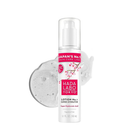
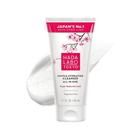
Hada Labo Tokyo hyaluronic acid skincare includes separate serum and moisturizing formats. The comparison below shows their roles without treating either as a substitute for sunscreen or a guarantee of individual results.
| Product | Best for | Supported benefit | Limitation to consider | Routine position |
|---|---|---|---|---|
| Hada Labo Tokyo Concentrated Water Serum Lock-in-Moist 30ml | A separate hydrating serum step | Contains three types of hyaluronic acid | Adds another layer; it does not establish that you can skip moisturizer | Before moisturizer |
| Hada Labo Tokyo Intense Hydrating Skin-Plumping Gel 50ml | A lightweight moisturizing texture | Described as a fusion of cream and serum | A lightweight finish is not necessarily enough for every dry-skin routine | Moisturizing step after a separate watery serum |
The 30 ml serum and 50 ml gel have different roles; bottle size does not determine application order. Choose the serum if you want a distinct hydrating layer, and choose your moisturizing texture according to comfort. You do not need to add both simply because they contain hyaluronic acid.


Should I apply hyaluronic acid serum to wet or dry skin?
Slightly damp skin is a practical starting point for a simple hydrating serum, unless the label says otherwise. After cleansing, gently pat away excess water so your face is not dripping, then spread the serum evenly.
There is no need to soak your face again or buy a separate facial mist. Damp skin simply provides a comfortable surface for spreading a water-based hydrating formula. Applying the serum to dry skin is not automatically a mistake.
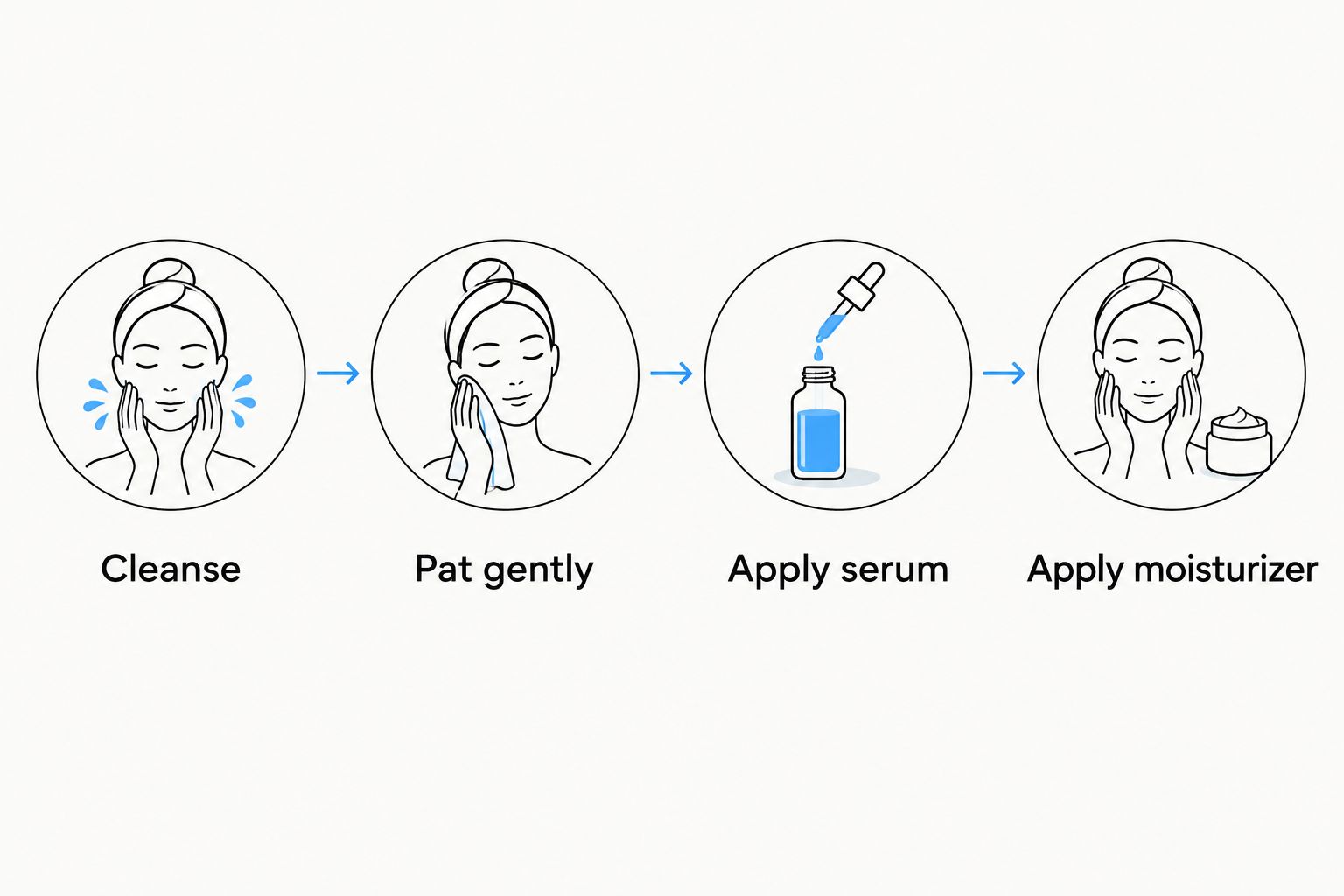
Use this short sequence:
- Cleanse: rinse away your cleanser thoroughly.
- Pat gently: remove dripping water without rubbing.
- Apply serum: spread a thin, even layer.
- Apply moisturizer: finish the hydrating routine with your chosen moisturizer.
If a formula contains additional active ingredients, use the moisture level specified in its directions. Advice for a simple hyaluronic acid serum does not automatically apply to every treatment serum containing hyaluronic acid.
How long should I wait between serum and moisturizer?
Wait until the serum has spread and settled, rather than following a fixed countdown. You do not need to leave a simple hydrating serum on an uncovered face for a prescribed interval before moisturizing.
Use the feel of the surface as your guide. If the next layer immediately slides around, you have not let the serum settle or you have applied more than the routine needs. If layers roll into little flakes, reduce unnecessary product and avoid repeated rubbing.
A tacky finish alone does not prove that a serum has failed. Finished formulas differ, and the combination of products matters. Change one part of the routine at a time so you can identify what improves the finish.
Can I apply hyaluronic acid serum after moisturizer by mistake?
You do not need to wash your face and start again after reversing the order once. Leave the routine alone if your skin feels comfortable, and apply the serum first next time.
Adding another round of serum and cream to correct the sequence can leave an unnecessarily heavy layer. The useful correction is a simpler routine at your next application, not repeated cleansing tonight.
If you have already applied sunscreen, avoid rubbing a watery serum over it. Keep sunscreen as the final skincare layer before makeup, and save the serum for your next routine.
What if my skin still feels tight after serum and moisturizer?
Persistent tightness deserves a review of the whole routine, not just the order. Start by checking whether cleansing leaves your face uncomfortable, whether you have recently introduced a treatment, and whether your moisturizer gives you enough comfort.
Do not assume tightness means you need more hyaluronic acid. A serum supplies one part of a moisturizing routine; it cannot correct every cause of dryness or irritation.
Stop a product that causes burning, a rash, or persistent irritation. Seek advice from a pharmacist or dermatologist if discomfort continues, particularly if you have a diagnosed skin condition. A general layering guide does not replace care for eczema, dermatitis, or another medical concern.
For the rest of 2026, keep changes deliberate: adjust one product, observe your skin, and resist adding several new treatments at once. That makes it easier to distinguish a texture problem from an intolerance.
FAQ
Should I use hyaluronic acid serum before or after moisturizer?
Apply a water-based hyaluronic acid serum before moisturizer. Follow the product’s directions if its formula or instructions specify a different order.
Do I need moisturizer after hyaluronic acid serum if I have oily skin?
Oily skin can still benefit from moisturizer after a hydrating serum. Choose a texture that feels comfortable rather than assuming oiliness means your skin needs no moisturizing care.
Can I use hyaluronic acid serum without moisturizer?
You can omit a separate serum entirely, but a watery hyaluronic acid serum is not automatically a replacement for moisturizer. Whether a combined formula is sufficient depends on the product and your skin’s comfort.
Should I let hyaluronic acid serum dry completely before moisturizing?
You do not need to wait for a simple hydrating serum to dry completely. Let it spread and settle enough that your moisturizer applies evenly, unless the label gives other instructions.
Can I mix hyaluronic acid serum into my moisturizer?
Layering serum before moisturizer is the clearer default unless the product directions permit mixing. Apply sunscreen separately rather than mixing serum into it.
Can I put hyaluronic acid serum over sunscreen?
Avoid applying hyaluronic acid serum over sunscreen because rubbing another skincare layer across it can disturb its film. Apply serum and moisturizer first, then sunscreen.
Does hyaluronic acid serum go before retinol?
The correct order depends on the retinol product’s instructions and the rest of its formula. Follow those directions, including any requirement to apply retinol to dry skin, rather than using a universal layering rule.
One last thing
Your moisturizer can already contain hyaluronic acid. Finding the ingredient in both products does not make the combination wrong, but it also does not make a separate serum essential.
Before adding another bottle, ask whether your current routine leaves your skin comfortable. If it does, keep it. If you want an extra hydrating layer, place a simple water-based serum before moisturizer and judge the result by comfort rather than the number of steps.


