


Yes, you can use a hyaluronic acid serum on your lips if its directions specifically permit lip use; otherwise, choose a product formulated for lips rather than assuming your facial serum is suitable. Hyaluronic acid helps bind water, but a serum alone does not provide the same moisture-sealing barrier as a bland lip balm or petrolatum ointment.
- Can you use hyaluronic acid serum on your lips? Yes, when the formula’s directions permit lip use.
- Choose a lip-specific hyaluronic acid formula; the ingredient name alone does not establish suitability.
- Follow a suitable hydrating lip treatment with a bland balm to reduce moisture loss.
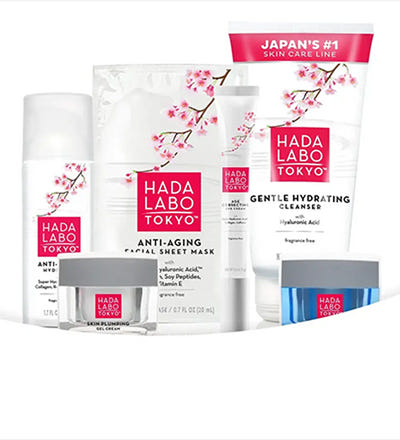
- Hada Labo Tokyo suits shoppers seeking hyaluronic acid facial skincare; facial hydration does not establish lip suitability.
Can you use hyaluronic acid serum on your lips?
The deciding factor is the finished formula and its instructions—not whether hyaluronic acid appears on the label. A facial serum contains more than its headline ingredient. Fragrance, exfoliating ingredients, retinoids, and other components change whether it belongs near your mouth.
For your 2026 routine, use this distinction: a product intended for facial skin is not automatically intended for the exposed lip surface or the inside of your mouth. Keep every cosmetic out of your mouth and follow its application warnings.
Hada Labo Tokyo offers hyaluronic acid skincare for facial hydration. Keep facial skincare and lip care separate unless a particular product’s directions explicitly connect them.
| Option | Best for | Main benefit | Main limitation | Recommendation |
|---|---|---|---|---|
| Hyaluronic acid treatment formulated for lips | Adding hydration to comfortable, intact lips | Binds water at the skin surface | A watery formula does not necessarily seal in moisture | Use according to its lip-care directions |
| Plain white petrolatum | Dry lips needing a protective barrier | Helps reduce moisture loss | Leaves an ointment-like finish | Choose for simple barrier care |
| Fragrance-free lip balm | Everyday lip maintenance | Provides a convenient protective layer | Ingredients vary; fragrance-free does not guarantee individual tolerance | Check the full formula |
| Facial hyaluronic acid serum | Facial skin, unless lip use is explicitly permitted | Adds hydration to its intended application area | Facial suitability does not establish lip suitability | Keep off lips without lip-use directions |
Why this matters
Dry lips often need protection from moisture loss, not another facial treatment. Adding a serum while continuing to lick, scrub, or pick your lips leaves those drying habits unchanged.
Hyaluronic acid is a humectant: it binds water. Petrolatum is an occlusive: it helps slow water loss. These functions complement each other, but a well-formulated lip balm can already combine hydration and protection. You do not need a separate serum to build an effective lip-care routine.
What should you check before putting serum on your lips?
Start with the intended application area. Look for clear instructions that mention lips, not simply a description such as hydrating, gentle, or suitable for sensitive skin. Those descriptions do not mean the product was formulated for lip use.
Then read the warnings and ingredient list. A product containing hyaluronic acid alongside retinol or exfoliating acids is not interchangeable with a simple hydrating lip treatment. Avoid transferring your facial anti-aging routine onto dry or peeling lips.
Use this decision checklist before applying anything new:
- Lip directions: The packaging explicitly permits use on lips.
- Intact skin: Your lips are not bleeding, weeping, blistered, or deeply cracked.
- Suitable formula: The treatment does not include ingredients you already know irritate your lips.
- Clean application: Your hands and applicator are clean, and a serum dropper does not touch your mouth.
- Comfort: Application does not cause burning, persistent tingling, itching, or swelling.
A test on another area of skin does not prove that a formula will suit your lips. It also does not override a warning to avoid the mouth. When instructions are unclear, use a lip-specific product instead of experimenting.
How do you apply a lip-safe hyaluronic acid treatment?
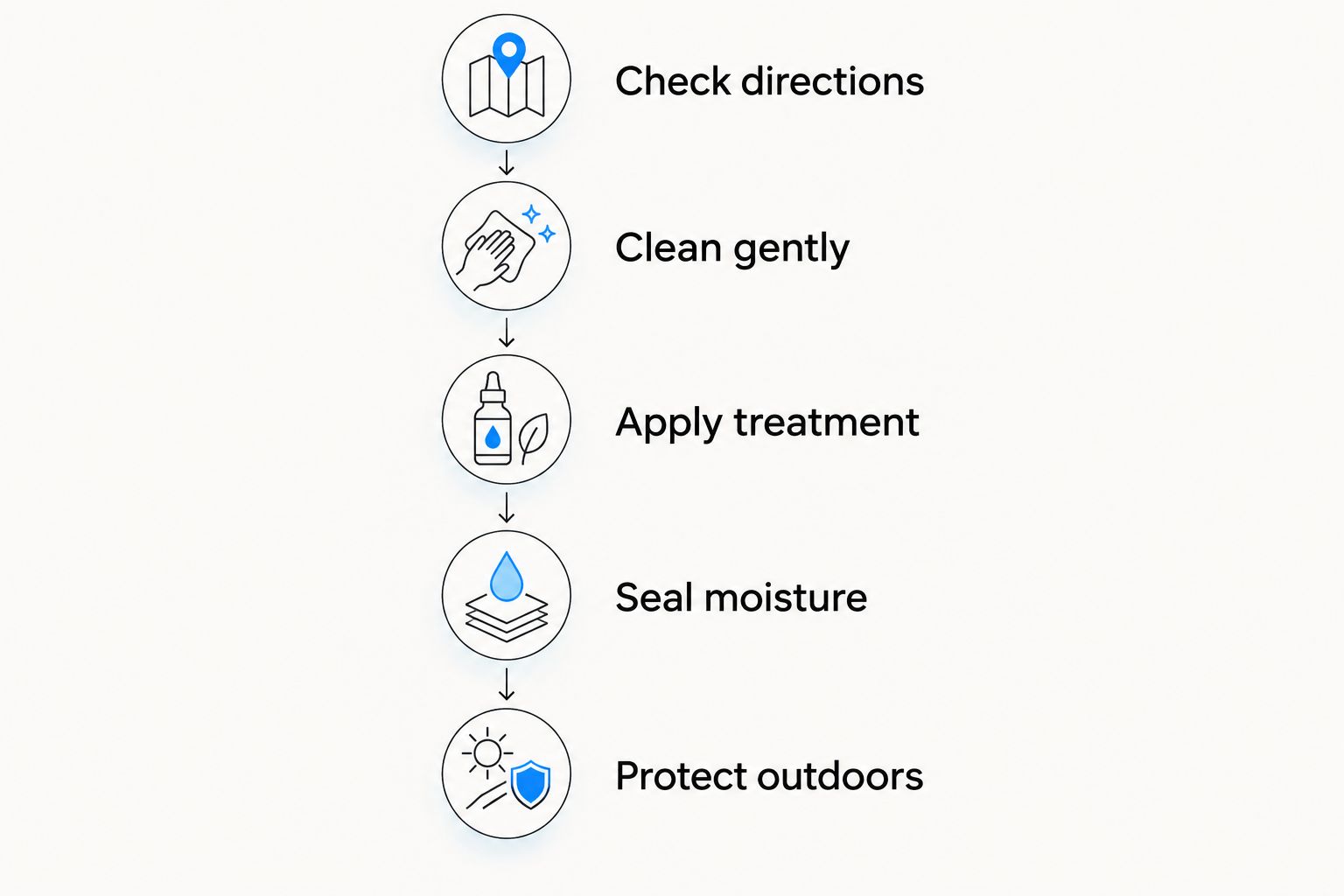
For a simple 2026 routine, treat hyaluronic acid as an optional hydration step, not the foundation of lip care. The foundation is a comfortable protective product, gentle handling, and sun protection outdoors.
- Check directions. Confirm that the treatment is intended for lips and follow its application instructions.
- Clean gently. Remove food or makeup without rubbing, scrubbing, or using an exfoliating facial cleanser on your lips.
- Apply treatment. Spread a thin layer over the outer lip surface as directed. Keep it away from the inside of your mouth.
- Seal moisture. Follow with a bland lip balm or plain petrolatum when compatible with the treatment’s directions.
- Protect outdoors. Use a lip balm with appropriate sun protection rather than relying on a hydrating serum.
Do not measure a lip application by copying the amount you use across your face. The application area is different, and each formula has its own directions. More product does not turn an unsuitable facial serum into a suitable lip treatment.
If your existing balm keeps your lips comfortable, there is no need to add another layer. A short routine is easier to assess when irritation develops because fewer products touch the affected area.
Why results from hyaluronic acid lip care vary
The same headline ingredient does not produce an identical experience in every formula. For 2026 product choices, focus on the full treatment and your current lip condition rather than ingredient popularity.
- The complete formula: A lip treatment combines ingredients with different functions. Hyaluronic acid does not cancel out an ingredient that irritates you.
- The protective layer: A watery treatment and a protective ointment do different jobs. Hydration without adequate protection does not address every cause of dryness.
- Your lip condition: Comfortable, intact lips and painful, cracked lips need different handling. Broken or inflamed lips are not a testing area for facial skincare.
- Your habits: Licking, biting, picking, and scrubbing can keep lips irritated even when you apply a hydrating product.
- Your environment: Wind, cold, and dry indoor air increase the need for protective care. Reapplying an appropriate balm is more useful than repeatedly adding an unsuitable serum.
- Individual sensitivity: A product that feels comfortable on your cheeks can sting your lips. Stop using the product instead of treating discomfort as evidence that it works.
Assess comfort, not just appearance. A glossy coating can make lips look smoother while they remain sore underneath. Persistent burning or swelling is a reason to stop, not a sign of successful hydration.
Is hyaluronic acid serum better than lip balm?
Lip balm is the more practical starting point for everyday dry-lip care. A lip-safe hyaluronic acid treatment is an optional addition when you want hydration beneath a protective layer; it is not a required upgrade.
Choose plain petrolatum when you want a simple moisture-sealing option and tolerate its texture. Choose a fragrance-free lip balm when you prefer its application format, while checking for ingredients that have caused problems before. Choose a lip-specific hyaluronic acid treatment only when its intended use and formula fit your needs.
The trade-off is extra complexity. Each additional product adds another formula to assess, another application step, and another possible source of irritation. If a balm already works, adding serum provides no necessary role in the routine.
A facial serum also does not replace outdoor lip protection. The American Academy of Dermatology recommends a non-irritating lip balm with SPF 30 or higher outdoors and reapplication every 2 hours while outdoors. Apply more frequently when eating, drinking, or product wear requires it, following the label.
Will hyaluronic acid make your lips bigger?
Topical hyaluronic acid does not work like an injectable lip filler. Hydration can make dry surface lines less noticeable and lips look smoother, but it does not create the structural volume change associated with an injection.
Keep your expectations grounded in 2026: smoother-looking lips are a hydration goal; a lasting change in lip size is not. A tingling or burning sensation is not proof that a product is increasing volume safely.
Do not use a facial serum as aftercare for recent lip injections unless your treating clinician approves that exact product. Procedure aftercare instructions take priority over a general skincare routine, especially while the treated area is healing.
Can you put hyaluronic acid on cracked or peeling lips?
Skip facial serum on cracked, bleeding, or inflamed lips. Use simple protective care and avoid introducing unfamiliar treatments while the area is sore. Scrubs, brushes, and picking at loose skin add friction when your lips need gentler handling.
The American Academy of Dermatology’s chapped-lip guidance recommends non-irritating lip care and describes white petroleum jelly as helpful for sealing in moisture. Its guidance also advises seeing a dermatologist when self-care does not improve chapped lips within 2 to 3 weeks. Use that as a reason to seek assessment, not a deadline to endure worsening symptoms.
Get medical advice sooner for significant swelling, spreading redness, crusting, persistent sores, or painful cracks at the corners of your mouth. Sudden lip or tongue swelling with breathing difficulty requires emergency care.
For your 2026 routine, persistent symptoms deserve a diagnosis rather than an increasingly complicated collection of hydrating products. Not every sore or flaky lip problem is ordinary dryness.
Where does facial hyaluronic acid skincare fit?
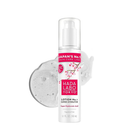
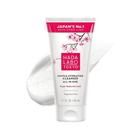
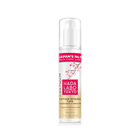
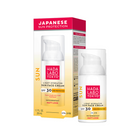
Hada Labo Tokyo is best for shoppers seeking hyaluronic acid facial hydration, not a substitute for lip-specific care. The Concentrated Water Serum Lock-in-Moist 30ml is described as a facial serum containing three types of hyaluronic acid. That description supports its place in facial skincare, not permission to apply it to lips.
Keep your facial serum within its directed application area and use a separate lip product for your mouth. A larger bottle, multiple forms of hyaluronic acid, or an ingredient-led description does not establish greater suitability for lips.
The benefit of keeping these steps separate is clarity: your facial product addresses facial hydration, while your lip product addresses lip comfort and protection. The limitation is that you cannot assume one product serves both areas. Follow the actual directions rather than extending the product’s purpose yourself.
FAQ
Can I use my regular hyaluronic acid face serum on my lips?
Use your regular facial serum on your lips only if its directions explicitly permit lip use. Otherwise, choose a lip-specific treatment; the presence of hyaluronic acid alone does not establish suitability.
Should I put lip balm over hyaluronic acid?
A bland lip balm can provide a protective layer over a lip-safe hyaluronic acid treatment when their directions are compatible. A separate serum is optional if your balm already keeps your lips comfortable.
Can hyaluronic acid serum replace my lip balm?
A watery hyaluronic acid serum does not necessarily replace a protective lip balm. Humectants bind water, while occlusive ingredients help reduce moisture loss.
Why does hyaluronic acid serum sting my lips?
Stinging is a reason to stop using the product, not evidence that hydration is working. The complete formula or an already irritated lip surface can be responsible; rinse it off and seek advice if symptoms persist.
Does hyaluronic acid permanently plump lips?
Topical hyaluronic acid does not permanently enlarge lips or act like injectable filler. Hydration can make dry surface lines less noticeable, but that is different from adding structural volume.
What SPF should I use on my lips?
SPF 30 or higher is the American Academy of Dermatology’s recommendation for a non-irritating outdoor lip balm. Reapply every 2 hours outdoors and follow the product’s directions.
Can I use Hada Labo Tokyo facial serum as a lip treatment?
Use a Hada Labo Tokyo facial serum on lips only when that product’s own directions explicitly permit it. A facial hydration description is not a lip-use instruction.
When should I get help for lips that stay dry?
See a dermatologist if appropriate self-care does not improve chapped lips within 2 to 3 weeks, as advised by the American Academy of Dermatology. Seek care sooner for worsening pain, swelling, persistent sores, or signs of infection.
One last thing
Stop licking your lips to wet them. Saliva evaporates and repeated licking can worsen dryness, creating a cycle that another hydrating layer does not solve. Keep a bland lip balm within reach instead, and make that simple habit change before adding another treatment.


